

What is the Meaning of Business Casual Dress: A Simple Guide
What Is The Meaning Of Business Casual Dress
For many professionals, the phrase “business casual” is both familiar and confusing. You might see it in an email before a job interview, on a dress code policy at work, or on an invitation to a networking event. But what does it really mean? Is it a suit without a tie, jeans with a blazer, or something else entirely? Understanding business casual dress is not only about what clothes you wear—it’s about feeling confident, respecting your workplace, and making a positive impression. In this article, we’ll break down the real meaning of business casual, show you how it looks in different settings, and share practical tips to help you get it right every time.
The Core Idea Of Business Casual
Business casual is a dress code that blends the professional look of traditional business wear with the relaxed feel of casual clothing. It’s less formal than a suit and tie, but more polished than jeans and a T-shirt. The goal is to look neat, put together, and approachable without appearing too strict or too relaxed.
This style began to appear as workplaces shifted away from strict formal wear. Employers wanted employees to feel comfortable, but still represent the company well. The key is balance—not too formal, not too casual.
What Business Casual Is (and Isn’t)
Business casual is not a fixed uniform. It changes depending on the industry, company culture, and even the country you’re in. What’s considered business casual at a tech startup might look very different at a law office.
- Is: Slacks or chinos, collared shirts, blouses, knee-length dresses, closed-toe shoes.
- Isn’t: Ripped jeans, graphic T-shirts, flip-flops, athletic wear.
The line can be blurry, and this is where many people make mistakes. The best approach is to observe what others wear, ask HR if you’re unsure, and always aim for a clean, tidy appearance.
Key Elements Of Business Casual For Men
Let’s look at what business casual means for men. The options are wide, but there are important guidelines to follow.
Pants
Slacks or chinos are the foundation of a business casual outfit. Neutral colors like black, navy, gray, or khaki are safest. Jeans are sometimes allowed, but only if they are dark, clean, and without rips.
Shirts
A collared shirt is usually required. This can be a button-down dress shirt or a polo shirt. Avoid loud patterns or bright colors. T-shirts are generally too casual unless your company culture is very relaxed.
Jackets And Sweaters
A blazer or sport coat adds polish, but it’s optional in many workplaces. Sweaters or cardigans over a collared shirt are a good alternative, especially in cooler weather.
Shoes
Choose leather shoes like loafers, oxfords, or brogues. Avoid sneakers, sandals, or anything that looks too casual.
Accessories
Keep it simple—belts, conservative watches, and minimal jewelry. Avoid hats and flashy items.
Example Business Casual Outfits For Men
- Navy chinos, white button-down shirt, brown loafers
- Gray slacks, light blue polo shirt, black belt, dark socks
- Khaki pants, pastel dress shirt, navy sweater, brown dress shoes
Key Elements Of Business Casual For Women
Business casual for women is more flexible, but the same rule applies: look neat and avoid anything too revealing or flashy.
Pants And Skirts
Dress pants, chinos, knee-length skirts, or tailored dresses work well. Skirts and dresses should hit at or below the knee. Avoid tight fits or short hemlines.
Tops
Blouses, dress shirts, sweaters, or simple tops are ideal. Sleeveless tops are fine if they’re not too revealing, but spaghetti straps and low-cut shirts are not.
Dresses
A classic dress in a neutral or soft color is always safe. Patterns should be subtle, not loud or distracting.
Shoes
Closed-toe flats, loafers, low-to-mid heels, or dress boots are best. Avoid flip-flops, overly high heels, or athletic shoes.
Accessories
Keep it professional—simple jewelry, belts, and scarves. Large, flashy pieces or casual items like baseball caps are not business casual.
Example Business Casual Outfits For Women
- Black dress pants, cream blouse, navy cardigan, black flats
- Knee-length gray skirt, pale pink sweater, nude pumps
- Navy tailored dress, thin belt, simple earrings, low-heeled shoes
How Business Casual Differs By Industry
Not all workplaces view business casual the same way. Here’s a look at how it changes across industries.
| Industry | Common Business Casual Elements | What to Avoid |
|---|---|---|
| Finance/Law | Blazers, dress shirts, dress pants, closed-toe shoes | Jeans, sneakers, bright colors |
| Tech | Chinos, polos, clean dark jeans, casual blouses | Shorts, flip-flops, tank tops |
| Creative/Media | Trendy slacks, patterned shirts, statement accessories | Gym clothes, ripped items |
| Education | Polo shirts, sweaters, knee-length skirts, flats | Short skirts, loud graphics, hats |
It’s important to read the room. In conservative industries, business casual is closer to formal; in creative fields, there’s more room for personal style.
The Evolution Of Business Casual
Business casual hasn’t always existed. For decades, formal business attire—suits, ties, and dress shoes—was the only choice in many offices. The shift began as workplaces became more relaxed, especially in tech companies and startups. “Casual Fridays” became popular, letting employees dress down once a week. Over time, this attitude spread to other days and industries.
Today, many companies adopt business casual to make staff feel comfortable, creative, and less stressed. However, expectations can still be strict, especially in client-facing or traditional fields. The “casual” part doesn’t mean unprofessional—it just allows for a bit more comfort and personality.
Common Business Casual Mistakes
Even with the best intentions, it’s easy to get business casual wrong. Here are mistakes that many beginners make, and how to avoid them:
- Too casual: Wearing jeans with holes, T-shirts, or sneakers.
- Too formal: Wearing a full suit and tie when everyone else is dressed down.
- Ignoring fit: Clothes that are too loose or too tight can look sloppy or unprofessional.
- Over-accessorizing: Large jewelry, bright scarves, or flashy belts can be distracting.
- Neglecting grooming: Dirty shoes, wrinkled shirts, or messy hair ruin any outfit.
- Not adapting to the environment: Wearing the same outfit everywhere, without considering the industry or office culture.
A non-obvious insight: Shoes are often the first thing people notice. Even with a perfect outfit, wearing the wrong shoes can leave a bad impression. Invest in a pair of clean, classic shoes for work.
Another tip: Pay attention to fabrics. Synthetics can look cheap and wrinkle easily, while natural fibers like cotton or wool usually look more polished.

Credit: jkstyle.com
The Role Of Personal Style
Business casual doesn’t mean you have to lose your personality. In fact, the flexibility allows you to show some personal style while staying professional. Consider these ways to add your own touch:
- Choose shirts with subtle patterns or colors you like.
- Add a scarf, tie, or simple jewelry.
- Try a unique but classic shoe color, like burgundy or navy.
- Use a stylish bag or briefcase.
Be careful not to overdo it. One or two statement pieces are enough. The rest should stay neutral and classic.
Gender-neutral And Inclusive Business Casual
Today’s workplaces are more diverse than ever. Gender-neutral business casual is becoming more common, focusing on comfort and professionalism for everyone.
- Pants, shirts, blazers, and shoes can be worn by anyone, regardless of gender.
- Avoid clothes with strong gender associations if you want to keep it neutral.
- Focus on fit and comfort—choose pieces that feel good and look sharp.
Some companies have specific guidelines for gender-neutral dress. If you’re unsure, check with HR or look for resources like Human Rights Campaign for inclusive dress code advice.
:max_bytes(150000):strip_icc()/what-is-business-casual-attire-2061168_final1-5b9ff978c9e77c0050d606aa.png)
Credit: www.liveabout.com
Seasonal Changes In Business Casual
Weather affects what you wear, but the basics of business casual stay the same. Here’s how to adapt without breaking the code:
Warm Weather
- Choose light fabrics like cotton or linen.
- Short sleeves are fine, but avoid tank tops.
- Light colors help keep cool.
- For women, knee-length dresses or skirts are comfortable.
Cold Weather
- Layer with sweaters, cardigans, or a blazer.
- Wool or heavier fabrics are appropriate.
- Closed-toe shoes and socks/tights keep you warm.
Remember, comfort matters, but don’t let it make you look sloppy.
Regional And Cultural Differences
Business casual can mean different things in different places. In some countries, it’s almost as formal as business wear. In others, it’s very relaxed. Even within the US, there are regional differences.
| Region | Business Casual Trends | Notes |
|---|---|---|
| West Coast (US) | More relaxed: jeans, polos, sneakers sometimes allowed | Tech influence, creative industries |
| East Coast (US) | Conservative: dress pants, blazers, classic shoes | Finance, law, traditional offices |
| Europe | Smart-casual: fitted clothes, stylish but neat | Emphasis on tailoring |
| Asia | Very formal: suit pants, dress shirts, minimal patterns | Respect for hierarchy |
Always research the local culture before starting a new job or attending an event in a new country.
Business Casual For Remote Work
With remote work becoming more common, many people wonder if business casual is still important. The answer: Yes, at least for video calls and meetings.
- Dress as if you were going to the office, at least from the waist up.
- A collared shirt or blouse looks professional on camera.
- Avoid patterns that are distracting on video.
- Keep a blazer or sweater nearby for surprise meetings.
Dressing well, even at home, helps you feel professional and focused.
How To Build A Business Casual Wardrobe
You don’t need a huge budget to dress business casual. Focus on a few versatile basics that you can mix and match.
Essential Pieces For Men
- 2–3 pairs of slacks or chinos (navy, gray, beige)
- 4–5 dress shirts (white, blue, light stripes)
- 2 polo shirts
- 1–2 sweaters or cardigans
- 1 blazer or sport coat
- 2 pairs of leather shoes (black, brown)
- Simple belts and socks
Essential Pieces For Women
- 2–3 pairs of dress pants or knee-length skirts
- 3–4 blouses or simple tops
- 1–2 dresses (solid or subtle pattern)
- 2 cardigans or sweaters
- 1 blazer
- 2 pairs of flats or low-heeled shoes
- Simple jewelry and scarves
A smart tip: Buy quality, not quantity. Well-made clothes last longer and look better. Start with basics, then add special pieces as your budget allows.
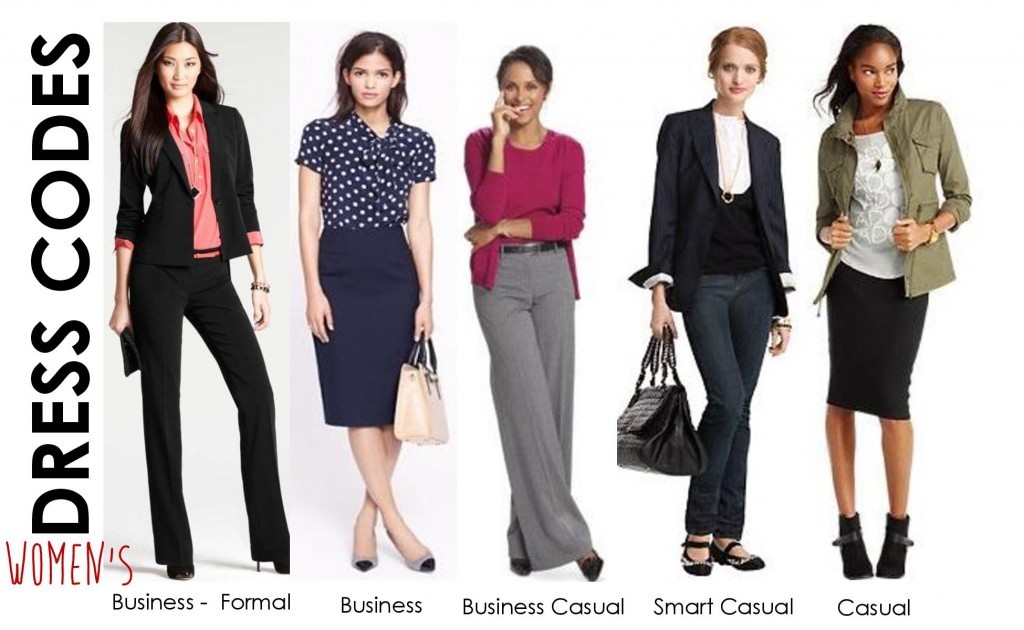
Business Casual Vs. Other Dress Codes
Understanding how business casual compares to other dress codes makes it easier to choose the right outfit. Here’s a quick comparison:
| Dress Code | Description | Typical Clothing |
|---|---|---|
| Formal Business | Most strict and traditional | Suit, tie, dress shoes, skirt suit, closed-toe heels |
| Business Casual | Blend of formal and casual | Slacks, collared shirts, blouses, flats, no tie required |
| Smart Casual | More relaxed, stylish | Dark jeans, dressy tops, blazers, stylish shoes |
| Casual | Very relaxed, comfort-focused | Jeans, T-shirts, sneakers, sandals |
Business casual is the middle ground—polished, but not stiff.
Practical Tips For Mastering Business Casual
Getting business casual right is about more than just following rules. Here are some practical ways to make sure you always look appropriate:
- Check the dress code: If you’re starting a new job, ask HR or observe what others wear.
- Invest in tailoring: Clothes that fit well always look better.
- Keep clothes clean and pressed: Wrinkles and stains ruin any look.
- Plan ahead: Lay out your clothes the night before to avoid last-minute stress.
- Have a backup outfit: For days with important meetings, keep a blazer or extra shirt at work.
- Stay flexible: If you’re unsure, dress slightly more formal than you think is needed.
- Update regularly: Replace worn or outdated items so your wardrobe stays fresh.
A lesser-known tip: Rotate your shoes. Wearing the same pair every day wears them out quickly and may cause odor. Alternate pairs to keep them lasting longer.
The Impact Of Business Casual On Your Career
How you dress can affect how others see you at work. Studies show that people who dress professionally are often seen as more competent, trustworthy, and ready for leadership. Business casual gives you the chance to look the part without feeling uncomfortable.
- First impressions matter: Within seconds, people judge you based on your appearance.
- Confidence boost: Dressing well can improve your own confidence and performance.
- Opportunities: If you look professional, you’re more likely to be considered for promotions or key projects.
But remember, authenticity is important. Choose clothes that fit your personality and make you feel at ease, while still respecting the workplace.
Frequently Asked Questions
What’s The Difference Between Business Casual And Smart Casual?
Business casual is more structured and formal than smart casual. Business casual often means dress pants, collared shirts, and closed-toe shoes, while smart casual allows for more personal style—like dark jeans, trendy tops, or stylish sneakers. Smart casual is less about a workplace standard and more about looking neat for social or creative settings.
Can I Wear Jeans In A Business Casual Office?
It depends on the company. In some workplaces, dark, non-ripped jeans are allowed as part of business casual, especially in tech or creative fields. In more traditional offices, jeans are not considered business casual. Always check your company’s policy or observe what others wear.
Are Sneakers Ever Appropriate For Business Casual?
Usually, sneakers are too casual for business casual, especially in conservative industries. However, some modern workplaces allow clean, simple sneakers in neutral colors. Avoid athletic or flashy designs. When in doubt, choose classic leather shoes.
What Should I Avoid In Business Casual Dress?
Avoid ripped or distressed clothing, graphic T-shirts, flip-flops, shorts, and anything too revealing. Also, avoid clothing with loud logos or slogans. Stick to neat, well-fitting clothes in solid colors or subtle patterns.
How Can I Add Personal Style To A Business Casual Outfit?
You can add personal style by choosing unique accessories (like a watch, scarf, or subtle jewelry), wearing shirts with a small pattern or color you like, or trying a different shoe style. The key is to keep it professional—add only one or two personal touches, and make sure the overall look stays polished.
Business casual dress is more than just a set of rules—it’s a way to show respect for yourself and your workplace while staying comfortable. The meaning can shift between industries and cultures, but the basics stay the same: neat, professional, and approachable. By understanding the expectations, investing in quality basics, and adding your own style carefully, you’ll always make the right impression. With a little effort, business casual can become your easiest, most reliable workwear—helping you feel confident every day you walk into the office.
Credit: gardner-webb.edu
