

What is the Meaning of Activewear in Washing Machine: Expert Guide
What Is The Meaning Of Activewear In Washing Machine
Activewear is a word you see everywhere—on labels, in shops, in fitness magazines. But when you look at your washing machine, you might notice there’s often a special “activewear” setting. Many people wonder: what does “activewear” actually mean in the context of washing machines? Is it just a marketing term, or does it really matter for your clothes? Understanding this can make your clothes last longer, help you avoid damage, and even save money. Let’s dive deep into what “activewear” means in your washing machine, why it matters, and how you can wash these special clothes the right way.
What Does Activewear Mean?
Activewear refers to clothing designed for physical activity, sports, and exercise. These include items like leggings, sports bras, moisture-wicking t-shirts, yoga pants, and gym shorts. What makes them different from regular clothes is the fabric and purpose. Most activewear is made from synthetic materials like polyester, nylon, spandex, or blends. These fabrics are chosen because they stretch, breathe, and dry quickly. They also move sweat away from your body, which is called moisture-wicking.
Many people think all sports clothes are the same, but activewear is specially engineered for movement and sweat. For example, a cotton t-shirt absorbs sweat and stays wet, while activewear dries fast and keeps you comfortable. This difference in fabric and design is why activewear needs special care in the wash.
Why Do Washing Machines Have An “activewear” Setting?
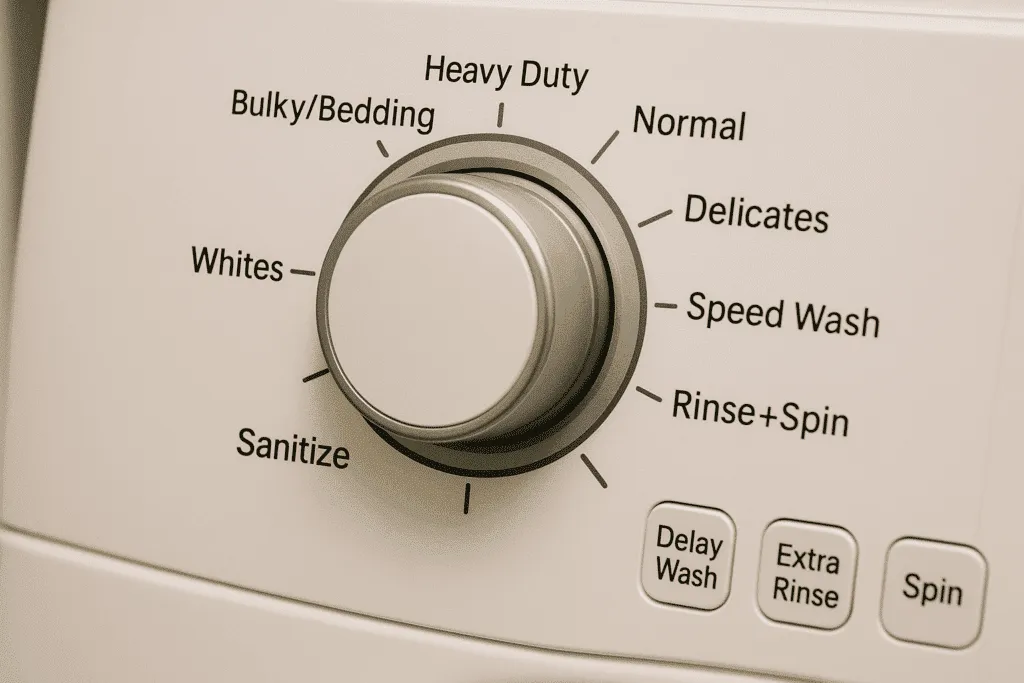
Modern washing machines often have a cycle labeled activewear or sportswear. This is not just for show. The setting is there because activewear fabrics are sensitive. Traditional washing cycles use strong agitation and high temperatures, which can damage stretchy fabrics, fade colors, or break down the fibers that give activewear its unique properties.
The activewear cycle is designed to:
- Use gentle motion to avoid stretching or tearing
- Wash at lower temperatures to protect fabric and color
- Rinse well to remove sweat, bacteria, and detergent
- Shorten spin time to prevent damage
Washing your gym clothes on a regular cycle can cause problems like pilling, odor, shrinking, and loss of elasticity. That’s why the specialized setting is useful.
Credit: spincyclelaundrychicago.com
How Does The Activewear Cycle Work?
When you use the activewear setting, the machine adjusts both time and movement. Here’s what usually happens:
- Gentle agitation: The drum moves slower and less forcefully, so the fabric isn’t stretched or pulled.
- Cool or warm water: Temperatures are kept below hot, usually between 20–40°C, to protect the stretch and color.
- Extra rinsing: Sweat, body oils, and detergents are removed more thoroughly.
- Shorter spin: The spin cycle is brief or at lower speed, so your clothes don’t get stretched out.
Some advanced washing machines even add steam or use special drum patterns to boost cleaning power while being gentle.
Common Types Of Activewear
Knowing the different types of activewear helps you understand why special care is necessary.
- Sports bras: High stretch, sometimes padded, need to keep their shape.
- Leggings and tights: Often made of spandex blends, sensitive to heat and rough washing.
- Moisture-wicking shirts: Designed to pull sweat away, can lose this ability if not washed correctly.
- Compression garments: Provide muscle support, fit tightly, easily ruined by harsh cycles.
- Athletic socks: Usually synthetic, must stay soft and odor-free.
- Yoga pants: Stretchy, comfortable, and easily damaged by high heat.
- Running jackets: Windproof, water-resistant layers that need gentle care.
Each type of activewear has unique needs, but all benefit from the right washing cycle.
Why Activewear Needs Special Care
Activewear is different from regular cotton or denim. Here’s why:
- Stretch: Spandex and elastane fibers give stretch. Too much heat or rough washing breaks these fibers, making clothes baggy or loose.
- Color: Bright and neon colors are common in activewear. Harsh washing makes colors fade quickly.
- Odor: Activewear can hold on to sweat smells. Gentle but thorough washing is needed to remove bacteria without damaging fabric.
- Moisture-wicking: Special coatings on fabric help wick sweat. Wrong detergent or high heat can ruin this effect.
People often don’t realize that using fabric softener on activewear is a mistake. It coats fibers, blocking moisture-wicking and trapping odors. This is one of the most common mistakes beginners make.
How To Wash Activewear In The Washing Machine
Washing activewear the right way keeps it looking and working like new. Here’s a clear, step-by-step guide:
- Sort by fabric and color. Wash activewear with other synthetics, not with towels, jeans, or clothes with zippers.
- Turn clothes inside out. This protects the outer surface and helps remove sweat and oils.
- Use a mesh laundry bag. Delicate items like sports bras or compression wear last longer in a bag.
- Choose the activewear or gentle cycle. If your machine doesn’t have activewear, use the delicate cycle.
- Use cool or warm water. Never use hot water—it damages stretch and fades colors.
- Use mild detergent. Avoid fabric softener and bleach. Choose a detergent made for activewear if possible.
- Don’t overload the drum. Clothes need space to move and rinse clean.
- Air dry. Skip the dryer. Heat destroys elasticity and can shrink items.
Practical Example
Imagine you have five pairs of leggings, three moisture-wicking shirts, and two sports bras after a week of workouts. Turn everything inside out, place bras in a mesh bag, load into the washer (not too full), add a cap of gentle detergent, and select the activewear cycle.
After washing, hang everything to dry. This method keeps your gear fresh and ready for next time.
The Science Behind The Activewear Setting
The activewear setting is based on fabric science. Synthetic fibers like polyester and spandex behave differently from natural fibers like cotton. Polyester is hydrophobic, meaning it doesn’t absorb water easily. This is why activewear dries fast but can trap oils and bacteria.
Spandex is elastic, but heat breaks down its structure.
Research shows that repeated washing in hot water or with harsh detergents makes activewear lose its shape and moisture-wicking ability. The activewear cycle uses lower temperatures and mild agitation to avoid this damage. It also rinses more, which is needed to remove sweat and bacteria.
A non-obvious insight: Over time, even mild detergent can build up in activewear, clogging fibers. That’s why an extra rinse is helpful, and sometimes a vinegar rinse can restore performance.
Key Differences: Activewear Cycle Vs. Regular Cycle
Let’s compare the main differences in a simple table for clarity:
| Feature | Activewear Cycle | Regular Cycle |
|---|---|---|
| Water Temperature | Cool to Warm | Warm to Hot |
| Agitation Speed | Gentle | Normal/Strong |
| Spin Speed | Low to Medium | High |
| Rinse Cycles | Extra | Standard |
| Purpose | Protect stretch & color | Deep clean heavy soils |
This comparison shows why using the right cycle makes a big difference for your gym clothes.
Common Mistakes When Washing Activewear
Many people make mistakes that ruin their activewear faster than expected. Here are the most common ones:
- Using hot water: This causes shrinking and destroys stretch.
- Adding fabric softener: Blocks moisture-wicking and locks in odors.
- Overloading the washer: Clothes don’t get clean and rub against each other, causing pilling.
- Skipping the rinse: Detergent left in fabric leads to buildup and odor.
- Drying with high heat: Makes elastic fibers brittle and causes clothes to lose shape.
Avoiding these mistakes helps your activewear stay fresh, stretchy, and comfortable.
Choosing The Best Detergent For Activewear
Not all detergents are equal. Regular detergent can leave residues or contain softeners that harm activewear. It’s best to use a detergent made for sportswear or one labeled as “free and clear.” These are designed to remove sweat, oil, and odor without damaging synthetic fibers.
Some detergents also have enzymes that break down sweat and oils. This is helpful, but always check the label to make sure it’s safe for synthetics. A non-obvious tip: avoid using too much detergent. It’s better to use slightly less, as extra detergent can be hard to rinse out of tight-weave fabrics.
How To Remove Odors From Activewear
Sweat odors can get trapped in activewear, even after washing. If you struggle with this, try these tips:
- Add white vinegar: Pour half a cup into the rinse compartment. Vinegar breaks down odors and removes detergent residue.
- Wash immediately: Don’t let sweaty clothes sit for days; bacteria multiply and cause smells.
- Use baking soda: For extra odor-fighting, sprinkle a little baking soda in the wash.
- Sun dry: If possible, hang your activewear outside. Sunlight naturally kills bacteria and freshens fabric.
Remember, the main reason odors stay is because of buildup in the fabric, not because it’s dirty. Proper washing and the right cycle make a big difference.
How Activewear Care Saves You Money
Buying good activewear can be expensive. Proper washing extends the life of each item, so you don’t have to buy replacements often. This means you get more value from your purchases. For example, a quality pair of leggings can last hundreds of washes if cared for properly.
A comparison of cost-saving over time:
| Washing Method | Expected Lifespan (Washes) | Replacement Cost (per year) |
|---|---|---|
| Activewear Cycle | 120–200 | Low |
| Regular Cycle | 40–60 | High |
By using the right cycle and care, you can double or triple the life of your gym clothes.
The Environmental Impact Of Washing Activewear
Synthetic fibers are a type of plastic, so they shed tiny bits called microfibers when washed. These microfibers can end up in rivers and oceans. Using the activewear cycle, which is gentle, reduces the amount of microfiber released. A slower spin and cool water cause less fiber loss.
To reduce environmental impact further:
- Use a microfiber filter bag (like a Guppyfriend) in the wash.
- Wash only when needed. Don’t wash after every short workout if not sweaty.
- Choose high-quality gear. It sheds less than cheap, loosely-woven items.
Caring for your clothes in the right way is good for your wallet and the planet.
How To Read Care Labels On Activewear
Care labels can be confusing. Look for these common symbols:
- Tub with water: Machine wash
- Hand: Hand wash only
- Triangle: Bleach (crossed out means “no bleach”)
- Iron: Iron safe (usually crossed out on activewear)
- Circle in square: Tumble dry (often low or air only)
If you see “machine wash cold, gentle cycle, do not bleach, do not iron, do not dry clean,” it means the item is perfect for the activewear cycle.
A non-obvious insight: Some brands add a “wash with like colors” line. This is because bright dyes can transfer in the first few washes.

Credit: www.wikihow.com
Myths About Washing Activewear
There are a lot of myths around how to clean gym clothes. Here are the most common:
- Myth: You need hot water to kill bacteria.
- Fact: Modern detergents and longer cycles clean well even in cool water.
- Myth: Fabric softener makes everything softer.
- Fact: It ruins moisture-wicking and causes odor in activewear.
- Myth: Dryer sheets are safe for all clothes.
- Fact: They add a waxy film to synthetics, making them less effective.
Understanding the truth helps you keep your clothes in top shape.
How To Clean A Washing Machine After Washing Activewear
Activewear can leave sweat, oil, and detergent residue in your washing machine. If you notice a smell or buildup, clean your washer monthly:
- Run an empty hot cycle with one cup of white vinegar.
- Wipe the drum, door seal, and detergent drawer.
- Leave the door open between washes to air out.
- For front loaders, check the filter and clean it as needed.
A clean machine ensures your activewear always comes out fresh.
Is Hand Washing Better Than Machine Washing For Activewear?
Hand washing is gentler, but it’s not always practical. The activewear cycle is a good balance: gentle enough to protect fabric, strong enough to clean sweat and bacteria. If you have very delicate items or gear with decorations, hand wash those. For most activewear, the machine’s specialized setting is safe and effective.
What If My Machine Doesn’t Have An Activewear Cycle?
Not all washing machines have an activewear or sportswear setting. If yours doesn’t, use these alternatives:
- Select the delicate or gentle cycle
- Use cold or warm water
- Add an extra rinse if possible
- Use a mesh laundry bag for small or stretchy items
This approach protects your clothes almost as well as the activewear cycle.

Credit: www.warnersstellian.com
How Often Should You Wash Activewear?
Wash after every heavy workout, especially if you sweat a lot. If you only wore the item for a short, light activity, you can sometimes wear it again before washing. But never leave sweaty clothes in a bag or hamper for long—they will develop odor and bacteria.
Can Activewear Go In The Dryer?
It’s best to air dry activewear whenever possible. The heat from dryers can break down elastic fibers, cause shrinking, and make items lose their shape. If you must use a dryer, choose the lowest heat setting or “air dry” mode. Take clothes out while they are still slightly damp to avoid over-drying.
The Role Of Technology In Activewear Care
Some high-end washing machines now use smart sensors to detect fabric type and soil level. These machines adjust time, temperature, and agitation automatically. Some even connect to apps that tell you the best cycle to use. If you have a smart washer, check if it has a sportswear or synthetic program. This technology helps protect your investment in high-performance clothing.
Real-world Example: Results After Using Activewear Cycle
A group of runners tested their gear over several months, washing one set of clothes with the activewear cycle and another with a regular cycle. The clothes washed on the activewear cycle kept their color, shape, and softness much longer.
The regular cycle group noticed fading, stretching, and more odor after just a few weeks. This real-world result shows the value of the right washing method.
For more scientific details about textile care, visit the Wikipedia laundry page.
Final Tips For Long-lasting Activewear
- Wash gear as soon as possible after sweating
- Skip fabric softener, bleach, and dryer sheets
- Use a mesh bag for delicate or expensive items
- Air dry whenever possible
- Store activewear clean and dry—never in a gym bag
Paying attention to these details can keep your activewear looking and performing like new for much longer.
Frequently Asked Questions
What Is The Main Purpose Of The Activewear Cycle In Washing Machines?
The activewear cycle is designed to protect stretchy, synthetic fabrics from damage. It uses gentle motion, cool or warm water, and extra rinsing to keep clothes clean without harming their special properties.
Can I Use Regular Detergent For Activewear?
You can use regular detergent, but it’s better to choose one without additives like softeners. Detergents made for sportswear are best because they remove sweat and odor without leaving residue.
Is It Safe To Wash All Types Of Activewear Together?
Yes, you can wash most activewear items together if they are similar in color and fabric. Always avoid mixing with rough items like jeans or towels to prevent damage.
Why Does My Activewear Still Smell After Washing?
Odors stay when sweat and bacteria are trapped by detergent buildup or fabric softener. Use the activewear cycle, avoid softeners, and try adding a vinegar rinse to remove smells.
What Should I Do If My Washing Machine Does Not Have An Activewear Cycle?
Use the delicate or gentle cycle, wash in cold or warm water, and add an extra rinse. Use a mesh bag for small or stretchy items to protect them during washing.
Washing activewear the right way keeps your clothes fresh, stretchy, and long-lasting. With the right cycle, detergent, and care, your favorite gym clothes will support you through every workout.
