

What is the Difference Between Tank Top and Vest? Explained Simply
What Is The Difference Between Tank Top And Vest
For many people, tank tops and vests can look very similar. Both are sleeveless upper-body garments. But if you look closer, you will find many differences in style, use, fabric, culture, and even language. If you have ever wondered if you should buy a tank top or a vest, or why people call the same clothing different names in different countries, this article will make everything clear.
Here, you will learn not just the basic differences but also the hidden details that most beginners miss. We will look at how tank tops and vests are used around the world, how they fit into fashion and sports, and how to choose the right one for your needs.
Understanding The Basics: What Is A Tank Top?
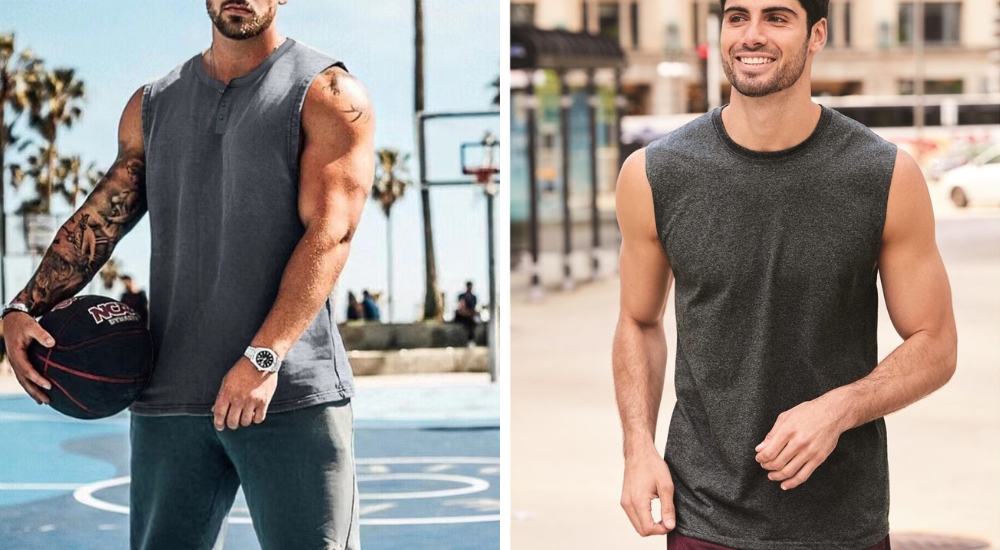
A tank top is a sleeveless, collarless shirt. It covers the chest and back but leaves the shoulders and arms exposed. The armholes are wide, and the neckline is usually round or scooped. Tank tops are worn by both men and women and are popular for casual, sports, and fashion purposes.
Tank tops are usually made from cotton, polyester, or blends of these materials. They are lightweight and designed to keep you cool in warm weather or during physical activity. You will often see people wearing tank tops at the gym, at the beach, or layered under other clothes.
What makes tank tops unique is their versatility. Some tank tops are plain and simple. Others have bright colors, logos, or sporty designs. Tank tops can be tight-fitting or loose and flowy. They can be worn as outerwear or as an underlayer.
What Is A Vest?
The word vest means different things in different places. In British English, a vest is an undergarment, similar to what Americans call an "undershirt." It is worn next to the skin, under shirts or sweaters, to provide an extra layer of warmth or to absorb sweat.
In American English, "vest" usually means a sleeveless outer garment, often worn over a shirt. This type of vest is also known as a waistcoat, especially when it is part of a suit.
In this article, we are focusing on the vest as an undergarment (the British meaning), because that is where the confusion with tank tops usually happens.
A typical vest is sleeveless, has a high neckline, and is made of soft, thin fabric like cotton. It is designed to be invisible under other clothes. Vests are usually white or light-colored, and they fit snugly to the body.
They are not meant to be seen as outerwear.
Key Differences At A Glance
Many people mix up tank tops and vests because they look similar. But when you compare them side by side, the differences become clear. The table below highlights the main distinctions.
| Feature | Tank Top | Vest (Undergarment) |
|---|---|---|
| Purpose | Casual wear, sports, fashion | Undergarment, warmth, sweat absorption |
| Common Fabric | Cotton, polyester, blends | Thin cotton, sometimes modal |
| Design | Wide range: loose, fitted, many colors | Simple, plain, usually white |
| Visibility | Worn as outerwear or under layer | Worn under clothes, not meant to show |
| Neckline | Low, scoop, or round | High and round |
| Target Audience | Men and women | Mainly men, but also women and children |
History And Origins
Tank Top
The tank top gets its name from "tank suits," which were one-piece bathing suits worn in swimming pools called "tanks." Over time, the top part of the suit became a separate garment. The tank top became popular for athletic events, especially track and field.
Later, the tank top became a fashion item. It was used for its comfort and as a way to show off the arms and shoulders. Now, tank tops are common in both men's and women's wardrobes.
Vest
The vest as an undergarment has a long history. In colder countries, people wore vests under their main clothes to stay warm. These vests were simple, soft, and close-fitting. The word "vest" comes from a French word meaning "garment."
In the United States, the outerwear version of the vest became part of formal wear, like the three-piece suit. But the British version stayed as an undergarment for daily use.
Differences In Design And Style
Neckline And Armholes
One of the easiest ways to tell a tank top from a vest is the neckline.
- Tank tops usually have a lower neckline. This can be a scoop neck, round neck, or even a V-neck. The armholes are often bigger to allow for more movement.
- Vests have a higher, round neckline. The armholes are smaller and fit closer to the body.
Fabric And Material
- Tank tops are made from a wider range of fabrics. Some are made from technical fabrics for sports, which wick away sweat. Others are made from soft cotton for comfort or even from synthetic materials for fashion.
- Vests are almost always made from thin, soft cotton or similar materials. They are designed to be comfortable against the skin and to absorb moisture.
Fit And Cut
- Tank tops can be tight or loose. Some are designed to show off the body, while others are relaxed for casual wear. The length can also vary: Some reach the hips, others stop at the waist.
- Vests are always tight-fitting. They are meant to be invisible under other clothing. The length is usually enough to tuck into trousers.
Colors And Patterns
- Tank tops come in every color and pattern you can imagine. Bright colors, stripes, logos, and graphics are all common.
- Vests are usually plain white, grey, or beige. They rarely have any decoration.
Regional Language Differences
Understanding what people mean when they say "vest" or "tank top" depends on where you are.
- In the UK, India, Australia, and South Africa, a "vest" is what Americans call an "undershirt."
- In the US and Canada, a "vest" is an outer garment, often part of a suit.
- "Tank top" is understood in most English-speaking countries as a sleeveless outer shirt.
This difference in terms can cause confusion for travelers and shoppers. For example, if you ask for a "vest" in a British store, you will get an undergarment, not a suit accessory.
Uses And Occasions
When To Wear A Tank Top
Tank tops are suitable for:
- Exercise and sports: The open design keeps you cool and lets your arms move freely.
- Casual outings: In hot weather, tank tops are comfortable and stylish.
- Layering: Some people wear tank tops under shirts or jackets for an extra layer.
- Sleepwear: Many people use loose tank tops as pajamas.
- Beachwear: Tank tops are easy to wear over swimwear.
When To Wear A Vest
Vests (as undergarments) are used for:
- Warmth: In cold climates, vests add an extra layer to keep your core warm.
- Sweat absorption: Vests can help protect outer clothes from sweat.
- Modesty: Some people wear vests to cover the body under thin or light shirts.
- Uniform requirements: Some schools and workplaces require vests as part of the dress code.
Fashion And Social Meanings
Tank Tops In Fashion
Tank tops have become a strong part of modern fashion. They are used to show off the arms and shoulders. Many athletes and bodybuilders wear tank tops to display their muscles.
Tank tops are also a symbol of casual and relaxed style. In some places, tank tops with bright patterns or slogans are part of youth culture.
Vests In Fashion
As undergarments, vests are not usually seen as fashion items. Their main purpose is practical: comfort, warmth, and sweat control. However, some brands now make stylish vests with a better fit or special materials for comfort.
Social Perceptions
In some cultures, wearing a tank top in public is seen as too casual or even rude. In others, it is completely normal. Vests, being undergarments, are almost never seen in public.

Credit: www.youtube.com
Detailed Comparison: Tank Top Vs Vest
For a deeper understanding, let's compare tank tops and vests across several important points.
| Aspect | Tank Top | Vest (Undergarment) |
|---|---|---|
| Purpose | Fashion, sports, casual wear | Warmth, sweat absorption, modesty |
| Visibility | Can be worn alone or layered | Not meant to be seen |
| Fit | Loose or tight | Always tight-fitting |
| Style options | Wide variety | Very limited |
| Target group | All genders | Mainly men, but also women and kids |
| Material | Many types: cotton, polyester, blends | Usually 100% cotton |
| Neck shape | Low, scoop, V, round | High, round |
| Color | All colors and prints | Mostly white or light |
| Price range | Wide, can be cheap or expensive | Generally inexpensive |
Functionality In Sports And Activities
Tank Tops For Sports
Tank tops are very common in sports like:
- Basketball
- Track and field
- Weightlifting
- Running
- Tennis
Why? Because tank tops allow maximum arm movement and keep the body cool. Sports tank tops often use special fabrics that dry quickly and reduce odor.
Vests For Daily Comfort
Vests are not used as sportswear. Their main function is to keep you dry and comfortable under your regular clothes. In hot countries, thin vests can prevent sweat stains. In cold countries, thicker vests help trap body heat.

Credit: pomp.store
Gender And Age Differences
For Men
- Tank tops: Popular in gyms, sports, and casual summer wear.
- Vests: Common as everyday undergarments, especially with formal shirts.
For Women
- Tank tops: Very popular as summer tops, workout wear, and fashion layering pieces. Women's tank tops often have narrower straps or special designs.
- Vests: Some women wear vests under blouses or dresses for extra coverage or warmth, but not as commonly as men.
For Children
- Both tank tops and vests are available for children. Tank tops are often used as play clothes or sleepwear. Vests are used for warmth and comfort, especially in school uniforms.
How To Choose: Tank Top Or Vest?
Choosing between a tank top and a vest depends on your needs.
Consider The Purpose
- If you want a top for sports, the gym, or casual wear, choose a tank top.
- If you need an underlayer for warmth, comfort, or sweat control, choose a vest.
Look At The Climate
- In hot weather, both can help keep you cool, but a tank top can be worn alone.
- In cold weather, a vest adds warmth under other clothes.
Style Preferences
- If you care about color, design, or fashion, go for a tank top.
- For invisible comfort, pick a vest.
Body Type And Fit
- Tank tops come in many fits. Try different styles to see what flatters your shape.
- Vests should be close-fitting but not too tight. They should cover your torso without rolling up.
Activity Level
- For physical activity, choose technical tank tops with sweat-wicking properties.
- For office or formal situations, a vest under your shirt can keep you comfortable all day.
Credit: merchize.com
Care And Maintenance
Washing
- Tank tops: Most are machine washable. Bright colors should be washed separately to prevent bleeding.
- Vests: Also machine washable. Use gentle detergents to protect the fabric.
Drying
- Both tank tops and vests dry quickly. Air drying helps prevent shrinking.
Longevity
- Tank tops made from high-quality materials can last a long time, especially those for sports.
- Vests, being thin, may need to be replaced more often as they wear out from regular washing.
Mistakes Beginners Make
Even though tank tops and vests seem simple, beginners often make these mistakes:
- Wearing a vest as outerwear: In many cultures, vests are undergarments. Wearing them alone in public can look strange or inappropriate.
- Choosing the wrong fit: Tank tops that are too loose or too tight can look unflattering. Vests that are too loose won’t work as underlayers.
- Mixing up terms when shopping online: Because "vest" means different things in different countries, always check pictures and descriptions before buying.
- Ignoring fabric type: For exercise, always choose tank tops with moisture-wicking properties. For daily use, pure cotton is best for comfort.
- Not considering transparency: Some tank tops are made from thin materials and can be see-through. Always check if you need to layer or pick a thicker material.
Non-obvious Insights
- Layering strategy: Many stylish people use tank tops as a layering piece under open shirts, denim jackets, or cardigans. This adds dimension to an outfit and lets you adjust for temperature changes.
- Vest as a sweat protector: In professional settings, wearing a vest can protect expensive shirts from sweat stains, extending the life of your wardrobe.
- Tank top strap width: The width of the straps on a tank top can change the look. Thin "spaghetti straps" are common in women’s fashion. Wide straps are more common in sports or men’s tank tops.
- Sensitive skin: If you have sensitive skin, 100% cotton vests are less likely to cause irritation compared to synthetic tank tops.
- Cultural respect: In some conservative cultures, tank tops may not be considered appropriate for public wear. Always check local norms when traveling.
How To Style Tank Tops And Vests
Styling Tank Tops
- With jeans or shorts: For a casual look, pair a tank top with denim shorts or jeans.
- Under a blazer or jacket: For smart-casual style, wear a plain tank top under a blazer.
- With skirts or trousers: Women can style tank tops with skirts for a feminine look.
- Layered with shirts: An open button-down shirt with a tank top underneath is a classic style.
Styling Vests
- Invisible under shirts: The best way to wear a vest is so that it does not show through your shirt.
- Under sweaters: For extra warmth in winter, vests are useful under sweaters or hoodies.
- As sleepwear: Some people use old vests as comfortable sleep tops.
Popular Brands And Price Range
Tank Tops
Many sports and fashion brands sell tank tops. Prices can range from budget options to expensive designer pieces.
- Affordable brands: H&M, Uniqlo, Hanes
- Sports brands: Nike, Adidas, Under Armour
- Designer brands: Calvin Klein, Tommy Hilfiger
Vests
Vests are usually sold by brands that specialize in underwear or basics.
- Affordable brands: Fruit of the Loom, Jockey, Hanes
- Premium brands: Marks & Spencer, Calvin Klein
Prices for vests are usually lower than for tank tops, since they are basic items.
Sustainability And Environmental Impact
Both tank tops and vests can have environmental impacts, depending on the material used.
- Cotton uses a lot of water to grow, but is biodegradable.
- Synthetic materials (like polyester) are made from petroleum and can take a long time to decompose.
Look for tank tops and vests made from organic cotton, recycled materials, or brands with fair labor practices if sustainability is important to you.
For more information on sustainable clothing, you can visit the Sustainable Fashion Wikipedia page.
Tank Top And Vest In Pop Culture
Tank tops have appeared in many movies and music videos. Celebrities and athletes often wear them, making them trendy. The "muscle shirt" or "athletic tank" is a symbol of strength and fitness.
Vests, as undergarments, are less visible in popular culture but often appear in scenes showing daily life, especially in British or Indian films.
Frequently Asked Questions
What Are The Main Differences Between A Tank Top And A Vest?
A tank top is a sleeveless outerwear shirt, often with a low neckline and wide armholes, worn for casual style, sports, or layering. A vest (as an undergarment) is a snug, high-necked sleeveless shirt worn under other clothes for warmth or sweat absorption.
Tank tops come in many colors and styles, while vests are usually plain and meant to be invisible.
Can You Wear A Vest As A Tank Top?
In most cultures, especially in the UK and India, vests are considered undergarments and not suitable as outerwear. In some casual or home settings, people may wear vests alone, but it is not common in public.
Is A Tank Top The Same As An Undershirt?
No. An undershirt (or vest in British English) is designed to be worn under other clothes for comfort or warmth. A tank top is designed to be worn as outerwear or for sports. The fit, fabric, and style are different.
Why Do People Wear Vests Under Their Shirts?
People wear vests under their shirts to absorb sweat, add warmth, and make outer clothes more comfortable. Vests can also prevent sweat stains on shirts and help keep formal clothes looking neat.
How Do I Choose Between A Tank Top And A Vest?
Choose a tank top if you want something stylish for sports, casual wear, or layering. Choose a vest if you need an underlayer for warmth, sweat control, or comfort under formal clothes. Always consider your climate, personal style, and the occasion.
Wearing the right garment can make a big difference in comfort, style, and confidence. Now that you know the real differences between tank tops and vests, you can shop and dress with confidence, no matter where you are in the world.
