

What is the Difference Between Sportswear and Activewear Explained
What Is The Difference Between Sportswear And Activewear
Whether you are shopping for gym clothes, browsing fashion magazines, or searching for comfortable clothing for your daily routine, you will see the words sportswear and activewear everywhere. Many people think these terms mean the same thing. But they do not. Understanding the difference can help you pick the right clothing for your activity, comfort, and personal style. This guide explains everything you need to know in simple language, so you always choose the best option.
Understanding The Core Meaning
At first glance, sportswear and activewear may look similar. Both are designed for movement, comfort, and sometimes style. However, their main purposes are quite different.
Sportswear is clothing made mainly for sporting activities. These are items designed to improve performance, offer safety, and sometimes follow strict rules for a particular sport. Think of the uniform you wear when playing football, the shirt for tennis, or the swimsuit for swimming. Every detail, from the fabric to the fit, is created to help you play your best.
Activewear, on the other hand, focuses on comfort, flexibility, and versatility. It is made for both exercise and daily activities. You can wear activewear to the gym and then continue with shopping, meeting friends, or relaxing at home. It often blends fashion with function, giving you more ways to use each item.
Sportswear: Purpose And Features
What Makes Sportswear Unique?
Sportswear is not just about comfort. It is built for specific sports or physical activities. For example, a runner’s outfit is different from a basketball player’s. This is because each sport needs certain features in clothing.
- Performance-driven: Every piece is designed to help athletes move better, stay cool or warm, and avoid injuries.
- Sport-specific: Each sport has its own requirements. For example, soccer jerseys use lightweight, sweat-wicking materials, while wrestling singlets are tight to prevent grabbing.
- Regulated: Many sports have rules for clothing colors, styles, and even the placement of logos.
- Team Identification: Uniforms often show the team name, country, or club, which is important for competitions.
Examples Of Sportswear
Here are some common sportswear items:
- Football jerseys and shorts: Lightweight, breathable, and often numbered for player identification.
- Basketball uniforms: Sleeveless shirts and loose shorts for maximum arm and leg movement.
- Tennis skirts and polos: Designed for quick movement and temperature control.
- Cricket whites: Full-sleeve shirts and trousers in white, following tradition and sport rules.
- Swimsuits: Streamlined and tight-fitting to reduce drag in water.
- Running spikes: Shoes with special soles for grip on tracks.
- Cycling kits: Close-fitting tops and padded shorts for comfort and speed.
- Martial arts gis: Heavy fabric for durability and grip.
- Golf attire: Collared shirts and trousers or shorts, often in muted colors.
- Baseball caps and gloves: For sun protection and grip.
Sportswear is built for performance first. Fashion comes second, if at all.
Activewear: The Flexible Approach
What Sets Activewear Apart?
Activewear is all about versatility. These clothes are made to handle both movement and daily life. People choose activewear not just for exercise but also for comfort and style in everyday activities.
- Multi-purpose: You can wear activewear during workouts, yoga classes, or just for a walk in the park.
- Fashion-forward: Activewear often follows fashion trends, with bold colors, patterns, and stylish fits.
- Comfort: Soft fabrics, stretchy materials, and relaxed fits make activewear perfect for wearing all day.
- Layering: Many activewear items are designed to be layered, making them suitable for changing weather or activities.
- Easy care: Most activewear is machine washable and dries quickly.
Popular Activewear Pieces
People love these activewear essentials:
- Yoga pants and leggings: Stretchy, comfortable, and stylish for both exercise and daily wear.
- Athletic hoodies: Soft and warm, great for warming up or running errands.
- Sports bras: Supportive for workouts but comfortable enough for all-day use.
- Jogger pants: Relaxed fit, often with a tapered ankle for a modern look.
- T-shirts and tanks: Made from cotton blends or technical fabrics for breathability.
- Sneakers: Designed for walking, gym, or casual use.
- Track jackets: Lightweight, easy to layer, and fashionable.
- Compression tops: Can be worn alone or under other clothes for support.
- Shorts: Loose or fitted, often with pockets for convenience.
- Base layers: Thin shirts or tights for extra warmth or moisture control.
Activewear is about blending function, comfort, and style.
Comparing Sportswear And Activewear
To make things clearer, let’s look at a side-by-side comparison.
| Feature | Sportswear | Activewear |
|---|---|---|
| Main Purpose | Specific sports performance | Exercise & daily activities |
| Design Focus | Function for one sport | Versatility & fashion |
| Fashion Trend | Less important | Very important |
| Regulations | Strict (team, rules) | Few or none |
| Materials | High-tech, performance | Comfort, stretch, style |
| Examples | Football kits, swimsuits | Leggings, hoodies |
Materials And Technology
Sportswear Fabrics
Sportswear uses specialized materials designed for peak performance. You will find:
- Moisture-wicking fabrics: These pull sweat away from your skin, keeping you dry.
- Compression textiles: Support muscles and reduce fatigue.
- UV-protection layers: For outdoor sports, some shirts block harmful rays.
- Mesh panels: Improve airflow in hot conditions.
- Reinforced seams: Add durability in high-stress areas.
- Lightweight fibers: Reduce weight for speed and ease of movement.
A good example is a football jersey made from polyester with mesh zones under the arms. This keeps players cool during intense matches.
Activewear Fabrics
Activewear focuses on comfort and all-day wear. The most common materials are:
- Cotton blends: Soft and gentle on skin, but less moisture control.
- Spandex (elastane): Adds stretch for freedom of movement.
- Polyester: Used for lightness and quick drying.
- Fleece: For warmth in hoodies and jackets.
- Modal and bamboo: Eco-friendly, smooth, and naturally breathable.
Some activewear also uses performance fabrics, but usually with a focus on softness and stretch, not just technical features.
Technology In Both Categories
Both sportswear and activewear have seen big advances in clothing technology. For example:
- Seamless construction: Reduces chafing and increases comfort.
- Anti-odor treatments: Controls bacteria that cause smell.
- Reflective details: Adds safety for night running or cycling.
- Thermal regulation: Some fabrics help keep you cool or warm as needed.
However, sportswear often gets the newest innovations first, since athletes need every advantage.
Where And When To Wear Each
Knowing the right context for sportswear and activewear helps you avoid common mistakes.
Sportswear Situations
- During games or official practice: Sportswear is almost always required.
- Competitions and tournaments: Uniforms, team colors, and sport-specific gear are a must.
- Sport-specific training: For example, wearing a cycling kit on long rides.
Wearing sportswear outside these situations can look out of place. For example, a football jersey at a formal event would not be suitable.
Activewear Situations
- Casual exercise: Jogging, walking, or stretching.
- Everyday activities: Shopping, school runs, or coffee with friends.
- Travel and relaxation: Airports, road trips, or home wear.
- Outdoor adventures: Hiking or casual sports.
Activewear is accepted almost everywhere casual clothing is allowed. It is the go-to choice for those who want to look sporty and feel comfortable all day.
Fashion Trends And Social Influence
The rise of athleisure is a good example of how activewear changed the fashion world. Athleisure means you can wear sporty clothes for both fitness and fashion. Many celebrities and influencers have made leggings, sneakers, and hoodies everyday style essentials.
Sportswear, meanwhile, sometimes crosses into fashion too. Retro basketball jerseys or vintage tracksuits can become trendy. But most sportswear remains tied to its original activity.
A good way to understand this: activewear often leads to new fashion trends, while sportswear only does so when a sport becomes part of popular culture.
Durability And Care
Sportswear Durability
Sportswear is built for tough use. It must survive sweat, dirt, stretching, and sometimes even tackles or falls. As a result:
- High durability: Reinforced in key places, tough materials.
- Special cleaning: Some items need gentle washing or air drying to last longer.
- Colorfastness: Designed so colors don’t fade after many washes.
Activewear Durability
Activewear is made for frequent use, but not always heavy stress. Most pieces are:
- Easy to wash: Machine washable, dries quickly.
- Less heavy-duty: Not meant for rough play, but strong enough for daily life.
- Softness: Prioritizes comfort, which can mean less durability in some cases.
Price Differences
Price is another area where sportswear and activewear separate.
Sportswear Costs
- Higher price for technology: The latest materials and sport-specific designs can cost more.
- Team and branding fees: Official uniforms or shoes can be expensive because of licensing.
- Replacement cost: Sportswear often needs replacing after a season or two due to wear and tear.
Activewear Costs
- Wide price range: From budget-friendly to high-end designer brands.
- Fashion-driven: Some items cost more because of style, not technology.
- Longer lifespan: If cared for, activewear can last for years since it faces less stress.
Shopping Tips: How To Choose Wisely
Many shoppers confuse sportswear and activewear while buying. Here’s how to avoid mistakes:
- Identify your need. Are you training for a marathon or just looking for comfy clothes to wear all day?
- Check the material. Sportswear will focus on performance fabrics; activewear will feel softer or stretchier.
- Try the fit. Sportswear is often tighter or more tailored for the sport, while activewear tends to be relaxed.
- Look for regulations. If you need gear for a team or event, make sure it meets the requirements.
- Think about style. If you want to wear it outside the gym, activewear offers more fashionable options.
A common beginner mistake is buying expensive sportswear for daily wear. Sportswear can feel stiff or look odd outside its intended sport. Choose activewear for casual comfort.

Credit: megasportsapparel.com
Psychological And Social Aspects
Clothing affects how you feel and how others see you. Wearing sportswear can boost confidence during competition. Uniforms build team spirit and make athletes feel part of something bigger. They also signal seriousness and commitment to the sport.
Activewear, on the other hand, helps you feel comfortable and ready for anything. It can motivate you to be more active, since you’re already dressed for movement. In social settings, activewear signals a relaxed, healthy lifestyle.
Non-obvious insight: Some people report that changing into sportswear before a game “switches on” their competitive mindset. Meanwhile, wearing activewear during the day makes it easier to fit in quick exercise, since you don’t need to change clothes.
Environmental Impact
With more people buying both sportswear and activewear, sustainability is a growing concern.
- Sportswear: The focus on performance often means using synthetic fibers like polyester, which are not biodegradable. Some brands are now using recycled materials, but these are still less common.
- Activewear: There is a bigger trend toward eco-friendly materials, such as organic cotton, bamboo, or recycled polyester. Some activewear brands focus on reducing water use and pollution.
If you care about the environment, look for certifications or information about sustainable practices before buying.
Brand Positioning And Marketing
Brands use different strategies to sell sportswear and activewear.
- Sportswear brands usually partner with athletes or teams. They use slogans about performance, victory, and records.
- Activewear brands often show regular people doing yoga, jogging, or just relaxing. Their messages are about healthy living, comfort, and style.
Watch out for marketing tricks. Some brands use “sportswear” and “activewear” to mean the same thing, but the product is really just fashionable clothing.
Gender And Age Differences
Sportswear is often divided by gender due to sport rules or fit needs. For example, women’s tennis skirts are different from men’s tennis shorts. Kids’ sportswear is often more durable and easier to clean.
Activewear is more unisex. Many brands offer “gender-neutral” leggings, sweatshirts, and jackets. Activewear is also popular among all age groups, from children to seniors.
Common Mistakes People Make
- Wearing sportswear for fashion only: A football jersey looks out of place at a party.
- Choosing the wrong fabric: Wearing a cotton T-shirt for running can lead to discomfort.
- Ignoring care instructions: Washing sportswear with harsh chemicals can ruin its performance.
- Buying based on looks only: Stylish activewear may not offer the support you need for intense workouts.
- Not checking fit: Poorly fitted sportswear can cause injuries or restrict movement.
Real-life Scenarios
- A gym session: You can wear activewear or sportswear, but activewear is more comfortable for mixed activities.
- A football match: Only sportswear is suitable, as teams require uniforms and the right shoes.
- A yoga class: Activewear is the best choice for flexibility and comfort.
- A shopping trip: Activewear fits in, while sportswear can look odd unless it’s a fashion piece.
Celebrity Influence
Many celebrities have launched their own activewear brands. This has made leggings, crop tops, and hoodies cool for everyone, not just athletes. Some famous athletes also promote sportswear brands, showing how performance and style can mix.
Psychological Benefits
Another non-obvious insight: Wearing activewear can actually encourage you to move more. This “enclothed cognition” effect means your clothes can change your mindset and behavior. When you wear activewear, you are more likely to take the stairs, walk to lunch, or stretch during a break.

Credit: www.youtube.com
The Future Of Sportswear And Activewear
Expect more overlap in the future. New materials are making sportswear softer and more stylish. Activewear is getting more technical, with better sweat control and support.
Smart clothing is also on the rise. Some items can track your heart rate, movement, or even correct your posture. Brands will continue to mix comfort, performance, and technology to win new fans.
For more on the evolution of sportswear and activewear, check this Wikipedia article on sportswear fashion.
Quick Reference: When To Choose Which
| Activity | Best Choice | Why |
|---|---|---|
| Soccer match | Sportswear | Meets sport rules and improves performance |
| Yoga class | Activewear | Comfort and stretch needed |
| Running errands | Activewear | Casual, stylish, and comfortable |
| Swimming competition | Sportswear | Designed for water performance |
| Cycling tour | Sportswear | Padded, aerodynamic, and protective |
| Home workout | Activewear | Flexible and easy to move in |
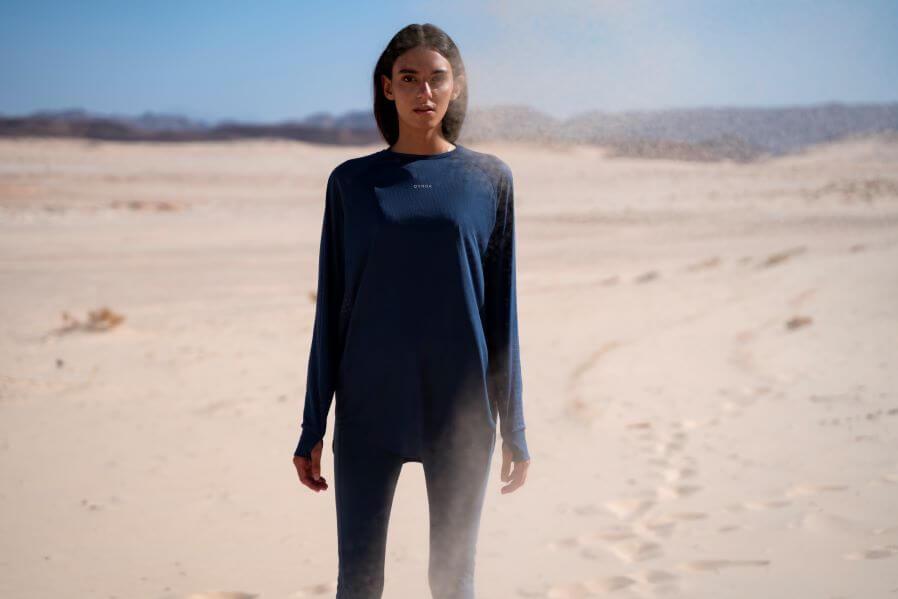
Credit: qynda.com
Frequently Asked Questions
What Is The Main Difference Between Sportswear And Activewear?
The main difference is purpose. Sportswear is made for specific sports and follows strict design and performance rules. Activewear is for general exercise and daily activities, focusing on comfort, flexibility, and style.
Can I Wear Activewear For Sports Competitions?
Usually, no. Sports competitions require sport-specific gear. Activewear may not meet regulations or provide the support you need. Use sportswear for official events and activewear for casual activities.
Is Activewear Always More Comfortable Than Sportswear?
Not always. Activewear is often softer and stretchier for all-day wear, but sportswear can be more comfortable during intense activity because it is designed for that sport’s needs.
Does Sportswear Last Longer Than Activewear?
Sportswear is built for tough use but may wear out faster if used daily, especially after many washes. Activewear can last longer with gentle use, but might not survive rough sports.
Are There Eco-friendly Options For Sportswear And Activewear?
Yes. Many brands now use recycled fibers and eco-friendly materials, especially in activewear. Sportswear is also seeing changes, but high performance is still the main focus. Always read labels to check for sustainable options.
Choosing between sportswear and activewear is not just about style. It’s about picking what works best for your activity, comfort, and lifestyle. Now, you can make smarter choices every time you shop or get ready to move.
