

What is the Difference between Sleeveless and Tank Top Explained
What Is The Difference Between Sleeveless And Tank Top
Sleeveless shirts and tank tops are everywhere—from fashion runways to local gyms, from hot summer days to intense workout sessions. Many people use these terms as if they mean the same thing. If you visit a clothing store or shop online, you will see both words used in product names, descriptions, and even in reviews. But are they actually the same? Or are there important differences between sleeveless shirts and tank tops that you should know before buying or wearing one?
Understanding the difference is not just about style or vocabulary. It affects comfort, fashion choices, and even how you are seen in different situations. People often buy the wrong type of shirt simply because they do not know what makes a sleeveless shirt different from a tank top.
This confusion can lead to awkward outfits, wasted money, and missed opportunities to feel good in what you wear.
In this article, you will discover the real differences, similarities, and unique features of sleeveless shirts and tank tops. You will also learn about their histories, cultural meanings, and how to choose the right one for your needs. By the end, you will be able to explain to anyone exactly why these two terms are not always interchangeable.
Defining Sleeveless Shirts
A sleeveless shirt is any shirt that does not have sleeves covering the shoulders or arms. This is the most basic definition, but there is much more to it. Sleeveless shirts come in many shapes, styles, and fabrics. Some are formal, some are casual, and some are designed for sports.
Key Features
- No sleeves: The armholes are cut off at the shoulder or just below.
- Variety of necklines: Crew neck, V-neck, collared, or scoop neck.
- Different fits: Loose, tight, cropped, or long.
- Multiple fabrics: Cotton, polyester, silk, linen, or blends.
- Gender-neutral: Worn by all genders, though styles can differ.
Common Types
- Sleeveless T-shirts: These look like regular T-shirts without sleeves.
- Dress shirts without sleeves: Common in women’s office wear.
- Athletic sleeveless shirts: Used for sports; often made of quick-dry fabric.
- Casual tops: Everyday wear, available in many colors and designs.
Where You See Sleeveless Shirts
- Gyms and sports: Worn for freedom of movement.
- Offices: Women’s blouses and tops.
- Summer fashion: Designed for hot weather.
Non-obvious insight: Not all sleeveless shirts are tank tops, but all tank tops are a form of sleeveless shirt. This is a common point of confusion.
What Is A Tank Top?
A tank top is a special type of sleeveless shirt. It has a unique cut and is usually more casual and sporty. The name “tank top” comes from “tank suits,” which were one-piece swimsuits worn in swimming pools (“tanks”). Over time, the top part of that suit became popular as a standalone shirt.
Core Features
- Wide armholes: Larger than regular sleeveless shirts.
- Straps: Usually two shoulder straps, not sleeves. Straps vary in width.
- No collar: Simple neckline, often rounded or slightly scooped.
- Straight or racerback: Some have a straight back, others a “racerback” shape.
- Fitted or loose: Both styles exist, but fitted is more common.
Common Types Of Tank Tops
- Basic tank tops: Everyday wear, simple design.
- Athletic/racerback tank tops: Designed for sports, with a special back cut.
- Muscle tanks: Wider armholes, often worn by athletes.
- Camisoles: Thin straps, often used as innerwear or sleepwear.
- Fashion tank tops: Decorated with prints, lace, or patterns.
Where Tank Tops Are Popular
- Gyms: For weightlifting or running.
- Casual outings: Paired with shorts or jeans.
- Layering: Worn under shirts or jackets for extra style or comfort.
- Beachwear: Common at pools and beaches.
Non-obvious insight: The width of the straps and the cut of the armholes are the main physical features that separate tank tops from other sleeveless shirts.
Historical Origins And Evolution
Knowing the history of sleeveless shirts and tank tops helps explain why they are different today.
Sleeveless Shirts: A Brief History
Sleeveless clothing goes back to ancient times. People in hot climates wore sleeveless tunics or robes for comfort. In modern times, sleeveless shirts became part of military uniforms, sportswear, and women’s fashion. The style changed with trends, but the main idea stayed the same: keep the arms free and stay cool.
In the business world, sleeveless blouses for women became popular as workwear. In sports, sleeveless shirts helped athletes move better. Over time, designers started using new fabrics and shapes.
Tank Tops: From Swimwear To Street Style
Tank tops have a more specific history. The original design was part of the swimsuit used in swimming pools. The “tank suit” was sleeveless, with straps over the shoulders. Later, people started wearing just the top part as clothing, especially in the gym or at home.
As fitness culture grew, the tank top became a symbol of health and strength. In movies and pop culture, tank tops became a sign of confidence and a relaxed attitude. Today, tank tops are seen in fashion shows and on city streets worldwide.
Cultural note: In some countries, tank tops are considered casual or even too revealing, while in others they are seen as fashionable or sporty.
Physical Differences: Shape, Cut, And Style
The way a shirt is cut and sewn makes a big difference in how it looks and feels. Let’s compare the main physical features of sleeveless shirts and tank tops.
| Feature | Sleeveless Shirt | Tank Top |
|---|---|---|
| Armhole Size | Moderate to small | Usually large |
| Strap Width | Wide, covers shoulder | Narrow or wide, but always straps |
| Neckline | Variety: crew, V-neck, collared | Usually round or scoop |
| Back Style | Straight, like a regular shirt | Straight or racerback |
| Formality | Can be formal or casual | Mostly casual or athletic |
Armholes And Shoulders
Sleeveless shirts have armholes that are often the same size as regular T-shirts, just without the fabric of the sleeve. The shoulder area is usually wide, covering more skin. Tank tops, however, have deeper armholes and thinner shoulder straps. Some tank tops have straps as thin as spaghetti, while others are as wide as two fingers.
Necklines And Backs
A sleeveless shirt can have almost any neckline—a classic crew neck, a V-shape, or even a collar. The back usually looks like a standard shirt. Tank tops, on the other hand, almost always have a rounded or scooped neckline and no collar.
The back can be straight or designed in a “racerback” style, where the straps meet in the center to allow more movement, especially for athletes.
Fit And Fabric
Sleeveless shirts are available in both tight and loose fits. Formal sleeveless shirts, for example, are often made from silk, polyester, or cotton blends for a polished look. Tank tops are most often made from stretchy cotton or blends that hug the body, though loose versions exist.
Important detail: The fabric can sometimes hint at whether a top is a tank or just sleeveless. For example, mesh or technical fabric is often used in sports tank tops.
Usage In Fashion And Culture
Both sleeveless shirts and tank tops are worn by people of all ages and genders, but their role in fashion is different.
Sleeveless Shirts In Fashion
In women’s fashion, sleeveless blouses are a staple for office wear. These tops can be paired with blazers, skirts, or trousers. For men, sleeveless dress shirts are rare, but sleeveless T-shirts are common in casual or sports settings.
Sleeveless shirts are also used as uniforms in some jobs or sports, where movement is important, but a more professional look is needed.
Tank Tops: From Gym To Street
Tank tops are the go-to choice for gym workouts, running, or sports that require maximum arm movement. They are also popular as summer wear because they are light and cool. In recent years, designers have included tank tops in streetwear fashion, often with bold prints, logos, or unique cuts.
Some tank tops are meant to be seen, while others are used as innerwear under shirts or jackets. This makes them versatile, but the look is always more relaxed than a sleeveless shirt.
Cultural differences: In many Western countries, tank tops are normal in public places. In some Asian or Middle Eastern countries, wearing tank tops may be seen as too informal or not respectful in certain settings.
Gender, Age, And Body Type Considerations
Who wears sleeveless shirts? Who wears tank tops? And does it matter?
For Men
Men’s sleeveless shirts usually have a wider shoulder and a more traditional shirt shape. Tank tops for men tend to be fitted, showing more muscle or body shape. “Muscle tanks” are especially popular with bodybuilders because they show the arms and chest.
For Women
Women’s sleeveless shirts include a huge range—from formal blouses to casual tops. Women’s tank tops can be tight, loose, with thin spaghetti straps, or with wider straps. Camisoles (very thin-strapped tank tops) are also a common choice for women as underwear or sleepwear.
For Children
Both types are used for kids, but tank tops are more common for play and sports due to comfort and freedom of movement.
Body type tip: Sleeveless shirts with wider shoulders tend to flatter more body types, while tank tops highlight the arms and upper body. If you are self-conscious about your arms, you might prefer a sleeveless shirt over a tank top.
When To Wear Each Style
Choosing between a sleeveless shirt and a tank top depends on the situation, weather, and your personal style.
Sleeveless Shirt: Best For
- Office settings (for women)
- Semi-formal events
- Layering under jackets
- Sports that require a uniform look
- People who want more shoulder coverage
Tank Top: Best For
- Workouts and sports (running, weightlifting)
- Hot summer days
- Beachwear or poolside
- Layering under sheer shirts
- Casual, relaxed outings
Practical insight: If you are unsure what to wear for a new activity, check the dress code or look at what others are wearing. In some gyms, for example, tank tops may be required or not allowed for hygiene reasons.
Pros And Cons: Sleeveless Shirts Vs Tank Tops
Comparing the advantages and disadvantages of each style can help you make better choices.
| Aspect | Sleeveless Shirt | Tank Top |
|---|---|---|
| Comfort | Good, covers more shoulder | Excellent, maximum arm movement |
| Formality | Can be formal | Mostly casual |
| Style Options | Wide range, including business | Mostly sporty or casual |
| Layering | Easy to layer, adds polish | Good for under shirts, not alone in formal |
| Body Coverage | More coverage | Less coverage |
Pros Of Sleeveless Shirts
- Suitable for more occasions (including work)
- More styles and fabrics available
- Flattering for many body shapes
Cons Of Sleeveless Shirts
- Not as cool as tank tops in extreme heat
- Can feel restrictive compared to tank tops
Pros Of Tank Tops
- Great for sports and exercise
- Keeps you cool
- Easy to layer or wear alone
Cons Of Tank Tops
- Too casual for some settings
- May not suit all body types

Credit: www.blankstyle.com
How To Choose: Practical Tips
Selecting the right top means thinking about your needs, body shape, and the situation.
- Purpose: Ask yourself why you need the shirt. Is it for work, the gym, or a party?
- Fit: Try different fits. Loose sleeveless shirts are best for layering. Fitted tank tops are good for workouts.
- Fabric: For sports, choose quick-dry or moisture-wicking materials. For fashion, cotton, silk, or blends work well.
- Coverage: If you want to cover more shoulder or underarm, go for sleeveless shirts. If you want to show off muscles or stay cooler, choose a tank top.
- Dress code: Always consider where you are going. Some places do not allow tank tops.
Common mistake: Many buyers confuse a “muscle tank” with a regular sleeveless shirt. Always check the size of the armholes and width of the straps.
Care And Maintenance Differences
Taking care of sleeveless shirts and tank tops is usually simple, but there are small differences.
- Tank tops (especially sports types) may need to be washed in cold water and air-dried to keep their shape.
- Sleeveless shirts made of delicate fabrics (like silk or polyester blends) may require gentle washing or even dry cleaning.
Read the label before washing. Avoid hanging tank tops by the straps, as they can stretch out.
Extra tip: Many tank tops can be folded and packed tightly for travel, while sleeveless shirts may need to be hung to avoid wrinkles.
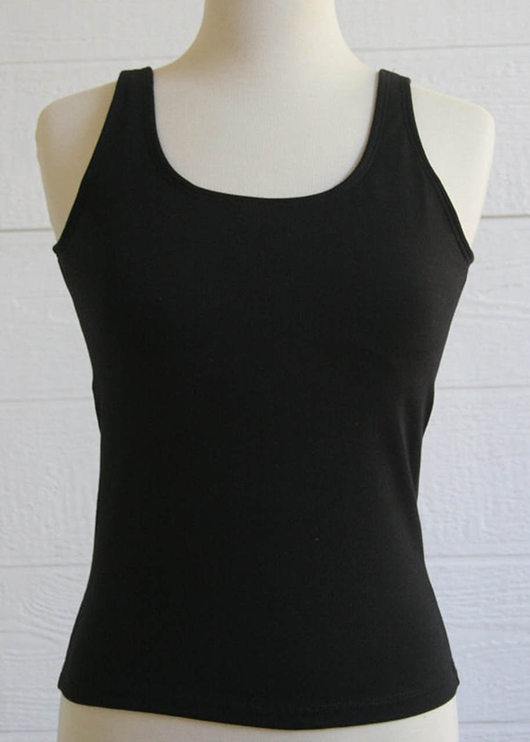
Credit: www.mastectomyshop.com
The Role Of Branding And Marketing
Brands often blur the line between sleeveless shirts and tank tops in their advertising. Some brands use “tank top” to mean any sleeveless shirt, while others are more precise. This can make online shopping confusing.
- Fashion brands may call a sleeveless blouse a “tank” if it has thin straps.
- Sportswear brands are more likely to use “tank top” for athletic wear and “sleeveless” for training shirts.
Shopper’s insight: Always look at product photos, not just names, to see the actual cut and style before you buy.
Global Trends And Regional Variations
Different countries have different names and uses for these tops.
- In the UK, a tank top can also mean a sleeveless sweater (knitwear), not a shirt.
- In Australia, the word “singlet” is often used for tank tops.
- In the US and many other countries, “tank top” always means a sleeveless, strap-style shirt.
Travel tip: If you are shopping abroad, clarify with the seller or try on the item to be sure.
Environmental And Ethical Considerations
The production of both sleeveless shirts and tank tops can impact the environment. Choosing organic cotton, recycled materials, or brands with ethical practices can make a difference.
- Fast fashion: Many cheap tank tops are made quickly and may not last long.
- Sustainable options: Look for tops made from recycled polyester or certified organic cotton.
If you want to learn more about sustainable clothing practices, you can visit Fashion Revolution.
Quick Reference: How To Tell Them Apart
Here’s a fast checklist for telling a sleeveless shirt from a tank top:
- Does it have straps? If yes, it’s a tank top.
- Is the shoulder covered? If yes, it’s a sleeveless shirt.
- Is it formal or sporty? Sleeveless shirts can be both; tank tops are mostly sporty or casual.
- How big are the armholes? Large usually means tank top.
- Does it have a collar? Sleeveless shirts sometimes do; tank tops almost never.

Credit: jetprintapp.com
Frequently Asked Questions
What Is The Main Difference Between A Sleeveless Shirt And A Tank Top?
The main difference is the shoulder design and armhole size. Sleeveless shirts cover the shoulder and have regular armholes, while tank tops have thin shoulder straps and larger armholes.
Can Men And Women Wear Both Sleeveless Shirts And Tank Tops?
Yes, both styles are unisex, but the cut, fit, and design may be different for men and women. Men’s tank tops are usually wider at the shoulder and looser, while women’s versions can be tighter or have thinner straps.
Are Tank Tops Appropriate For The Workplace?
Usually, tank tops are too casual for most workplaces. Sleeveless shirts, especially those made from formal fabrics, are often acceptable in business settings—mainly for women. Always check your company’s dress code.
Which Is Better For Sports—sleeveless Shirts Or Tank Tops?
For maximum movement and breathability, tank tops are usually better for sports. However, in some sports or gyms, sleeveless shirts may be required for modesty or uniformity.
How Do I Care For Tank Tops And Sleeveless Shirts?
Read the care label. Most tank tops can be machine washed in cold water and air-dried. Sleeveless shirts made from delicate fabrics may need gentle washing or dry cleaning. Avoid hanging by straps to prevent stretching.
---
Choosing between a sleeveless shirt and a tank top is not just about words—it’s about style, comfort, and the impression you want to make. Now that you understand the true differences, you can pick the right top for any event, weather, or personal style.
When in doubt, check the cut, fabric, and purpose, and you will always choose wisely.
