

What is the Difference Between Leggings and Workout Pants?
What Is The Difference Between Leggings And Workout Pants
When you walk into a clothing store or browse online, you see so many options for athletic wear. Two of the most popular choices are leggings and workout pants. People often mix up these terms, but they are actually quite different. Whether you want comfort for yoga, support for running, or style for casual outings, knowing the difference helps you make smarter choices. Let’s explore what sets leggings and workout pants apart, why each matters, and how to choose the best for your needs.
Understanding Leggings
Leggings are everywhere—from gyms to coffee shops to social media. They are slim, stretchy, and usually fit like a second skin. But what makes leggings unique?
Material And Construction
Leggings are made from stretchy fabrics like spandex, polyester, nylon, or blends of these. The main goal is to create a garment that hugs the body and allows for freedom of movement. Most leggings are seamless or have minimal seams, which makes them comfortable and reduces chafing. You’ll notice that leggings are thin compared to most workout pants, often with a thickness similar to tights.
Typical Uses
Leggings are not just for exercise. Many people wear them for everyday activities—shopping, lounging, or even work (with the right styling). In fitness, leggings are common for yoga, Pilates, dance, and low-impact workouts. They are also a favorite for layering under dresses or long tops.
Comfort And Fit
Leggings are known for their soft feel and snug fit. They move with your body, which is why they’re popular for stretching and flexibility exercises. You rarely see zippers, buttons, or snaps on leggings, so they’re easy to slip on and off.
Styles And Variations
You’ll find leggings in many styles:
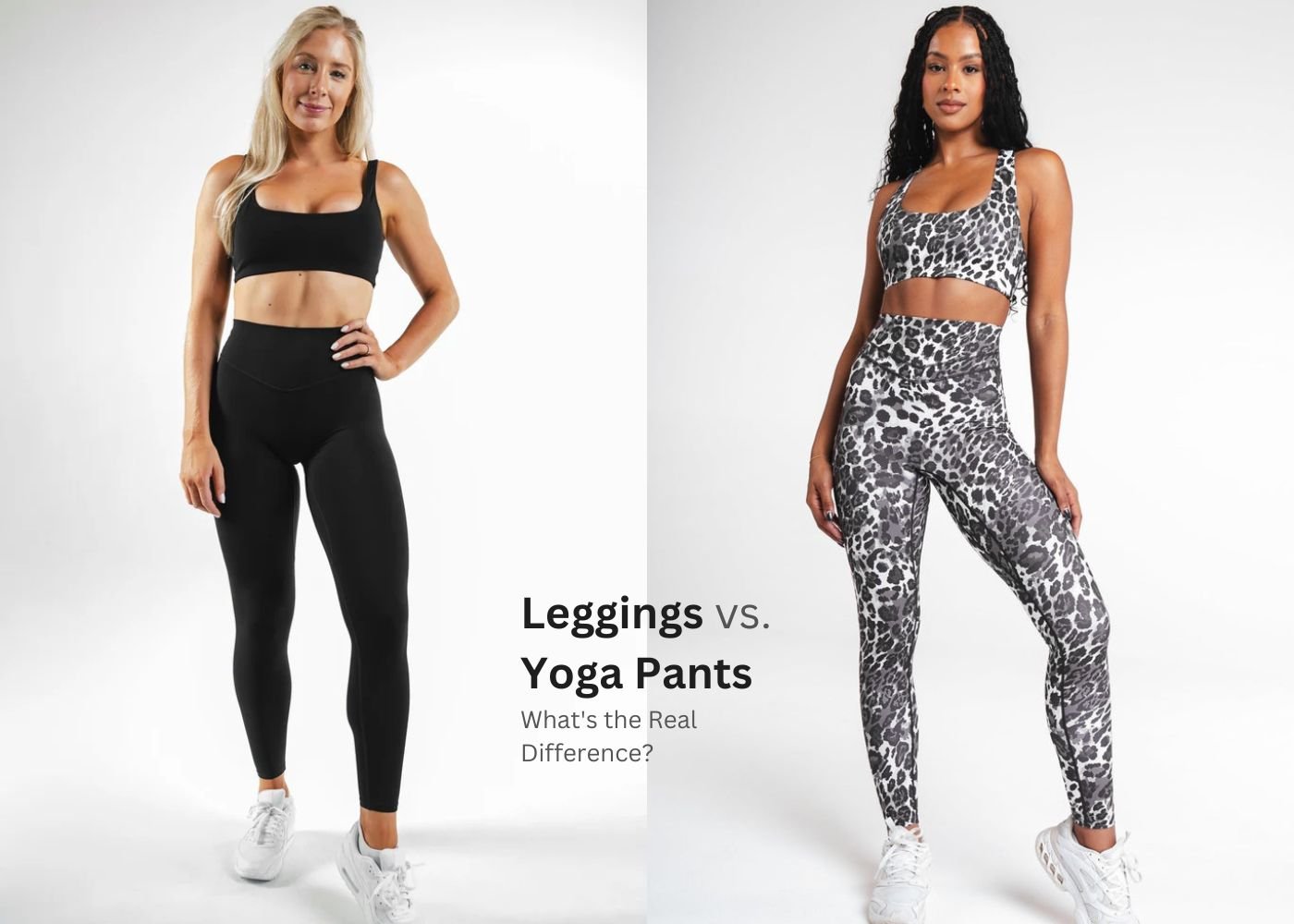
- High-waisted: Covers the belly, offering support and shaping.
- Capri length: Ends below the knee or mid-calf.
- Full-length: Goes to the ankle.
- Printed: Fun designs, patterns, and colors.
- Basic black: Always in demand for its versatility.
Some leggings are marketed as compression leggings, offering gentle support to muscles and helping with circulation during workouts.
What Are Workout Pants?
Workout pants are a broad category of athletic bottoms designed for physical activity. Unlike leggings, they are not always tight-fitting. This section covers what makes workout pants distinct.
Materials And Build
Workout pants use tougher, often thicker materials. Common fabrics include polyester, cotton, spandex, and technical blends. Many pants have panels for ventilation, reinforced seams, and special coatings to manage sweat.
They can come with zippers, drawstrings, pockets, or even mesh inserts. Compared to leggings, workout pants are less likely to be seamless.
Fit And Silhouette
Workout pants come in various fits:
- Loose fit: Roomy, often with straight or wide legs.
- Tapered fit: Narrow at the ankle, loose at the thigh.
- Slim fit: Close to the body but not as tight as leggings.
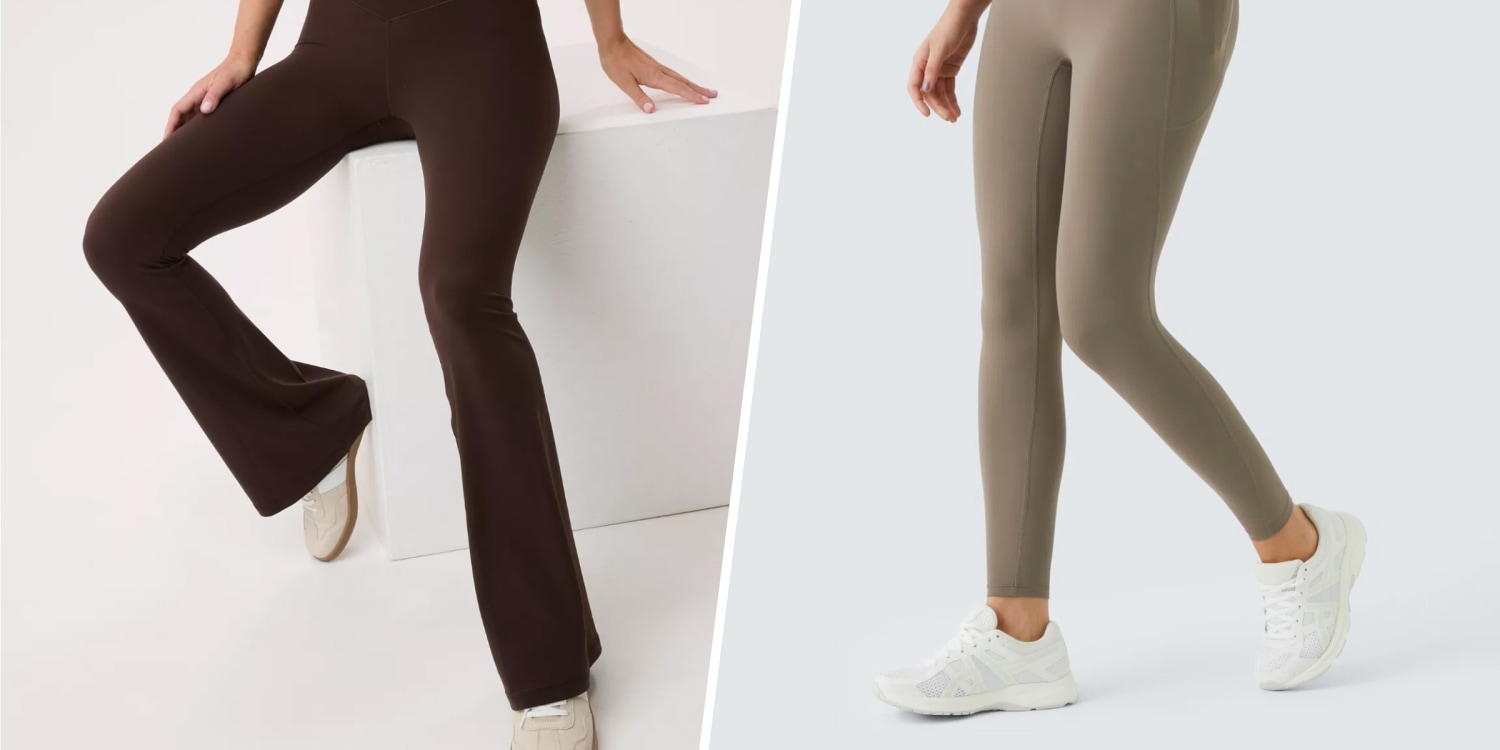
- Bootcut: Wider at the bottom, popular for yoga.
Some workout pants are called track pants, joggers, or sweatpants—each with its own style and purpose.
Uses And Benefits
Workout pants are made for higher-impact activities. You’ll see runners, weightlifters, and outdoor athletes wearing them. Their thicker material helps protect against wind, cold, and abrasion. Many pants have pockets for carrying keys, phones, or cards.
Features
Workout pants often have:
- Moisture-wicking technology
- Breathable panels
- Adjustable waistbands
- Pockets
- Reflective elements for safety
Some pants are designed to be worn over leggings, especially in cold weather.
Key Differences: Leggings Vs Workout Pants
Let’s break down the most important differences. Here is a quick comparison to help you see how leggings and workout pants stack up.
| Feature | Leggings | Workout Pants |
|---|---|---|
| Fit | Very tight, body-hugging | Loose, tapered, or slim |
| Material Thickness | Thin to medium | Medium to thick |
| Common Fabrics | Spandex, nylon, polyester | Cotton blends, polyester, spandex |
| Seams | Minimal or seamless | Reinforced, visible seams |
| Features | Stretch, comfort, sometimes compression | Pockets, drawstrings, zippers, ventilation |
| Purpose | Yoga, casual, low-impact workouts | Running, gym, outdoor, high-impact |
| Style Options | High-waisted, capri, prints | Joggers, track pants, bootcut |
Functional Differences: Performance And Comfort
How do these differences affect your workout and daily life? Here’s what matters most.
Mobility And Stretch
Leggings provide maximum stretch, ideal for activities like yoga and dance. Workout pants have stretch, but not as much. If you need to bend, twist, or sit cross-legged, leggings are often better.
Support And Protection
Workout pants offer more protection against the elements. They are better for running outside, hiking, or playing sports. Leggings may feel cold in windy or chilly weather, but pants block wind and debris.
Sweat Management
Both leggings and workout pants use moisture-wicking fabrics, but pants often have extra ventilation. Mesh panels and looser fits help your skin breathe during tough workouts.
Practical Features
Workout pants usually have pockets—a simple but important detail. This lets you carry essentials during a run or gym session. Leggings rarely have functional pockets, though some new styles include hidden pockets for cards or phones.
Durability
Workout pants are built for long-term use. They handle friction, weight, and rough surfaces better than leggings. If you exercise outdoors or do high-impact sports, pants last longer.
Style And Fashion: Which Is More Versatile?
Both leggings and workout pants can be stylish, but they serve different looks.
Leggings In Daily Life
Leggings are popular for their fashion versatility. You can dress them up with boots and a sweater or dress them down with sneakers and a tee. They are easy to layer and comfortable for travel. Many brands make leggings with trendy prints and colors.
Workout Pants For Sporty Style
Workout pants give a sporty, relaxed look. Joggers and track pants are often worn outside the gym, paired with hoodies or jackets. Some pants look more polished, making them suitable for casual work environments.
Combining Both
Some people layer leggings under workout pants in winter, combining warmth and mobility. This mix is common among runners and hikers.
Choosing The Right One: Factors To Consider
When you shop for leggings or workout pants, several factors affect your choice. Here’s what to think about:
1. Activity Level
- Yoga/Pilates: Leggings are preferred for flexibility and stretch.
- Running/Outdoor Sports: Workout pants offer protection, pockets, and durability.
- Gym Workouts: Both are suitable, but pants are better for high-impact or weights.
2. Weather
Leggings are not ideal for cold or windy conditions unless layered. Workout pants can be worn alone in most weather, or over leggings for extra warmth.
3. Body Shape And Comfort
Some people find leggings too revealing or tight. Workout pants provide coverage and are more forgiving if you prefer a looser fit. Leggings may roll down at the waist if not sized properly, while pants often have adjustable waists.
4. Style Preferences
If you want a sleek, minimalist look, leggings are perfect. For a sporty or streetwear vibe, workout pants are the way to go.
5. Practical Features
Workout pants win in terms of pockets and adjustability. Leggings are simpler, but some new designs offer small pockets or hidden compartments.
Common Mistakes When Choosing
Many people make mistakes when picking leggings or workout pants. Avoid these pitfalls:
- Ignoring Fabric Quality: Cheap materials lose shape and support quickly. Always check for high-quality blends.
- Choosing Based Only on Price: Lower cost often means poor durability. Invest in brands with good reviews.
- Not Considering Activity: Leggings may not suit high-impact sports; pants may be too hot for yoga.
- Overlooking Fit: Tight workout pants can restrict movement. Loose leggings can slide down.
- Missing Out on Features: Forgetting pockets or moisture-wicking can affect your workout experience.
The Evolution Of Leggings And Workout Pants
Athletic wear has changed a lot. Leggings started as dancewear and moved into mainstream fashion. Workout pants were once simple sweatpants, but now come in advanced designs.
Technology In Fabrics
New materials make both leggings and workout pants better. Brands use moisture-wicking, anti-odor, and UV-protection fabrics. Compression technology helps with blood flow and muscle support.
Sustainability
Many companies now use recycled materials and eco-friendly processes. This matters to buyers who care about the environment.
Gender And Age
Leggings are popular among women, but men’s leggings (sometimes called “meggings”) are gaining ground. Workout pants are made for all genders and ages, with special fits for kids, teens, and adults.
Comparing Popular Brands
Let’s look at some leading brands and what they offer for leggings and workout pants.
| Brand | Leggings | Workout Pants |
|---|---|---|
| Under Armour | Compression, moisture-wicking | Joggers, track pants, pockets |
| Lululemon | Yoga, high-waisted, trendy prints | Relaxed fit, technical fabrics |
| Nike | Performance, stretch, basic black | Running pants, sweat-wicking |
| Adidas | Training, seamless, compression | Track pants, slim fit |
| Reebok | Budget-friendly, capri style | Loose fit, pockets, durable |
Real-life Examples
To make things clearer, let’s look at practical situations.
Example 1: Yoga Class
Anna attends yoga three times a week. She chooses leggings because they stretch with her movements, stay in place during poses, and are soft against her skin. Workout pants would feel too loose and bunch up during certain poses.
Example 2: Outdoor Running
Mike runs outside in the early morning. He prefers workout pants with pockets for his keys and phone. The thicker material keeps him warm and protects against wind and dirt. Leggings alone would be too cold and offer no storage.
Example 3: Weightlifting
Sara lifts weights at the gym. She wears leggings for their stretch and support but sometimes switches to workout pants for extra durability and coverage.
Example 4: Casual Day
John wears joggers (a type of workout pants) to the park with friends. They look stylish and feel comfortable, with enough room to move and relax. He uses the pockets for his wallet and phone.
Credit: www.today.com
Data: Consumer Preferences
Surveys show strong opinions about leggings and workout pants. According to a fitness apparel study:
- 68% of women prefer leggings for yoga and Pilates.
- 54% of men choose workout pants for running and gym.
- 73% of users value pockets in workout pants.
- 47% of buyers want moisture-wicking fabrics in both types.
- 38% of people use leggings as everyday wear, not just for exercise.
These numbers show why brands keep innovating and why buyers must know the differences.
Maintenance And Care
Proper care helps your leggings and workout pants last longer.
Washing Tips
- Use cold water to protect stretch and color.
- Avoid fabric softeners; they can break down fibers.
- Hang dry or tumble dry on low heat.
- Wash workout pants inside-out to keep features like zippers and pockets safe.
Storage
Fold leggings to prevent stretching. Hang workout pants if they have structure or stiff materials.
Common Mistakes
Don’t wash athletic wear with towels or jeans, as rough fabrics cause pilling. Avoid high heat, which damages elastic fibers.
Non-obvious Insights For Beginners
Most beginners miss these key points:
- Leggings with compression can help with muscle fatigue and improve performance in endurance sports, not just yoga.
- Workout pants with adjustable cuffs allow you to switch between tight and loose fits, making them more versatile for different activities.
Another insight: Not all leggings are squat-proof. Some thinner styles may become see-through during stretching. Always test leggings under bright light before buying.
Price Range Comparison
Athletic wear comes in many price ranges. Here’s a sample comparison.
| Type | Low-End | Mid-Range | High-End |
|---|---|---|---|
| Leggings | $12 - $25 | $30 - $60 | $70 - $120 |
| Workout Pants | $18 - $30 | $40 - $75 | $80 - $140 |
Higher prices often mean better materials, more features, and longer-lasting wear.
Sustainability And Ethical Choices
Many buyers now want sustainable athletic wear. Look for brands using recycled polyester, organic cotton, or eco-friendly dyes. Certifications like OEKO-TEX or GOTS show that clothes meet safety and environmental standards.
Some brands also use ethical labor practices, supporting fair wages and safe working conditions. This matters if you want your choices to be kind to people and the planet.
How To Try Before You Buy
It’s best to try leggings and workout pants in person. Move around in the fitting room—squat, stretch, and walk. Check for:
- Transparency: Are leggings see-through when stretched?
- Fit: Does the waistband stay up? Are pants too loose or tight?
- Comfort: Any scratchy seams or tags?
- Length: Does it match your height and activity?
If shopping online, read reviews and check size charts. Look for brands with easy returns.
Credit: shopvitality.com
Frequently Asked Questions
What Is The Main Difference Between Leggings And Workout Pants?
The main difference is fit and material thickness. Leggings are tight and thin, made for flexibility and comfort. Workout pants are looser, thicker, and built for durability, often with features like pockets and drawstrings.
Can I Wear Leggings For Running?
You can wear leggings for running, but workout pants may be better for outdoor runs. Pants offer protection, pockets, and resist wind and cold. Choose performance leggings if you want extra support and moisture-wicking.
Are Workout Pants Suitable For Yoga?
Workout pants can be used for yoga, especially bootcut or slim-fit styles. However, leggings are usually preferred for their stretch and ability to stay in place during complex poses.
How Do I Know If Leggings Are Squat-proof?
Check the material thickness and stretch. Hold leggings up to the light and stretch the fabric. If you see your hand through them, they may not be squat-proof. Reviews and brand claims help, but always test before buying.
Do Workout Pants Last Longer Than Leggings?
Workout pants are generally more durable due to thicker materials and reinforced seams. Leggings may wear out faster if used for high-impact or outdoor activities. Proper care increases the lifespan of both.
Closing Thoughts
Leggings and workout pants are both essential in modern wardrobes, but they serve different purposes. Leggings offer comfort, flexibility, and style for yoga and casual wear. Workout pants provide durability, protection, and practical features for active sports and outdoor activities. Choosing the right one depends on your needs, style preferences, and the activities you enjoy. Understanding these differences helps you avoid common mistakes and get the best value from your athletic wear. If you want more detailed guidance, check out resources like Healthline for expert tips.
With this knowledge, you can confidently select the best athletic bottom for any situation—whether you’re stretching, running, or just relaxing at home.
Credit: www.today.com
