

What is the Difference between Leggings And Compression Pants: Key Facts Revealed
Are you confused about whether to choose leggings or compression pants for your workouts or daily wear? You’re not alone.
While both look similar and fit snugly, they serve very different purposes that can impact your comfort, performance, and recovery. Understanding the key differences between leggings and compression pants will help you pick the right option for your needs—whether you want stylish comfort or serious muscle support.
Keep reading to discover how these two popular bottoms differ, and why what you wear matters more than you think.
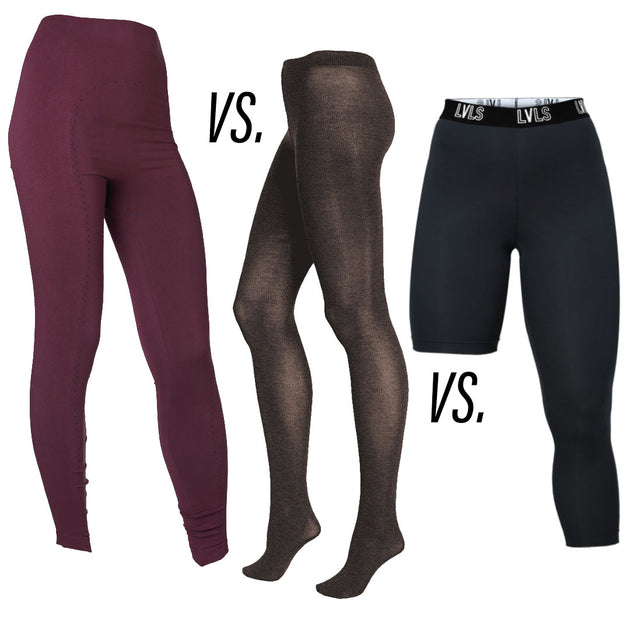
Credit: lvlssportswear.com
Leggings Basics
Leggings are a popular choice for many due to their simplicity and comfort. They are versatile, fitting various lifestyles and daily activities. Understanding the basics of leggings helps distinguish them from compression pants.
Material And Design
Leggings usually consist of soft fabrics like cotton, polyester, or spandex blends. They stretch easily but do not apply strong pressure on muscles. Their design focuses on flexibility and freedom of movement rather than muscle support.
Everyday Wear
People wear leggings for casual outings, lounging, or light exercise. They offer comfort for long hours and are easy to put on. Leggings do not have special features for improving blood flow or muscle recovery.
Style And Comfort
Leggings come in many colors, patterns, and lengths. They fit snugly and feel light on the skin. Comfort and style are the main reasons people choose leggings for daily use.
Compression Pants Features
Compression pants offer specific features that set them apart from regular leggings. These features are designed to support your muscles and improve blood flow during physical activities. Understanding these benefits helps you choose the right gear for your workout or recovery.
They are not just tight clothing but tools that aid your body's performance and healing.
Therapeutic Pressure
Compression pants apply controlled pressure on your legs. This pressure helps reduce muscle vibration and fatigue. It also supports joint stability. The pressure is graduated, meaning it is stronger at the ankle and lessens upward. This design helps push blood back to the heart efficiently.
Muscle Support
The tight fit of compression pants stabilizes muscles. This reduces muscle oscillation during movement. Less movement means less energy wasted. It also lowers the risk of injuries. Your muscles feel more secure and perform better in intense activities.
Circulation Improvement
Compression pants boost blood flow in your legs. Improved circulation delivers more oxygen and nutrients to muscles. It also helps remove waste products like lactic acid. This process reduces soreness and speeds up recovery after exercise. Better circulation means you can perform longer and recover faster.
Performance Benefits
Performance benefits set compression pants apart from regular leggings. Compression pants apply targeted pressure to muscles. This pressure helps improve blood flow and muscle support. Athletes and fitness lovers choose compression pants for better workout results and faster recovery. Regular leggings focus more on style and comfort without these physical benefits.
Enhanced Endurance
Compression pants increase oxygen delivery to muscles. This helps muscles work longer without tiring quickly. Better blood flow means energy lasts through tough workouts. Leggings do not offer this focused support, so endurance gains are limited.
Reduced Muscle Fatigue
Compression pants stabilize muscles during movement. This reduces muscle shaking and stress. Less shaking means less muscle damage and soreness after exercise. Regular leggings fit tightly but lack this muscle stabilization effect.
Impact And Vibration Reduction
Compression pants absorb shock from running and jumping. They reduce vibrations that cause muscle strain. This lowers the risk of injuries and speeds up recovery. Leggings provide no special impact protection or vibration control.
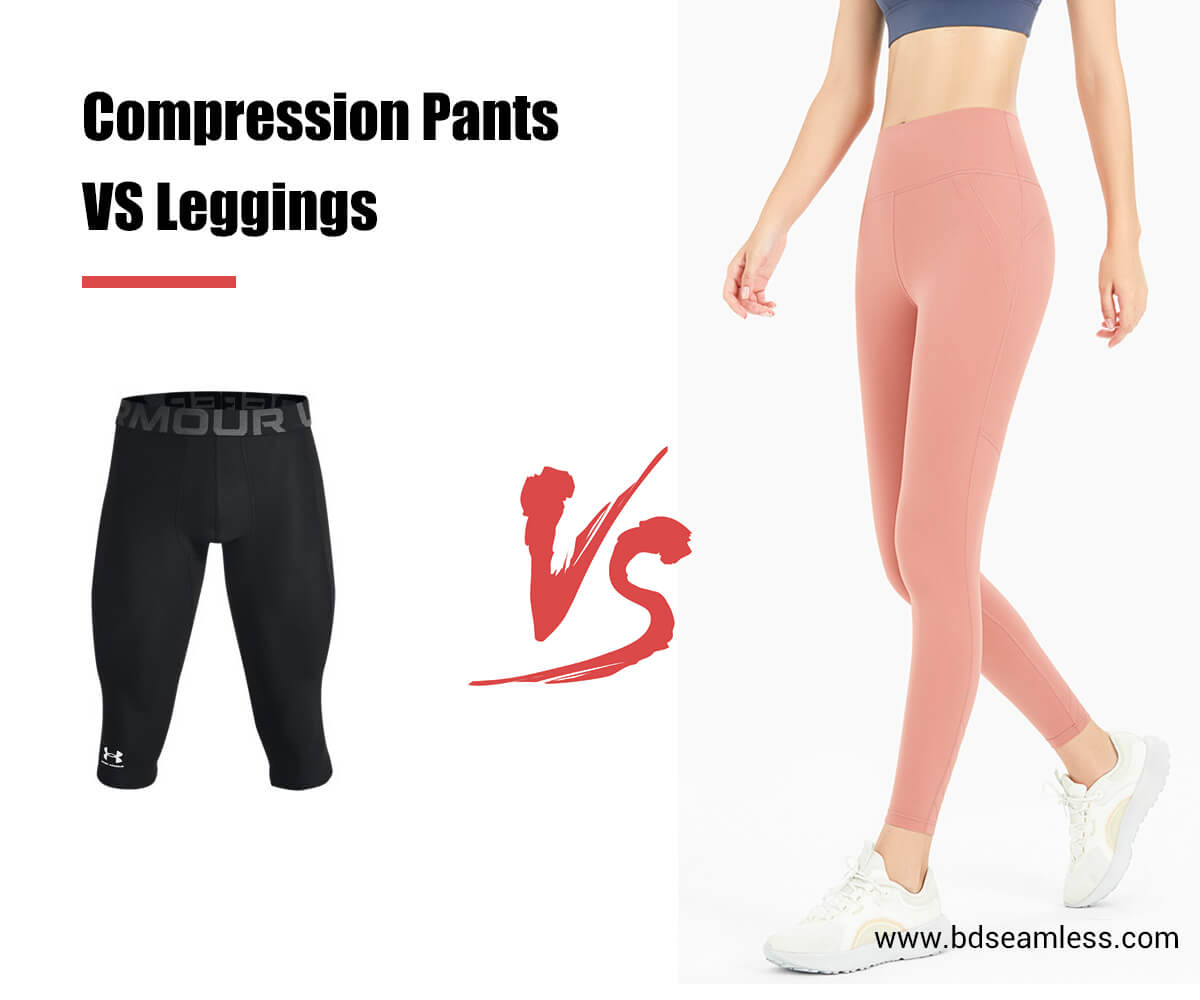
Credit: www.bdseamless.com
Recovery Advantages
Recovery advantages highlight the key benefits compression pants offer over regular leggings. These benefits focus on helping your muscles heal faster and feel better after workouts. Compression pants apply gentle pressure that supports your legs and boosts blood flow. This pressure helps the body clear out waste products and deliver nutrients to muscles. The result is quicker recovery and less discomfort. Regular leggings do not provide these recovery benefits because they lack this therapeutic pressure.
Faster Muscle Repair
Compression pants increase blood circulation in the legs. Better circulation means more oxygen and nutrients reach tired muscles. This speeds up muscle repair after exercise. The gentle pressure also helps reduce swelling and inflammation. Wearing compression pants after workouts can help muscles recover faster than regular leggings.
Less Soreness
Muscle soreness happens after intense exercise. Compression pants help reduce soreness by improving blood flow. This helps remove lactic acid and other waste from muscles. Less waste means less pain and stiffness. Regular leggings do not improve circulation, so they do not reduce soreness as well.
Injury Support
Compression pants provide extra support to muscles and joints. The tight fit helps stabilize muscles during movement. This reduces the risk of strains and injuries. Compression pants also help protect injured muscles by limiting excessive movement. Regular leggings offer little to no support for injury prevention or recovery.
Additional Benefits
Beyond their basic functions, both leggings and compression pants offer extra benefits that affect your body and mind. Understanding these perks helps you choose the right option for your needs.
These benefits go beyond style and fitness, touching on comfort, health, and mental well-being.
Comfort And Confidence
Leggings provide soft and flexible fabric that moves with your body. They feel gentle on the skin for daily wear. Compression pants offer a snug fit that supports muscles firmly. This fit can boost your confidence by shaping your legs. Both types help you feel good during workouts or casual outings.
Venous Health Support
Compression pants apply controlled pressure to improve blood flow. This helps reduce swelling and fatigue in the legs. They support veins and may lower the risk of varicose veins. Regular leggings do not provide this medical benefit. Wearing compression gear can aid recovery after exercise or long periods of sitting.
Psychological Effects
Wearing compression pants can give a sense of readiness and energy. The tight fit signals your body to prepare for activity. This effect can motivate better performance and focus. Leggings, being more relaxed, promote comfort and ease. Both types influence mood and mindset differently but positively.
When To Choose Each
Choosing between leggings and compression pants depends on your needs and activities. Both offer comfort and style, but they serve different purposes. Understanding when to wear each helps you make the best choice for your day or workout.
Everyday Use
Leggings suit casual wear and daily activities well. They offer soft, stretchy fabric for comfort all day. People wear leggings for errands, lounging, or casual outings. Compression pants feel tighter and may not be as comfortable for long wear. Regular leggings provide flexibility without pressure, making them ideal for relaxed settings.
Athletic Performance
Compression pants improve athletic performance by boosting blood flow. They help muscles work efficiently and reduce fatigue during exercise. Runners, cyclists, and gym-goers benefit from the extra support. Leggings lack this pressure and do not aid muscle recovery. Choose compression pants for intense workouts or sports to enhance endurance and power.
Injury Recovery
Compression pants assist in injury recovery by promoting circulation. They help reduce swelling and muscle soreness after activity. Doctors often recommend compression wear for faster healing. Leggings do not provide these therapeutic benefits. Use compression pants if you need support for muscle strains or joint pain during recovery.
Common Misconceptions
Many people confuse leggings with compression pants. Both look similar and fit tightly. This causes common misunderstandings about their use and benefits. Knowing the differences clears up these misconceptions. It helps to choose the right wear for your needs.
Compression Vs Tight Fit
Compression pants apply pressure to muscles. This pressure is firm and measured. It aids blood flow and supports muscles. Leggings only fit tightly but do not press hard. Their main goal is comfort and style. Tight fit alone does not mean compression benefits.
Health Claims
Compression pants often claim to reduce muscle soreness. They also promise faster recovery after workouts. These claims have some scientific support. Leggings do not offer these health benefits. They are meant for casual wear or light exercise. Confusing the two can lead to wrong expectations.
Fashion Vs Function
Leggings focus on fashion and everyday comfort. They come in many colors and designs. Compression pants focus on function and performance. They help athletes during and after exercise. Wearing leggings for sports may lack needed support. Choosing compression pants improves workout efficiency and recovery.
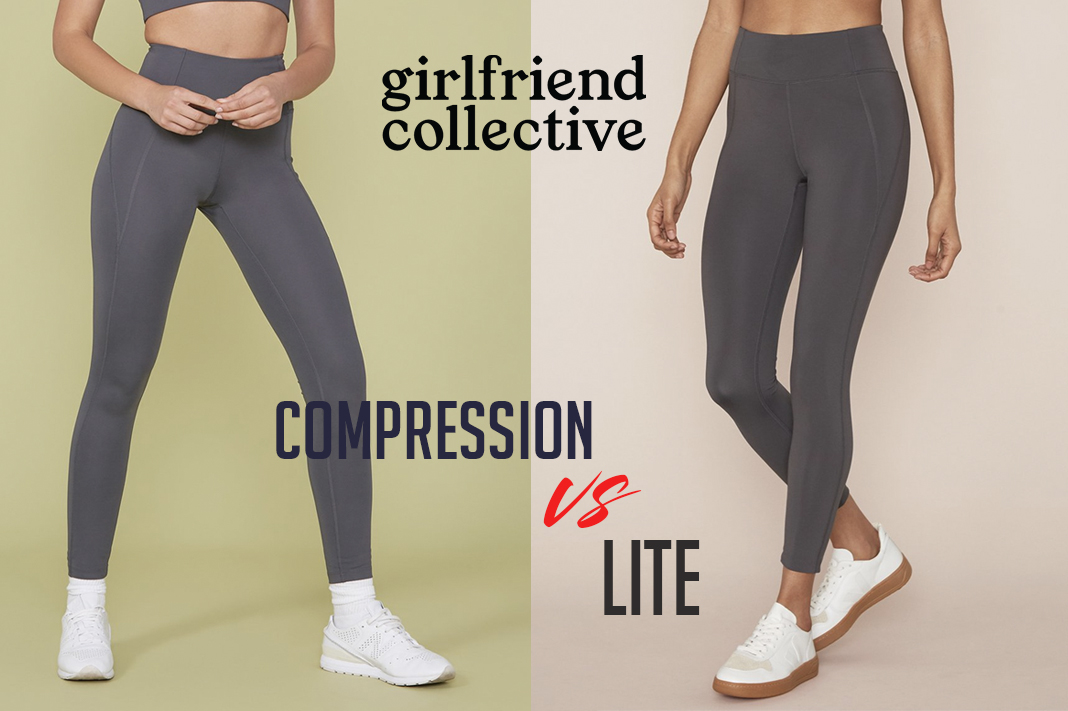
Credit: www.schimiggy.com
How Magick Can Help You with What is the Difference between Leggings And Compression Pants
Practical Learning: Choosing Between Leggings and Compression Pants
Now that we've unpacked the Leggings Basics and explored the Performance Benefits of compression pants, it’s time to get practical—because knowing the difference is only half the battle.
If you’re the kind of radical soul who thrives on pushing limits—whether through extreme sports, yoga flows, or gym marathons—compression pants might just be your secret weapon. Their muscle-stabilizing magic and circulation-boosting powers aren’t just for show; they aid recovery and keep you in the game longer.
On the flip side, if your vibe leans toward comfortable, stylish flexibility for everyday transcendence or reflective moments, regular leggings can hold that space beautifully without the therapeutic squeeze.
Here’s a friendly tip from the Magick crew: experiment with both during different activities and note how your body responds. Understanding these nuances isn’t just fitness trivia—it’s a way to honor your unique rhythm in the chaos of the rat race.
For deeper insights or to geek out on fabric science and fit, feel free to reach out to us at info@magickfit.com. Because transformation is as much about knowledge as it is about sweat and spirit.
Frequently Asked Questions
Can Leggings Be Used As Compression?
Leggings are not designed for compression. Compression pants apply targeted pressure to improve circulation and support muscles. Regular leggings only offer tight fit without therapeutic benefits. Use compression wear specifically made to enhance performance and recovery.
What Is The Difference Between Compression Pants And Leggings?
Compression pants apply graduated pressure to improve circulation and muscle support. Leggings focus on comfort and style without therapeutic benefits.
What Is The Point Of Wearing Compression Pants?
Compression pants improve circulation, stabilize muscles, reduce fatigue, and speed recovery. They support performance, minimize soreness, and aid injury healing.
Who Should Not Wear Compression Pants?
People with severe peripheral artery disease, skin infections, deep vein thrombosis, or open wounds should avoid compression pants. Consult a doctor first.
Conclusion
Leggings and compression pants look similar but serve different purposes. Leggings focus on style and comfort for everyday wear. Compression pants provide tight, therapeutic pressure to improve blood flow and muscle support. Athletes use compression pants to boost performance and speed up recovery.
Choose leggings for casual use and compression pants for exercise benefits. Knowing these differences helps pick the right option for your needs. Simple and clear, this guide helps you make smart clothing choices.
