

What is the Difference Between Business Casual and Formal Attire?
What Is The Difference Between Business Casual And Formal Attire
What you wear says a lot about you, especially in a professional setting. Choosing between business casual and formal attire can feel tricky, especially for people who are new to office dress codes or need to attend a special event. The difference is not just about the clothes themselves, but also about the message you send, the expectations in different workplaces, and even how comfortable you feel. Understanding these dress codes helps you look confident, fit in, and avoid awkward moments.
Many people think business casual and formal attire are similar, but they are actually quite different in style, purpose, and rules. If you ever felt confused by phrases like “dress smart” or “wear a suit,” you are not alone. In this article, you'll find clear explanations, practical examples, and real comparisons to help you know exactly when and how to dress business casual or formal.
You'll also learn how small details—like shoes, accessories, and fabric—make a big difference. Whether you are preparing for a job interview, a business meeting, or a company dinner, this guide will show you how to make the right choice every time.
What Does Business Casual Mean?
Business casual is a dress code that mixes professional and relaxed styles. You look neat but not too formal. It's common in offices where people want to work comfortably but still appear serious and trustworthy.
Typical Business Casual Outfits
For men, business casual usually means:
- Dress pants or chinos
- Collared shirt (button-down or polo)
- Optional sweater or blazer
- Leather shoes (loafers or oxfords)
- Simple belt
For women, business casual often includes:
- Dress pants, skirts, or tailored dresses
- Blouse or smart top
- Cardigan or blazer (optional)
- Closed-toe shoes (flats, low heels)
- Minimal jewelry
You avoid jeans, sneakers, and flashy items. The colors are usually neutral, like navy, gray, or beige.
Why Do Companies Choose Business Casual?
Business casual is popular because it:
- Keeps employees comfortable
- Supports a friendly atmosphere
- Makes it easier to move and work
- Still shows respect for coworkers and clients
Some industries, like tech and creative fields, started using business casual to attract talented people who dislike strict dress codes.
Common Mistakes In Business Casual
Beginners often get confused and make these mistakes:
- Wearing jeans or shorts: Most offices do not accept them, even if they look neat.
- Choosing graphic tees: Always stick to plain or subtle patterns.
- Wearing athletic shoes: They are too casual for most workplaces.
- Ignoring grooming: Clean, tidy hair and nails are part of the look.
A non-obvious insight: Many people think business casual means “anything but a suit.” But actually, it is about balance—not too formal, not too relaxed.
What Is Formal Attire?
Formal attire is the most strict dress code for business and events. You look polished and serious, often with a suit or tailored dress. It is common in law offices, finance companies, and important meetings.
Typical Formal Attire Outfits
For men, formal attire usually includes:
- Dark suit (navy, black, or charcoal)
- Dress shirt (white or light color)
- Tie (solid or subtle pattern)
- Leather dress shoes (oxfords, brogues)
- Matching belt
For women, formal attire often means:
- Tailored dress or skirt suit
- Blouse with jacket
- Closed-toe heels
- Elegant jewelry
- Structured handbag
Everything fits well, and the colors are classic. Fabrics are high-quality, like wool, silk, or cotton blends.
When Is Formal Attire Required?
Formal attire is expected in:
- Job interviews for top positions
- Important client meetings
- Business conferences
- Boardroom presentations
- Corporate dinners
It shows you are serious, reliable, and ready for business.
Common Mistakes In Formal Attire
Some mistakes beginners make:
- Wearing a suit that does not fit: Baggy or tight suits look unprofessional.
- Picking loud colors: Stick to classic shades.
- Skipping the tie or jacket: Formal means complete outfit.
- Over-accessorizing: Keep jewelry and extras simple.
Non-obvious insight: Some people think adding a blazer to any outfit makes it formal. But real formal attire is about matching pieces, quality materials, and complete accessories.
Key Differences Between Business Casual And Formal Attire
While both styles aim for professionalism, the gap is bigger than most realize. Here’s a clear side-by-side comparison:
| Aspect | Business Casual | Formal Attire |
|---|---|---|
| Main Purpose | Comfort and professionalism | Authority and seriousness |
| Typical Colors | Neutrals, some soft colors | Classic dark shades |
| Clothing Pieces | Pants, blouses, sweaters | Suit, dress shirt, tie |
| Shoes | Loafers, flats | Dress shoes, heels |
| Accessories | Minimal, simple | Structured, elegant |
| Allowed Flexibility | Medium | Low |
| Event Type | Everyday office, casual meetings | Interviews, boardrooms, formal dinners |
How Comfort Levels Differ
Business casual clothes are more flexible. You can move easily, and the fabrics are often lighter. Formal attire feels stiffer and heavier, but it gives a sharp, strong look.
How Accessories Differ
With business casual, you might wear a simple watch or stud earrings. In formal attire, you use a tie, cufflinks, and maybe a silk pocket square. Women may use more structured bags and subtle jewelry.
Grooming Standards
Both styles require clean grooming, but formal attire expects extra polish: styled hair, neat nails, and sometimes even professional makeup.
Cost Difference
Formal attire is usually more expensive. Suits, tailored dresses, and leather shoes cost more because they use higher-quality materials.
How To Choose The Right Dress Code
Picking the right style is not always easy. Here are some practical steps:
- Read the invitation or company policy: Most events or offices mention the expected dress code.
- Ask coworkers or HR: If you’re unsure, check with someone who knows the company culture.
- Consider the purpose: Is it a regular workday or a big meeting?
- Check the location: Some offices in big cities are more formal.
- Look at what leaders wear: Managers and directors often set the tone.
A non-obvious tip: If the dress code is unclear, it’s safer to dress slightly more formal than casual. This shows respect and preparedness.
Examples Of Business Casual And Formal Attire In Real Life
Let’s look at some actual situations:
Example 1: Office Workday
At a tech company, most workers wear business casual: dress pants, polos, and neat shoes. Only managers wear suits for big meetings.
Example 2: Job Interview
For a finance job interview, you should wear formal attire: dark suit, crisp shirt, tie, and polished shoes. This signals that you are professional and serious.
Example 3: Company Dinner
If the dinner is at a fancy restaurant, formal attire is expected. If it’s at a casual place, business casual is fine.
Example 4: Creative Agency
In a design studio, business casual is more common. Workers wear smart jeans, blouses, and stylish flats. Formal attire is rare unless meeting important clients.
Example 5: Law Firm
Law firms expect formal attire daily. Men wear suits, ties, and dress shoes. Women wear skirt suits or tailored dresses with heels.
Business Casual Vs Formal Attire Around The World
Dress codes change across cultures. In the US and Western Europe, business casual is popular in tech and creative jobs. In Asia, formal attire is more common, especially in big companies.
Global Comparison Table
Here’s a table comparing business casual and formal attire in different countries:
| Country | Business Casual | Formal Attire |
|---|---|---|
| United States | Common in tech and creative | Finance, law, high-level jobs |
| Japan | Rare, only in startups | Most offices, strict dress codes |
| Germany | Increasing in startups | Traditional companies |
| India | Growing in young companies | Banking, government, formal events |
| United Kingdom | Popular in media | Law, finance, formal meetings |
This shows that business casual is spreading, but formal attire still rules in traditional fields.
The Impact Of Dress Codes On Career
What you wear affects how people see you. Studies show that people who dress formally are often seen as more competent and reliable. For example, a survey by LinkedIn found that 71% of employers believe dressing well improves confidence and performance.
However, being too formal in a relaxed office can make you seem stiff or out-of-touch. The right balance helps you build trust, get noticed, and even earn promotions.
Why Dress Codes Matter
- First impressions: People judge in seconds.
- Professional image: Consistent style builds reputation.
- Fitting in: Matching office norms helps teamwork.
- Success: Well-dressed people are often chosen for leadership.
A subtle insight: Dressing above the code is good for interviews but not always for daily work. You may seem over-eager or not “one of the team.”
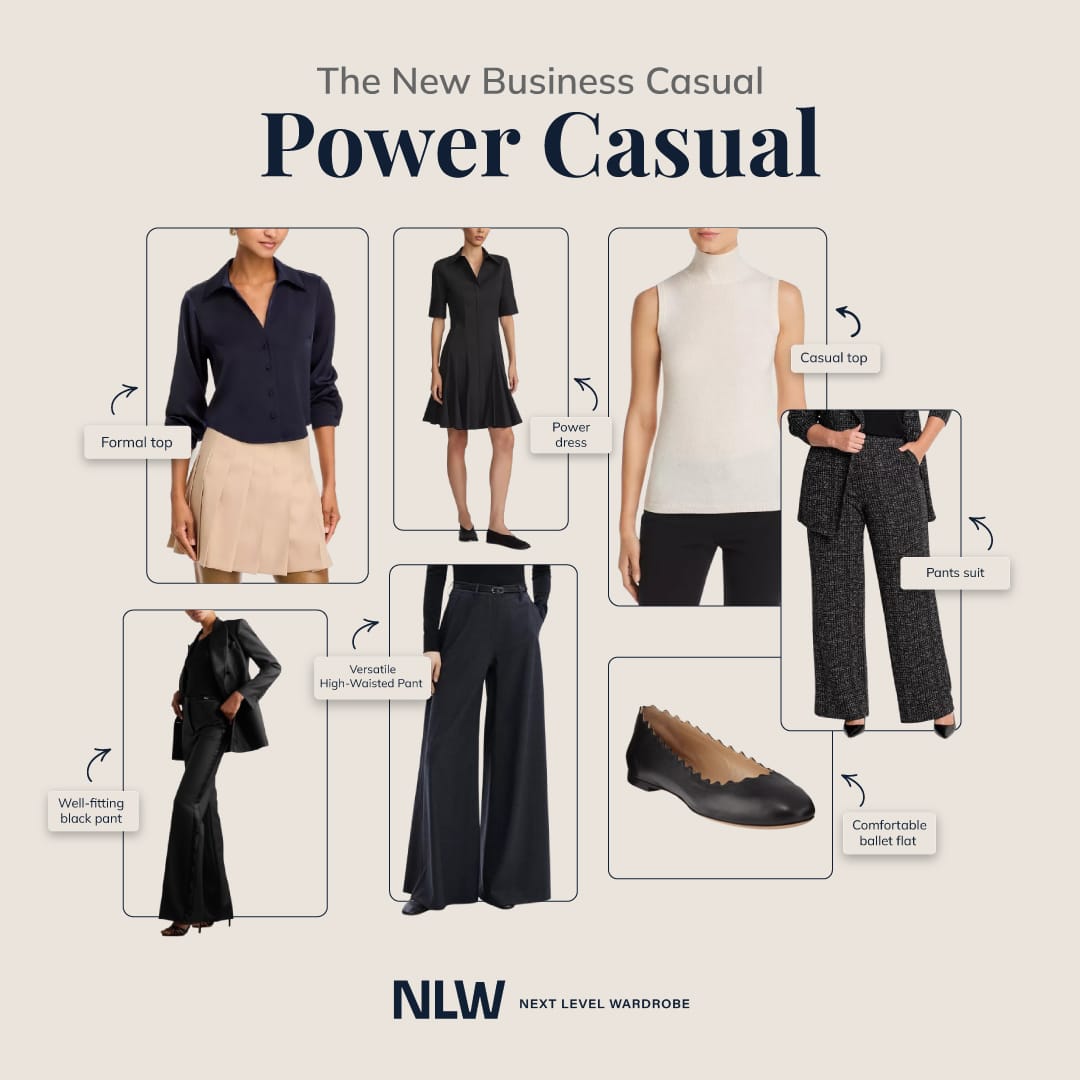
Business Casual: Dos And Don’ts
Making business casual work is easier with these simple rules:
Dos
- Choose neat, tailored clothes
- Pick neutral colors
- Wear clean shoes
- Add a simple blazer for meetings
- Keep accessories minimal
Don’ts
- Avoid jeans unless company allows
- Skip sneakers and sandals
- Don’t use loud prints
- Don’t wear t-shirts with logos
- Don’t forget grooming
A practical tip: If you’re unsure, dress like the office’s most respected employee—not the most relaxed.
Credit: nextlevelwardrobe.com
Formal Attire: Dos And Don’ts
Formal attire has stricter rules. Here’s how to get it right:
Dos
- Wear a full suit or matching dress
- Choose dark, classic colors
- Use a tie or scarf
- Pick polished shoes
- Keep jewelry simple
Don’ts
- Don’t mix casual and formal pieces
- Don’t skip the tie or jacket
- Don’t wear bright or flashy accessories
- Don’t use casual bags
- Don’t ignore fit and tailoring
A key tip: Invest in tailoring. Even a simple suit looks much better when it fits perfectly.
How Dress Codes Are Changing
Workplaces are evolving. Many companies now allow business casual every day. Some even let employees wear smart jeans or sneakers. Still, formal attire remains essential for big meetings, client visits, and events.
A recent study by Gallup found that 50% of US offices now use business casual, up from 34% a decade ago. This trend shows people value comfort but still respect professionalism.
Why The Change?
- Younger workers want flexibility
- Creative fields value individuality
- Remote work encourages relaxed dress
- Companies want to attract talent
But beware: Not all companies follow these trends. Traditional firms still expect formal attire.
How To Build Your Wardrobe
You do not need many clothes to follow dress codes. Start with basics and add pieces as needed.
Business Casual Essentials
- 2-3 pairs of dress pants or chinos
- 3-4 collared shirts or blouses
- 1-2 sweaters or cardigans
- 1-2 pairs of loafers or flats
- Simple belt and watch
Formal Attire Essentials
- 1-2 suits (dark colors)
- 2-3 dress shirts or blouses
- 2 ties or scarves
- 1 pair of dress shoes or heels
- Minimal jewelry
A smart tip: Buy quality basics first. Then add extras like blazers, ties, and accessories.
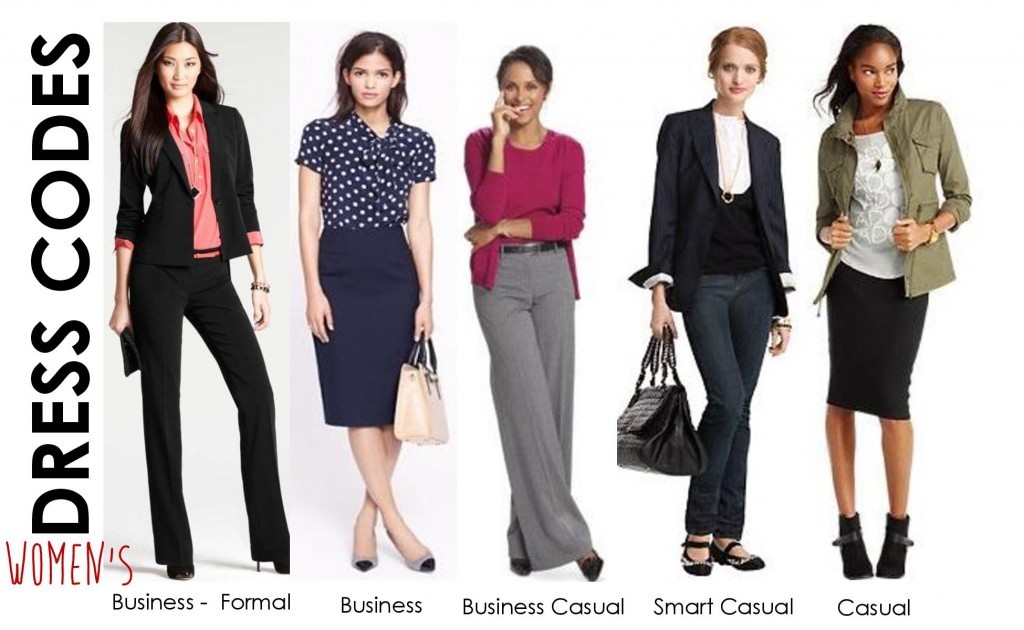
How To Transition Between Business Casual And Formal
Sometimes, you must move from one dress code to another—like from office work to a client meeting. Here’s how:
- Keep a blazer or suit jacket at work: Add it for formal meetings.
- Change shoes: Swap loafers for dress shoes.
- Add accessories: Tie, pocket square, or structured bag.
- Use layering: A sweater under a blazer can look both business casual and formal.
A non-obvious insight: Neutral-colored clothes help you switch styles quickly. Avoid bright or unusual colors if you need to transition often.
Credit: gardner-webb.edu
The Role Of Gender In Dress Codes
Men and women face different expectations. For men, the difference is clear: suit vs. no suit. For women, the line is blurrier—some offices allow pants, others expect dresses.
Comparison Table: Men Vs. Women
| Aspect | Men | Women |
|---|---|---|
| Business Casual | Chinos, polos, loafers | Pants, skirts, blouses, flats |
| Formal Attire | Suit, tie, dress shoes | Skirt suit, tailored dress, heels |
| Accessories | Watch, belt, cufflinks | Jewelry, bag, scarf |
| Flexibility | Less | More |
Women often have more options but also more rules about makeup, jewelry, and shoes.
Practical Tips For Non-native English Speakers
Dress codes can be confusing if English is not your first language. Here’s how to avoid mistakes:
- Learn key terms: Blazer, slacks, loafers, cufflinks
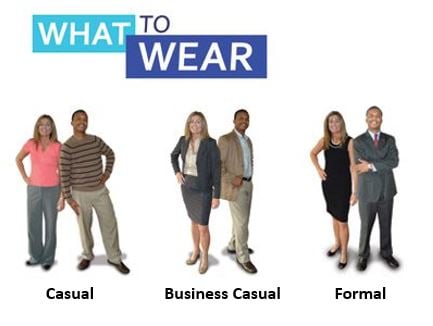
- Ask for pictures: Visual guides help
- Watch office leaders: Copy their style
- Avoid slang: Stick to formal words
- Practice with friends: Try outfits before important events
A helpful link: For more details on dress codes and etiquette, see Wikipedia Dress Code.
Credit: www.charlotteparent.com
Frequently Asked Questions
What Is The Main Difference Between Business Casual And Formal Attire?
The main difference is the level of formality. Business casual is more relaxed, with comfortable but neat clothes like dress pants and blouses. Formal attire is strict, requiring suits, ties, and polished shoes.
Can I Wear Jeans In Business Casual?
Usually, jeans are not allowed in traditional business casual. Some modern offices accept dark, neat jeans, but always check your company policy first.
Is It Okay To Skip The Tie In Formal Attire?
No, formal attire expects a tie for men and a complete suit or dress for women. Skipping the tie makes the outfit less formal and might not be accepted in strict workplaces.
How Do I Know What My Office Expects?
Read your company’s dress code policy, ask HR, or observe what managers wear. If unsure, choose a more formal style to be safe.
What Should I Do If I’m Invited To An Event With No Dress Code Mentioned?
Dress slightly more formal than you think is needed. A blazer or smart dress shows respect. If possible, ask the organizer for advice.
Making the right choice between business casual and formal attire is a key skill in professional life. By understanding the differences and following clear rules, you avoid mistakes and send the right message. Remember, what you wear is not just about fashion—it’s about showing respect, fitting in, and building your career. Dress codes are changing, but the basics stay the same: look neat, feel confident, and choose the right style for every occasion.
