

What is the Difference between Business Casual And Casual: Explained
What Is The Difference Between Business Casual And Casual
Many people feel uncertain about what to wear in different settings. You might wonder if your favorite jeans are fine for work, or if your new shirt looks “business casual.” The line between business casual and casual dress codes can feel confusing. This article helps you clearly understand the difference, so you can dress confidently for any occasion.
Clothing is more than just fabric. It sends a message about you—your professionalism, your personality, and your respect for the environment you’re in. Knowing when to choose business casual or casual can help you fit in, avoid embarrassment, and even influence how others see you.
Whether you work in an office, attend social events, or want to look your best, this guide gives you practical advice and examples.
Defining Business Casual And Casual
Let’s start by understanding what each dress code really means. Though the names sound similar, the expectations are quite different.
What Is Business Casual?
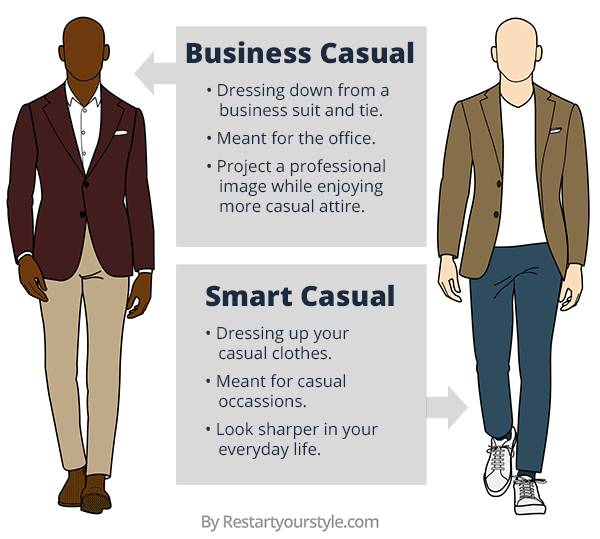
Business casual is a dress code often used in offices, meetings, and professional settings. It is not as formal as traditional business wear, but it still looks polished and professional.
Typical business casual clothing includes:
- Collared shirts (button-downs or polos)
- Dress pants or khakis
- Blouses and skirts (for women)
- Closed-toe shoes like loafers or dress flats
- Sweaters and blazers (optional)
Business casual avoids items like:
- Ripped jeans
- T-shirts with graphics
- Sneakers (in most cases)
- Shorts
The goal is to look neat, tidy, and respectful, but not overly formal. Think of it as “relaxed professionalism. ”
What Is Casual?
Casual dress is the most relaxed style. It is comfortable and informal, used for weekends, social gatherings, and places without strict dress codes.
Typical casual clothing includes:
- T-shirts (plain or with graphics)
- Jeans (any style)
- Shorts (weather-appropriate)
- Sneakers or sandals
- Sweatshirts and hoodies
Casual wear allows for more personal expression and comfort. There are few rules, but it’s still important to look clean and presentable.
Key Differences: Business Casual Vs. Casual
Understanding the difference between business casual and casual helps you choose the right outfit. Here are the main distinctions:
Professionalism
Business casual always leans toward professionalism. Even though it’s not as strict as business formal, there’s an expectation of neatness and a polished look. Casual clothing, on the other hand, focuses on comfort and personal style.
Allowed Clothing Items
Let’s compare the main clothing items side by side:
| Item | Business Casual | Casual |
|---|---|---|
| Shirts | Collared, blouses, polos | T-shirts, tank tops |
| Pants | Dress pants, khakis | Jeans, shorts |
| Shoes | Dress shoes, loafers | Sneakers, sandals |
| Accessories | Belt, watch, simple jewelry | Backpack, hats, bold jewelry |
Fit And Condition
Business casual clothing should fit well and look clean. No wrinkles, stains, or holes. Casual wear can be more relaxed, but it should still be tidy.
Colors And Patterns
Business casual often uses neutral colors (black, navy, beige) or simple patterns. Casual allows bright colors, bold prints, and unique designs.
Purpose
Business casual is for work, meetings, interviews, and professional events. Casual is for leisure, travel, and informal gatherings.
Common Settings For Each Dress Code
Different environments require different dress codes. Here’s where you might use business casual or casual clothing.
Business Casual Settings
- Office jobs (especially in companies without strict suits)
- Interviews for jobs that don’t require formal wear
- Client meetings and presentations
- Conferences and networking events
- Business lunches or dinners
In these places, you want to look professional but comfortable.
Casual Settings
- Social events like picnics, barbecues, or parties
- Running errands and shopping
- Travel (unless flying for business)
- Casual Fridays at some offices
- Home and leisure activities
Here, comfort and personal style are the main focus.
Examples Of Business Casual And Casual Outfits
Sometimes it’s easier to understand with examples. Here are typical outfits for men and women in both styles.
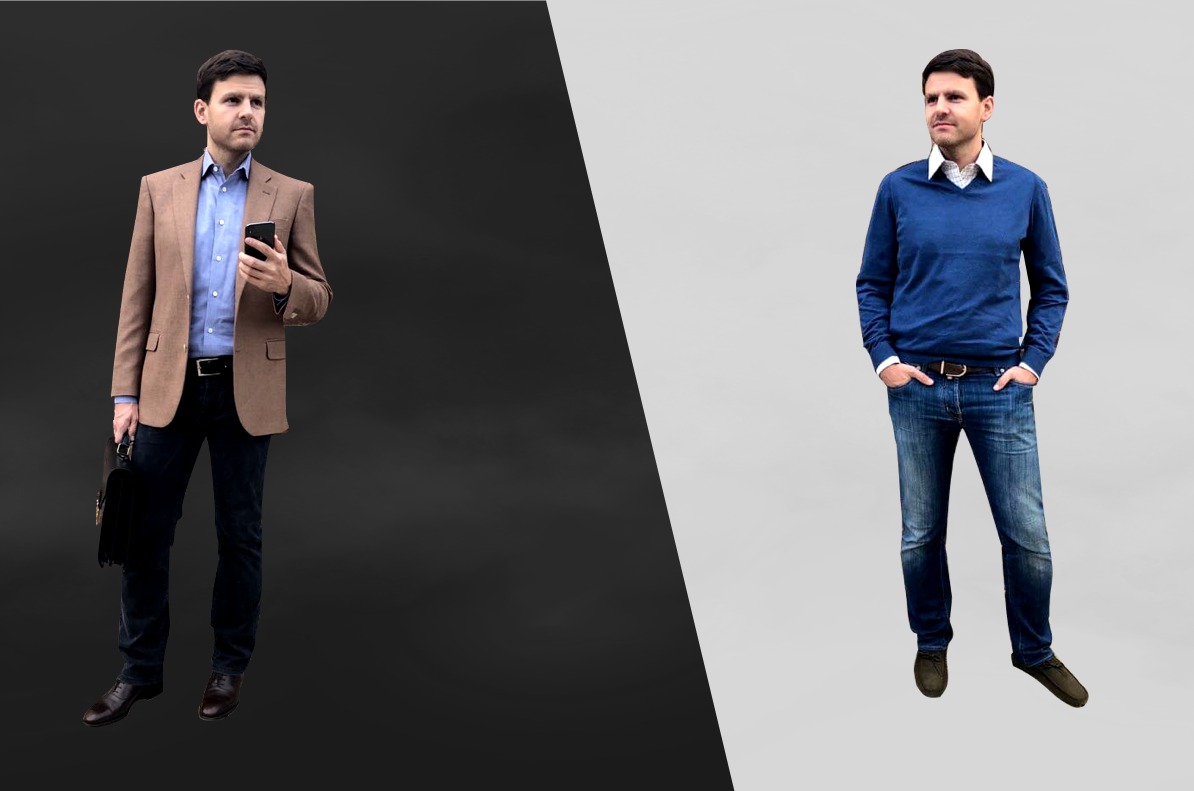
Business Casual For Men
- Navy chinos, white button-down shirt, brown loafers
- Gray dress pants, light blue polo, black belt, simple watch
- Khaki pants, pastel sweater, collared shirt underneath
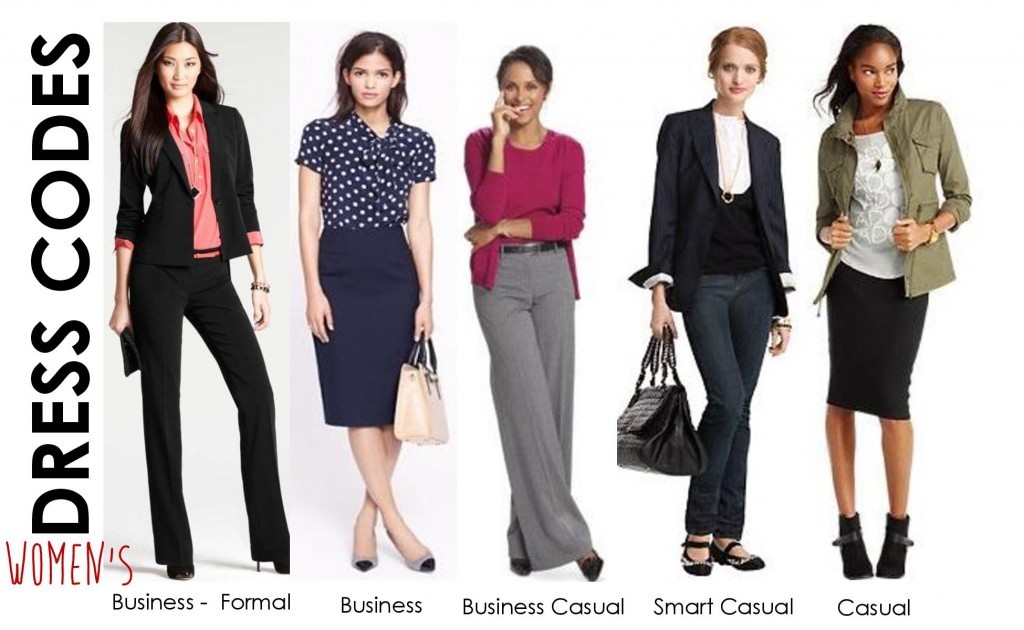
Business Casual For Women
- Black skirt, cream blouse, closed-toe flats
- Gray dress pants, blue knit top, blazer, small earrings
- Navy trousers, patterned blouse, cardigan
Casual For Men
- Faded jeans, graphic t-shirt, sneakers
- Cargo shorts, plain t-shirt, flip-flops
- Joggers, hoodie, running shoes
Casual For Women
- Denim shorts, tank top, sandals
- Leggings, oversized sweater, sneakers
- Floral dress, jean jacket, slip-on shoes
Credit: theartefact.com
Why The Difference Matters
Choosing the right dress code is important for several reasons:
- First impressions: People judge you based on appearance, especially in professional settings.
- Respect: Dressing appropriately shows respect for the environment and people around you.
- Comfort: The right clothing makes you feel confident and comfortable.
- Opportunities: Many jobs and events require specific dress codes. Not following them can hurt your chances.
A study published by the Society for Human Resource Management found that over 70% of hiring managers say dress codes influence their perception of candidates. Dressing business casual in the wrong setting can make you look stiff. Dressing casual at work can make you look unprofessional.
How To Decide What To Wear
You may still feel unsure about which style to choose. Here are some practical steps to decide:
- Check the environment. Ask about the dress code if you’re not sure.
- Observe others. See what people wear in similar situations.
- When in doubt, choose business casual. It is safer for professional settings.
- Adjust for formality. If the event is important, dress a bit more formally.
- Prepare options. Keep both business casual and casual clothes ready in your wardrobe.
Business Casual: Dos And Don’ts
Avoid common mistakes by following these simple guidelines.
Dos
- Wear clean, pressed clothes
- Choose neutral or soft colors
- Keep accessories simple
- Use closed-toe shoes
- Wear a belt with dress pants
Don’ts
- Avoid ripped or distressed clothing
- Don’t wear graphic tees or hoodies
- Skip sneakers unless allowed
- Avoid bold jewelry or large bags
Casual: Dos And Don’ts
Casual dress is flexible, but there are still basic rules.
Dos
- Wear comfortable, clean clothes
- Show personal style
- Use fun colors or patterns
- Choose relaxed fits
Don’ts
- Avoid dirty or wrinkled items
- Don’t wear pajamas outside home
- Skip anything too revealing for public places
Credit: restartyourstyle.com
Common Mistakes And How To Avoid Them
Many people make mistakes when choosing business casual or casual clothing. Here are some examples and tips:
Mistaking Casual For Business Casual
Wearing jeans and a t-shirt to a business meeting can make you look unprofessional. Always check the company’s dress code.
Overdressing In Casual Settings
Wearing dress pants and a button-down to a picnic can make you stand out in the wrong way. Match the level of formality to the event.
Ignoring Fit And Condition
Even in casual settings, dirty or torn clothes can make a bad impression. Always check your clothes before leaving home.
Not Updating Your Wardrobe
Styles change. What was business casual in the past may not be today. Refresh your wardrobe every season.
Business Casual Vs. Casual: Real-life Scenarios
Let’s see how these dress codes work in real life.
Scenario 1: Office Job Interview
If you interview at a tech company, business casual is usually safe. Choose dress pants, a collared shirt, and closed-toe shoes. Jeans and sneakers can look too casual.
Scenario 2: Weekend Outing
Meeting friends for coffee or a walk? Casual is best. Wear jeans, a t-shirt, and sneakers. Business casual would look too formal.
Scenario 3: Company Retreat
Many companies have retreats with mixed activities. During presentations, wear business casual. For team games or leisure, switch to casual.
Scenario 4: Casual Fridays
Some offices allow casual clothing on Fridays. But “casual” often means neat jeans and a polo, not gym shorts or flip-flops. Always ask what’s allowed.
Impact On Career And Social Life
Your choice of clothing can affect your career and social life. Dressing business casual at work shows you take your job seriously. Dressing casual at social events helps you relax and connect with others.
Research shows that employees who follow dress codes are viewed as more reliable and trustworthy. In social settings, casual wear helps you express your personality and feel comfortable.
Business Casual And Casual Around The World
Dress codes can change depending on culture. In some countries, business casual means a suit without a tie. In others, jeans may be allowed for business casual.
For example, in Japan, business casual still means a conservative shirt and trousers. In Australia, khakis and polo shirts are common. If you travel or work with international teams, always check local dress expectations.
How Employers Set Dress Codes
Employers set dress codes based on:
- Company culture
- Type of work
- Client expectations
- Location and climate
Some industries, like finance or law, keep strict business casual rules. Creative fields, like design or tech, may allow more casual wear.
Here’s a comparison of common dress codes by industry:
| Industry | Business Casual | Casual |
|---|---|---|
| Finance | Blazer, dress pants, collared shirt | Rarely allowed |
| Technology | Polo, chinos, loafers | T-shirts, jeans, sneakers |
| Education | Blouse, skirt, dress shoes | Jeans, sweater |
| Retail | Khakis, polo, flats | Depends on store policy |
Non-obvious Insights About Dress Codes
Many beginners miss these points:
- Fit matters more than price. Well-fitted clothes make you look professional, even if they are affordable.
- Accessories can change the look. A simple watch or belt upgrades casual clothes to business casual.
- Layering is powerful. Adding a blazer or cardigan can quickly shift an outfit from casual to business casual.
- Shoes signal formality. Even jeans with dress shoes look more business casual than jeans with sneakers.
- Patterns and textures matter. Subtle patterns are fine in business casual. Loud prints are best for casual.
Dressing For Remote Work
Many people now work from home. Should you still follow dress codes?
- For video meetings, business casual is usually best. It shows professionalism.
- When working alone, casual is fine, but dressing business casual can boost productivity.
- Some companies require business casual on camera, even for remote work.
How To Build A Versatile Wardrobe
You don’t need a large closet to dress well. Here’s how to build a wardrobe for both styles:
- Start with basics: Neutral pants, solid shirts, simple shoes
- Add layering pieces: Sweaters, blazers, cardigans
- Mix and match: Most business casual pieces can be worn in casual settings
- Invest in fit: Tailor your clothes if needed
- Keep clothes clean: Regularly check for stains or damage
Business Casual And Casual For Different Body Types
Finding clothes that fit your body is important. Here are tips for different body types:
- Tall: Choose longer shirts and pants, avoid cropped tops
- Short: Pick clothes with vertical lines, avoid wide pants
- Curvy: Use structured fabrics, avoid tight or baggy clothes
- Slim: Layer with sweaters or jackets for shape
Sustainable Choices In Dress Codes
More people now care about sustainability. You can choose eco-friendly clothing for both styles:
- Buy from brands using organic cotton or recycled materials
- Choose quality over quantity—fewer, better clothes last longer
- Donate or recycle old clothes
Sustainable fashion helps the planet and keeps your wardrobe modern.
Business Casual And Casual For Different Seasons
Your clothing changes with the seasons. Here’s how to adapt:
Spring And Summer
- Light fabrics (cotton, linen) for both styles
- Short sleeves and skirts for business casual
- T-shirts and shorts for casual
Fall And Winter
- Layer with sweaters and jackets
- Darker colors for business casual
- Hoodies and jeans for casual
Business Casual Vs. Casual: Quick Reference Guide
Here’s a quick summary to help you choose:
| Feature | Business Casual | Casual |
|---|---|---|
| Formality | Moderate | Low |
| Main Items | Dress pants, collared shirts | Jeans, t-shirts |
| Shoes | Loafers, flats | Sneakers, sandals |
| Accessories | Simple jewelry, belt | Bold jewelry, hats |
| Colors | Neutral, soft | Bright, bold |
| Settings | Work, meetings | Leisure, home |
Credit: gardner-webb.edu
How Dress Codes Affect Confidence
Wearing the right clothes increases your confidence. Business casual makes you feel ready for work or meetings. Casual helps you relax and enjoy your free time.
Psychologists say clothing can change your mood and performance. Dressing business casual can improve your focus. Dressing casual can make you more open and creative.
Business Casual And Casual In The Digital Age
Social media and online shopping influence how we dress. Many brands now offer “hybrid” clothing that fits both styles. For example, some pants look like jeans but are made with dress fabrics.
Online resources, like WikiHow, help people learn about dress codes and choose outfits.
Frequently Asked Questions
What Is The Main Difference Between Business Casual And Casual?
The main difference is formality. Business casual is neat and professional for work and meetings. Casual is relaxed and comfortable for informal settings.
Can Jeans Be Business Casual?
Yes, but only dark, neat jeans without holes or rips. Pair them with a collared shirt and dress shoes to make them look professional.
Are Sneakers Allowed In Business Casual?
Usually not. Stick to loafers, dress shoes, or flats. Some modern workplaces allow clean, stylish sneakers, but always check company rules.
What Should I Wear For A Job Interview?
Choose business casual unless told otherwise. Wear dress pants, a collared shirt, and closed-toe shoes. Avoid casual items like t-shirts or sneakers.
Can Women Wear Dresses In Business Casual?
Yes. Simple, knee-length dresses in neutral colors are perfect. Avoid bold prints or revealing styles.
Dressing correctly is more than just following rules—it’s about showing respect, confidence, and care for your environment. Whether you choose business casual or casual, make sure your clothes fit well, look clean, and suit the occasion. With these tips, you’ll always look your best and feel ready for any situation.
