

What is the Difference Between Business Casual and Business Attire: Explained
What Is The Difference Between Business Casual And Business Attire
Imagine walking into an office for an important meeting. You see some people wearing suits and ties, while others are dressed in slacks and polo shirts. What’s the right choice? Picking between business casual and business attire can be confusing, especially when the rules change from one workplace to another. Getting it wrong can affect how others see you at work.
In this article, you’ll learn exactly how these two dress codes differ, why each matters, and how to decide what to wear for different situations. We’ll also look at real examples, common mistakes, and practical tips to help you dress with confidence.
Whether you’re starting a new job, preparing for a big interview, or just want to look your best at work, you’ll find everything you need right here.
Understanding Business Attire
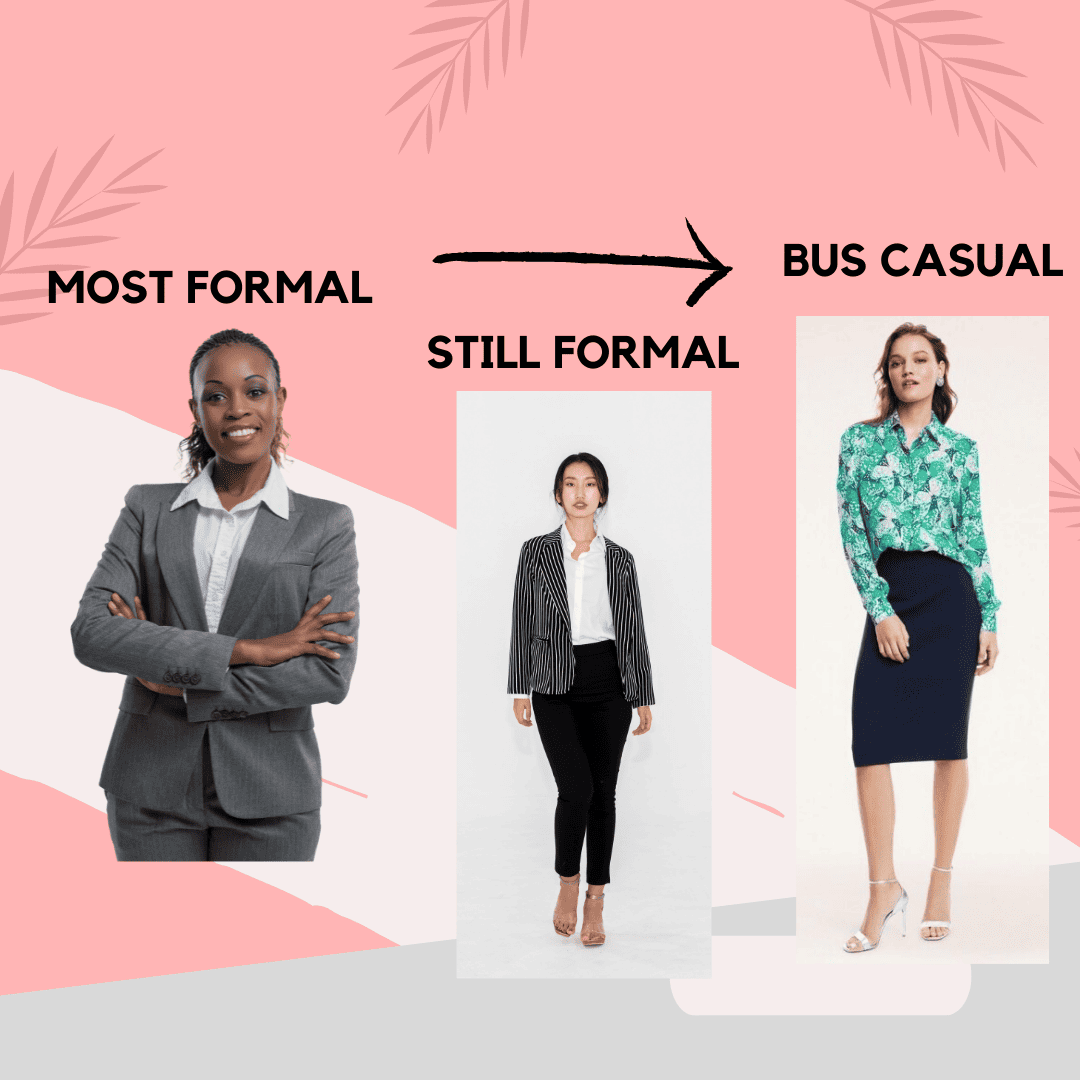
Business attire is the most formal dress code for the workplace. It’s often required in jobs where professionalism and trust are important, like law, finance, government, and high-level meetings.
Business attire usually means:
- Suits (matching jacket and pants/skirt)
- Dress shirts (collared, buttoned)
- Formal shoes (like oxfords or pumps)
- Ties for men
- Minimal accessories (like a watch or simple jewelry)
Key Features Of Business Attire
Business attire is designed to look serious and professional. Here’s what makes it stand out:
- Matching Pieces: Jackets and pants or skirts should match in color and fabric.
- Neutral Colors: Most people wear black, navy, gray, or beige.
- Dress Shirts: White or light-colored shirts are common.
- Polished Shoes: Shoes must be closed-toe and leather or similar material.
- Ties and Scarves: Men wear ties; women may add a scarf or simple necklace.
These details show respect for the workplace and help create a strong impression.
Where Is Business Attire Required?
You’ll often see business attire in:
- Law firms
- Banks and financial institutions
- Government offices
- Formal business meetings
- Job interviews (for professional roles)
- Corporate events
Some companies have strict rules. For example, in a bank, wearing a casual shirt might be seen as unprofessional. In other places, the dress code is more relaxed.
Real Example
Imagine a lawyer in a courtroom. He wears a dark suit, white shirt, and tie. His shoes are polished, and his belt matches his shoes. This look helps him appear trustworthy and professional. If he wore jeans and a t-shirt, the judge and clients might not take him seriously.
What Is Business Casual?
Business casual is a mix of formal and relaxed clothing. It’s less strict than business attire but still neat and professional. Many companies use business casual as their standard dress code to help employees feel comfortable while looking respectable.
Business casual usually means:
- Slacks or khakis
- Collared shirts (like polos or button-down shirts)
- Sweaters or cardigans
- Dress shoes or clean loafers
- No tie required
Women can wear skirts, dresses, or slacks with blouses or sweaters. Accessories are simple but can be a bit more personal.
Key Features Of Business Casual
Business casual allows more freedom. Here’s what you’ll notice:
- Mix and Match: Clothes don’t have to match perfectly.
- Brighter Colors: It’s okay to wear colors like blue, green, or patterns.
- Comfortable Fabrics: Cotton, linen, or blends are common.
- No Formal Jacket Needed: You can skip the suit jacket.
- Optional Ties: Ties are not required, but you can wear one if you like.
This style helps people express themselves while still looking ready for work.
Where Is Business Casual Used?
You’ll find business casual in:
- Tech companies
- Creative agencies
- Startups
- Casual Fridays in formal workplaces
- Day-to-day office work
- Conferences and workshops
Some offices allow jeans if they are clean and not ripped, but rules change from place to place.
Real Example
A graphic designer at a tech company might wear khaki pants, a blue button-down shirt, and loafers. She skips the jacket and tie, but her look is still tidy and professional. This helps her feel comfortable and creative, but she’s still dressed well enough to meet clients.

Credit: www.boltstaffing.com
Business Attire Vs. Business Casual: Key Differences
Understanding the differences can help you choose the right outfit. Here’s a simple comparison:
| Feature | Business Attire | Business Casual |
|---|---|---|
| Formality | Very formal | Moderately formal |
| Required Pieces | Suit, tie, dress shoes | Slacks, polo, loafers |
| Colors | Neutral (black, navy) | More variety (blue, green) |
| Accessories | Minimal | Optional, more freedom |
| Tie | Required for men | Optional |
| Jacket | Required | Optional |
| Purpose | Show professionalism | Balance comfort and respect |
Why Dress Codes Matter In The Workplace
Dress codes aren’t just about clothing. They send signals about your attitude, respect for the company, and readiness for work. The right dress code:
- Builds trust with clients and coworkers
- Helps you feel confident and ready
- Sets the tone for meetings and teamwork
- Shows you understand company culture
If you dress too casually in a formal workplace, people may think you’re not serious. If you overdress in a casual office, you might seem out of touch. Finding the balance is important.
Data On Dress Codes And Productivity
Research shows that dress codes affect employee behavior. According to a survey by OfficeTeam, 50% of managers believe that employees wearing formal business attire are more productive. However, 47% of employees say they feel more comfortable and creative in business casual clothing.
This shows that the right dress code depends on the company and the type of work.
Business Attire: Detailed Guidelines For Men And Women
Let’s look at what counts as business attire for men and women.
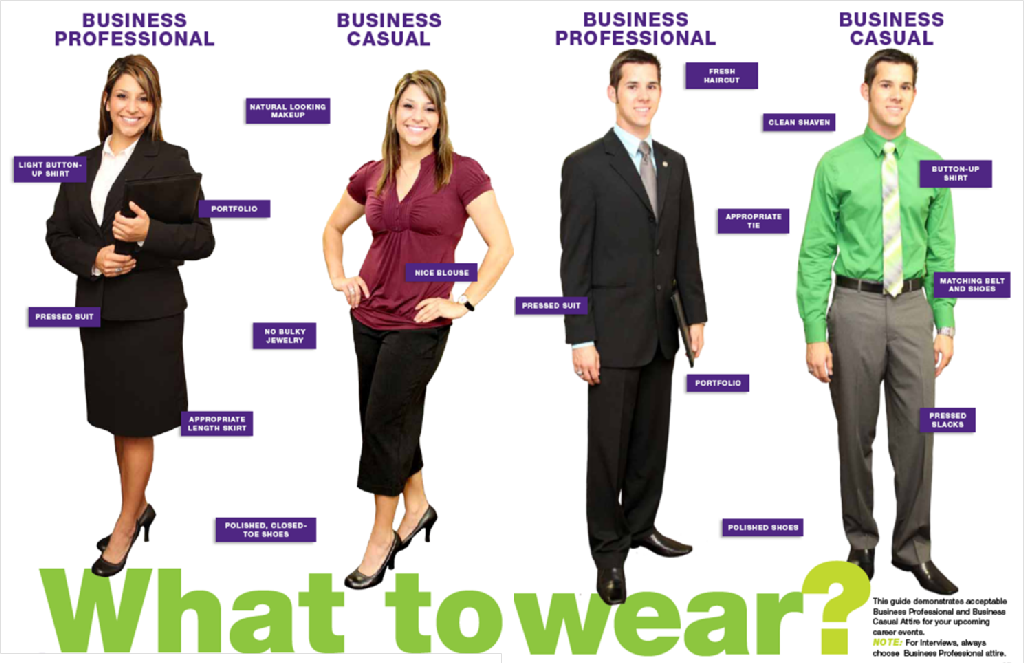
Business Attire For Men
- Suit: Dark-colored, matching jacket and pants
- Dress shirt: White or light blue, long sleeves
- Tie: Solid color or simple pattern
- Dress shoes: Leather, black or brown
- Belt: Matches shoes
- Socks: Dark, plain
Business Attire For Women
- Suit: Matching jacket and skirt or pants
- Blouse: Light color, no bold prints
- Dress shoes: Closed-toe, medium heel
- Pantyhose: If wearing a skirt
- Accessories: Simple jewelry, small handbag
Women’s business attire can include a dress, as long as it’s knee-length and not too tight or revealing.
Common Mistakes In Business Attire
- Wearing sneakers or sandals
- Bold or flashy jewelry
- Too much perfume or cologne
- Wrinkled shirts or pants
- Skipping the tie (for men)
- Skirts that are too short
These mistakes can make you look less professional. Always check your outfit before leaving home.
Business Casual: Detailed Guidelines For Men And Women
Business casual allows more choices, but there are still rules.
Business Casual For Men
- Slacks or khakis: No jeans unless allowed
- Collared shirts: Polo or button-down
- Sweaters: Over shirts or alone
- Dress shoes or loafers: No sneakers
- Belt: Matches shoes
- Optional jacket: Not required
Business Casual For Women
- Slacks, skirts, or dresses: Knee-length or longer
- Blouses or sweaters: Any color, simple prints
- Flat shoes or low heels: No flip-flops
- Accessories: More freedom, but avoid anything too flashy
Women can also wear cardigans or light jackets. Jeans might be allowed if they are clean and dark.
Common Mistakes In Business Casual
- Wearing ripped or faded jeans
- T-shirts with logos or slogans
- Sandals or flip-flops
- Overly casual dresses (like sundresses)
- Skirts that are too short
It’s easy to go too casual. If you’re unsure, dress a bit more formally.
Credit: imagedesignconsulting.com
Business Attire And Business Casual In Different Industries
Not every job has the same dress code. Here’s how different industries use business attire and business casual.
| Industry | Business Attire | Business Casual |
|---|---|---|
| Law | Required for all meetings | Rarely allowed |
| Finance | Required for client-facing roles | Allowed for internal work |
| Tech | Rarely required | Standard dress code |
| Education | Required for formal events | Standard for day-to-day |
| Creative Agencies | Not common | Standard, more freedom |
| Government | Required in offices | Allowed in some departments |
Hidden Insights: Dress Codes Can Affect Promotion
Many beginners don’t realize that dressing well can help with promotions. Managers often notice who looks ready for more responsibility. Wearing business attire at key meetings or events shows you’re serious about your career.
Another non-obvious tip: Some companies use “casual Fridays” to boost morale. But if you’re meeting a client on Friday, stick to business attire. This avoids embarrassing mistakes.
How To Choose Between Business Attire And Business Casual
Choosing the right dress code depends on:
- Company Policy: Always check the rules or ask HR.
- Type of Event: Formal meetings need business attire; everyday work may allow business casual.
- Your Role: Managers and client-facing employees should dress more formally.
- Location: Offices in big cities are often more formal than those in smaller towns.
If you’re new, start with business attire. You can relax your outfit once you see what others wear.
Practical Example
You’re starting a job at a bank. On the first day, wear a suit and tie. If you see coworkers in business casual, you can adjust the next day. This shows respect and helps you fit in.
Credit: www.morganhunter.com
Tips For Looking Your Best In Any Dress Code
Here are practical tips to help you dress confidently:
- Fit matters: Clothes should not be too tight or too loose.
- Clean and pressed: Wrinkles and stains ruin any outfit.
- Good shoes: Invest in quality shoes—they last longer and look better.
- Simple accessories: Don’t distract from your look.
- Personal grooming: Keep hair tidy, nails clean.
- Check the weather: Layer if needed, but avoid bulky jackets.
- Avoid strong perfumes: Some scents can bother coworkers.
- Prepare in advance: Plan your outfit the night before.
Less Obvious Tips
- Keep a spare shirt or blouse at work for emergencies.
- If you wear glasses, make sure they’re clean and fit your face well.
- For men, avoid novelty ties. For women, avoid bright, chunky jewelry.
These details help you look polished every day.
Business Attire And Business Casual Around The World
Dress codes can change in different countries. For example, in Japan, business attire is very formal, with dark suits and white shirts. In Silicon Valley, business casual is the norm—even CEOs wear jeans and sneakers.
Some cultures value modesty, so women may need to cover arms and legs. Always research local customs before traveling for work.
Global Trends
Remote work has changed dress codes. Many people wear business casual from home, but dress formally for video calls or meetings. Some companies now allow “smart casual”—a mix of relaxed clothes and formal pieces.
The Impact Of Dress Codes On Company Culture
Dress codes help shape a company’s culture. Formal dress codes can make employees feel serious and focused. Casual dress codes can make people feel relaxed and creative.
Research by Harvard Business Review found that companies with flexible dress codes have higher job satisfaction and lower stress. But too much freedom can lead to confusion. Clear guidelines help everyone understand what’s expected.
Dress Codes And Diversity
Dress codes should respect different backgrounds and beliefs. Some religions require certain clothing, like headscarves or long sleeves. Companies must be flexible to support diversity.
How To Build Your Work Wardrobe
Building a wardrobe for work doesn’t have to be expensive. Start with basics, then add pieces as you learn your company’s style.
Essentials For Business Attire
- 2–3 suits in neutral colors
- 4–5 dress shirts or blouses
- 2 pairs of formal shoes
- 1–2 ties or scarves
- Simple accessories
Essentials For Business Casual
- 3–4 pairs of slacks or khakis
- 3–4 polos or button-down shirts
- 2 sweaters or cardigans
- 2 pairs of loafers or dress shoes
- 2–3 skirts or dresses (for women)
Buy quality basics first. Avoid trendy items that may not fit the office style.
How Dress Codes Evolve Over Time
Dress codes change as companies grow and cultures shift. In the past, everyone wore business attire. Now, many offices allow business casual or even “casual Fridays. ”
Some companies are moving toward “smart casual”—a mix of business casual with more personal style. For example, a blazer with jeans and sneakers.
Technology has also changed dress codes. Video meetings often require only a neat shirt and jacket.
Real-life Scenarios: Choosing The Right Dress Code
Let’s look at some scenarios to help you decide what to wear.
Scenario 1: Job Interview
If you’re interviewing for a formal company, wear business attire. For a startup, business casual is usually fine, but avoid jeans and t-shirts.
Scenario 2: Important Client Meeting
Always wear business attire. It shows respect and helps build trust.
Scenario 3: Casual Friday
Check the rules first. If jeans are allowed, make sure they are clean and dark. Avoid t-shirts and sneakers.
Scenario 4: Company Workshop Or Training
Business casual is usually best. You’ll be comfortable but still look professional.
Scenario 5: Office Holiday Party
Dress codes may relax, but don’t go too casual. A smart dress or slacks and a nice shirt work well.
Comparison Table: Business Attire Vs. Business Casual For Common Events
Here’s a quick guide for what to wear at different events:
| Event | Business Attire | Business Casual |
|---|---|---|
| Job Interview | Recommended | Possible (for casual companies) |
| Client Meeting | Recommended | Not recommended |
| Day-to-Day Work | Depends on company | Recommended |
| Casual Friday | Not required | Recommended |
| Company Event | Recommended (if formal) | Possible (if informal) |
| Video Meetings | Jacket and shirt | Neat shirt/sweater |
Frequently Asked Questions
What If I’m Not Sure About The Dress Code?
If you’re unsure, always dress a bit more formally. Wearing business attire shows respect and helps you make a good impression. You can adjust later once you see what others wear.
Can Business Casual Include Jeans?
Sometimes. Some companies allow dark, clean jeans as part of business casual. Avoid ripped, faded, or baggy jeans. Always check your company’s rules before wearing jeans to work.
Is Business Attire Always Required For Interviews?
For most professional roles, yes. Business attire is the safest choice for interviews. If you’re interviewing at a creative or tech company, business casual may be okay—but avoid anything too casual.
How Do I Build A Business Casual Wardrobe On A Budget?
Start with basics like slacks, polos, and sweaters. Buy neutral colors you can mix and match. Shop during sales or at outlet stores. Over time, add more pieces as you learn what works best in your office.
Does Dress Code Affect Career Growth?
Yes. Dressing well can help you stand out and show you’re ready for more responsibility. Managers notice who looks polished and prepared. It’s a simple way to boost your chances for promotion.
Looking sharp at work is about more than just clothes—it’s about showing you care, fitting in with your team, and making a strong impression every day. By understanding the difference between business casual and business attire, you’ll always be ready for whatever your career brings.
If you want to learn more about global dress codes and trends, visit Wikipedia.
