

What is Modern Business Casual: Style Guide for Professionals
What Is Modern Business Casual
Business casual used to mean khaki pants and a button-down shirt. Today, it’s much more flexible and stylish. Modern business casual is not just a dress code—it’s a way to balance professionalism and comfort in the workplace. Many people find it confusing because it looks different in each company and country.
If you feel unsure about what to wear, you’re not alone. This guide will help you understand what modern business casual really means, how to get it right, and how to avoid common mistakes.
The Evolution Of Business Casual
Business casual started as a relaxed version of formal office wear. In the past, strict dress codes meant suits and ties for men, and skirts or dresses for women. Over time, workplaces realized that comfort can improve productivity. This led to a new style: business casual.
Today, the meaning has changed. Many offices allow jeans, sneakers, and even t-shirts. But there are still boundaries. The goal is to look professional but not overdressed.
Why Business Casual Changed
Several factors pushed this change:
- Tech industry influence: Startups and tech companies wanted comfort and creativity.
- Work-from-home trends: Remote work made formal dress less necessary.
- Diversity and inclusion: Companies want employees to express themselves.
- Globalization: Different cultures bring new ideas about what’s acceptable.
These trends made business casual more personal and diverse.
Key Elements Of Modern Business Casual
Modern business casual is about smart, clean, and comfortable clothing. It’s not the same as weekend wear or party outfits. Here’s what you need to know:
For Men
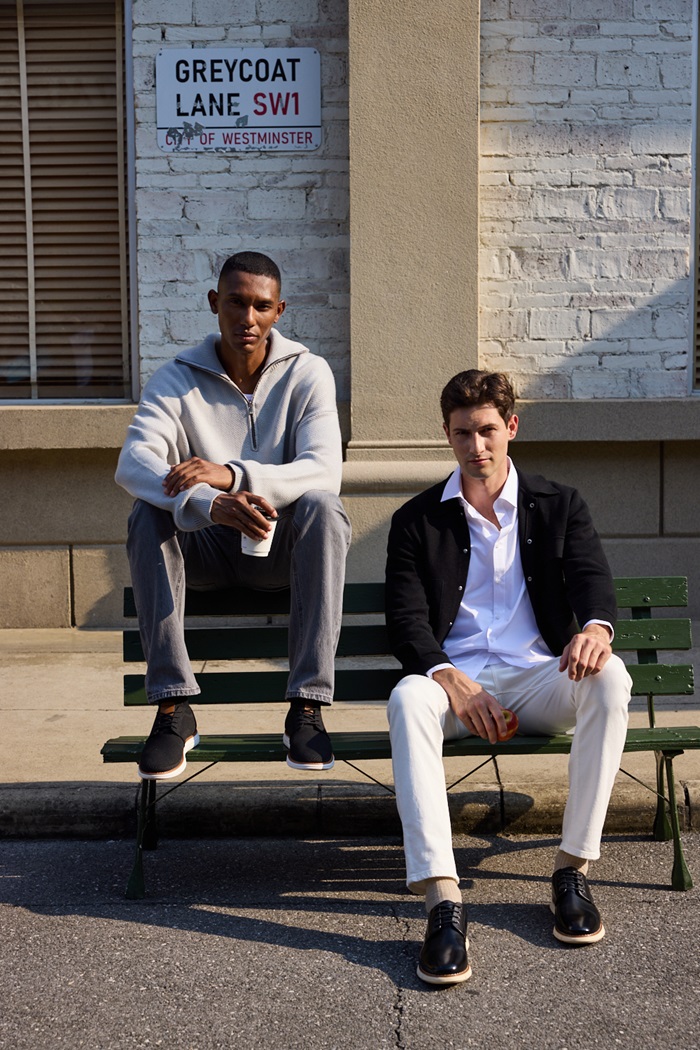
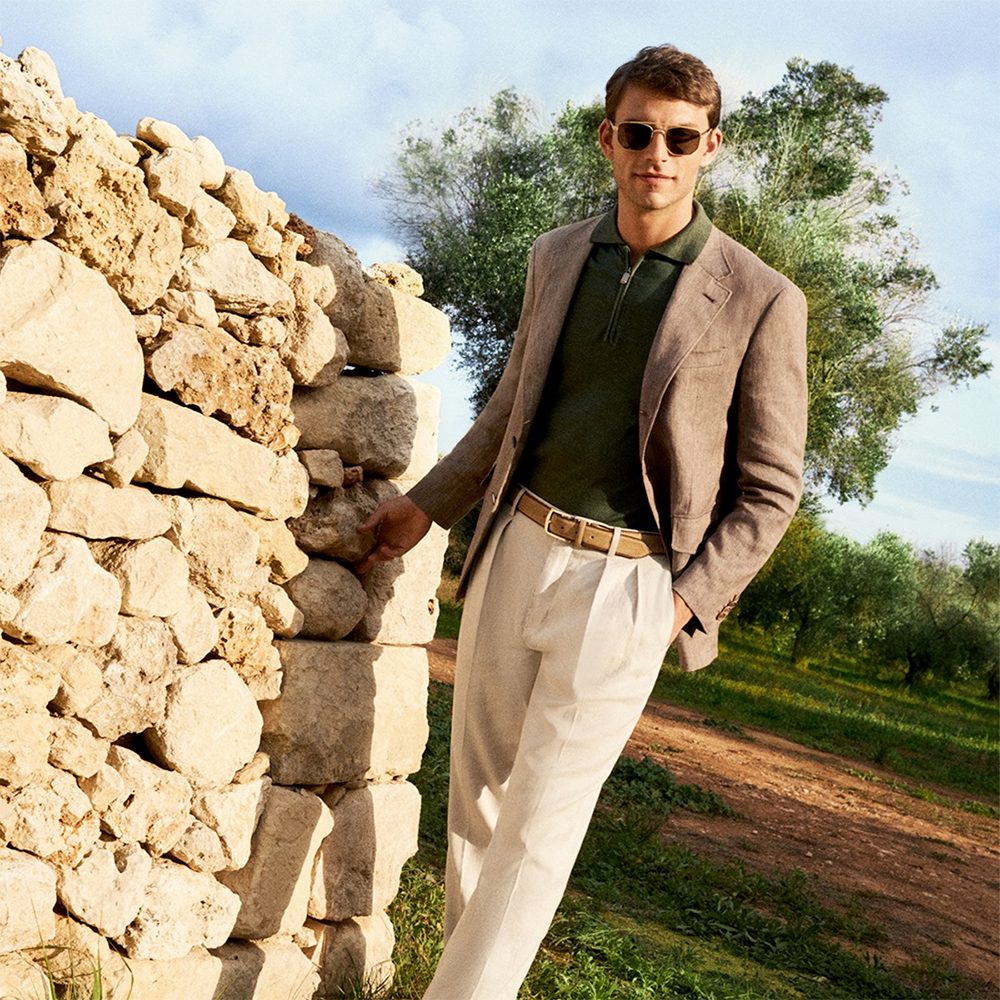
- Trousers: Chinos, dress pants, or dark jeans (no rips).
- Shirts: Button-downs, polos, or smart sweaters.
- Shoes: Loafers, brogues, or clean sneakers.
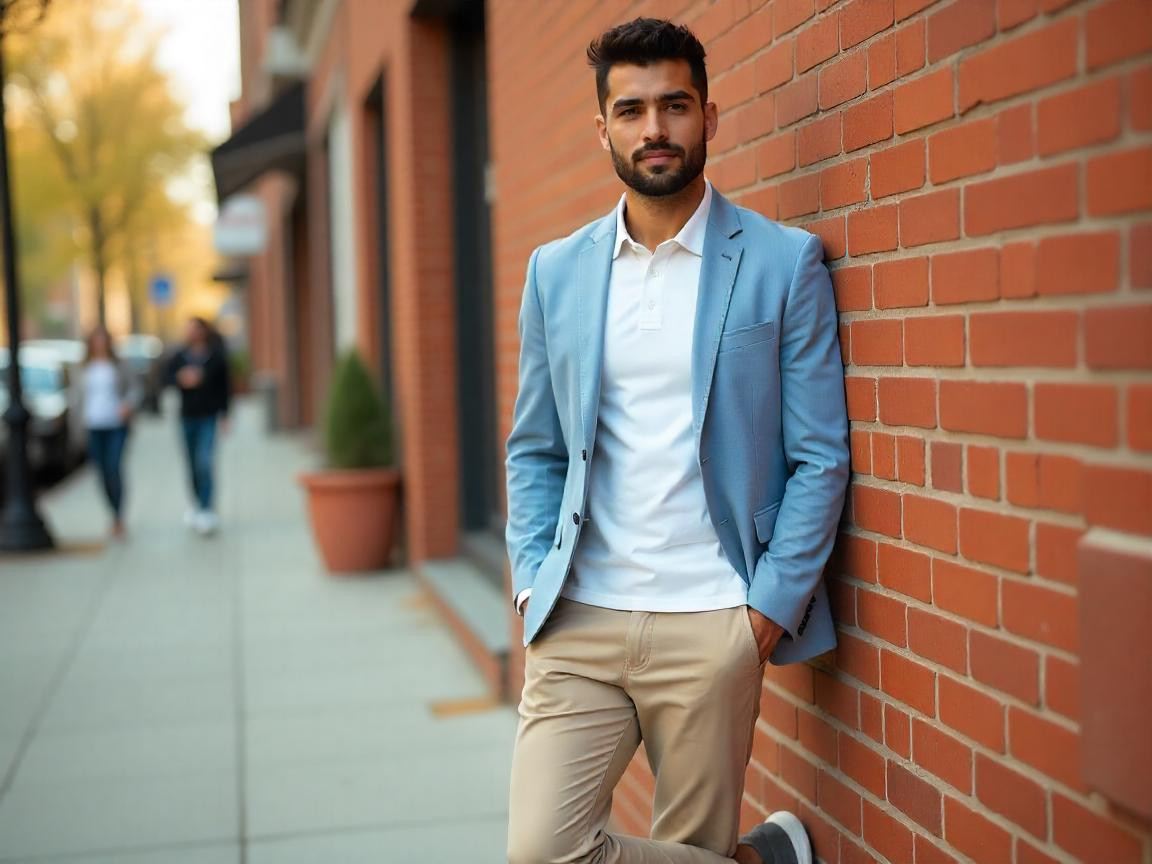
- Jackets: Blazers or casual jackets (not formal suit jackets).
- Accessories: Simple belts and watches.
Avoid shorts, graphic t-shirts, sandals, and athletic wear.
For Women
- Pants: Dress pants, tailored trousers, or dark jeans.
- Tops: Blouses, knit tops, or smart sweaters.
- Dresses/skirts: Knee-length or longer, simple designs.
- Shoes: Flats, loafers, block heels, or clean sneakers.
- Accessories: Minimal jewelry, simple bags.
Avoid mini skirts, spaghetti straps, flip-flops, and gym clothes.
Unisex Options
Some items work for everyone:
- Cardigans
- Smart jackets
- Neutral colors
- Subtle patterns
The focus is on neatness and comfort.
Modern Business Casual Vs Traditional Business Casual
To see how styles have changed, compare traditional and modern business casual:
| Aspect | Traditional Business Casual | Modern Business Casual |
|---|---|---|
| Bottoms | Khakis, dress pants | Chinos, dark jeans, tailored trousers |
| Tops | Button-down shirts, polos | Smart sweaters, polos, t-shirts (plain) |
| Shoes | Dress shoes, loafers | Loafers, sneakers, flats |
| Accessories | Belts, watches | Minimal jewelry, smart bags |
| Colors | Mostly neutral | More variety, but still subtle |
This shows how business casual is now less rigid. There is more room to show personality.
How To Build A Modern Business Casual Wardrobe
Building a wardrobe doesn’t need to be expensive or stressful. Here’s how to start:
1. Stick To Basics
Choose simple, classic items. They mix easily and never go out of style.
- White shirts
- Navy or gray pants
- Black or brown shoes
- Neutral sweaters
2. Add One Statement Piece
A colorful jacket, patterned shirt, or unique bag can show personality. But keep it balanced. Too many bold items can look messy.
3. Invest In Quality
Quality clothes last longer and look better. Focus on fabrics like cotton, wool, or blends that feel comfortable.
4. Keep Shoes Clean
Shoes are important. Even casual sneakers should look fresh and tidy.
5. Edit Regularly
Remove worn-out or outdated pieces. This keeps your wardrobe smart and current.
Sample Modern Business Casual Outfits
Here are some practical combinations for different situations:
- Men: Navy chinos + white button-down + gray sweater + brown loafers
- Women: Black tailored pants + cream blouse + dark cardigan + flats
- Unisex: Dark jeans + plain t-shirt + smart blazer + clean sneakers
The Role Of Colors And Patterns
Color can affect how others see you. In business casual, neutral colors like black, gray, navy, and beige are safe. But modern business casual allows some variety.
Using Color
- Pastel shades (light blue, pink, mint) are friendly but still professional.
- Deep colors (burgundy, forest green) are stylish and serious.
- Avoid neon or very bright colors unless your workplace is creative.
Patterns
- Stripes and small checks are classic.
- Subtle floral or geometric patterns can work in creative offices.
- Avoid large, loud patterns that distract.
If unsure, start with solids and add patterns later.
Modern Business Casual In Different Industries
Business casual changes depending on the industry. Here’s how it looks in various workplaces:
Tech Companies
Most tech offices are relaxed. Jeans, t-shirts, and sneakers are common. Hoodies and casual jackets are often allowed. But for meetings or client visits, dress up with a blazer or smart shoes.
Finance And Law
These fields are more traditional. Stick to dress pants, blouses or button-down shirts, and formal shoes. Casual Fridays may allow jeans or polos, but always check company rules.
Marketing And Creative Agencies
Creativity is encouraged. Bold colors, patterns, and accessories are welcome. But avoid anything too flashy or informal.
Education
Teachers and staff often wear comfortable clothes like cardigans, chinos, and simple dresses. Avoid shorts and flip-flops.
Healthcare
Administrative staff can wear business casual, but medical staff wear uniforms. Choose clean, easy-care clothes for busy days.
Retail And Hospitality
Managers may wear business casual, while other staff have uniforms. Comfortable shoes are important.
Credit: www.brunomarc.com
Business Casual Around The World
Different countries see business casual differently. Here’s a quick look:
| Country | Common Business Casual | Special Notes |
|---|---|---|
| United States | Chinos, shirts, sweaters, loafers | Jeans often allowed |
| United Kingdom | Smart trousers, blouses, brogues | More formal than US |
| Japan | Dark trousers, white shirts, simple shoes | Very neat, few patterns |
| India | Dress pants, kurtas, formal shoes | Traditional wear mixed with western styles |
| Germany | Jeans, shirts, sweaters, boots | Casual but tidy |
Always check local customs before choosing your outfit.
Dos And Don’ts Of Modern Business Casual
Getting business casual right is easier with these tips:
Dos
- Do keep clothes clean and pressed.
- Do choose comfortable but neat pieces.
- Do match shoes to your outfit.
- Do layer smartly with sweaters or blazers.
- Do check your company dress code.
Don’ts
- Don’t wear sports gear or gym clothes.
- Don’t use strong perfumes or colognes.
- Don’t wear wrinkled or stained items.
- Don’t show too much skin.
- Don’t wear flip-flops or beach sandals.
How Modern Business Casual Affects Workplace Culture
Clothing impacts how people feel and behave at work. Modern business casual can improve morale by making employees comfortable. It can also help companies attract talent who value flexibility.
Productivity And Comfort
Studies show that comfortable clothes can help people focus. But too much casualness can reduce professionalism. The best business casual is balanced: relaxed but respectful.
Diversity And Expression
Modern business casual lets people show their culture, personality, and creativity. This helps build a more inclusive environment.
Company Image
Clients, visitors, and new hires judge a company by how employees dress. Business casual shows the company is modern and open-minded, but still professional.
Common Mistakes In Business Casual
Many people make mistakes when dressing business casual. Here are some to avoid:
- Misunderstanding the dress code: Always check your company’s rules.
- Wearing dirty or wrinkled clothes: This looks unprofessional.
- Choosing too casual items: Avoid shorts, tank tops, and flip-flops.
- Over-accessorizing: Keep jewelry and bags simple.
- Ignoring fit: Clothes should not be too tight or too loose.
- Mixing styles poorly: Don’t wear gym shoes with dress pants.
- Forgetting about shoes: Dirty or old shoes ruin the look.
A non-obvious tip: Try your outfit the night before. This helps spot problems and saves time in the morning.
How To Adapt Business Casual For Remote Work
Remote work changed how people dress. Video calls mean your top half matters more. Here’s how to look business casual from home:
Choose Smart Tops
- Blouses, polos, sweaters, or clean t-shirts.
- Avoid noisy patterns that distract on camera.
Comfortable Bottoms
- Chinos, jeans, or even joggers (if not seen).
Grooming Still Counts
- Keep hair tidy.
- Avoid shiny or distracting accessories.
Lighting And Background
- Neutral backgrounds help your outfit stand out.
- Natural light makes colors look better.
Example: Video Call Ready
Men: Light Blue Button-down + Navy Sweater
Women: Patterned Blouse + Gray Cardigan
Unisex: Plain T-shirt + Smart Blazer
Business Casual For Different Body Types
Modern business casual is for everyone. The right fit matters more than following trends.
Tips For All Body Types
- Choose clothes that fit your shape—not too tight or loose.
- Use layers to create balance.
- Vertical stripes make you look taller.
- Dark colors slim the silhouette.
- Tailored pants and blazers flatter most figures.
A non-obvious insight: Don’t rely only on store sizes. Try clothes on and check the fit in a mirror. Altering clothes can make a big difference.
Credit: hangrr.com
Sustainability In Modern Business Casual
Sustainable fashion is growing in business casual. Companies and employees want to protect the environment.
How To Be Sustainable
- Choose clothes made from organic cotton, wool, or recycled materials.
- Buy fewer, better-quality items.
- Avoid fast fashion that wears out quickly.
- Wash clothes carefully to make them last.
Some brands now offer eco-friendly office wear. This shows you care about the planet and your workplace.
The Impact Of Business Casual On Gender Expression
Modern business casual lets people dress in ways that match their identity. Many companies support gender-neutral clothing.
Gender-neutral Options
- Blazers, cardigans, trousers, plain shirts.
- Neutral colors and simple patterns.
- Unisex sneakers or loafers.
This helps create a more welcoming workplace for everyone.
Business Casual For Special Occasions
Sometimes you need to dress up, even in a business casual office. Here’s how to adapt:
- Company parties: Add a statement piece (bold tie, unique necklace).
- Important meetings: Wear a blazer, formal shoes, and a crisp shirt.
- Job interviews: Dress a step above your daily look. Choose classic pieces.
A practical tip: If unsure, ask HR or colleagues what’s expected.
How To Handle Business Casual In Hot And Cold Weather
Weather changes what you wear. Here’s how to stay comfortable:
Hot Weather
- Lightweight fabrics like cotton or linen.
- Short-sleeved shirts (not tank tops).
- Avoid heavy layers.
- Closed-toe sandals (if allowed).
Cold Weather
- Layer with sweaters, cardigans, and jackets.
- Choose wool or thick fabrics.
- Scarves and gloves (in neutral colors).
- Boots or sturdy shoes.
Always check if your company allows certain items.
Business Casual For Plus-size And Petite Employees
Modern business casual is more inclusive. Brands now offer a wider range of sizes.
Tips For Plus-size
- Choose structured pieces (blazers, tailored pants).
- Avoid clingy fabrics.
- Use vertical lines and dark colors.
Tips For Petite
- Choose cropped pants or shorter skirts.
- Avoid oversized items.
- Use light colors and simple patterns.
A non-obvious insight: Find brands that specialize in your size. This can make shopping easier and clothes fit better.
How Technology Influences Business Casual
Technology has changed how we dress for work.
- Online shopping: Easier to find diverse styles and sizes.
- Virtual fitting rooms: Try clothes digitally before buying.
- Style apps: Get outfit ideas and tips.
This helps employees build a modern business casual wardrobe quickly.
Benefits Of Modern Business Casual
Modern business casual has many advantages:
- Comfort: Employees feel relaxed and productive.
- Flexibility: Easier to adapt to different situations.
- Inclusivity: Welcomes diverse identities and cultures.
- Cost-effective: No need for expensive suits.
Statistics show that companies with relaxed dress codes have higher job satisfaction and lower turnover.
Challenges And Solutions
Business casual can be tricky. Here are some common challenges:
- Too many choices: Solution—stick to basics and add statement pieces.
- Confusing rules: Solution—ask HR or managers for guidance.
- Peer pressure: Solution—dress for yourself, not to impress others.
Over time, you’ll find your style and feel confident.
Credit: www.apetogentleman.com
Where To Find Inspiration
If you’re unsure, look for ideas in:
- Company websites and employee photos.
- Social media (LinkedIn, Instagram).
- Fashion blogs and magazines.
- Style guides from brands.
One useful source for workplace style is Business Insider.
Frequently Asked Questions
What Is The Main Difference Between Business Casual And Smart Casual?
Business casual is more focused on workplace appropriateness. It uses classic pieces like dress pants, blouses, and loafers. Smart casual is more flexible and stylish, allowing trendy items and bold colors.
Can I Wear Jeans In A Business Casual Office?
Yes, if they are dark, clean, and without rips. Avoid light-wash or distressed jeans unless your company allows them.
Are Sneakers Allowed In Business Casual?
In many modern offices, clean, simple sneakers are acceptable. Avoid athletic or flashy styles.
How Do I Know If My Outfit Is Business Casual?
Check if your clothes are neat, comfortable, and professional. Avoid items you’d wear to the gym or beach. If unsure, ask your manager or HR.
Is Business Casual The Same In Every Country?
No. Business casual varies by culture and company. Always check local customs and company dress codes before choosing your outfit.
Modern business casual is about balance. It lets you express yourself, stay comfortable, and still look professional. As workplaces change, so does the dress code. With the right approach, you can feel confident every day.
