

What is Luxury Sportswear: Elevate Your Style and Performance
What Is Luxury Sportswear
Luxury sportswear is one of the fastest-growing sectors in fashion, blending the comfort and function of athletic clothing with the exclusivity and style of high-end brands. If you’ve ever wondered why people are willing to pay more for a hoodie or sneakers, you’re not alone. Many are drawn to the world of luxury sportswear for its quality, status, and unique design. This article will help you understand what luxury sportswear really means, how it differs from regular athletic wear, and why it has become so popular. You’ll discover the main features, leading brands, buyer trends, and the impact on both fashion and lifestyle.
Luxury sportswear is not just a trend; it reflects a change in how people live and dress. Today, more people want clothes that work for exercise, work, travel, and social events. They want to look good and feel comfortable at the same time.
High-end sportswear meets these needs by using the best materials, modern designs, and a focus on performance. For some, it is about showing off success or belonging to a stylish community, while for others, it means investing in clothes that last longer and feel better.
By the end of this article, you will see why luxury sportswear is not just about price, but about a new way of living.
Defining Luxury Sportswear
Luxury sportswear combines two worlds: the performance of sports clothing and the prestige of luxury brands. It is not just about workout gear; it’s about style, craftsmanship, and exclusivity. Brands create these products for people who value both comfort and status.
Luxury sportswear is a response to modern life, where boundaries between work, play, and socializing are less strict. People want clothes that allow them to move easily from one activity to another without changing their whole outfit. At the same time, they want to express their taste and identity.
Luxury sportswear does this by offering pieces that feel as good as they look.
Key Elements Of Luxury Sportswear
- Premium Materials: Luxury sportswear uses high-quality fabrics like cashmere, merino wool, or advanced synthetics. These materials feel better and last longer. For example, a cashmere hoodie is not only soft but also keeps you warm without adding bulk, making it perfect for travel or relaxing at home.
- Exclusive Designs: Designers focus on unique styles, limited editions, and signature details. You won’t find these pieces in every store. Some brands might add hand-painted patterns, special embroidery, or custom prints that reflect the season’s theme.
- Superior Craftsmanship: Attention to stitching, fit, and finishing is high. Many products are hand-made or carefully checked. For instance, the seams on a luxury track pant are often double-stitched and reinforced, preventing them from breaking even after years of use.
- Brand Prestige: Luxury brands like Gucci, Balenciaga, and Moncler are recognized worldwide. Wearing their sportswear signals status. In some cultures, wearing a luxury logo is a sign of success and good taste.
- Functionality: Despite their focus on style, these products still offer comfort, movement, and often moisture management. Some jackets, for example, are windproof and water-resistant, but also look stylish at a dinner party.
Luxury sportswear is as much about making a statement as it is about performance. People buy these items to feel special, look good, and enjoy the best quality. The experience of wearing something well-made and thoughtfully designed can boost confidence and even affect how others see you.
How Luxury Sportswear Differs From Regular Sportswear
Many people confuse luxury sportswear with premium or designer athletic wear. There are important differences, especially in price, design, and exclusivity.
Luxury sportswear often starts with the same basic idea—comfortable and practical clothes. But the details make all the difference. Regular sportswear is usually made for mass-market appeal and practicality, focusing on cost and wide availability. Luxury sportswear, by contrast, adds layers of exclusivity and artistry.
For example, a regular sports brand might release a new sneaker model in millions of pairs worldwide, while a luxury brand could limit a similar release to just a few hundred pairs, each with hand-stitched details or special packaging.
Comparison Table: Luxury Vs Regular Sportswear
Here is a clear view of how luxury sportswear differs from regular sportswear.
| Feature | Luxury Sportswear | Regular Sportswear |
|---|---|---|
| Materials | Cashmere, fine wool, high-tech blends | Cotton, polyester, basic synthetics |
| Design | Unique, limited editions, signature branding | Mass-produced, standard styles |
| Craftsmanship | Hand-finished, detailed stitching | Machine-produced, basic finishing |
| Price | High ($300-$2,000 per item) | Low to medium ($20-$150 per item) |
| Availability | Limited, exclusive stores | Widely available |
| Brand Prestige | Luxury, designer names | Sports brands, mass market |
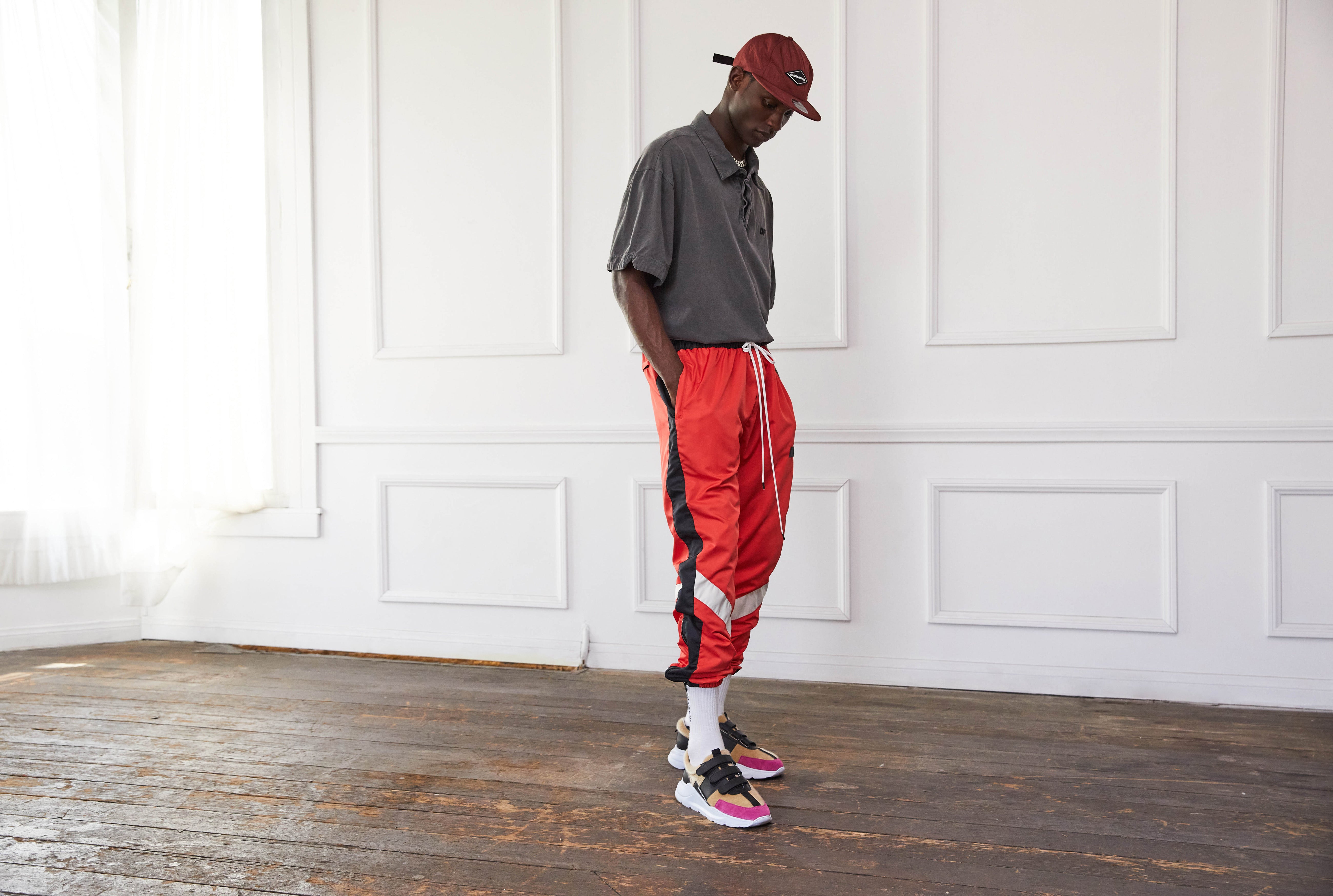
The gap between luxury and regular sportswear is clear: luxury sportswear is not just about exercise; it’s about fashion, lifestyle, and status. One non-obvious difference is after-sales service. Luxury brands often offer repairs, replacement, or even lifetime guarantees, something rarely seen with regular sportswear.
Credit: daniel-patrick.com
The Rise Of Luxury Sportswear
The growth of luxury sportswear has changed both the fashion and sports industries. What started as a niche has now become a mainstream trend.
The rise began slowly, with a few luxury brands adding athletic-inspired pieces to their collections. Soon, this changed as more people began working remotely or sought comfort during travel. The world of sportswear and high fashion began to overlap, creating something new that fit modern life.
Why Luxury Sportswear Became Popular
Several factors pushed luxury sportswear forward:
- Athleisure Trend: People want to wear comfortable clothes everywhere, not just at the gym. Athleisure blurs the lines between sportswear and everyday clothing, so you can move from a yoga class to a lunch meeting without changing outfits.
- Celebrity Influence: Stars and influencers wear luxury sportswear in public and on social media. For example, when a famous footballer posts a photo in a Balenciaga tracksuit, that item often sells out quickly.
- Brand Collaborations: Partnerships between sports brands and luxury labels (like Adidas x Prada) attract attention and create hype. These limited runs often become collector’s items and can even increase in value over time.
- Changing Lifestyles: Work-from-home, casual offices, and relaxed dress codes make sportswear more acceptable. Many tech companies, for instance, allow luxury sneakers and hoodies instead of formal wear.
- Social Status: Wearing luxury sportswear shows wealth, taste, and belonging to a certain group. In some urban circles, it is almost expected to wear the latest designer sneakers or a logo-branded tracksuit.
Another factor is social media. People share their outfits online, and unique, recognizable luxury sportswear items are easy to spot and comment on, spreading trends even faster.
Market Data
Luxury sportswear is now a multi-billion-dollar industry. According to market research, the global athleisure market is expected to grow by more than 8% each year. Luxury brands have seen a sharp increase in sales of sportswear, making up nearly 30% of their total revenue in some cases.
For example, Lululemon’s growth in both the US and Asia shows how demand for premium sportswear has gone global. Moncler, once known mainly for ski jackets, now sells more lightweight tracksuits and sneakers than ever before. This growth is not just in big cities—smaller markets are catching up as more people around the world adopt a casual, yet stylish, lifestyle.
Main Features Of Luxury Sportswear
Luxury sportswear stands out for its materials, design, and attention to detail. Let’s look at what makes it special.
Premium Fabrics
Luxury sportswear often uses rare or advanced materials:
- Cashmere: Soft, warm, and lightweight, used for sweaters and joggers. Cashmere comes from special goats and is collected by hand, which is why it is expensive and rare.
- Merino Wool: Breathable and moisture-wicking, great for base layers. Merino wool is softer than regular wool and doesn’t itch, making it a favorite for both summer and winter wear.
- Technical Fabrics: Blends that offer stretch, temperature control, or water resistance. Some brands use fabrics that regulate body temperature, wick away sweat, or block UV rays.
These fabrics make the clothing comfortable, durable, and visually appealing. They also require special care, which adds to the feeling of luxury.
Unique Design Elements
Designers add special touches to make their sportswear stand out:
- Custom logos: Embroidered or printed in creative ways. For instance, Off-White uses its famous arrows and stripes in unexpected places.
- Limited editions: Only a few pieces made, increasing exclusivity. Some items are even numbered, making them collectibles.
- Bold colors: Unusual color combinations or patterns. Balenciaga is known for its neon shades and oversized fits.
- Artistic details: Graphics, patches, or unexpected shapes. Brands like Gucci might add hand-painted flowers or animal motifs to a tracksuit.
Some brands even offer personalized options, allowing buyers to add their own touch. For example, you can have your initials added to a Moncler jacket or select a special color combination in a NikeLab release.
Craftsmanship And Fit
Luxury sportswear is designed to fit perfectly. Tailoring is precise, and finishing is carefully checked. The result is clothing that feels better and looks sharper than regular sportswear.
For example, the inside seams of a luxury hoodie are usually covered and flat, so they don’t rub against your skin. The cuffs and hems are reinforced so they don’t stretch out over time. Buttons, zippers, and other small parts are often custom-made for each collection.
Functionality
While style is key, luxury sportswear does not ignore performance:
- Stretch: Allows easy movement. High-quality elastane or lycra is often blended in.
- Moisture-wicking: Keeps you dry during activities. Some fabrics have special coatings or weaves.
- Breathability: Prevents overheating. This is important for items like running tops or yoga pants.
Some items even include smart features like UV protection or anti-odor technology. For example, some luxury running shirts use silver fibers, which naturally kill bacteria and reduce odor.
A detail beginners often miss: luxury sportswear sometimes hides its best features. Instead of flashy labels, the quality is in the feel, fit, and subtle branding.

Credit: daniel-patrick.com
Leading Luxury Sportswear Brands
Many brands compete in the luxury sportswear market. Each offers a unique approach and target audience.
Some brands started in sports and moved up to luxury, while others began as luxury and added sports-inspired lines. The blend of influences creates a rich and diverse market.
Top Brands
- Gucci: Known for bold designs and signature colors. Their sportswear is popular among celebrities. Gucci’s tracksuits, for example, often feature the green-red-green stripe and gold embroidery.
- Balenciaga: Combines streetwear and luxury. Famous for oversized hoodies and sneakers. Their Triple S sneakers are a global fashion statement.
- Moncler: Focuses on outerwear, especially jackets and vests, with a sporty edge. Moncler’s down jackets are seen in both ski resorts and city streets.
- Lululemon: Started as premium yoga wear, now offers luxury sportswear for all activities. Their Align pants are famous for comfort and style.
- Adidas x Prada: Collaborative collections that mix sportswear with high fashion. These limited sneakers and tracksuits often sell out in minutes.
- NikeLab: Nike’s luxury division, offering limited-edition pieces. NikeLab releases often feature experimental designs and materials.
- Off-White: Uses bold graphics and unique cuts, popular in urban luxury. Off-White’s “zip tie” tag is instantly recognizable.
- Stella McCartney for Adidas: High-end athletic wear with eco-friendly materials. Stella’s line is known for its feminine yet functional pieces.
- Versace: Adds luxury touches to classic sportswear items. Versace includes baroque prints and gold detailing even on hoodies.
- Tom Ford: Known for tailored tracksuits and high-end sneakers. Tom Ford’s sportswear is popular among celebrities who want a luxury look outside formal events.
These brands lead the way in luxury sportswear, setting trends and raising standards.
Some brands, like Lululemon and Moncler, focus on technical innovation, while others, like Gucci and Off-White, are more about artistic design and brand identity.
Comparison Table: Brand Focus And Audience
Below you can see how different luxury sportswear brands position themselves.
| Brand | Main Focus | Audience |
|---|---|---|
| Gucci | Bold, artistic designs | Fashion-forward, young professionals |
| Moncler | Outerwear, technical fabrics | Outdoor enthusiasts, city dwellers |
| Lululemon | Yoga, athleisure | Active lifestyle, wellness seekers |
| NikeLab | Limited edition, sporty | Collectors, athletes |
| Off-White | Street luxury, graphics | Urban youth, trendsetters |
Each brand creates its own niche, appealing to different types of buyers. For example, Lululemon is especially popular among women who want high-quality yoga and running gear, while Off-White is favored by urban fashion fans looking for statement pieces.
Buying Luxury Sportswear: What Matters Most
Purchasing luxury sportswear is not just about price. Buyers look for several key factors.
What Buyers Should Consider
- Material Quality: Check the fabric. Is it soft, durable, and comfortable? High-quality materials will feel smoother and last longer, but may also need special care.
- Fit and Comfort: Try the item. Luxury sportswear should fit perfectly and feel good. A well-fitted jacket or pants can make you look taller, slimmer, or more athletic.
- Brand Reputation: Is the brand known for quality and style? Research customer reviews and expert opinions.
- Design and Exclusivity: Is the piece unique? Limited editions add value. Some buyers choose pieces that are rare or have special details, so they stand out in a crowd.
- Functionality: Does it suit your activity? Is it practical for everyday wear? Make sure the item matches your lifestyle, whether you need warmth, flexibility, or breathability.
- Care Instructions: Luxury fabrics often need special care (like dry cleaning). Check if you are ready to take care of the item before buying.
Ignoring these points may lead to disappointment. For example, buying a stylish hoodie that feels itchy or shrinks after washing is a common mistake. Some luxury sportswear, such as white sneakers or cashmere joggers, may not be practical for all situations (like hiking or rainy weather).
Common Buyer Mistakes
- Buying for the logo only: Don’t choose an item just for its brand. Quality matters more. Sometimes, less-known luxury brands offer better value.
- Ignoring care instructions: Luxury sportswear is often delicate. Improper washing can ruin it. Always read the label and ask if you’re unsure.
- Choosing style over comfort: Some designs look great but are uncomfortable. If you can’t move freely, you won’t wear the item often.
- Overpaying for trends: Some items are expensive because they’re popular, not because they’re truly high-quality. Think about whether you’ll still like the piece in a year or two.
Practical Tips
- Always check the stitching and label. High-end brands usually have neat, strong stitching. Loose threads or uneven seams are a warning sign.
- Try before you buy if possible. Sizes can vary between brands. Some luxury brands use European sizing, which may fit differently than what you’re used to.
- Ask about returns and guarantees. Some luxury brands offer excellent customer service. If you buy online, check the return policy in case the item doesn’t fit.
Another tip: keep receipts and packaging, especially for rare or collectible items. They can be valuable if you ever want to resell.
Luxury Sportswear And Social Status
Luxury sportswear is not just about clothing; it’s a symbol of identity and status.
Social Impact
Wearing luxury sportswear shows belonging to a certain group. It can signal wealth, fashion sense, and even lifestyle choices. Many people use these items to stand out or fit in with their peers.
For example, in some cities, luxury sneakers are seen as a modern version of a business card. Wearing the latest release from a well-known designer can open conversations and show that you are aware of trends.
Celebrity And Influencer Culture
Celebrities and influencers play a huge role in promoting luxury sportswear. When someone famous wears a designer tracksuit, it becomes a trend. Social media amplifies this effect, making luxury sportswear visible and desirable.
Some brands even use “seeding” strategies, giving new collections to influencers before they launch in stores. This creates buzz and long waiting lists.
Non-obvious Insight
One thing beginners often miss: luxury sportswear is a networking tool. In some circles, wearing the right brand can help you connect with others, open doors, or even gain professional opportunities. For example, a rare pair of sneakers can spark a conversation at a party or business event, leading to new friendships or contacts.
Sustainability In Luxury Sportswear
Luxury sportswear brands are increasingly focusing on sustainability. They use eco-friendly materials and ethical production methods.
Sustainability is now a key selling point. Many buyers, especially younger ones, want to know how their clothes are made. Brands respond by using recycled materials, reducing waste, and being transparent about their supply chains.
Eco-friendly Materials
Many luxury brands now use:
- Organic cotton
- Recycled polyester
- Bamboo fibers
- Vegan leather
These materials help reduce environmental impact. For example, Stella McCartney’s Adidas line uses recycled ocean plastic. Lululemon has started using plant-based dyes and fabrics made from wood pulp.
Ethical Production
Brands are also improving working conditions and supporting fair wages. Consumers demand transparency, and luxury brands respond with better practices.
Moncler, for example, audits its supply chain to make sure workers are treated fairly and paid well. Gucci has launched programs to reduce water use and carbon emissions in its factories.
Data Table: Sustainable Materials Used In Luxury Sportswear
| Brand | Material | Sustainability |
|---|---|---|
| Stella McCartney for Adidas | Recycled polyester | Reduces plastic waste |
| Lululemon | Organic cotton | Lower water usage |
| Moncler | Recycled nylon | Less landfill impact |
| Gucci | Bamboo fibers | Fast-growing, renewable |
Non-obvious Insight
Sustainability is not just about materials. Luxury brands also invest in circular design—creating products that can be recycled or reused. This is a growing trend that will shape the future of sportswear.
For example, some brands now offer take-back programs, where you can return old items for recycling or store credit. Others are designing clothes with fewer mixed materials, making recycling easier.
Luxury Sportswear In Everyday Life
Luxury sportswear is now worn almost everywhere: at work, social events, travel, and even formal occasions.
The idea of “dressing up” has changed. People now want to look polished but also feel comfortable. Luxury sportswear allows them to do both.
Workplace And Social Settings
Many offices accept smart sportswear as business casual. People wear designer sneakers or tailored joggers with blazers. This mix of comfort and style is a new norm.
In creative industries, it’s common to see CEOs wearing luxury hoodies or branded sweatshirts at meetings. Some companies even encourage relaxed dress codes, seeing it as a sign of modern thinking.
Travel And Leisure
Luxury sportswear is ideal for travel. It is comfortable for long flights and stylish enough for meetings or dinners. Some brands even offer travel collections with wrinkle-resistant fabrics.
For example, a Moncler jacket can keep you warm on a plane and look elegant in a European city. Lululemon’s travel pants have hidden pockets and stretch for all-day comfort.
Sports And Fitness
While luxury sportswear is stylish, it can still be used for exercise. Many items are designed for yoga, running, or golf. However, some luxury pieces are more about appearance than performance.
A practical tip: if you plan to work out in luxury sportswear, check the care instructions and durability first. Some fabrics are designed for light activity, not intense training.
Practical Example
A person might wear Lululemon joggers to work, Moncler jacket for travel, and Gucci sneakers for social outings. This flexibility is a key reason for the popularity of luxury sportswear.
Another example: attending a business lunch in a Stella McCartney for Adidas dress, then heading to a fitness class without changing clothes. The transition is seamless and stylish.
The Future Of Luxury Sportswear
Luxury sportswear is evolving. New technologies, styles, and business models are shaping its direction.
Innovations
- Smart fabrics: Materials that adjust to temperature or track health data. For example, some jackets can heat up or cool down with a button.
- Personalization: Custom designs made for individual buyers. Some brands offer apps where you can choose colors, fabrics, or even add your name.
- Sustainable production: More brands focus on eco-friendly processes. Factories are using less water, solar energy, and recycled packaging.
Another innovation is digital fashion—virtual sportswear for online avatars or gaming. This is a new way brands are reaching customers, especially young ones.
Market Trends
Luxury sportswear will continue to grow. More brands will enter the market, and buyers will demand better quality and sustainability. The line between sportswear and everyday clothing will blur even more.
Expect to see more gender-neutral collections, new materials like mushroom leather, and even AI-designed clothing. Brands will compete not only on style, but also on comfort, ethics, and digital experiences.
Example Of Future Direction
NikeLab is experimenting with smart sneakers that sync with fitness apps. Gucci is launching virtual collections for online avatars. The future will bring new ways to experience luxury sportswear.
Brands may also use augmented reality to let customers try on clothes virtually, or offer limited-edition digital sneakers that come with a matching real-life pair.
Credit: www.nike.com
Frequently Asked Questions
What Makes Sportswear "luxury"?
Luxury sportswear uses high-end materials, unique designs, and careful craftsmanship. It is made by famous brands and often comes in limited editions. The quality, exclusivity, and status make it luxury.
Is Luxury Sportswear Worth The Price?
For many, yes. The comfort, fit, and durability are higher. Also, owning a piece from a luxury brand can feel special and boost confidence. However, some items are expensive mainly because of the brand name. Compare quality and price before buying.
Can Luxury Sportswear Be Used For Real Sports?
Most luxury sportswear is functional and can be used for activities like yoga, running, or golf. Some items, especially those with delicate fabrics or artistic designs, are better for casual wear.
Which Brands Are Most Popular For Luxury Sportswear?
Brands like Gucci, Balenciaga, Moncler, Lululemon, and Off-White are leading the luxury sportswear market. Collaborations, like Adidas x Prada, also create popular collections.
How Can I Tell If A Piece Is Real Luxury Sportswear?
Look for premium materials, precise stitching, unique design elements, and the brand’s reputation. Be careful of fakes—buy from official stores or trusted online platforms. For more guidance, see Vogue Fashion Trends.
Luxury sportswear is more than just clothing; it’s a statement of style, comfort, and identity. As the market grows, buyers can expect even more choices, better quality, and new innovations. Whether you’re looking for performance or prestige, luxury sportswear offers something special for everyone.
