

What is Large T Shirt: Sizing Guide and Fit Explained
What Is Large T Shirt
For many people, finding the right size in clothing is a daily challenge. When it comes to T-shirts, a “large” size is one of the most common options you’ll see on the rack. But what exactly is a large T-shirt?
Does it mean the same thing everywhere? Why do some large T-shirts feel too tight and others too baggy? If you’ve ever wondered what a large T-shirt really is, you’re not alone. Understanding this topic can save you time, money, and frustration when shopping for comfortable clothes.
Whether you shop online or in-store, knowing about sizing, fit, and how brands differ is important. A large T-shirt is more than just a size label — it’s the result of different standards, manufacturing choices, and cultural habits. This article will explain everything you need to know about large T-shirts, from measurements and fit styles to fabric types, shopping tips, and even how body shape can affect your choice.
We’ll explore sizing charts, real-world examples, and common mistakes that many people make when buying large T-shirts. By the end, you’ll feel confident choosing the right large T-shirt for your needs, and you’ll understand why not all “large” shirts are created equal.
What Does "large" Mean In T-shirts?
The term large is a clothing size that brands use to help people find shirts that fit them. But in reality, “large” can mean different things in different places and brands. In most cases, a large T-shirt is designed for people who are bigger than average but not the largest size available.
Usually, clothing brands use a scale like S (small), M (medium), L (large), XL (extra large), and so on. Large sits between medium and extra large. However, the gap between these sizes can be big. This is because there is no single rule that says what a large T-shirt must measure.
One brand may make a large T-shirt that fits loosely, while another may make a tighter one.
The Purpose Of Standard Sizing
Brands use standard sizing to make shopping easier. If you know you usually wear a large, you can pick that size most of the time. But different countries and brands use different standards. For example, a large in the US is often bigger than a large in Asia or Europe.
Why Do Sizing Differences Exist?
There are three main reasons:
- Cultural differences: Body shapes and sizes are different around the world, so companies adapt their clothing.
- Target customer base: Brands focused on sportswear may make larger, looser shirts, while fashion brands may make slimmer fits.
- Production methods: Some brands use more generous fabric cuts, while others try to save material.
Because of these reasons, a “large” T-shirt is not always the same everywhere. This is why it’s important to check the measurements rather than just the label.
Typical Measurements Of A Large T-shirt
Let’s look at what a large T-shirt usually measures. The most common measurements you’ll see are chest width, length, and sometimes sleeve length. These can differ by brand, but there are some averages you can use as a guide.
| Measurement | Men's Large (inches) | Women's Large (inches) |
|---|---|---|
| Chest width | 42-44 | 38-40 |
| Shirt length | 29-30 | 26-27 |
| Sleeve length | 9-10 | 7-8 |
These numbers are just averages. Some brands may go a couple of inches up or down. The best way to know if a large T-shirt will fit is to measure a shirt you already like and compare it to the brand’s size chart.
How To Measure Yourself For A Large T-shirt
To find out if a large T-shirt is right for you, you need three key measurements:
- Chest: Wrap a tape measure around the fullest part of your chest, under your arms.
- Length: Measure from the highest point of your shoulder down to where you want the shirt to end.
- Sleeve: Measure from the top shoulder seam to the end of the sleeve.
If your chest measurement is between 42 and 44 inches (for men) or 38 and 40 inches (for women), a large T-shirt will usually fit.
Large T-shirt Fit Types: Classic, Slim, And Relaxed
Not all large T-shirts fit the same way. Brands offer different fits to suit different preferences and body types.
Classic Fit
The classic fit is the standard for most large T-shirts. It is loose but not baggy, with enough room to move comfortably. The sleeves are usually a medium length, and the shirt falls straight down from the chest.
Slim Fit
The slim fit is tighter around the chest, waist, and arms. It is designed for people who want a modern look or have a lean body type. A large slim-fit T-shirt may feel like a medium classic-fit.
Relaxed Or Oversized Fit
The relaxed fit is wider and longer, offering more space for comfort. Some brands call these “oversized” T-shirts. A large relaxed-fit T-shirt may feel as big as an extra-large in classic fit.
Comparison Table: Large T-shirt Fit Types
| Fit Type | Body Shape | Style | When to Choose |
|---|---|---|---|
| Classic | Average/Most | Standard | Everyday wear, basic comfort |
| Slim | Lean | Modern | Fashion-forward, layering |
| Relaxed | Any | Casual, streetwear | Extra comfort, relaxed style |
Fabric Choices For Large T-shirts
The material a T-shirt is made from changes the way it feels and fits. Here are the most common fabrics used in large T-shirts:
1. Cotton
Cotton is the most popular T-shirt fabric. It is soft, breathable, and comfortable for daily wear. 100% cotton large T-shirts are easy to care for, but they may shrink a little after washing.
2. Polyester
Polyester is a synthetic fabric. It is light, dries quickly, and keeps its shape well. Large T-shirts made from polyester are often used for sports or active wear.
3. Cotton-polyester Blend
A cotton-poly blend combines the best of both materials. These T-shirts are comfortable and more durable than pure cotton. They also shrink less.
4. Other Fabrics
Some large T-shirts use bamboo, modal, or rayon. These are soft, eco-friendly, and have a unique feel, but are usually more expensive.
Fabric Comparison Table
| Fabric | Comfort | Durability | Best Use |
|---|---|---|---|
| Cotton | High | Medium | Everyday |
| Polyester | Medium | High | Sports |
| Cotton-Poly Blend | High | High | All-purpose |
| Bamboo/Modal | Very high | Medium | Eco-friendly |
How Fabric Affects Fit
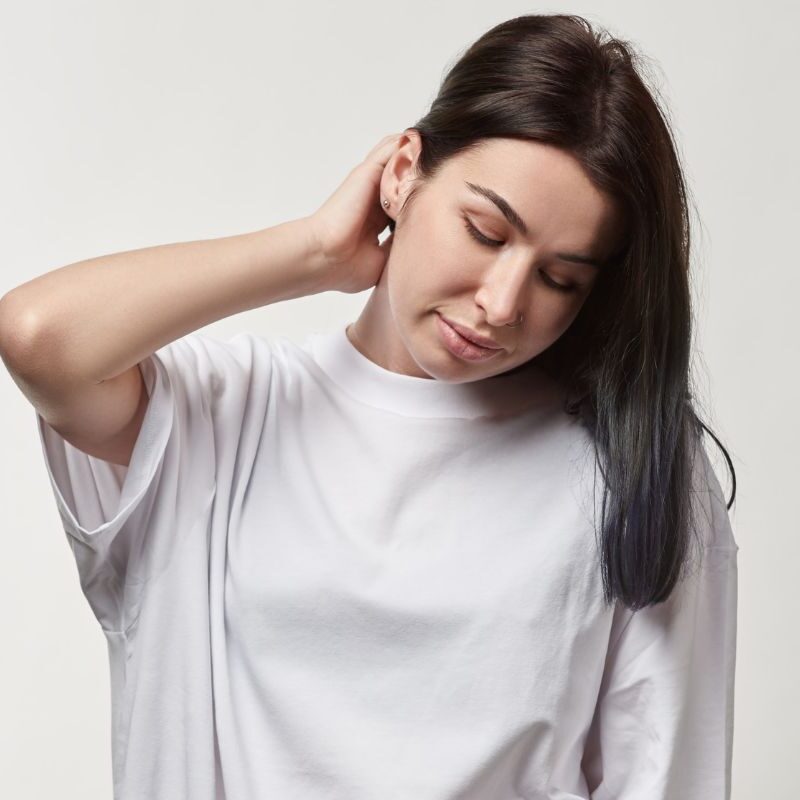
Some people miss this point: fabric choice can change how a large T-shirt fits. For example, a large polyester shirt may feel tighter than a cotton one because it stretches less. Blends may also feel different in hot or cold weather. Always check the fabric type before buying.
Credit: www.swagify.com
Large T-shirt Sizing Across Brands And Regions
One of the most confusing parts of buying large T-shirts is that sizes are not the same everywhere. Here’s why:
Differences By Country
A large T-shirt in the US is usually bigger than a large T-shirt in Asia. European sizes often sit in between. For example, a person who wears a US large may need an XL in Japanese brands.
Brand Sizing Charts
Each brand creates its own sizing chart. Some brands, especially sports or outdoor brands, use bigger cuts. Fashion brands may use slimmer cuts for the same size label.
Why You Should Always Check The Chart
This is a step many buyers skip: always check the brand’s size chart before buying, especially online. This can save you from needing to return clothes that don’t fit.
Example: Comparing Large T-shirt Sizes Across Three Major Brands
Here’s a practical example of how large T-shirt sizing can differ:
- Brand A: Large chest = 42 inches, length = 29 inches
- Brand B: Large chest = 44 inches, length = 30 inches
- Brand C: Large chest = 41 inches, length = 28 inches
If you usually wear large, Brand B’s shirt might feel too big, and Brand C’s might feel tight.
Who Should Wear A Large T-shirt?
A large T-shirt is designed for people who have a chest size in the large range (usually 42-44 inches for men, 38-40 for women). But it’s not just about body measurement.
Body Shape Matters
Some people have broad shoulders, while others have a larger waist. Two people with the same chest measurement may need different fits. If you have a long torso, you may need a tall or longer large T-shirt.
Height And Proportion
Some brands offer “large tall” sizes, which give extra length. This is good for people who are taller than average but not wider.
Age And Activity Level
Younger people often prefer a slimmer fit, while older people may want more comfort. If you play sports or move a lot, you may like a relaxed-fit large T-shirt.
How To Choose The Right Large T-shirt
Picking the best large T-shirt for you involves more than just grabbing the L size from the rack. Here are steps and tips to get it right:
1. Know Your Measurements
Measure your chest, waist, and length from shoulder to desired hem. Write these numbers down.
2. Check The Brand's Size Chart
Every brand is different. Compare your numbers to their chart. Don’t just trust the “large” label.
3. Decide On The Fit
Choose classic, slim, or relaxed fit based on how you want the shirt to look and feel.
4. Consider Fabric And Use
If you want a shirt for hot weather, pick cotton or bamboo. For sports, polyester or a blend is better.
5. Try It On, If Possible
If shopping in person, try the shirt on. Move your arms, sit, and stretch. Make sure you have enough room.
6. Read Reviews
If shopping online, check user reviews for comments about fit. Some shirts run small or large.
7. Don’t Ignore Shrinkage
Some cotton shirts shrink after washing. Look for “pre-shrunk” labels or size up if you’re unsure.
Common Mistakes When Buying Large T-shirts
Many people buy T-shirts that don’t fit well. Here are mistakes to avoid:
- Ignoring size charts: Assuming all “large” shirts are the same can lead to disappointment.
- Not checking fabric: The same size in different fabrics can feel very different.
- Forgetting about shrinkage: Especially with pure cotton, shirts may shrink after the first wash.
- Buying for the wrong fit: Slim fits may look too tight if you want a relaxed style.
- Not considering length: Tall people often find regular large T-shirts too short.

Credit: talentless.co
Real-world Example: Two People, Same Size Label, Different Fits
Let’s say two friends both buy a large T-shirt from the same store. One is broad-shouldered but slim at the waist. The other is shorter but has a wider waist. The same shirt may look great on one person and feel uncomfortable on the other. This happens because body shape affects how a T-shirt fits, not just the size label.
Are There Universal Standards For Large T-shirts?
There is no single global standard for what a large T-shirt should measure. Some organizations try to create standards, but most brands set their own rules. This is why you should never assume that a large in one country or brand is the same as another.
International Size Conversion
If you travel or buy from international stores, you may need to convert sizes. Here’s a quick example:
- US Large ≈ UK Large
- US Large ≈ EU 52-54
- US Large ≈ Japan XL
Always check conversion charts and, if possible, look at the brand’s own recommendations.
Caring For Your Large T-shirts
Taking care of your shirts helps them last longer and keep their shape.
Washing Tips
- Wash in cold or warm water to prevent shrinking.
- Use gentle cycles for delicate fabrics.
- Avoid bleach, which can damage fabric.
Drying Tips
- Air dry when possible to avoid shrinking and fading.
- If using a dryer, use a low-heat setting.
Ironing And Storage
- Most T-shirts do not need ironing, but if you do, use a low setting.
- Store T-shirts folded or on hangers to prevent wrinkles.
Large T-shirts In Fashion And Culture
Large T-shirts are not just about size — they are also a fashion statement. Some people wear oversized shirts for style, not just comfort.
Streetwear And Oversized Trends
In some fashion trends, wearing a large or extra-large shirt is popular, even for people who could wear a smaller size. This is common in streetwear, where an oversized look is part of the style.
Branding And Graphics
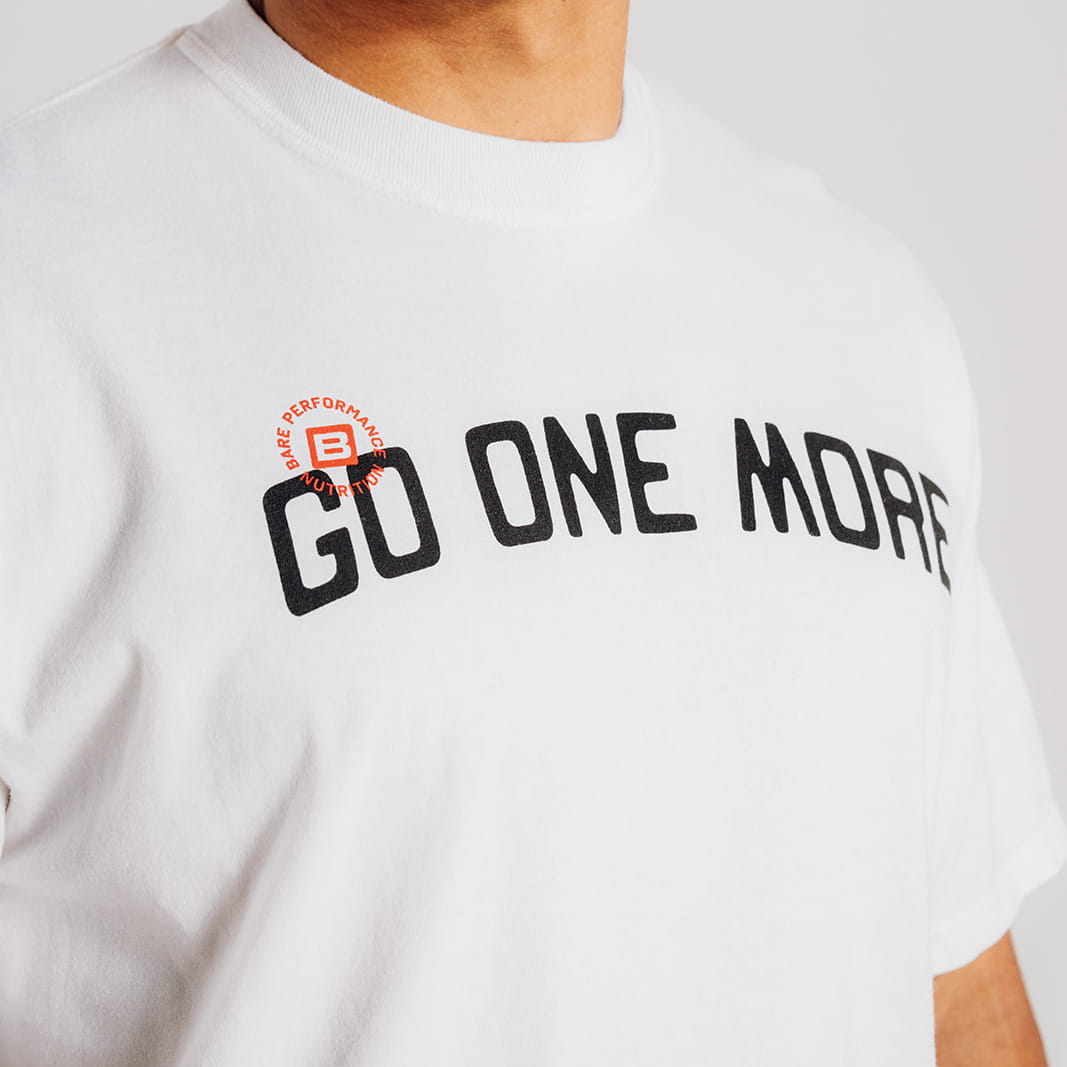
Large T-shirts often have room for bigger logos, graphics, or messages. Many people choose large sizes for this reason, as the design stands out more.
Custom T-shirts
If you want a shirt with your own design, printing on a large T-shirt gives more space for artwork or text.
Credit: www.bareperformancenutrition.com
Environmental And Ethical Considerations
When buying large T-shirts, some people think about how the shirts are made.
Sustainable Materials
Organic cotton, bamboo, and recycled polyester are better for the environment. These options are becoming more common.
Ethical Production
Look for brands that pay fair wages and have safe factories. Some brands list this information online.
Longevity
Buying a good quality large T-shirt that lasts a long time is better for the environment than buying many cheap shirts that wear out quickly.
The Future Of Large T-shirts
With online shopping and changing trends, large T-shirt sizing may become even more varied. Some brands are using body scanning to help people find their perfect fit. There is also a move toward more inclusive sizing, so people of all body types can find comfortable clothes.
Frequently Asked Questions
What Measurements Make A T-shirt "large"?
A large T-shirt typically has a chest width of 42-44 inches for men and 38-40 inches for women, with a length of 29-30 inches for men and 26-27 inches for women. These numbers can change depending on brand and region, so always check the size chart.
Can A Large T-shirt Shrink After Washing?
Yes, especially if it is made from 100% cotton. Some large T-shirts are “pre-shrunk,” but most will get a little smaller after the first few washes. To avoid surprises, wash in cold water and air dry when possible.
What If A Large T-shirt Feels Too Tight Or Too Loose?
This usually happens because of brand differences or fit type (slim, classic, relaxed). Try a different fit or check another brand’s size chart. If you are between sizes, you may want to try both large and extra-large.
Is A Large T-shirt In One Country The Same As In Another?
No, size labels change by country. A large in the US is usually bigger than a large in Asia. Always check international conversion charts and brand-specific sizing.
Where Can I Find Reliable Information On T-shirt Sizing Standards?
A good place to start is the Wikipedia page on clothing sizes. Many brands also provide detailed charts and guides on their websites.
A large T-shirt may seem simple, but as you can see, there is a lot to understand. Knowing your own measurements, checking size charts, and thinking about fabric and fit can help you find the perfect shirt. By understanding these details, you’ll avoid common mistakes and enjoy your T-shirts much more, whether you wear them for style, comfort, or both.
The world of large T-shirts is full of choices — now you have the knowledge to make the best one for you.
