

What is Large T Shirt Size? Guide to Perfect Fit & Measurements
What Is Large T Shirt Size
Finding the right t-shirt size seems simple, but it can feel confusing—especially when you see “Large” on a tag and wonder what that really means. For many people, t-shirt sizes are not just about fashion but also comfort, confidence, and daily life. Whether you’re shopping online, picking uniforms for a team, or just want to understand your own fit better, knowing what a Large t-shirt size truly represents is important. But the answer is not always as clear as the label. Sizes change from brand to brand, and sometimes even from country to country. In this guide, you’ll get a complete, no-nonsense look at what “Large” means, how it compares to other sizes, and how you can choose wisely.
Understanding T-shirt Sizing
To start, it helps to know why t-shirt sizing is not universal. Brands use different sizing charts, and sizing can also depend on the style of the shirt. A “Large” in one store might feel tight in another. This is because:
- Brand standards vary: Each company creates its own size chart.
- Target markets differ: European, Asian, and American sizes are not the same.
- Fit preferences: Some t-shirts are designed to be slim, others loose.
- Materials: Stretchy fabrics might feel bigger than stiff cotton.
For most shoppers, this means you cannot rely only on the tag. You need more information—like measurements, body type, and even shrinkage after washing.
The Standard Measurements Of Large T Shirt Size
Most brands base their Large t-shirt on a general set of body measurements. But, as mentioned, these numbers can change. Here is a basic outline of what “Large” commonly means in the fashion industry:
- Chest: 41–44 inches (104–112 cm)
- Waist: 35–38 inches (89–97 cm)
- Shoulder width: 18–19 inches (46–48 cm)
- Shirt length: 29–31 inches (74–79 cm)
These numbers are for men's sizing. Women’s “Large” is usually smaller. Always check the size chart for the brand you are buying.
Example: Brand Comparison
Let’s compare how three popular brands define Large for men:
| Brand | Chest (inches) | Waist (inches) | Shirt Length (inches) |
|---|---|---|---|
| Brand A | 42–44 | 36–38 | 30 |
| Brand B | 41–43 | 35–37 | 29.5 |
| Brand C | 44 | 38 | 31 |
As you see, the “Large” size can be different by up to 3 inches in the chest or an inch in length. This is why checking exact measurements before buying is so important.
Large T Shirt Size For Men Vs. Women
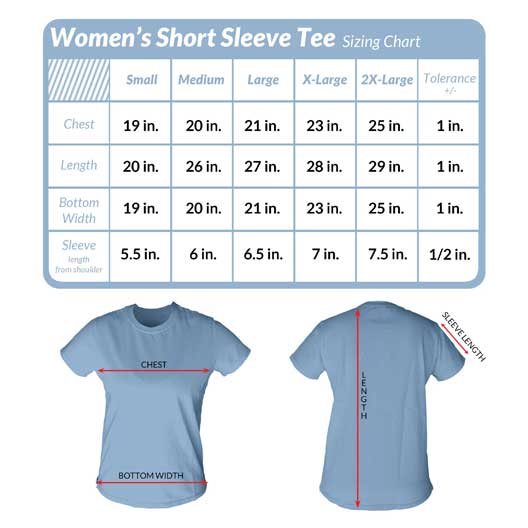
“Large” is not the same for men and women. Men’s t-shirts are generally broader in the chest and shoulders, with longer sleeves. Women’s t-shirts are often more fitted, with shorter sleeves and a smaller waist.
Typical Measurements
| Gender | Chest (inches) | Waist (inches) | Shirt Length (inches) |
|---|---|---|---|
| Men | 41–44 | 35–38 | 29–31 |
| Women | 38–40 | 32–34 | 27–29 |
For women, a “Large” is often similar to a men’s “Medium” in terms of chest size, but the shape is different. Women’s shirts are usually tapered at the waist to fit curves.
International Differences In Large T Shirt Size
If you buy t-shirts from another country, “Large” might not fit as you expect. Here’s why:
- US sizes are usually bigger than Asian sizes.
- European sizes can fall in between or follow their own system.
Some global brands use “Universal” sizing, but many don’t.
International Conversion
Here’s how a US “Large” compares to other countries:
| Country/Region | Equivalent Size | Chest (inches) |
|---|---|---|
| USA | L | 41–44 |
| UK | L | 41–44 |
| Europe | 52–54 | 41–44 |
| Japan | XL | 41–44 |
| China | XL or XXL | 41–44 |
A key insight: An “L” in the US is often an “XL” or even “XXL” in Asia. If you travel or shop internationally, always check the conversion chart.
Credit: www.heavytshirt.com
How To Measure Yourself For A Large T Shirt
To get the best fit, it’s smart to measure your body at home. Here’s how to do it:
- Chest: Wrap a soft measuring tape around the fullest part of your chest, under your arms. Keep the tape level and not too tight.
- Waist: Measure around your natural waist, usually just above the belly button.
- Shoulders: Measure from the edge of one shoulder to the other, across your back.
- Shirt Length: Start at the top of your shoulder, next to your neck, and measure down to where you want the shirt to end.
Write down your numbers and compare them to the brand’s size chart. If your numbers match the “Large” range, that is your likely size.
Practical Tip
If you fall between sizes (for example, your chest is 44 inches but your waist is 39), consider whether you want a looser or tighter fit. If you prefer more room, go up to XL. If you like a slim look, stay with Large.
The Fit And Styles Of Large T Shirts
Not all “Large” t-shirts look or feel the same. The style of the shirt changes the fit:
- Regular Fit: Roomy, straight cut, not too tight or loose.
- Slim Fit: Closer to the body, shorter sleeves, less extra fabric.
- Relaxed Fit: Extra wide, longer, very loose.
- Athletic Fit: Tighter in the chest and arms, looser at the waist.
A Large Slim Fit will feel smaller than a Large Regular Fit. Always check the product description for the style. If you like baggy shirts, even a Large Relaxed Fit might work for you.
Example: Style Comparison
- Large Slim Fit: Best for lean or athletic bodies.
- Large Regular Fit: Good for most average builds.
- Large Relaxed Fit: Ideal for those who want comfort and freedom of movement.
Material And Shrinkage
The fabric used in a t-shirt also affects how a Large size fits. Cotton, polyester, and blends all behave differently:
- 100% Cotton: Can shrink up to 5% after washing. A Large might become a Medium.
- Polyester: Holds its shape, resists shrinking.
- Blends (Cotton/Polyester): Less likely to shrink, but feel different to wear.
Some brands pre-shrink their shirts. Always read the label. If shrinkage is a concern, buy one size up.
Practical Example
If you measure for a Large, but the shirt is 100% cotton and not pre-shrunk, you might want to try XL. After a few washes, it will likely fit like a Large.
When To Choose Large T Shirt Size
Large is a great size for many adults. Here’s when Large is often the right choice:
- Your chest is between 41 and 44 inches.
- You want a relaxed, not tight, fit.
- You are of average build or slightly athletic.
- You don’t want your shirt to cling to your body.
But if you like your t-shirts tight, or if your measurements are at the lower end, a Medium might work better. For those with a chest above 44 inches, XL or XXL is more comfortable.
Common Mistakes When Choosing Large
People often make mistakes when picking t-shirt sizes. Some common errors include:
- Ignoring the brand’s chart: Not all Larges are the same.
- Not measuring your body: Guessing usually leads to disappointment.
- Forgetting about shrinkage: Natural fabrics get smaller after washing.
- Assuming style doesn’t matter: Slim fit Large is not the same as relaxed fit Large.
- Not considering layers: If you wear t-shirts under jackets, you might need a looser fit.
Avoid these mistakes by taking a few minutes to check measurements and read descriptions.
Real-life Examples Of Large T Shirt Size
It helps to see how Large fits real people. Here are some examples:
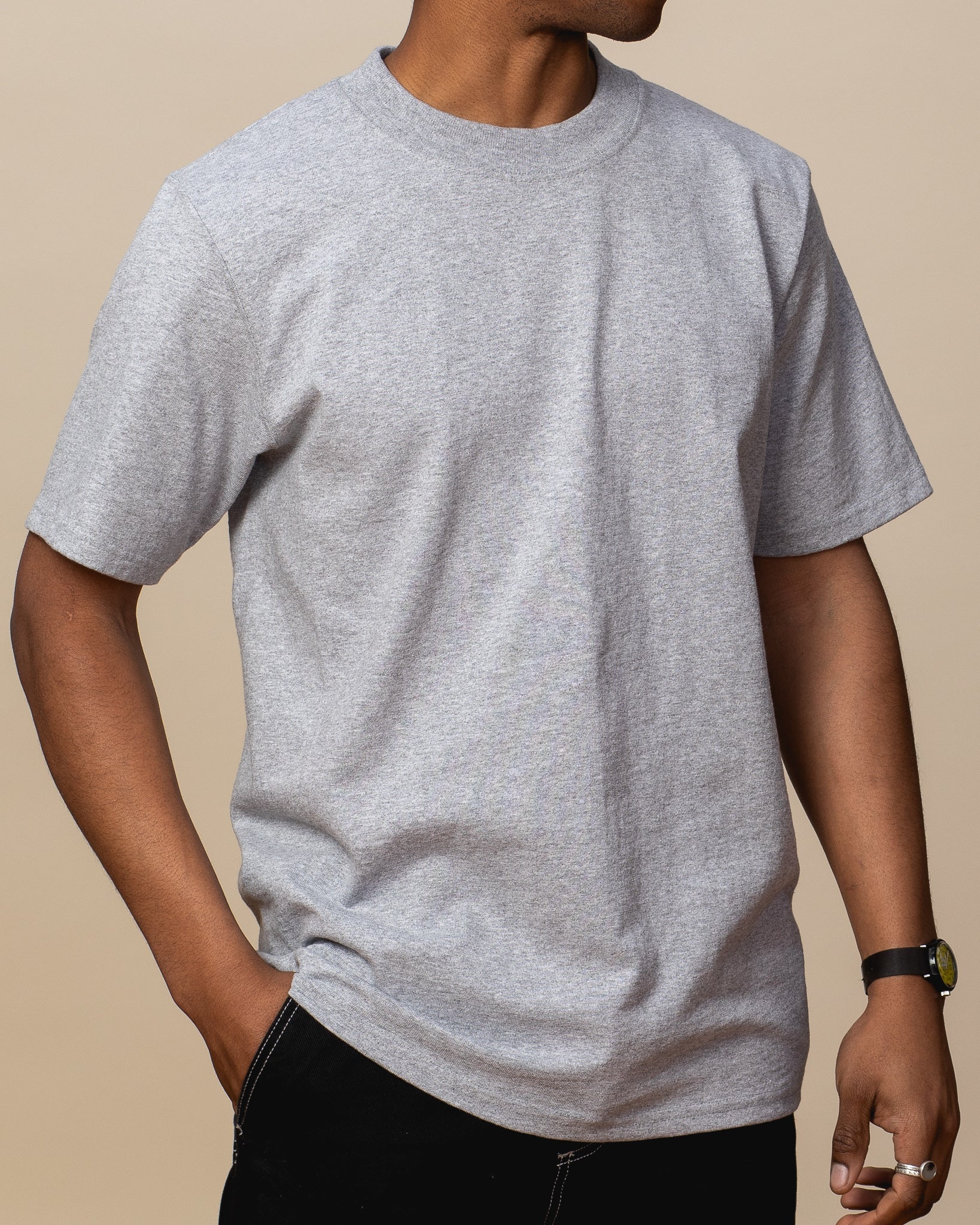
- Person A: 5’10” tall, 180 lbs (82 kg), chest 42 inches. Large fits comfortably, not tight, with some room to move.
- Person B: 6’0” tall, 210 lbs (95 kg), chest 44 inches. Large fits snugly, but not tight. XL is looser but sleeves and length are longer.
- Person C: 5’7” tall, 170 lbs (77 kg), chest 40 inches. Large is roomy, slightly loose. Medium is more fitted but less comfortable.
These examples show that body shape and personal taste matter as much as numbers. Always try on if possible, or check the return policy.
Credit: www.goodwear.com
Large T Shirt Size For Different Purposes
Not everyone buys t-shirts for casual wear. Sometimes, Large is chosen for:
- Uniforms: Many sports teams and companies use Large for average-sized adults.
- Promotional events: Large is a safe, one-size-fits-most option.
- Layering: For wearing over long-sleeve shirts in cooler weather.
Consider the purpose before buying. For uniforms, you might want a Regular Fit. For layering, a Relaxed Fit is better.
The History Of T Shirt Sizing
Understanding why “Large” means what it does today is helpful. T-shirts started as undergarments. Early on, sizes were simple: Small, Medium, Large. As people grew taller and heavier, brands added XL, XXL, and more.
Now, there are often five or more sizes. Large usually sits in the middle, meant for the “average” adult male. But as body shapes and fashion trends change, the definition of Large has also shifted.
Large T Shirt Size In Online Shopping
Shopping online can make sizing even trickier. Photos and models can be misleading. Here are tips for getting the right Large:
- Look for a size chart: Every good site has one.
- Check customer reviews: People often say if items run small or large.
- Know your numbers: Measure yourself as described above.
- Look for free returns: Try at home and exchange if needed.
Some sites also let you search by height and weight. Use these tools to your advantage.
Unisex Large T Shirt Size
Many brands now offer “unisex” t-shirts. These are meant to fit both men and women, but usually follow the men’s sizing chart. For women, this means a Unisex Large will fit bigger and looser than a Women’s Large.
If you’re a woman buying a unisex Large, expect:
- A wider chest
- Longer sleeves
- More room in the body
Some women prefer this for a relaxed or “boyfriend” style. Others may size down for a closer fit.
Special Considerations For Large T Shirt Size
There are times when you need to think beyond the usual:
Body Shape
Not all bodies are the same. A person with a broad chest and narrow waist might find Large fits in the chest but is loose in the waist. Look for “athletic fit” or “tailored” options.
Height
Tall people may find Large is wide enough but too short. Some brands offer “Large Tall” (LT) which adds extra length without more width.
Age
Teens and younger adults might find Large too big, even if their chest measurement matches. That’s because adult Large is cut for a mature body shape.
Activity
If you’ll be moving a lot (sports, dancing), you might want a looser Large. For style, a fitted Large works better.
Environmental Impact Of Sizing
Choosing the right size helps reduce clothing waste. When people buy the wrong size, they often throw away or donate unused items. This adds to landfill waste and energy use. Knowing your true Large size helps you buy smarter and avoid returns.
Brand-specific Insights
Some brands are famous for running big or small. For example:
- American brands: Usually run larger.
- European brands: Sometimes slimmer and shorter.
- Fast fashion stores: Often change their size charts with trends.
Reading reviews and checking brand reputation can help you decide if their Large will fit you.
Why Large Is The Most Popular Size
Studies show that Large is often the best-selling size for men’s t-shirts in North America and Europe. This is because:
- It fits a wide range of body types.
- It is seen as the “safe” option for gifts and bulk orders.
- Many people prefer a slightly loose shirt for comfort.
Retailers often stock more Large t-shirts than other sizes because they sell quickly.
Custom Large T Shirt Sizes
Some companies offer custom or “made to measure” t-shirts. If you have a hard time with off-the-rack Large, this can be a good solution. You provide your exact measurements, and they sew the shirt to fit you perfectly.
While more expensive, custom t-shirts solve problems for people who are tall, short, or have unique body shapes.
How To Style A Large T Shirt
Large t-shirts can be styled in many ways:
- Casual: With jeans or shorts for a relaxed look.
- Layered: Under a jacket or sweater.
- Tucked in: For a neater appearance.
- Oversized: Paired with leggings or skinny jeans for a trendy look.
For women, tying a knot at the waist can make a Large t-shirt look more fitted.

Credit: couchuk.com
Practical Tips For Large T Shirt Buyers
- Try before you buy if possible, especially with new brands.
- Buy from stores with easy returns.
- Wash carefully: Follow label instructions to avoid shrinkage.
- Don’t trust vanity sizing: Some brands label shirts as Large to make customers feel better.
- Remember, fit is personal: What feels good on you may not work for someone else.
The Role Of Large In Group Orders
For events, teams, or companies, Large is often the “default” size when ordering in bulk. This is because:
- It fits more people than Small or Medium.
- It can be worn over other clothes (like uniforms).
- If unsure, Large is less likely to be too small.
Still, it’s smart to offer a range of sizes for inclusivity.
Large T Shirt Size And Health
Some people use t-shirt size as a sign of health or fitness. Moving from XL to Large (or from Large to Medium) can be a milestone. But remember, size labels are not universal and should not define self-worth. Focus on comfort and confidence, not just the tag.
Myths About Large T Shirt Size
There are common myths, such as:
- Myth: Large is always for big people. (Truth: Many average-sized people wear Large for comfort.)
- Myth: Large is the same everywhere. (Truth: Sizing varies by region and brand.)
- Myth: If you’re tall, Large will fit. (Truth: Tall people often need “Large Tall”.)
Don’t let myths guide your shopping—trust real measurements.
Large T Shirt Size For Kids And Teens
Children’s and teens’ sizes use different charts. A “Youth Large” is not the same as an Adult Large. Always check the age group before buying.
- Youth Large: Usually fits kids 12–14 years old.
- Adult Small/Medium: Sometimes fits older teens better.
Caring For Large T Shirts
To keep your Large t-shirt fitting well:
- Wash in cold water to avoid shrinkage.
- Air dry or tumble dry on low.
- Avoid bleach: It can weaken fabric.
High heat is the main cause of shrinking and misshaping.
How To Spot A Poorly Fitting Large
If your t-shirt is:
- Too tight in the chest or arms
- Rides up when you lift your arms
- Feels baggy or sloppy
- Has shoulder seams that sit too far off your shoulder
…it’s not the right Large for you. Try a different fit or check your measurements.
Cost Differences For Large Size
Generally, Large t-shirts cost the same as other regular sizes. Some brands charge more for XL or XXL. Custom or “tall” sizes may also cost extra.
Large T Shirt Size And Fashion Trends
Trends come and go. Sometimes, oversized Large t-shirts are stylish. Other times, slim fits are in. Buy what makes you comfortable, but know that Large is a flexible, classic choice that rarely goes out of style.
Large T Shirt Size In Sports And Workwear
Sports teams and workers often choose Large for mobility and layering. However, they may prefer moisture-wicking materials or reinforced seams for durability. Always consider the activity when choosing your Large size.
Final Thoughts
A Large t-shirt size is more than just a label. It’s a set of measurements, a style choice, and a key to comfort. The meaning of Large can change by brand, country, and even fabric. The best way to find your Large is to measure yourself, check charts, and understand how fit and fabric can change the feel. When in doubt, try on before buying or choose stores with good return policies. Remember, the right fit helps you look and feel your best.
For more on sizing standards, you can read the official guide from the Wikipedia Clothing Sizes page.
Frequently Asked Questions
What Chest Size Is A Large T-shirt?
A Large t-shirt usually fits a chest measurement of 41 to 44 inches (104–112 cm) for men. Women’s Large is smaller, often 38 to 40 inches. Always check the brand’s size chart.
Is Large The Same In All Countries?
No, Large can mean different sizes in different countries. For example, a US Large is often bigger than a Japanese Large. Use international conversion charts when shopping abroad.
Will A 100% Cotton Large T-shirt Shrink?
Yes, 100% cotton t-shirts can shrink after washing, sometimes by up to 5%. To avoid a tight fit, consider buying one size up or look for pre-shrunk cotton.
What Is The Difference Between Large And Large Tall?
Large Tall (LT) is made for taller people. It has the same width as a regular Large but is longer in the body and sleeves. This helps the shirt fit better on tall frames.
Can Women Wear Men’s Large T-shirts?
Yes, many women wear men’s Large t-shirts for a loose or “boyfriend” fit. Just remember, men’s shirts are wider and longer, so the style will be baggier. Adjust based on your style preference.
