

What is Good Gym Clothes: Essential Guide for Ultimate Comfort
What Is Good Gym Clothes
Choosing the right clothes for the gym is more important than many people think. The right gym clothes don’t just make you look good—they help your body move better, keep you comfortable, and even protect you from injuries. If you ever felt too hot, too cold, or distracted by scratchy seams during a workout, you already know how clothing can affect your performance.
For beginners and experienced athletes alike, understanding what makes gym clothes “good” can make your exercise routine more effective and enjoyable.
Let’s dive deep into what really matters when choosing gym clothes. We’ll look at the materials, fit, and features that matter, compare common options, and answer questions most people have when shopping for activewear.
Why Gym Clothes Matter
Most people focus on equipment and workout routines, but your clothing can be just as important. Good gym clothes support your body, manage sweat, and help you move freely. If your clothes are uncomfortable, you may not finish your workout or may even get hurt. For example, running in cotton sweatpants can cause chafing, while wearing shoes without proper support can lead to injuries.
Wearing the right gear also has a psychological benefit. When you put on clothes designed for exercise, you mentally prepare for a workout. This “ready” feeling can help you stick with your routine, especially on days when you’re not motivated.
What Makes Good Gym Clothes?
It’s easy to buy the cheapest T-shirt and shorts, but that’s not always the best choice. Good gym clothes are designed for movement, comfort, and safety. Here’s what to look for:
1. Material Matters
The fabric is the foundation of gym clothing. Synthetic fibers like polyester, nylon, and spandex are popular because they stretch, breathe, and wick away sweat. Avoid heavy cotton—it absorbs moisture and can feel heavy and cold after you sweat.
Key fabric qualities:
- Moisture-wicking: Moves sweat away from your skin, keeping you dry.
- Breathable: Allows air to flow, preventing overheating.
- Stretchy: Lets you move freely.
- Quick-drying: Prevents the cold, clammy feeling after intense exercise.
Some brands mix fabrics to combine these qualities. For example, polyester-spandex blends offer both stretch and durability.
2. Fit And Mobility
Good gym clothes fit well but are not too tight or too loose. Loose clothes can get in the way or catch on equipment, while clothes that are too tight can restrict movement and blood flow.
- Tops: Should cover your body but not flap around or ride up.
- Bottoms: Should let you squat, lunge, or stretch without pulling or pinching.
- Compression gear: Some gym clothes use gentle pressure to support muscles and improve blood flow. This can reduce soreness and speed recovery, but not everyone needs compression.
Try bending, squatting, and lifting your arms when trying on gym clothes. If they move with you and don’t distract you, they’re a good fit.
3. Temperature Control
The gym can be hot or cold depending on the season and workout type. Layering is key.
- Base layer: Touches your skin and should be moisture-wicking.
- Mid-layer: Adds warmth if needed (like a lightweight fleece).
- Outer layer: Blocks wind or rain if you’re outdoors.
For hot climates or sweaty workouts, choose lightweight, breathable clothes. For cold weather, add layers you can remove as you warm up.
4. Durability And Construction
Quality gym clothes last longer. Check seams and stitching—double-stitched seams are stronger and less likely to rip. Reinforced knees or elbows add protection for high-wear areas.
Look for:
- Flatlock seams: These prevent chafing and irritation.
- Gussets: Extra fabric in the crotch or armpit for easier movement.
- Stretch panels: Help clothes fit better and last longer.
Paying a bit more for quality can save you money over time.
5. Special Features
Modern gym clothes often include useful extras:
- Pockets: For keys, phone, or gym card.
- Zippers: For ventilation or easy removal.
- Reflective details: For outdoor workouts in low light.
- Mesh panels: For extra breathability.
Think about your workout and what features could make it easier.
6. Hygiene And Odor Control
Some fabrics trap odors more than others. Many gym clothes use antimicrobial treatments to prevent bacteria growth and reduce smell. This is especially useful for people who sweat a lot or don’t wash their gym gear after every use.
Wool blends, surprisingly, can also resist odor and stay fresh longer than pure synthetic materials.
7. Style And Confidence
Never underestimate the power of liking how you look. If you feel good in your gym clothes, you’re more likely to work out. Choose colors and styles that make you feel confident, but don’t sacrifice function for fashion. Bold prints or matching sets are popular, but classic black or gray works just as well.
Comparing Gym Clothing Materials
Different materials have unique strengths and weaknesses. Here’s a side-by-side look:
| Material | Breathability | Moisture Control | Durability | Odor Control |
|---|---|---|---|---|
| Polyester | Good | Excellent | Very Good | Average |
| Nylon | Very Good | Very Good | Excellent | Average |
| Cotton | Excellent | Poor | Good | Poor |
| Spandex (Lycra) | Good | Good | Excellent (with blends) | Good |
| Merino Wool | Very Good | Good | Good | Excellent |
Two insights often missed by beginners: first, merino wool isn’t just for cold weather—it manages sweat and odor well in all seasons. Second, cotton may feel comfortable at first, but it becomes heavy and chafes when wet.
Essential Pieces Of Good Gym Clothes
Everyone’s workout wardrobe is different, but these are the basics:
1. Tops
Choose T-shirts or tank tops made from moisture-wicking fabric. For activities like yoga, a fitted top helps prevent it from falling over your head during poses. For cardio, a looser fit can be more comfortable.
2. Bottoms
Shorts, leggings, joggers, or capris—the best choice depends on your workout and comfort. Leggings and tights provide coverage and don’t ride up, while shorts are cooler for cardio.
3. Sports Bra
For women, a supportive sports bra is critical. The right bra reduces bounce, prevents pain, and avoids long-term stretching of breast tissue. Choose based on your activity—high-impact for running, medium for cycling, low for yoga.
4. Underwear
Don’t overlook underwear. Seams and the wrong fabric can cause discomfort and chafing. Look for seamless, moisture-wicking styles. Some people prefer going without underwear in lined shorts or leggings.
5. Socks
Invest in socks designed for sport. They manage moisture and reduce the risk of blisters. Choose ankle or crew socks based on your shoe style and activity.
6. Shoes
Your gym shoes should match your activity. Running shoes are cushioned for impact, while cross-trainers offer stability for lifting and lateral moves. Never use old, worn-out shoes—they lose support and can cause injury.
7. Outerwear
Hoodies, jackets, or windbreakers are important for outdoor workouts or warming up. Look for breathable, water-resistant, or windproof materials as needed.
8. Accessories
Optional but useful extras include headbands (to keep sweat out of your eyes), gloves (for weightlifting), and hats (for sun protection outdoors).
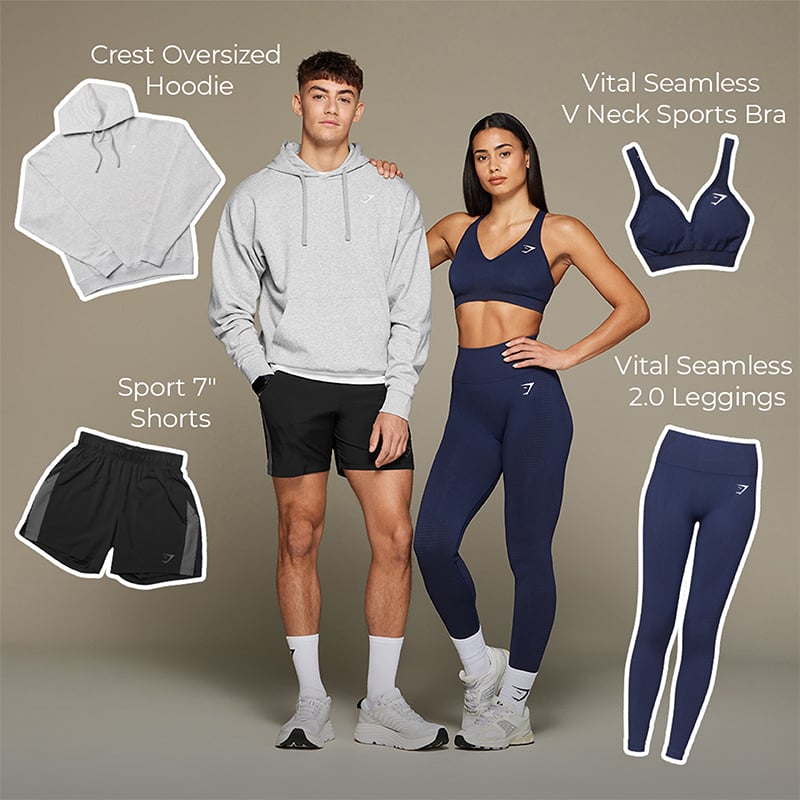
Credit: row.gymshark.com
Gym Clothes For Different Workouts
Different activities need different clothes. Here’s how to choose:
Cardio (running, Cycling, Hiit)
- Lightweight, breathable tops and bottoms
- Moisture-wicking socks
- Supportive shoes for impact
- Reflective gear if outdoors
Strength Training
- Fitted tops and flexible bottoms for full range of motion
- Gloves to protect your hands (optional)
- Shoes with flat, stable soles for lifting
Yoga And Pilates
- Stretchy, fitted tops and leggings
- No zippers or bulky seams
- Barefoot or grip socks
Group Classes (zumba, Dance)
- Comfortable, sweat-wicking clothes
- Supportive sports bra
- Shoes with good grip
Outdoor Workouts
- Layers for temperature changes
- Windproof or water-resistant jackets
- Sun protection (hat, sunglasses)
Here’s a quick comparison:
| Workout Type | Best Top | Best Bottom | Shoe Type | Extra Needs |
|---|---|---|---|---|
| Cardio | Moisture-wicking T-shirt | Shorts/leggings | Running shoes | Reflective gear |
| Strength | Fitted tank | Shorts/leggings | Flat trainers | Gloves (optional) |
| Yoga | Fitted top | Leggings | Barefoot/grip socks | Seamless design |
| Outdoor | Layered tops | Joggers | Activity-specific | Sun/wind protection |
How To Choose The Right Gym Clothes For You
Every person is different. Here’s how to find what works for you:
Know Your Body
Some people prefer tight clothes for support, others want loose for comfort. Pay attention to where you sweat most and if you have sensitive skin.
Try Before You Buy
If possible, move around in the clothes before buying. Stretch, jump, and twist. If you’re shopping online, read reviews for sizing tips and comfort.
Care For Your Gym Clothes
Good gym clothes are an investment. Wash after every use (especially underwear and socks) and follow care instructions. Avoid fabric softener—it can block moisture-wicking properties.
Hang clothes to dry if you can. High heat from dryers can break down synthetic fibers over time.
Replace When Needed
Clothes lose their stretch, color, and support over time. If your leggings sag, your bra’s band is loose, or your shoes feel flat, it’s time to replace them—even if they still look okay.

Credit: kingsgyms.com
Common Mistakes When Choosing Gym Clothes
Many people make these errors:
- Choosing style over function: Looking good is nice, but comfort and performance matter more.
- Ignoring fabric labels: Not all “activewear” is made with the right materials.
- Wearing old, worn-out clothes: Old cotton T-shirts lose shape and function.
- Buying clothes that are too tight: Movement should never be restricted.
- Skipping proper shoes: The wrong shoes can lead to injury.
- Not considering the workout type: Running shorts are not great for yoga, and yoga leggings may not last in HIIT.
A non-obvious tip: test clothes at home with a few moves before heading to the gym. You’ll notice discomfort before it becomes a problem during your workout.
The Role Of Sustainability In Gym Clothes
Many brands now use recycled materials and eco-friendly dyes. If you care about the environment, look for certifications or information on how products are made. Clothes made with fewer chemicals are also better for sensitive skin.
Some sustainable fabrics:
- Recycled polyester
- Bamboo blends
- Organic cotton (for low-sweat activities)
While these options can cost more, they often last longer and feel better on your skin. For more on sustainable sportswear, check out this guide from the New York Times Wirecutter.
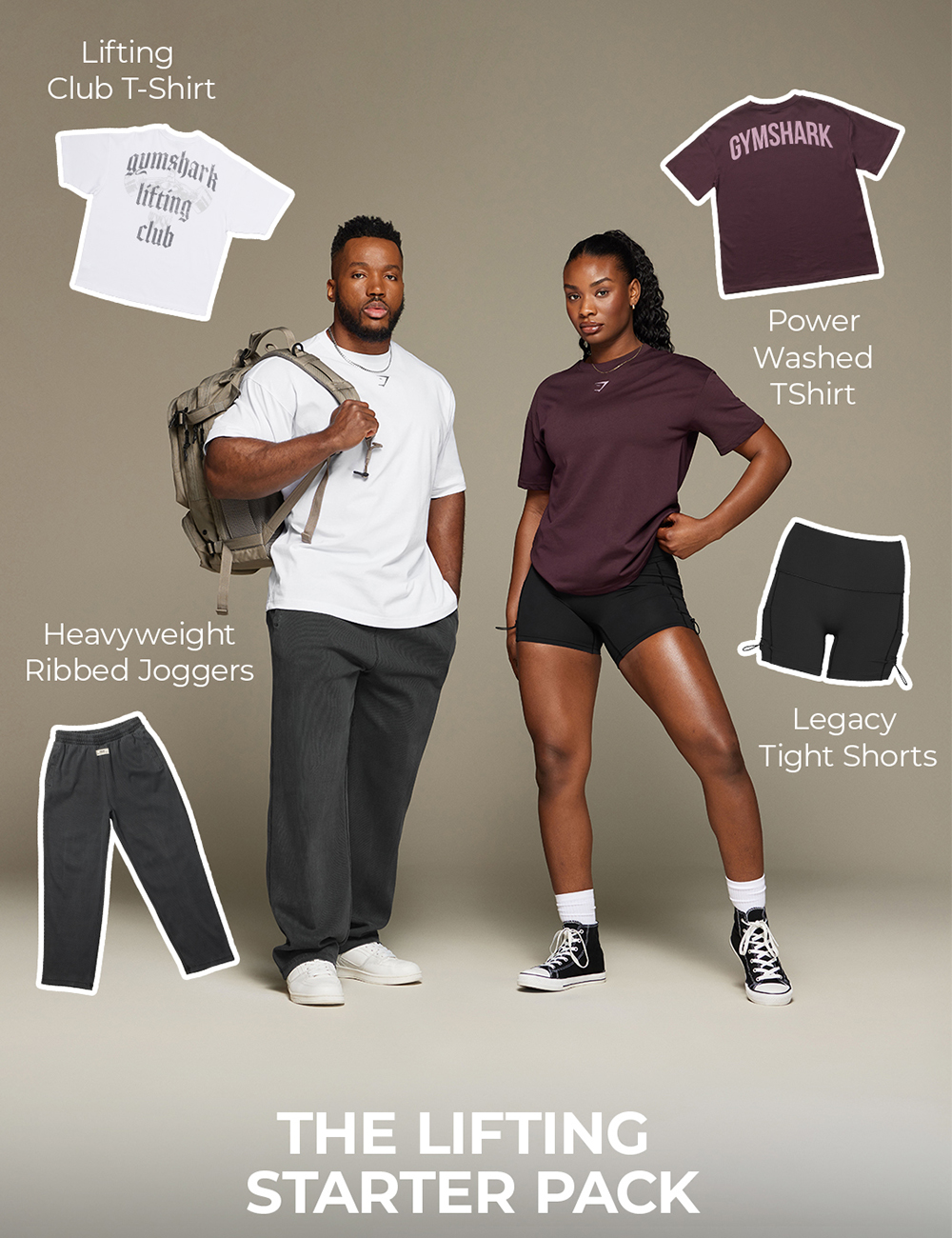
Credit: www.gymshark.com
How Good Gym Clothes Support Performance
Wearing the right gear does more than keep you comfortable. It can improve your results:
- Better range of motion: Stretchy, fitted clothes let you move without holding back.
- Reduced distractions: No slipping, bunching, or chafing.
- Faster recovery: Compression wear can reduce soreness after tough workouts.
- Safer exercise: Proper shoes and support lower the risk of injury.
- Longer workouts: When you’re not overheating or uncomfortable, you can go longer and harder.
Beginners often overlook the mental boost of feeling “ready” in the right clothes—a small change that can make a big difference in motivation.
How To Build A Gym Wardrobe On A Budget
You don’t need to buy everything at once. Start with essentials:
- Two tops and two bottoms (rotate between washes)
- One sports bra (women)
- Two pairs of workout socks
- One pair of good shoes
Add items as you figure out what you need. Look for sales, outlets, or last-season colors. Quality matters more than quantity.
Pro tip: Avoid cheap, no-name brands with poor reviews. These often lose shape, stretch, or pill after a few washes, costing you more in the long run.
Caring For Your Gym Clothes: Simple Tips
Make your clothes last with these habits:
- Wash soon after wearing to prevent odor.
- Use cool water and mild detergent.
- Avoid fabric softeners.
- Hang to dry whenever possible.
- Wash similar colors together.
If your clothes start to smell, soak them in a mix of water and white vinegar before washing. This removes bacteria and keeps them fresh.
Gym Clothes And Body Confidence
For many people, the gym is intimidating. Wearing clothes that fit well and feel good can boost your confidence. Don’t worry about trends or what others are wearing—choose what helps you focus on your workout.
Remember: Everyone at the gym is there to improve themselves. Good gym clothes are for your comfort and performance, not to impress others.
Frequently Asked Questions
What Is The Best Material For Gym Clothes?
The best materials are synthetic fibers like polyester, nylon, and spandex. These wick sweat, stretch, and dry fast. For odor control, merino wool blends are also excellent, especially for people who sweat a lot.
Can I Wear Cotton Clothes To The Gym?
You can, but cotton absorbs sweat and stays wet. This can lead to discomfort and chafing, especially in long or intense workouts. It’s better for low-sweat activities or as a layer over performance wear.
How Often Should I Replace My Gym Clothes?
Replace gym clothes when they lose shape, stretch, support, or start to smell, even after washing. Shoes usually need replacing after 500-800 kilometers of use, or if you notice pain or less support during workouts.
Do I Need Special Gym Clothes For Yoga Or Weightlifting?
Yes. For yoga, choose stretchy, fitted clothes without zippers or bulky seams. For weightlifting, look for fitted tops and bottoms that allow free movement, and shoes with stable, flat soles.
What Is The Biggest Mistake People Make When Buying Gym Clothes?
The most common mistake is choosing style over function—buying clothes that look good but don’t support your workout. Always check fabric, fit, and comfort before buying.
Good gym clothes are a smart investment for anyone serious about exercise. They help you move freely, stay comfortable, and reduce the risk of injuries. With the right choices, you’ll feel better, perform better, and look forward to every workout.
Whether you’re just starting or want to upgrade your gear, focus on fit, fabric, and function—and you’ll notice the difference with every session.
