

What is Fitness Apparel: Essential Guide for Active Lifestyles
What Is Fitness Apparel
Fitness apparel is everywhere—at gyms, yoga studios, parks, and even coffee shops. You probably notice people wearing it for running, lifting weights, or simply relaxing. But what exactly is fitness apparel? Why is it so important for your workout, and how is it different from regular clothing?
Whether you are new to exercise or you want to improve your routine, understanding fitness apparel can help you make better choices. This article will guide you through the essentials, the benefits, materials, styles, and tips for buying the right gear.
Let’s explore the world of fitness apparel and see how it fits into your healthy lifestyle.
What Is Fitness Apparel?
Fitness apparel refers to clothing designed for exercise and physical activity. It includes items like shirts, shorts, leggings, sports bras, jackets, socks, and shoes. Unlike everyday clothes, fitness apparel uses special fabrics and designs to support movement, wick away sweat, and keep you comfortable. This clothing helps people perform better, avoid injuries, and feel more confident during workouts.
You might see fitness apparel called activewear, sportswear, or athleisure. While these words sometimes overlap, fitness apparel mainly focuses on clothes for exercise, not just fashion. The goal is to make your workout safer, easier, and more enjoyable.
The History And Evolution Of Fitness Apparel
Fitness apparel has changed a lot over time. In the past, people wore basic cotton shirts and shorts for exercise. These clothes were heavy and absorbed sweat, making workouts uncomfortable. As fitness became more popular, brands started to create special clothing for athletes and gym-goers.
The introduction of synthetic fabrics like polyester and spandex revolutionized fitness apparel. These materials are lightweight, stretchy, and dry quickly. This allowed people to move freely and stay cool during intense exercise. Later, brands added more features such as moisture-wicking, anti-odor technology, and UV protection.
Today, fitness apparel is a huge industry. The global activewear market is estimated to be worth hundreds of billions of dollars, with new styles and innovations every year. Many people now wear fitness apparel for everyday activities, not just workouts. This trend, called athleisure, combines comfort and fashion.
Key Features Of Fitness Apparel
Fitness apparel is not just about style. It is designed to help your body perform better and feel good. Here are some important features you will find in most fitness apparel:
- Moisture-wicking: Pulls sweat away from your skin so you stay dry and comfortable.
- Breathability: Allows air to flow through the fabric, preventing overheating.
- Stretch and flexibility: Lets you move easily, whether you are stretching, running, or lifting.
- Support: Items like sports bras and compression gear give extra support to key areas.
- Durability: Made to withstand frequent washing and tough workouts.
- Lightweight materials: Reduces bulk and helps you move faster.
- Quick-drying: Dries faster than regular clothes, so you feel fresh after exercise.
- Anti-odor: Some fabrics fight bacteria, keeping smells away.
- UV protection: Blocks harmful rays when exercising outdoors.
- Reflective details: Improves visibility if you run or cycle at night.
These features are not found in all fitness apparel. Some items may combine several, while others focus on one or two. Knowing which features matter to you can help you pick the right gear.
Common Types Of Fitness Apparel
Fitness apparel covers many different items. Each one serves a unique purpose. Here are the most popular types:
Shirts And Tops
T-shirts, tank tops, long-sleeved shirts, and crop tops are used for various workouts. They are usually made of breathable and moisture-wicking fabrics. Some are loose, while others fit tightly to reduce friction.
Shorts And Bottoms
Shorts, leggings, joggers, and capris are designed for comfort and movement. Leggings are popular for yoga and gym workouts because they stretch easily. Shorts are preferred for running and high-intensity training.
Sports Bras
A sports bra is essential for women during exercise. It provides support and reduces bounce, preventing discomfort and injury. Sports bras come in different levels of support for activities like yoga, running, or weightlifting.
Jackets And Hoodies
Fitness jackets and hoodies keep you warm before and after workouts. Many are made from lightweight materials and have moisture-wicking properties. Some jackets offer wind or water resistance for outdoor activities.
Socks
Fitness socks use cushioning and breathable fabrics to protect your feet. They help prevent blisters and absorb shock during running or training.
Shoes
The right shoes are crucial for fitness. They provide support, traction, and shock absorption. There are special shoes for running, walking, cross-training, weightlifting, and other sports.

Credit: www.fitbudd.com
Fitness Apparel Vs. Regular Clothing
You may wonder, why not just wear regular clothes for your workout? The answer lies in the performance and comfort differences.
| Feature | Fitness Apparel | Regular Clothing |
|---|---|---|
| Moisture Control | Wicks sweat, dries fast | Absorbs sweat, stays wet |
| Stretch | Flexible, moves with body | Limited stretch, restricts movement |
| Support | Compression, targeted support | No extra support |
| Durability | Designed for frequent use | Wears out quickly |
| Breathability | High, keeps body cool | Low, can cause overheating |
| Odor Resistance | Often has anti-odor tech | No odor control |
This comparison shows that fitness apparel is made to help your body handle exercise better. It protects your skin, supports your muscles, and makes workouts more enjoyable.
Materials Used In Fitness Apparel
The fabric used in fitness apparel makes a big difference. Here are some common materials and their benefits:
Polyester
Polyester is lightweight, moisture-wicking, and dries quickly. It is often blended with other fibers to improve comfort and stretch.
Spandex (lycra/elastane)
Spandex is extremely stretchy and helps clothes move with your body. It is used in leggings, compression gear, and sports bras.
Nylon
Nylon is strong, durable, and dries fast. It is used in many types of fitness clothing, especially jackets and shorts.
Cotton
Cotton is soft and comfortable, but it absorbs sweat and dries slowly. Some fitness apparel blends cotton with synthetic fibers for a better balance.
Bamboo
Bamboo fabric is naturally antibacterial and very soft. It is eco-friendly and used for yoga clothes and socks.
Mesh
Mesh panels are added to clothes for extra breathability. They help keep you cool during intense workouts.
Wool
Wool is used for outdoor fitness apparel. It keeps you warm, wicks moisture, and resists odors.
Each material offers unique advantages. When choosing fitness apparel, consider your activity, climate, and comfort preferences.
How Fitness Apparel Enhances Performance
Fitness apparel is not just about looking good. It can improve your workout and help you reach your goals. Here’s how:
Keeps You Comfortable
Moisture-wicking fabrics keep sweat away so you feel dry. Breathable clothes prevent overheating. Comfort means you can focus on your workout, not your clothing.
Supports Your Body
Compression gear helps stabilize muscles and joints. Sports bras protect the chest. The right shoes cushion your feet and reduce injury risk.
Boosts Confidence
Wearing fitness apparel can make you feel motivated and ready to exercise. Many people say they feel more energetic and positive when dressed for the gym.
Reduces Injury
Supportive clothing and shoes lower the chance of strains, sprains, and blisters. Well-designed gear helps you use proper form and avoid accidents.
Speeds Up Recovery
Compression apparel improves blood flow, helping muscles recover faster after exercise. This is especially useful for runners and athletes.
Fitness Apparel For Different Activities
Different workouts need different types of apparel. Choosing the right gear for your activity is important. Here are some examples:
Running
Running clothes should be lightweight, moisture-wicking, and breathable. Shorts or leggings, a fitted shirt, and running shoes are ideal. Reflective details help you stay safe outdoors.
Yoga
Yoga apparel is stretchy and comfortable. Leggings, tank tops, and sports bras allow freedom of movement. Bare feet or yoga socks are common.
Weightlifting
Weightlifting clothes need to be durable and flexible. Supportive shoes, fitted shirts, and shorts or leggings help you move and lift safely.
Cycling
Cycling apparel includes padded shorts, tight-fitting jerseys, and gloves. These items reduce friction and protect your skin.
Swimming
Swimwear is made from quick-drying, chlorine-resistant fabrics. It fits snugly to reduce drag in the water.
Team Sports
Team sports like soccer, basketball, and tennis use jerseys, shorts, and socks made for active movement. Shoes are chosen based on the sport’s surface.

Credit: lovefitnessapparel.com
The Rise Of Athleisure
Athleisure is a trend where fitness apparel is worn as everyday clothing. People wear leggings, joggers, hoodies, and sneakers for shopping, work, or social events. Athleisure blends comfort, style, and practicality.
Brands create athleisure items that look fashionable but keep fitness features like moisture-wicking and stretch. This makes it easy to transition from exercise to daily life without changing clothes.
Athleisure is popular because:
- It is comfortable for long hours.
- It fits many occasions, from casual to semi-formal.
- It allows people to express an active lifestyle.
Many experts believe athleisure will continue to grow as more people focus on health and wellness.
Choosing The Right Fitness Apparel
Picking the right fitness apparel is not always simple. Here’s how to make smart choices:
Consider Your Activity
Think about what you will do. Running needs lightweight clothes. Yoga needs stretch. Weightlifting needs support. Match your gear to your workout.
Check Fit And Comfort
Try on clothes before buying. They should fit snugly but not too tight. Comfortable gear helps you move freely and avoids distractions.
Look For Key Features
Choose items with moisture-wicking, breathability, and stretch. If you exercise outdoors, find clothes with UV protection and reflective details.
Quality Matters
Good fitness apparel lasts longer and performs better. Check stitching, fabric, and finishing. Cheap clothes may wear out quickly.
Brand Reputation
Some brands specialize in fitness apparel. They use better materials and designs. Read reviews or ask friends for recommendations.
Price
Fitness apparel ranges from affordable to expensive. Higher prices often mean better quality, but you can find good gear at lower prices too. Don’t overspend—focus on value.
Sustainability
Eco-friendly fitness apparel uses recycled materials or organic fibers. If you care about the environment, look for sustainable options.
Top Fitness Apparel Brands
Many brands make fitness apparel. Here are some well-known names:
- Nike: Famous for innovation and variety. Offers clothes for almost every sport.
- Adidas: Known for comfort and style. Popular with runners and athletes.
- Under Armour: Focuses on performance fabrics and compression gear.
- Lululemon: Specializes in yoga and athleisure. High-quality materials.
- Reebok: Offers affordable options for fitness and training.
- Puma: Combines sporty designs with fashion.
- ASICS: Best known for running shoes and technical apparel.
- Gymshark: Targets young gym-goers with trendy styles.
- New Balance: Focuses on running and training gear.
- Columbia: Great for outdoor fitness and hiking.
Each brand offers unique features and styles. Try different brands to find what suits you best.
Data: Fitness Apparel Market Trends
The fitness apparel market is growing fast. Here are some key facts:
- The global fitness apparel market is valued at over $200 billion.
- Online shopping for fitness apparel is increasing every year.
- Women’s fitness apparel is the fastest-growing segment.
- Athleisure now makes up more than 25% of all fitness apparel sales.
Here’s a comparison of fitness apparel sales by gender and region:
| Region | Men's Sales (%) | Women's Sales (%) |
|---|---|---|
| North America | 45 | 55 |
| Europe | 40 | 60 |
| Asia-Pacific | 50 | 50 |
| Latin America | 47 | 53 |
This shows that women buy more fitness apparel than men in most regions. Brands are responding with more options and styles for women.
Caring For Fitness Apparel
Proper care extends the life of your fitness apparel. Here are some tips:
- Wash after every use to remove sweat and bacteria.
- Use cold water and mild detergent. Hot water can damage elastic fibers.
- Avoid fabric softeners—they block moisture-wicking properties.
- Air dry your clothes. Dryers may shrink or weaken fabrics.
- Store clothes in a cool, dry place.
Some fitness apparel has special washing instructions. Check the label and follow them for best results.
Common Mistakes When Buying Fitness Apparel
Many people make mistakes when choosing fitness apparel. Here are some to avoid:
- Buying based on looks only. Style is important, but performance matters more.
- Choosing the wrong size. Tight clothes restrict movement; loose clothes chafe.
- Ignoring fabric features. Not all materials wick sweat or stretch.
- Skipping support items. Neglecting sports bras or compression gear can lead to injury.
- Overpaying for brand names. Good gear is available from smaller brands too.
Thinking carefully before buying can save money and improve your workout.
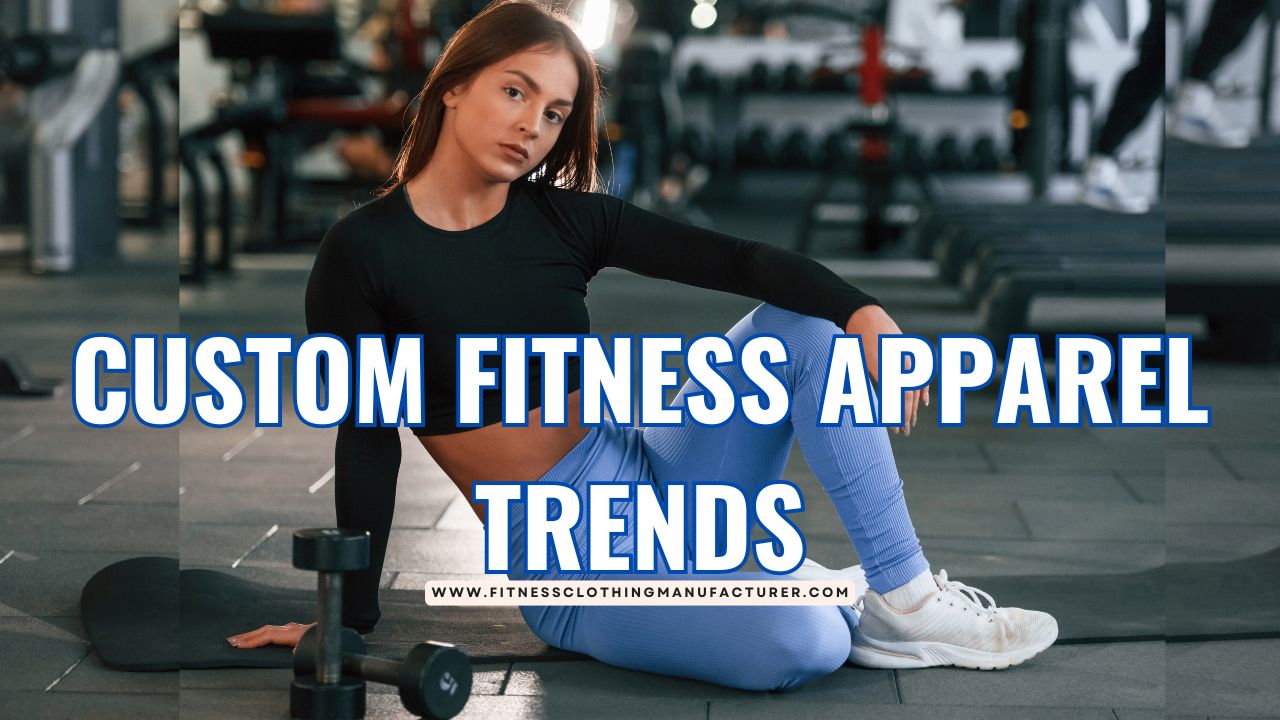
Credit: www.fitnessclothingmanufacturer.com
Fitness Apparel For Different Body Types
Fitness apparel comes in many sizes and fits. Here’s how to choose for your body type:
- Slim build: Look for fitted styles that don’t hang loose.
- Muscular build: Choose stretchy fabrics and roomy cuts.
- Plus-size: Many brands offer sizes up to 4X. Look for supportive and comfortable designs.
- Petite: Pick cropped leggings and shorter tops.
Trying on clothes before buying is best. Many brands now offer inclusive sizing.
Innovations In Fitness Apparel
Fitness apparel is changing with technology. Here are some new trends:
Smart Clothing
Some fitness apparel has built-in sensors that track heart rate, steps, or muscle activity. This helps you monitor progress and adjust workouts.
Eco-friendly Materials
Brands are using recycled polyester, organic cotton, and bamboo. This reduces waste and pollution.
Advanced Fabrics
New materials resist odor, stretch in all directions, and regulate body temperature. This makes workouts easier and safer.
Customization
Some brands offer custom-fit or personalized designs. You can choose colors, patterns, and features.
These innovations make fitness apparel more functional and sustainable.
Fitness Apparel For Special Needs
Some people need special fitness apparel:
- Pregnant women: Maternity activewear with support and stretch.
- People with disabilities: Adaptive clothing with easy closures or special fits.
- Sensitive skin: Hypoallergenic fabrics or tagless designs.
- Outdoor athletes: Weatherproof jackets, UV protection, and thermal layers.
Fitness apparel is becoming more inclusive, helping everyone stay active.
Psychological Impact Of Fitness Apparel
Wearing fitness apparel can affect your mood and motivation. Studies show that dressing for exercise increases confidence and encourages you to work out. This is called “enclothed cognition”—the idea that clothing changes your mindset.
Some people find that new fitness apparel inspires them to start a routine or push harder. Others use it as a reward for reaching goals. This mental boost is a hidden benefit of the right gear.
Sustainability And Ethics In Fitness Apparel
Many buyers now care about sustainability and ethical production. Brands respond by using eco-friendly materials, fair labor practices, and recyclable packaging.
If you want to support ethical brands, look for certifications like Fair Trade, Global Organic Textile Standard (GOTS), or Recycled Content. Some brands share their factory details and environmental impact.
Choosing sustainable fitness apparel helps protect the planet and supports fair treatment of workers.
Fitness Apparel For Kids And Teens
Fitness apparel is also important for children and teenagers. It helps them stay active, comfortable, and safe.
- Kids’ fitness apparel uses soft, durable fabrics and bright colors.
- Teen styles focus on fashion and performance.
- Supportive shoes and clothes prevent injuries and encourage healthy habits.
Parents should check for proper fit, easy care, and safe materials when buying fitness apparel for kids.
How To Shop For Fitness Apparel Online
Online shopping for fitness apparel is easy and popular. Here are some tips:
- Check size charts before ordering.
- Read customer reviews to learn about fit and quality.
- Look for return policies in case the item doesn’t suit you.
- Compare prices and features.
- Beware of fake brands or poor-quality knockoffs.
Trusted online stores offer detailed descriptions and photos. Some brands even let you try before you buy.
For more guidance on fitness apparel shopping, visit Wikipedia.
Frequently Asked Questions
What Makes Fitness Apparel Different From Regular Clothes?
Fitness apparel uses special fabrics and designs to improve performance, comfort, and safety during exercise. Regular clothes lack features like moisture-wicking, stretch, and support.
How Do I Choose The Right Fitness Apparel For My Workout?
Match your gear to your activity. For running, pick lightweight and breathable clothes. For yoga, choose stretchy and comfortable items. Always check fit, fabric features, and support.
Is Expensive Fitness Apparel Better?
Higher prices often mean better materials and durability, but you can find quality gear at lower prices. Check reviews and compare features, not just price.
Can Fitness Apparel Be Worn For Everyday Activities?
Yes, many people wear fitness apparel for daily life. Athleisure blends style and comfort, making it suitable for work, errands, and social events.
How Should I Care For Fitness Apparel To Make It Last?
Wash after every use, use cold water, avoid fabric softeners, and air dry. Follow label instructions for best results.
Fitness apparel is more than just clothing—it is a tool for health, confidence, and performance. By understanding its features and choosing the right gear, you can make your workout safer and more enjoyable. The world of fitness apparel continues to grow and evolve, offering new styles, materials, and innovations for everyone.
Stay informed, explore your options, and let your clothing support your active lifestyle.
