

What is Considered Sportswear: Essential Guide for Modern Athletes
What Is Considered Sportswear
Whether you run, play soccer, or hit the gym, choosing the right clothes makes a big difference. Sportswear is more than just what athletes wear. It affects comfort, performance, and even self-confidence. Today, sportswear is everywhere — in stores, in fashion, and in daily life.
But what really counts as sportswear? How is it different from casual clothes? What materials are best, and how do trends change? This article answers these questions, explores the history, materials, types, and modern uses of sportswear. You’ll also learn about the latest innovations, how to choose sportswear for different activities, and why it matters for health and style.
We’ll break down key concepts in simple language and give practical advice for everyone.
Defining Sportswear
At its core, sportswear means clothing made for physical activity. It is designed to help people move easily, stay comfortable, and perform better. Unlike regular clothes, sportswear uses special fabrics and designs. It often looks different, too. But sportswear is not only for professionals or athletes. Many people wear it for exercise, outdoor fun, or even as everyday outfits.
Key Features Of Sportswear
Sportswear has several clear features:
- Breathable fabrics: These materials let air pass through, so you stay cool.
- Moisture-wicking: They move sweat away from your skin.
- Stretch and flexibility: Sportswear allows you to move freely.
- Durability: It holds up to frequent washing and hard use.
- Lightweight: Sportswear feels less heavy, so you don’t get tired.
These features help people stay comfortable and safe during activity.
Sportswear Vs. Casual Wear
What makes sportswear different from casual wear? Let’s compare:
| Sportswear | Casual Wear |
|---|---|
| Designed for movement | Designed for daily comfort |
| Uses technical fabrics | Uses cotton, denim, or blends |
| Often moisture-wicking | Absorbs sweat, not always dries fast |
| Flexible, often stretchy | May restrict movement |
| Durable, easy to wash | May be delicate or require special care |
Many people mix sportswear and casual wear. For example, yoga pants are worn for exercise and as everyday clothing. But true sportswear is made for physical activity.
The History And Evolution Of Sportswear
Sportswear has changed a lot over time. Early sports clothes were simple, usually made from cotton or wool. They were not very comfortable or flexible. As sports became more popular, people needed better clothing.
Early Sportswear
In the past, sportswear was often heavy and not very practical. Athletes wore shirts, shorts, and shoes similar to everyday clothing. Comfort and performance were not the focus.
Big Changes In Sportswear
Over time, new materials and designs appeared:
- Synthetic fabrics: Polyester, nylon, and spandex replaced cotton.
- Special designs: Clothing became lighter and more fitted.
- Brand influence: Companies like Nike and Adidas changed the market.
Sportswear became a symbol of health and style. It was not just for sports — people started wearing it for comfort and fashion.
Sportswear In Today’s Culture
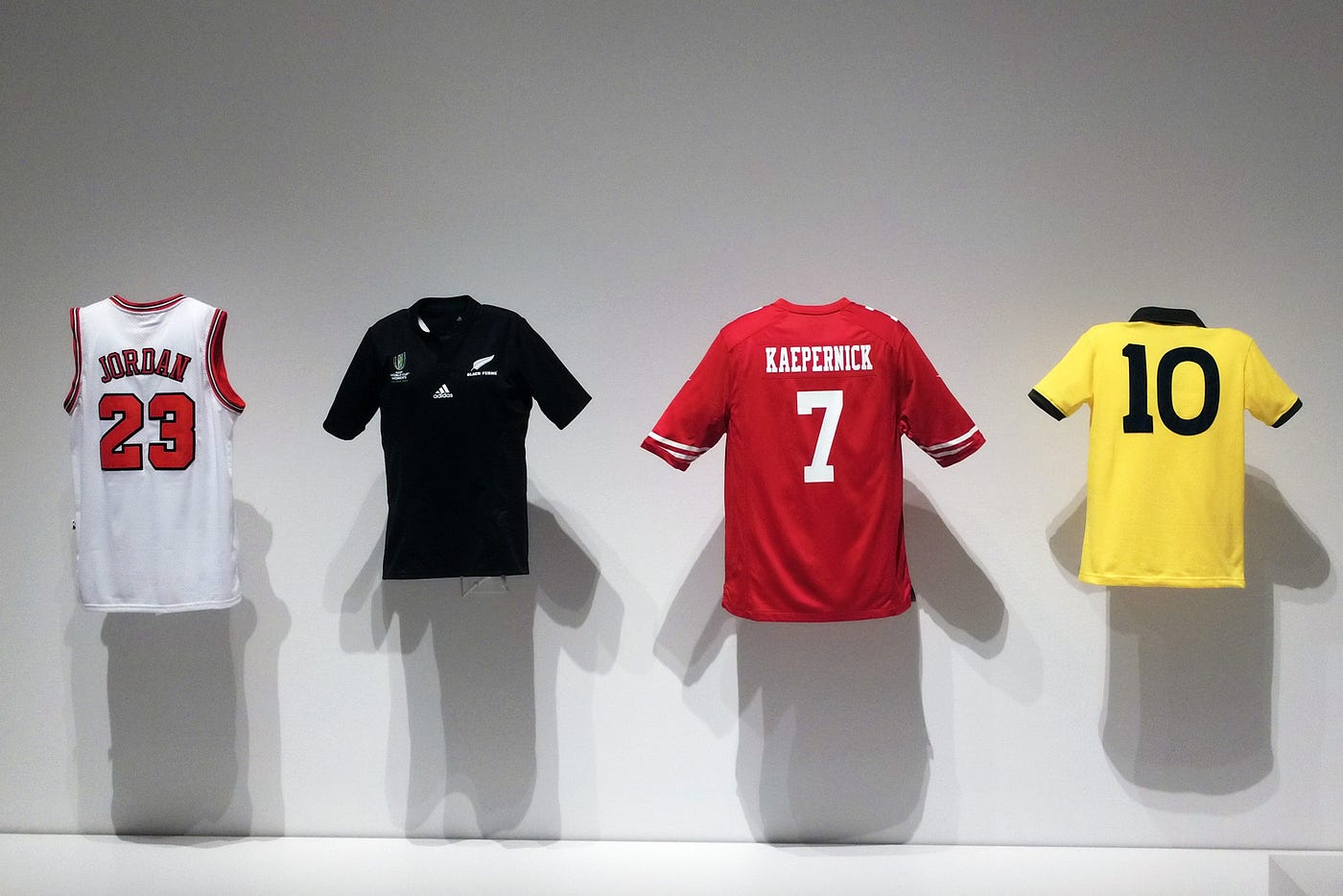
Now, sportswear is everywhere. Many people wear athleisure — sportswear used as casual fashion. Yoga pants, sneakers, and hoodies are common in offices, schools, and even parties. This trend shows how sportswear has become a part of daily life.
Credit: medium.com
Types Of Sportswear
Sportswear is not one single style. It includes many types, each made for a certain activity or purpose.
Performance Sportswear
Performance sportswear is made for serious athletes. It focuses on helping them do their best. These clothes use advanced materials, often tested in labs.
Examples:
- Running shorts and shirts: Lightweight, sweat-resistant, often with mesh panels.
- Compression wear: Supports muscles, reduces fatigue.
- Cycling gear: Tight fit, aerodynamic design, padded shorts.
Team Sportswear
Team sportswear is worn by groups in sports like soccer, basketball, and volleyball. It often includes uniforms with logos, numbers, and colors.
Features:
- Custom designs: Made for each team.
- Durable fabrics: Withstand rough play.
- Matching sets: Jerseys, shorts, socks.
Leisure Sportswear
This type is for light activity or relaxation. It blends comfort and style.
Common pieces:
- Joggers
- Sweatshirts
- T-shirts
Many people wear leisure sportswear as casual clothes.
Outdoor Sportswear
Outdoor sports require special clothing. It protects against weather and danger.
Examples:
- Hiking jackets: Waterproof, windproof.
- Ski pants and coats: Insulated, snow-resistant.
- Swimwear: Quick-drying, chlorine-proof.
Each outdoor activity needs its own sportswear.
Athleisure
Athleisure is a mix of athletic and leisure clothing. It is made for both exercise and daily life.
Typical athleisure pieces:
- Yoga pants
- Sneakers
- Zip-up jackets
Athleisure is popular for its comfort and style.
Materials Used In Sportswear
Modern sportswear uses many different materials. Each has benefits and drawbacks.
Natural Fabrics
Some sportswear uses natural materials:
- Cotton: Soft, comfortable, but not great for heavy sweating.
- Wool: Warm, absorbs moisture, but can feel itchy.
Synthetic Fabrics
Most sportswear is made from synthetic materials:
- Polyester: Durable, dries fast, lightweight.
- Nylon: Strong, flexible, resists wear.
- Spandex: Super stretchy, fits tightly.
Synthetic fabrics are popular because they perform well. They are easy to wash and last longer.
Technical Innovations
New materials appear often. These include:
- Moisture-wicking fabrics: Move sweat away, dry quickly.
- Antimicrobial coatings: Prevent bad smells.
- UV protection: Block harmful sunlight.
Some brands use recycled materials, making sportswear more eco-friendly.
Comparing Fabric Types
Here is a simple comparison of popular sportswear fabrics:
| Fabric | Main Benefits | Main Drawbacks |
|---|---|---|
| Cotton | Comfortable, natural | Absorbs sweat, slow drying |
| Polyester | Durable, dries fast | Can retain odors |
| Nylon | Flexible, strong | Can feel hot |
| Spandex | Very stretchy | Not breathable alone |
Choosing the right fabric depends on your activity and climate.
Credit: honda.racing
The Role Of Sportswear In Performance
Sportswear is not just about looks. It affects how people feel and perform.
Comfort And Movement
Good sportswear lets you move freely. Tight clothes or heavy fabrics can slow you down. For running, lightweight shirts and shorts help you keep cool. For yoga, stretchy pants allow bending and stretching.
Injury Prevention
Some sportswear protects you from injury. Compression wear supports muscles and joints. Padded gear shields against impacts. Shoes with proper cushioning prevent foot pain.
Psychological Impact
Wearing sportswear can boost confidence. Many people feel more motivated when dressed for exercise. This is called enclothed cognition — clothes influence how you think and act.
A non-obvious insight: Many beginners overlook fit. Sportswear that is too loose or tight can cause discomfort or even skin problems. Always check the fit before buying.
Sportswear For Different Activities
Sportswear is made for many sports. Each activity has its own needs.
Running
Running clothes focus on lightness and breathability.
- Shorts or leggings
- Moisture-wicking shirts
- Running shoes with good support
Soccer
Soccer needs durable, flexible uniforms.
- Jersey and shorts
- Shin guards
- Cleats
Soccer uniforms are made to handle rough play and frequent washing.
Swimming
Swimwear must resist water and chlorine.
- One-piece or two-piece suits
- Swim caps
- Goggles
Some swimwear uses special materials to reduce drag in the water.
Yoga
Yoga clothes are soft and stretchy.
- Yoga pants or leggings
- Fitted tops
- Barefoot or special socks
Yoga sportswear should not restrict movement.
Gym Training
Gym clothes need to handle sweat and movement.
- Tank tops
- Shorts or joggers
- Training shoes
Many gym-goers prefer clothes with antimicrobial properties.
Outdoor Activities
Outdoor sports require protection from weather.
- Waterproof jackets
- Insulated pants
- Layered tops
A non-obvious insight: For outdoor activities, layering sportswear helps regulate body temperature. Beginners often forget this and wear only a single heavy item.
Innovations And Trends In Sportswear
Sportswear technology moves fast. New trends appear every year.
Smart Sportswear
Some sportswear includes technology. Examples:
- Fitness trackers built into shirts
- Smart shoes that measure steps
- Clothing that tracks heart rate
These innovations help athletes monitor performance.
Sustainable Sportswear
Many brands now use recycled materials. For example, some shoes are made from plastic bottles. Sustainable sportswear is better for the environment.
Fashion And Sportswear
Sportswear is a big part of fashion. Designers create stylish pieces for both sports and daily life. Athleisure is a major trend.
Customization
People can customize sportswear. You can add your name, choose colors, or select special designs. Custom gear makes team sports more personal.
Choosing Sportswear: What Really Matters
Choosing the right sportswear depends on several factors.
Comfort
The most important factor is comfort. Try clothes before buying, or check size guides. Look for materials that feel good on your skin.
Activity Type
Pick sportswear for your activity. Running needs lightweight clothes. Yoga needs stretch. Outdoor sports need weather protection.
Climate
Match your sportswear to the weather. Use layers in cold climates, light fabrics in warm places.
Fit
Good fit prevents discomfort and injury. Avoid clothes that are too tight or too loose.
Durability
Choose sportswear that lasts. Check reviews and material quality.
Price Vs. Quality
Expensive sportswear is not always better. Focus on features and quality. Many affordable brands make high-quality sportswear.
Common Mistakes When Choosing Sportswear
- Ignoring fabric quality — cheap materials can cause skin irritation.
- Choosing fashion over function — stylish clothes may not perform well.
- Not considering climate — warm clothes in hot weather can cause overheating.
Sportswear For Everyday Life
Sportswear is not just for athletes. Many people wear it every day.
Athleisure In Daily Fashion
Athleisure is popular because it is comfortable and stylish. People wear yoga pants, sneakers, and sweatshirts to work, school, or social events.
Benefits Of Everyday Sportswear
- Comfort: Easy to move and relax.
- Practicality: Easy to wash and maintain.
- Confidence: Feeling ready for activity.
How Sportswear Influences Lifestyle
Sportswear encourages a healthy lifestyle. When you dress for exercise, you are more likely to move. It also supports mental health by making you feel good.
Sportswear And Health
Sportswear has a direct impact on health and safety.
Protecting Skin
Sportswear with UV protection shields against sunburn. Antimicrobial fabrics prevent skin infections.
Temperature Regulation
Good sportswear helps control body temperature. It keeps you warm in winter and cool in summer.
Preventing Injuries
Proper sportswear reduces the risk of injury. Shoes with good support prevent foot pain. Compression gear supports muscles.
A non-obvious insight: For people with sensitive skin, sportswear made from bamboo or specially treated fabrics can prevent irritation.
Sportswear For Different Age Groups
Sportswear is made for all ages.
Kids
Sportswear for kids focuses on safety and comfort.
- Bright colors for visibility
- Easy to wash
- Flexible for growth
Teens
Teens want style and performance.
- Trendy designs
- Breathable fabrics
- Custom options
Adults
Adults need sportswear for both performance and daily life.
- Professional styles
- Durable materials
- Fit for all body types
Seniors
Sportswear for seniors focuses on comfort and support.
- Easy to wear
- Soft fabrics
- Support for joints
Sportswear Brands And The Market
Many companies make sportswear. Some are famous worldwide, others are local.
Major Brands
Popular brands include:
- Nike
- Adidas
- Under Armour
- Puma
- Reebok
These brands focus on innovation, style, and performance.
Smaller Brands
Many smaller brands offer unique styles or eco-friendly options. They often focus on quality and niche markets.
Comparing Sportswear Brands
Here’s a simple comparison of some major sportswear brands:
| Brand | Main Focus | Popular Products |
|---|---|---|
| Nike | Performance, innovation | Shoes, running gear |
| Adidas | Style, comfort | Soccer gear, athleisure |
| Under Armour | Technology, durability | Compression wear |
| Puma | Fashion, sports | Sneakers, tracksuits |
| Reebok | Fitness, training | Gym wear |
Choosing a brand depends on your needs and preferences.
Caring For Sportswear
Sportswear lasts longer with proper care.
Washing Tips
- Use cold water to prevent shrinking.
- Avoid fabric softeners — they can block breathability.
- Air dry when possible; avoid high heat.
Storage
- Keep sportswear in a cool, dry place.
- Fold or hang to avoid wrinkles.
Repair
Small tears or loose threads can be fixed at home. Proper care saves money and extends the life of your sportswear.
Sportswear In Professional Sports
Professional athletes rely on advanced sportswear.
Custom Design
Teams and athletes have custom-made gear. It fits perfectly and meets the sport’s needs.
Sponsorships
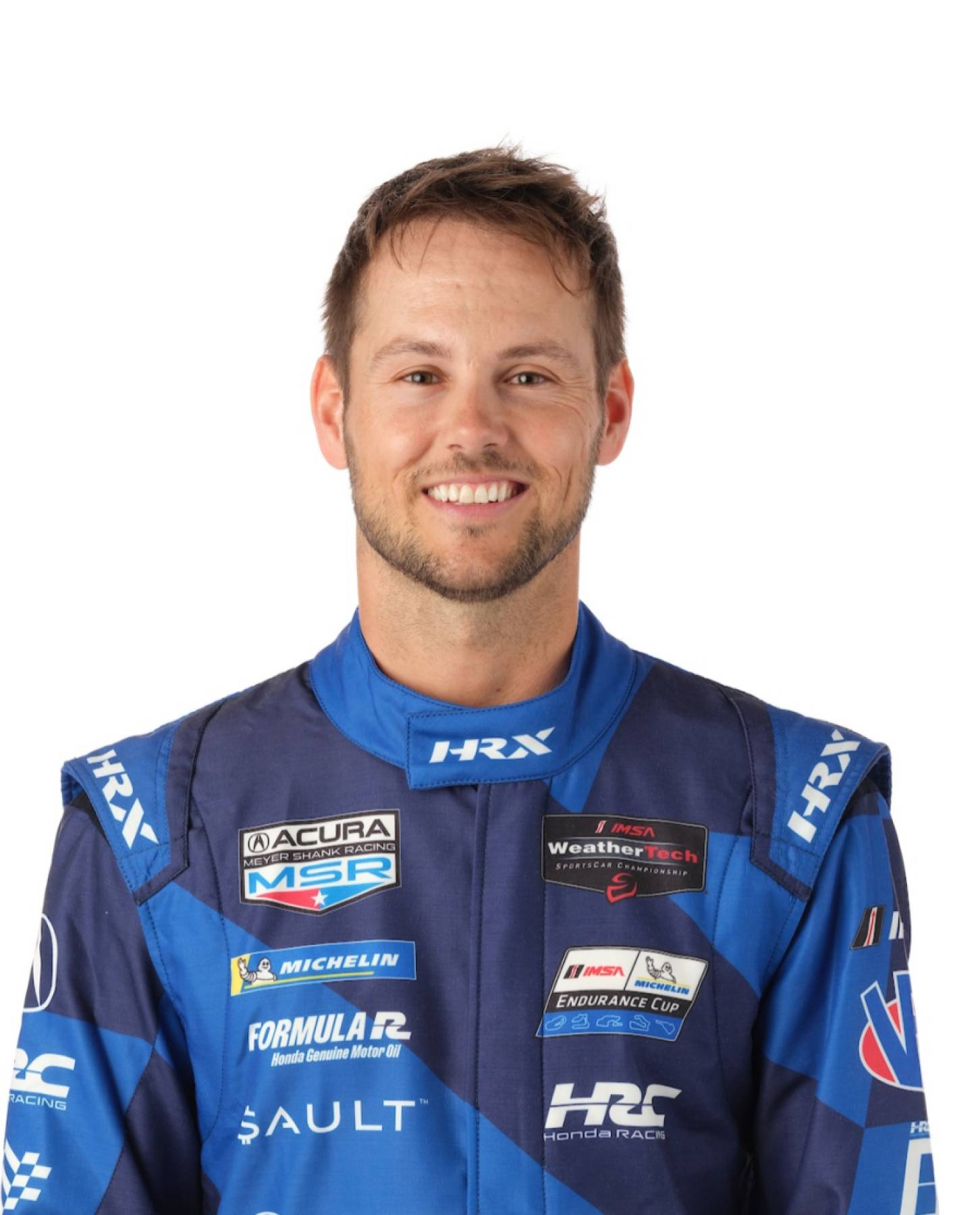
Brands sponsor athletes, giving them the best gear. This helps both performance and marketing.
Regulations
Professional sports have rules about sportswear. Uniforms must follow standards for color, logos, and safety.

Credit: www.ebay.com
Sportswear And Technology
Technology is changing sportswear fast.
Wearable Devices
Smart sportswear includes sensors and trackers. They measure steps, heart rate, and calories burned.
Virtual Fitting
Some brands offer virtual fitting tools. You can see how clothes look before buying.
Online Shopping
Buying sportswear online is easy. Reviews and ratings help you choose. For more on sportswear technology, see Wikipedia.
Frequently Asked Questions
What Is The Difference Between Sportswear And Activewear?
Sportswear is made for specific sports or activities, while activewear is for general exercise or daily movement. Activewear is often more casual and less technical.
Can I Wear Sportswear As Regular Clothes?
Yes, many people wear sportswear daily. Items like joggers, sneakers, and hoodies are common in everyday fashion.
How Do I Choose The Best Sportswear For My Needs?
Focus on comfort, fit, activity type, and climate. Try clothes before buying, and check fabric quality. Avoid choosing only by style.
Are Expensive Sportswear Brands Better?
Not always. Some affordable brands offer high quality. Look for features and durability, not just price.
How Do I Care For Sportswear To Make It Last Longer?
Wash with cold water, avoid fabric softeners, and air dry. Store in a dry place, and fix small issues quickly.
Sportswear is now a key part of life, not just for athletes. It blends performance, comfort, and style. Whether you are working out or relaxing, the right sportswear makes a big difference. With new materials and trends, sportswear continues to grow and evolve.
Choose what fits your needs, and enjoy the benefits every day.
