

What is Business Casual Women Shoes: Style Guide for 2024
What Is Business Casual Women Shoes
Business casual is a term that often confuses many people. In workplaces, it means dressing professionally but not too formally. For women, shoes are a big part of this dress code. Choosing the right business casual shoes can help you feel confident and comfortable at work.
But what exactly counts as business casual for women’s footwear? It’s not always obvious. Many women worry about making mistakes, looking too relaxed, or wearing something that feels stiff and uncomfortable. This article will help you understand what business casual women shoes are, which types are popular, and how to select the best pair for your needs.
Whether you work in an office or attend meetings, you’ll find clear answers and practical advice here.
Understanding Business Casual For Women’s Shoes
Business casual combines professionalism with comfort. Unlike formal shoes, business casual options are less strict. You don’t need to wear high heels or shiny pumps every day. At the same time, sneakers, flip-flops, and sandals are usually too informal. The right business casual shoes should fit somewhere in between.
Business casual women shoes are designed for work settings where you want to look neat and approachable. They avoid extremes—too formal or too relaxed. Materials, colors, and designs are simpler than dress shoes but more polished than casual footwear.
Some workplaces have clear rules, while others are more flexible. When in doubt, look around at what other women wear or ask your manager. Remember, business casual is about blending professionalism and comfort, not sacrificing one for the other.
Types Of Business Casual Women Shoes
Choosing business casual shoes depends on your workplace, personal style, and comfort. Here are the main types you’ll see:
Loafers
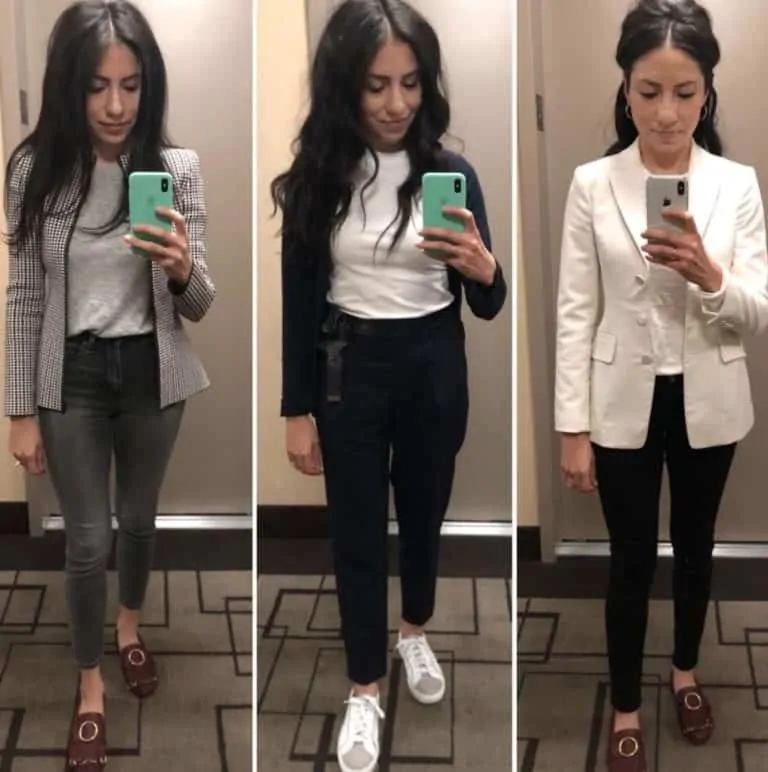
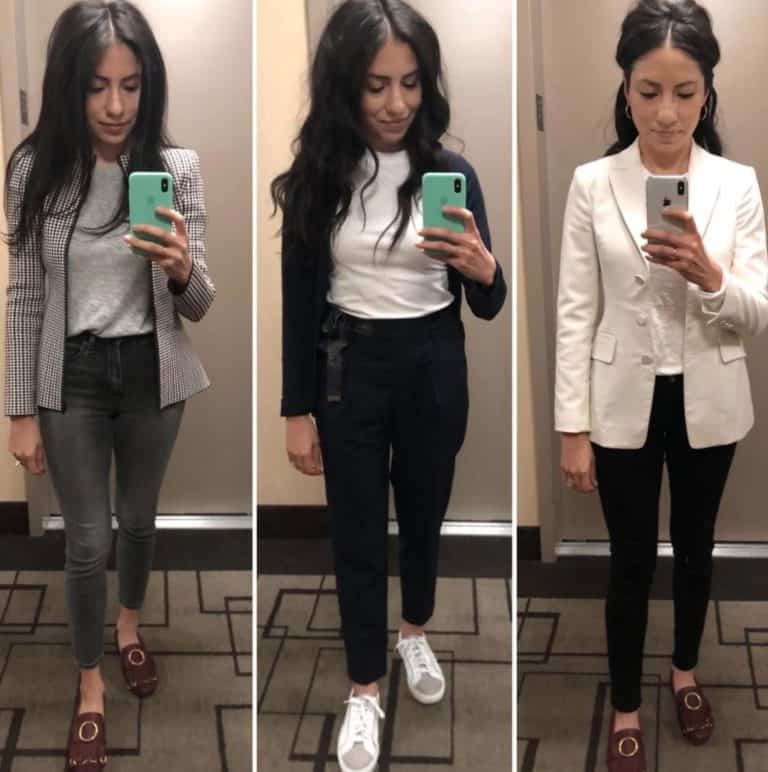
Loafers are slip-on shoes with a flat or low heel. They are made from leather, suede, or synthetic materials. Loafers look neat and fit most business casual offices. They are easy to wear all day and match pants, skirts, or dresses.
Ballet Flats
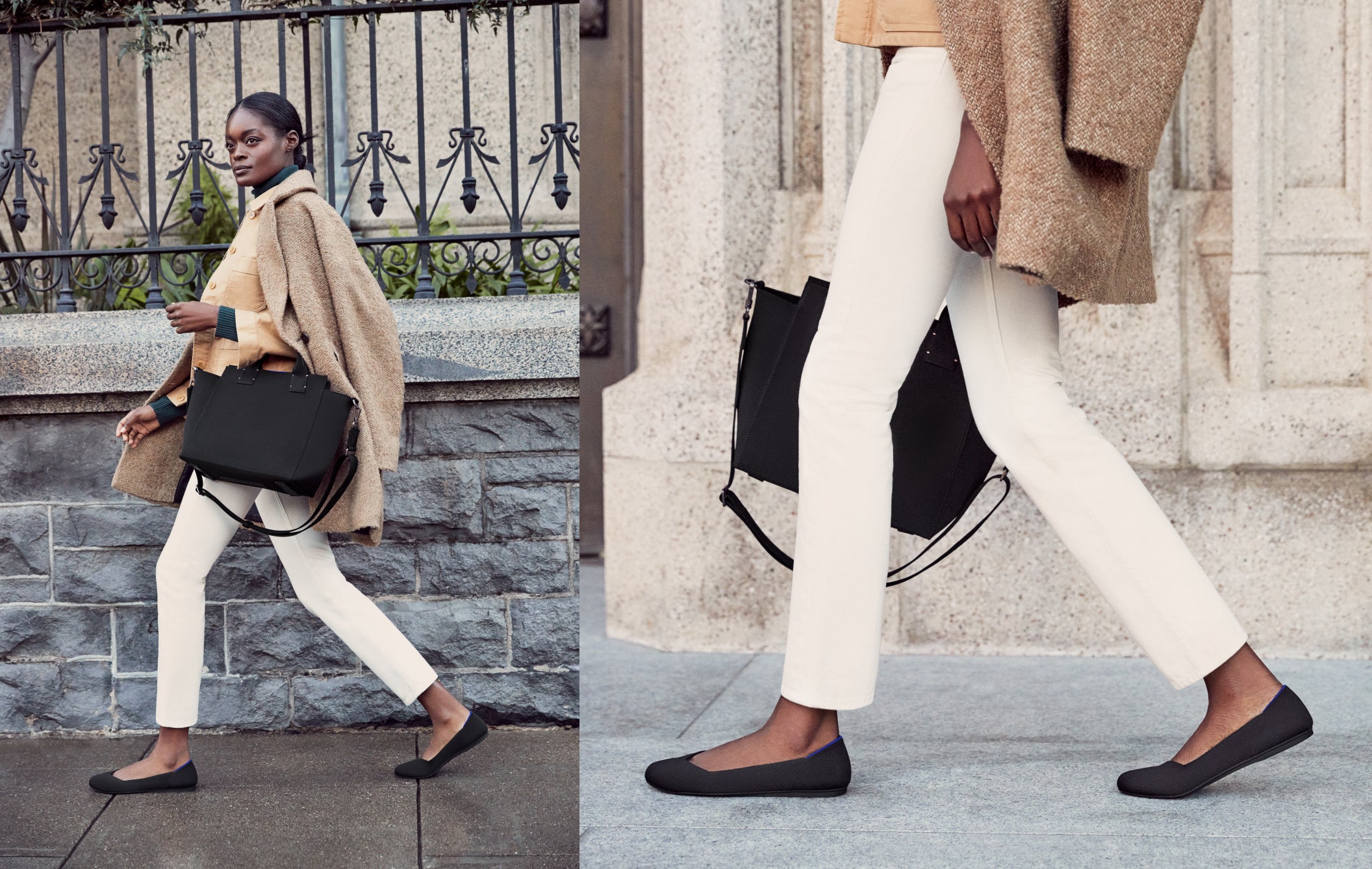
Ballet flats are simple, flat shoes with a rounded toe. They are comfortable, lightweight, and come in many colors. Flats work well with trousers and skirts. Avoid overly decorated styles; stick to plain or subtle designs for work.
Low-heeled Pumps
Low-heeled pumps give you a bit of height without being uncomfortable. They usually have a closed toe and a heel under 2 inches. Pumps are classic and go with almost any business casual outfit.
Block Heels
Block heels are wider and more stable than thin heels. They provide support and look professional. Block heels are popular for women who want style and comfort. They can be worn with pants, dresses, or skirts.
Oxfords
Oxfords are lace-up shoes with a clean, classic design. They are usually made from leather and have a small heel. Oxfords bring a touch of formality but still fit business casual. They are a good choice for cooler seasons.
Ankle Boots
Ankle boots are short boots that cover the ankle. They work well in fall and winter. Choose boots with a low or medium heel and a simple design. Avoid boots with flashy hardware or decorations.
Mules
Mules are backless shoes, often with a closed toe. They are easy to slip on and off. Mules can be stylish and comfortable for business casual settings. Look for pairs with modest heels and minimal decoration.
Dress Sandals
Some workplaces allow dress sandals if they are closed-toe or have a minimal, elegant design. Avoid sandals that show too much of the foot or have bright colors.
Credit: nilds.gov.ng
What Makes Shoes “business Casual”?
A shoe is business casual if it is:
- Closed-toe or modest open-toe (if allowed)
- Made from quality materials like leather or suede
- Has a simple, clean design
- Offers comfort for walking and standing
- Avoids bright colors, glitter, or excessive decorations
The details matter. Shoes with too many bows, rhinestones, or bold prints can look unprofessional. Stick to neutral colors like black, brown, navy, beige, or gray. Simple patterns are fine if they are subtle.
Business Casual Vs. Formal And Casual Shoes
It’s easy to get confused between these three categories. Let’s compare them side by side:
| Type | Business Casual | Formal | Casual |
|---|---|---|---|
| Design | Simple, neat | Elegant, shiny, structured | Relaxed, bold, playful |
| Material | Leather, suede, synthetic | Polished leather, patent | Canvas, rubber, fabric |
| Heel Height | Low to medium | Medium to high | Flat or sporty |
| Color | Neutral, muted | Black, metallic, deep colors | Bright, patterned |
| Comfort | Balanced | Less focus | Very high |
| Occasion | Office, meetings | Weddings, ceremonies | Weekends, errands |
This table helps you see what makes a shoe business casual. The focus is on balance—professional but not stiff.
Popular Materials For Business Casual Shoes
Material affects both comfort and appearance. Here are the most common choices:
- Leather: Durable, looks polished, easy to clean.
- Suede: Softer, stylish, but needs care to avoid stains.
- Synthetic: Affordable, lightweight, varies in quality.
- Patent: Shiny, more formal, best for pumps.
- Textile: Used in flats or loafers, less formal.
Leather is the top pick for business casual because it lasts long and looks professional. Suede is good for cooler seasons but avoid it on rainy days. Synthetic materials are budget-friendly but may not breathe as well.
Colors And Patterns: What’s Acceptable?
Neutral colors are safest. Black, brown, navy, beige, and gray are widely accepted. These shades match most business outfits and don’t draw too much attention. Some offices allow soft colors like blush or olive.
Patterns should be subtle. Tiny checks, small polka dots, or gentle stripes are fine. Avoid bold prints or bright colors like red, yellow, or neon shades.
If you want a bit of personality, choose shoes with small details—like a metallic buckle or a tiny bow. But keep it simple.
How To Choose The Right Business Casual Shoe
Picking the best shoe depends on your job, daily activities, and style. Here’s a step-by-step guide:
- Check your dress code: Some companies have strict rules, others are flexible.
- Think about comfort: If you walk or stand a lot, avoid high heels or stiff shoes.
- Match your outfit: Choose shoes that go well with your work clothes.
- Pick the right material: Leather for durability, suede for style, synthetic for price.
- Choose a safe color: Black, brown, navy, or beige are best.
- Consider the season: Boots for winter, flats or loafers for summer.
- Look for quality: Well-made shoes last longer and feel better.
Many beginners forget to check the dress code or ignore comfort. It’s easy to focus on style, but uncomfortable shoes can ruin your day.
Common Mistakes With Business Casual Shoes
Some mistakes happen often, especially for those new to business casual:
- Wearing shoes that are too casual (sneakers, flip-flops)
- Choosing very high heels that cause discomfort
- Picking shoes with flashy designs or colors
- Ignoring fit—tight shoes hurt, loose shoes look sloppy
- Forgetting to maintain shoes (dirty, worn-out)
Avoiding these mistakes can help you look professional and feel good at work.
Examples Of Business Casual Outfits With Shoes
Matching shoes with outfits is important. Here are some examples:
- Loafers with ankle-length pants and a button-up shirt
- Ballet flats with a knee-length skirt and blouse
- Low-heeled pumps with a sheath dress and cardigan
- Block heels with tailored trousers and a blazer
- Oxfords with wide-leg pants and a tucked-in sweater
- Ankle boots with a pencil skirt and fitted jacket
Each combination blends comfort and professionalism. If you’re unsure, start with loafers or flats—they work for almost every outfit.
Business Casual Shoes For Different Workplaces
Workplaces vary in their dress code. Let’s look at three common types:
Corporate Offices
Corporate offices often expect classic shoes—loafers, pumps, or block heels. Stick to neutral colors and avoid open-toe shoes unless the policy allows.
Creative Agencies
Creative workplaces are more flexible. You might see stylish flats, patterned loafers, or modest mules. You can show more personality but still avoid sneakers or sandals.
Tech Startups
Startups are relaxed but still want professionalism. Comfortable flats, simple boots, and clean loafers are popular. You can wear softer colors and simple patterns.
Comfort And Health: Why It Matters
Comfort is not just about feeling good. Poorly fitting shoes can cause foot pain, blisters, or even long-term problems. According to studies, 80% of women report discomfort from office shoes at least once a week. Make sure your business casual shoes fit well and support your feet.
Features to look for:
- Cushioned insoles
- Arch support
- Breathable lining
- Flexible soles
If you have foot issues, consult a specialist or choose brands known for comfort.
Caring For Business Casual Shoes
Proper care keeps your shoes looking good and lasting longer. Here are practical tips:
- Clean leather shoes with a soft cloth and polish.
- Brush suede shoes gently and use a spray to protect from water.
- Store shoes in a cool, dry place.
- Rotate shoes—don’t wear the same pair every day.
- Fix any damage quickly (loose soles, broken heels).
Many women ignore shoe maintenance. Well-kept shoes make a better impression and save money over time.
Business Casual Shoes For Different Seasons
Weather affects your choice. Here’s how to adapt:
- Spring: Loafers, ballet flats, oxfords
- Summer: Light flats, closed-toe sandals (if allowed), breathable materials
- Fall: Ankle boots, block heels, loafers
- Winter: Leather boots, thicker materials, closed-toe styles
Avoid suede in rain and snow. In summer, make sure shoes are breathable to avoid sweating.
Business Casual Shoe Brands
Some brands focus on business casual shoes for women. Here are a few popular ones:
- Clarks: Known for comfortable loafers and flats
- Naturalizer: Offers cushioned insoles and stylish designs
- Cole Haan: Mixes style and comfort, especially in pumps
- Sam Edelman: Fashionable flats and block heels
- Dr. Scholl’s: Famous for comfort and support
Choosing a trusted brand can help you find shoes that last and feel good.
Sizing And Fit: Getting It Right
Sizing varies between brands and countries. Always try shoes on before buying. Here’s a quick comparison of sizing:
| US Size | EU Size | UK Size | Foot Length (inches) |
|---|---|---|---|
| 6 | 36-37 | 4 | 9.25 |
| 7 | 37-38 | 5 | 9.5 |
| 8 | 38-39 | 6 | 9.75 |
| 9 | 40 | 7 | 10 |
| 10 | 41-42 | 8 | 10.25 |
Beginners often overlook sizing differences. Shoes that are too tight or loose can cause pain. Always check the brand’s size chart and, if possible, try shoes on with the socks or stockings you plan to wear.
Sustainability And Ethical Choices
Today, many women care about sustainability. Eco-friendly shoes are made with recycled materials, ethical labor, and less pollution. Some brands, like Allbirds or Rothy’s, focus on green practices.
Choosing sustainable shoes can help the planet and support fair working conditions. Look for:
- Certified materials
- Transparent supply chains
- Durable designs
Ethical choices are not just about buying—they’re about caring for shoes and reducing waste.
How Much Should You Spend?
Price varies. Business casual shoes can cost anywhere from $40 to $200. High prices don’t always mean better quality. Here’s a quick comparison:
| Price Range | Features | Typical Brands |
|---|---|---|
| $40–$70 | Basic comfort, synthetic materials | Dr. Scholl’s, H&M |
| $70–$120 | Better materials, more styles | Clarks, Naturalizer |
| $120–$200 | Premium leather, designer features | Cole Haan, Sam Edelman |
Choose based on your needs. You don’t need to buy the most expensive pair. Focus on comfort, quality, and fit.
Shopping Tips For Business Casual Shoes
Here are some practical tips for buying:
- Shop at the end of the day—feet swell and you’ll get a better fit.
- Try both shoes—feet sizes can be different.
- Walk around the store to test comfort.
- Check return policies.
- Read reviews for sizing and durability.
Online shopping is easy, but in-person fitting is safer for new styles or brands.
Credit: rothys.com
Business Casual Shoes And Office Culture
Office culture affects your choices. In some places, creative styles are welcome. In others, classic and simple shoes are best. If you’re new, start safe—loafers or flats in neutral colors. As you learn the culture, you can add more style.
Some companies offer “dress down” days. On those days, you can wear more relaxed shoes, but still avoid sneakers or sandals unless allowed.
Business Casual Shoes For Special Needs
Women with foot problems need special shoes. Look for brands that offer wide sizes, extra support, or orthopedic features. Some shoes have removable insoles for custom inserts.
If you have allergies or sensitive skin, choose shoes with natural materials and no harsh dyes.
Credit: nilds.gov.ng
Non-obvious Insights Beginners Miss
- Shoe shape matters: Rounded toes are more comfortable for most women. Pointed toes can cause pain if worn daily.
- Heel width is important: Wide heels (block heels) are safer and more stable. Thin heels look stylish but can be hard to walk in.
- Rotation is key: Wearing the same shoe every day wears them out faster. Rotating pairs helps shoes last longer and keeps your feet healthy.
Many people focus only on style or price, forgetting about these details.
Where To Learn More
If you want to explore more about shoe styles and dress codes, the Wikipedia Business Casual page offers additional information.
Frequently Asked Questions
What Heel Height Is Best For Business Casual Women’s Shoes?
The best heel height is 1–2 inches. It gives a bit of lift without causing discomfort. Flats and low block heels are safest for daily wear.
Are Open-toe Shoes Allowed In Business Casual?
Some workplaces allow closed-toe sandals or modest open-toe shoes. Always check your company’s dress code. Avoid sandals with thin straps or flashy designs.
How Do I Keep Business Casual Shoes Comfortable All Day?
Look for cushioned insoles, flexible soles, and good arch support. Choosing the right size is important. Rotate shoes to avoid discomfort.
Can I Wear Sneakers As Business Casual?
Most offices do not accept sneakers as business casual. Some modern workplaces allow dress sneakers—simple, clean designs in neutral colors. When in doubt, choose loafers or flats.
What Is The Most Versatile Business Casual Shoe?
Loafers are the most versatile. They match pants, skirts, and dresses, and fit most office cultures. Flats and low block heels are also good choices.
Business casual shoes for women are not just about style—they blend comfort, professionalism, and personality. With the right pair, you can feel confident and enjoy your workday. If you follow these tips and insights, you’ll avoid common mistakes and make smarter choices.
