

What is Business Casual Clothes Men: Essential Style Guide
What Is Business Casual Clothes Men
Business casual is one of the most misunderstood dress codes, especially for men. It sits somewhere between formal office attire and casual weekend wear. Many men struggle to know what business casual really means. Is it just khakis and a polo?
Can you wear jeans? What about sneakers? If you ever felt confused, you’re not alone.
This guide will help you understand business casual for men. You’ll learn what counts as business casual, how to build a wardrobe, common mistakes, and how to adapt for different situations. By the end, you’ll feel confident dressing business casual and know how to stand out without breaking the rules.
What Does Business Casual Mean?
Business casual is a style that mixes professional and relaxed clothing. It aims to look polished but not stiff. You dress nicely, but you don’t need a suit and tie. At the same time, it’s not as relaxed as jeans and a t-shirt.
Most workplaces use business casual to create a comfortable but respectful environment. It allows personal expression, but still keeps a professional look. The problem is that every company defines business casual differently. Some are stricter, while others are more relaxed.
Key Features Of Business Casual
- No suit jacket required
- Collared shirts are standard
- Dress pants or chinos, not jeans
- Closed-toe shoes
- Simple accessories
The main goal is to look neat, trustworthy, and approachable. You want to show you care about your appearance but aren’t trying too hard.
How Business Casual Differs From Other Dress Codes
Let’s compare business casual to other common dress codes:
| Dress Code | Typical Clothing | Key Difference |
|---|---|---|
| Formal/Business Professional | Suit, dress shirt, tie, dress shoes | Always requires a jacket and tie |
| Business Casual | Collared shirt, chinos/dress pants, loafers | No suit or tie needed |
| Smart Casual | Polished jeans, stylish shirt, casual shoes | Allows jeans and trendy items |
| Casual | T-shirt, jeans, sneakers | No rules; comfort is priority |
Essential Business Casual Clothing For Men
Building a business casual wardrobe starts with a few key items. You don’t need a huge closet, but you do need the right pieces. Choose items that mix well together and fit your workplace style.
Shirts
The shirt is the foundation of business casual. Most men wear collared shirts, but there are different options.
- Dress shirts: Button-down shirts are classic. Choose solid colors or subtle patterns like stripes. Avoid loud prints.
- Polo shirts: Acceptable in many offices, especially in warmer climates. Go for solid colors or simple stripes.
- Casual button-ups: Think Oxford shirts or soft flannel. These are less formal but still neat.
- Sweaters: Layer a sweater over your shirt for a smarter look in cold weather.
Tip: Avoid t-shirts unless your company is very relaxed. Stick to collared shirts for the safest choice.
Pants
Pants can make or break your business casual outfit. The best options are:
- Chinos: Versatile and comfortable. Choose neutral colors like navy, khaki, or gray.
- Dress pants: Wool or cotton trousers give a more formal touch.
- Dark jeans: Some workplaces allow well-fitted, dark jeans. Avoid faded, ripped, or baggy styles.
Never wear shorts, athletic pants, or distressed jeans in a business casual setting.
Jackets And Layers
While a suit jacket isn’t required, layering can elevate your look.
- Blazers: A tailored blazer can make your outfit look sharper.
- Cardigans: Softer than blazers, cardigans are good for colder offices.
- Sweater vests: Add warmth and a touch of style.
Choose simple colors and avoid flashy details.
Shoes
Shoes are often overlooked, but they matter in business casual.
- Loafers: Easy to wear and comfortable.
- Derby shoes: Dressy but not too formal.
- Oxfords: Classic, usually in brown or black.
- Dress boots: Good for colder months.
- Clean sneakers: Some modern offices allow minimal, leather sneakers.
Avoid sandals, flip-flops, and athletic sneakers unless your workplace is very relaxed.
Accessories
Keep accessories simple.
- Leather belt: Matches your shoes.
- Watch: Choose a classic style, not a sports watch.
- Tie: Optional; only wear if you want to dress up.
- Pocket square: Only with a blazer, for extra flair.
Less is more. Avoid flashy jewelry or bright colors.
How To Build A Business Casual Wardrobe
Buying the right business casual clothes doesn’t mean spending a fortune. A smart approach is to start with basic items and add as needed.
Step 1: Start With Core Pieces
Buy a few shirts, pants, and shoes that match well. Focus on neutral colors like blue, gray, white, and brown. These colors are easy to mix.
Step 2: Layer For Flexibility
Add blazers, sweaters, or cardigans. Layers help you adjust for weather and office style.
Step 3: Add Accessories
Once you have basics, add a belt, watch, and maybe a tie or pocket square.
Step 4: Upgrade As Needed
When you know your workplace better, add items that fit the company culture. For example, buy a pair of dress boots for winter or a bright shirt if your office is creative.
Budget-friendly Tips
- Buy clothes off-season for discounts.
- Look for quality fabrics; they last longer.
- Try thrift shops for bargains on blazers and shoes.
- Choose versatile pieces—one shirt can work with many pants.
Common Business Casual Mistakes
Even experienced professionals make mistakes. Knowing what to avoid is just as important as knowing what to wear.
1. Wearing Wrinkled Or Dirty Clothes
Business casual is about looking neat. Always iron shirts and pants. Dirty shoes or shirts ruin your look.
2. Choosing Loud Patterns Or Colors
Stick to subtle patterns and neutral colors. Bright prints can seem unprofessional.
3. Wearing Athletic Shoes
Unless your office is very relaxed, skip running shoes or sneakers with logos.
4. Ignoring Fit
Baggy or tight clothes look sloppy. Make sure everything fits well. Tailor pants and shirts if needed.
5. Mixing Formal And Casual Too Much
Don’t wear a tie with jeans or a suit jacket with sneakers. Match formality levels.
6. Over-accessorizing
Keep jewelry and accessories simple.
7. Skipping Grooming
Well-groomed hair, clean nails, and trimmed facial hair matter as much as your outfit.
Business Casual For Different Workplaces
Not all offices are the same. Business casual can look different in a tech company, law firm, or creative studio.
Corporate Offices
Corporate offices usually expect a more polished business casual style. Wear dress shirts, trousers, and leather shoes. Blazers are common.
Tech Companies
Tech offices are relaxed. Polos, chinos, and even clean sneakers are fine. Jeans may be allowed.
Creative Agencies
Creative workplaces allow more color and style. Try patterned shirts, bold socks, or unique accessories.
Retail Or Hospitality
If you work in retail or hospitality, business casual means comfortable but neat. Polos, chinos, and slip-on shoes are best.
Remote Work
Even at home, dress business casual for video meetings. A collared shirt and neat pants show professionalism.
Seasonal Business Casual Dressing
Seasons change how you dress. Business casual adapts for weather and comfort.
Summer
- Lightweight shirts (cotton, linen)
- Short-sleeve polos
- Chinos or light trousers
- Loafers or minimal sneakers
Stay cool, but don’t wear shorts unless your company allows.
Winter
- Wool trousers
- Sweaters or cardigans
- Dress boots
- Layer with a blazer or heavy coat
Choose thicker fabrics and darker colors.
Spring And Fall
- Mix layers: Shirts, sweaters, light jackets
- Chinos or jeans (if allowed)
- Loafers, boots, or dress shoes
Flexibility is key as temperatures change.
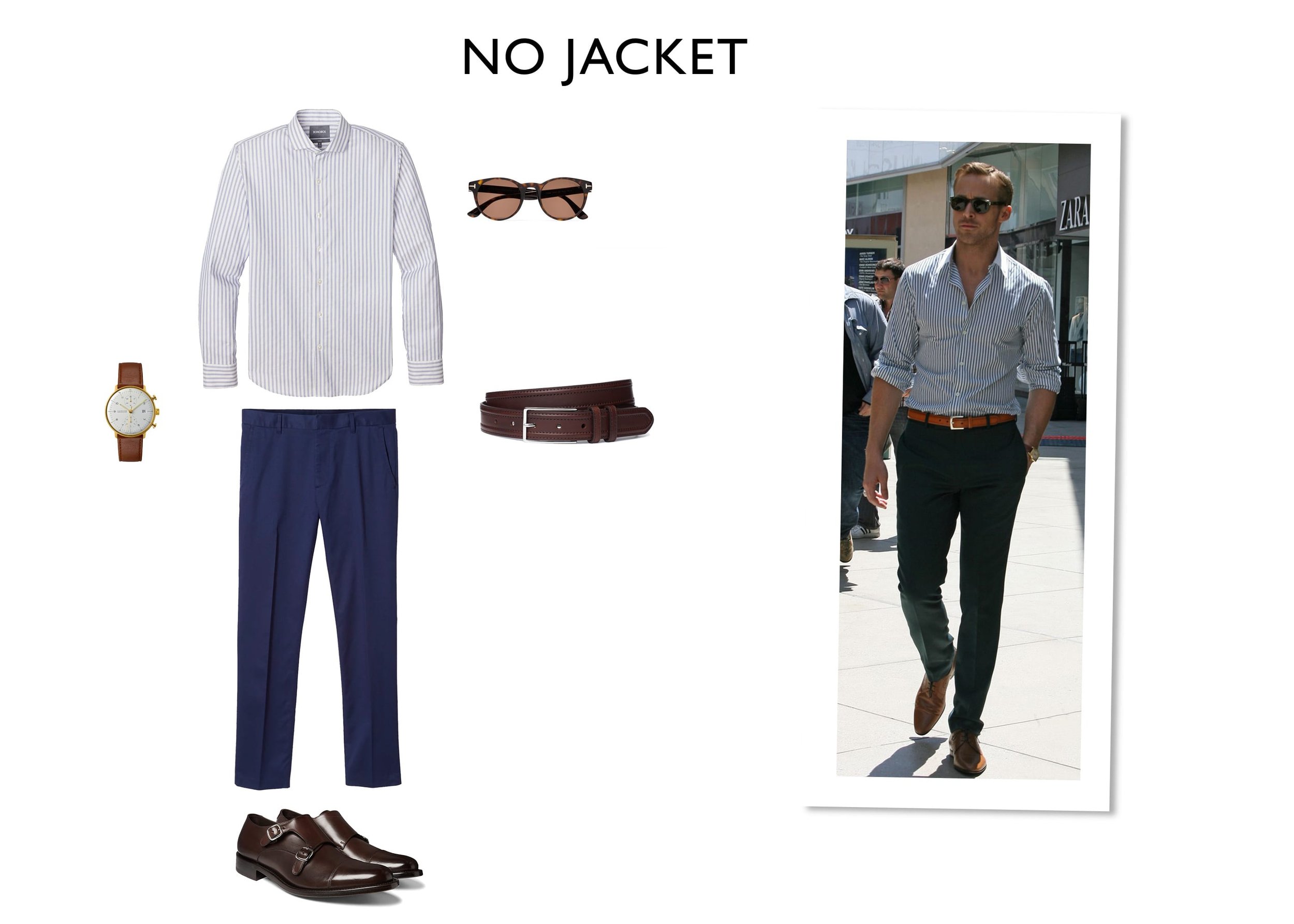
Credit: www.theessentialman.com
Color And Pattern Choices
Choosing the right colors and patterns is important for business casual. You want to look sharp but not flashy.
Best Colors
- Navy: Works with almost everything.
- Gray: Neutral and easy to match.
- White: Clean and classic.
- Light blue: Adds color but stays professional.
- Brown: Good for shoes and belts.
Patterns
Stick to simple patterns:
- Stripes: Thin, vertical stripes are classic.
- Checks: Small checks are fine.
- Solid colors: Always safe.
Avoid large, bright patterns or graphics.
Fit And Fabric: Why They Matter
Fit is often overlooked, but it matters more than brand or price. Well-fitted clothes look smart and feel comfortable.
How To Check Fit
- Shoulders: Seams should sit at your shoulder bone.
- Chest: No pulling or sagging.
- Sleeves: End at your wrist bone.
- Pants: Waist fits without a belt; hem hits the top of your shoes.
Best Fabrics
Choose breathable and durable materials:
- Cotton: Soft and easy to care for.
- Wool: Warm for winter.
- Linen: Good for summer, but wrinkles easily.
- Polyester blends: Last longer and resist wrinkles.
Avoid cheap, synthetic fabrics—they often look shiny and don’t breathe well.
Business Casual Outfits For Different Occasions
Business casual isn’t just for the office. You can use it for networking events, presentations, or even dates.
Networking Events
- Dress shirt
- Chinos
- Blazer
- Loafers
Shows you are serious but approachable.
Presentations
- Dress shirt
- Wool trousers
- Blazer
- Oxfords
Look confident and sharp.
Casual Fridays
- Polo shirt
- Dark jeans (if allowed)
- Minimal sneakers
Relaxed but neat.
After-work Socials
- Casual button-up
- Chinos
- Dress boots
You’re ready for both work and fun.
Business Casual For Larger Or Smaller Men
Fit challenges are common for men outside standard sizes. Business casual can work for everyone.
Larger Men
- Avoid baggy clothes; choose tailored fits.
- Dark colors slim the body.
- Vertical stripes elongate the shape.
Smaller Men
- Avoid oversized items.
- Try slim fits; they add structure.
- Light colors and small patterns help.
Tip: Tailoring is worth the investment. It makes any body shape look more professional.
Business Casual Vs. Smart Casual
Some people confuse business casual with smart casual. Let’s look at the main differences:
| Feature | Business Casual | Smart Casual |
|---|---|---|
| Jeans | Rarely allowed | Commonly allowed |
| Sneakers | Only minimal styles | Fashion sneakers allowed |
| Accessories | Simple, classic | Trendy, bold |
| Shirt Styles | Collared, button-down | Polo, t-shirt, casual button-up |
| Jackets | Blazers, cardigans | Leather, denim, bomber jackets |
If your company says “smart casual,” you have more freedom. With business casual, stay polished.
Business Casual For Different Age Groups
Business casual isn’t just for young professionals. Men of all ages can use this dress code.
Young Professionals
- Try slim-fit shirts and pants.
- Avoid too many accessories.
- Modern shoes like loafers or minimal sneakers.
Mid-career
- Classic dress shirts and trousers.
- Add a blazer for meetings.
- Focus on quality fabrics.
Seniors
- Softer fits for comfort.
- Cardigans and wool pants.
- Neutral colors and classic shoes.
Age doesn’t limit your style. Adjust fit and color for comfort and confidence.
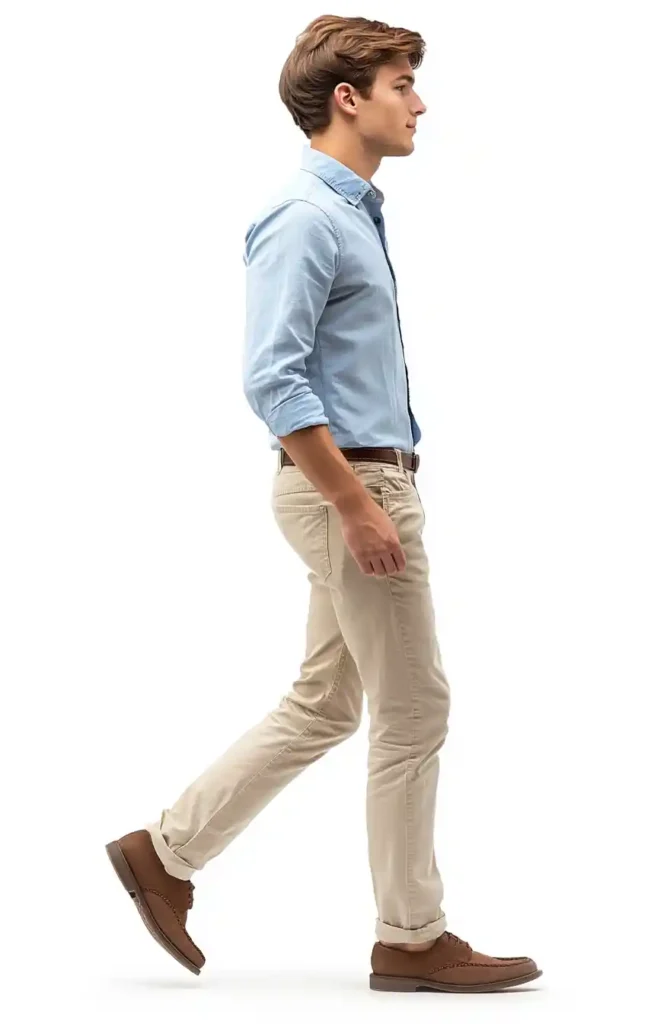
Credit: www.timetrex.com
How To Stand Out With Business Casual
You can look unique without breaking business casual rules.
1. Wear A Statement Blazer
A blazer in navy or gray with a subtle pattern stands out.
2. Try Bold Socks
Bright or patterned socks add personality.
3. Use A Pocket Square
A simple pocket square gives flair without looking too formal.
4. Pick Unique Shoes
A pair of dress boots or loafers in a different color (like burgundy) can make your outfit memorable.
5. Mix Textures
Combine cotton, wool, and leather for a rich look.
Caring For Business Casual Clothes
Proper care extends the life of your wardrobe.
Washing
- Follow care labels.
- Use gentle detergent for shirts and pants.
- Wash sweaters in cold water.
Ironing
- Iron shirts and pants before wearing.
- Use steam for stubborn wrinkles.
Storage
- Hang shirts and pants.
- Store shoes with shoe trees.
- Fold sweaters to avoid stretching.
Shoe Care
- Clean shoes regularly.
- Polish leather shoes.
- Use waterproof spray for boots.
Investing time in care saves money and keeps you looking sharp.
Where To Buy Business Casual Clothes
Many stores carry business casual items. Choose quality brands and try on clothes before buying.
Popular US brands:
- Banana Republic
- J.Crew
- Brooks Brothers
- Nordstrom
- Uniqlo
Online shopping is easy, but check size charts. Read reviews for fit and quality. For more details on business casual, visit Wikipedia.
Business Casual And Company Culture
Always check your company’s dress code policy. Some offices have written rules; others rely on tradition. If you’re unsure, ask HR or watch what managers wear.
If you travel or meet clients, adapt your style to their company. Dressing slightly better than the average shows respect.

Credit: www.hockerty.com
Frequently Asked Questions
What Is The Safest Business Casual Outfit For Men?
A collared dress shirt, chinos, and leather loafers are safe in almost every business casual office. Add a blazer if you want to look more polished.
Can Men Wear Jeans For Business Casual?
Dark, well-fitted jeans are sometimes allowed in business casual offices, but always check your company policy. Avoid ripped or faded jeans.
Are Sneakers Okay For Business Casual?
Minimal, leather sneakers may be allowed in some modern offices. Classic dress shoes like loafers or Oxfords are usually safer.
Is A Tie Required For Business Casual?
No, a tie is not required. You can wear one if you want to dress up, but most business casual outfits do not include a tie.
How Do I Know If My Clothes Fit Business Casual?
Clothes should be clean, pressed, and fit well. Avoid overly formal items like suit jackets and overly casual items like t-shirts or shorts. Stick to collared shirts, dress pants or chinos, and closed-toe shoes.
Business casual for men is more than just a dress code—it’s a way to show professionalism, comfort, and style. By choosing the right pieces, avoiding common mistakes, and adjusting for your workplace, you can look sharp and feel confident every day.
