

What is Activewear in Washing Machine? Essential Care Tips
What Is Activewear In Washing Machine
Activewear has become a part of daily life for many people. It is not just for athletes. People wear activewear for yoga, jogging, gym workouts, and even casual outings. But when it comes to cleaning, activewear needs special care. Washing it incorrectly can damage the fabric, affect performance, and even cause odor problems.
Understanding what activewear is, how it reacts in a washing machine, and the best cleaning methods can help you extend its life and keep it looking and performing its best.
What Is Activewear?
Activewear refers to clothing designed for physical activities. These clothes are made with high-performance fabrics like polyester, nylon, spandex, and lycra. These materials are chosen for their stretch, breathability, moisture-wicking, and durability. Unlike regular cotton T-shirts, activewear is built to handle sweat, friction, and movement.
Common Examples Of Activewear
- Leggings and tights used for running or yoga.
- Sports bras and compression tops for support.
- Athletic shorts and track pants for various sports.
- Moisture-wicking shirts for gym and outdoor activities.
- Jackets and windbreakers made for training in different weather.
Why Is Activewear Different?
The main difference is the technical fabric. Unlike ordinary clothes, activewear is engineered to pull sweat away from your skin, dry quickly, and stretch with your movements. This is why it feels different and performs better for exercise. But these same features make it sensitive to heat, harsh detergents, and rough washing.
How Washing Machines Affect Activewear
Using a washing machine is common for cleaning clothes, but activewear needs special attention. The way your machine cleans, spins, and rinses can impact the quality and lifespan of your activewear.
Friction And Agitation
Washing machines use mechanical movement to clean clothes. For activewear, too much friction can cause pilling (small fabric balls), damage the elastic fibers, or fade the color. Front-loading machines are usually gentler compared to top-loading machines with an agitator.
Water Temperature
High heat can break down the elastic fibers in activewear. Many people make the mistake of using hot water, thinking it cleans better. In fact, cold or lukewarm water is best for these fabrics. This helps protect the shape and stretch of your clothing.
Spin Speed
A high spin speed can stretch and weaken activewear. It’s better to use a gentle or delicate cycle that spins slower. This reduces stress on the fabric.
Detergent Choice
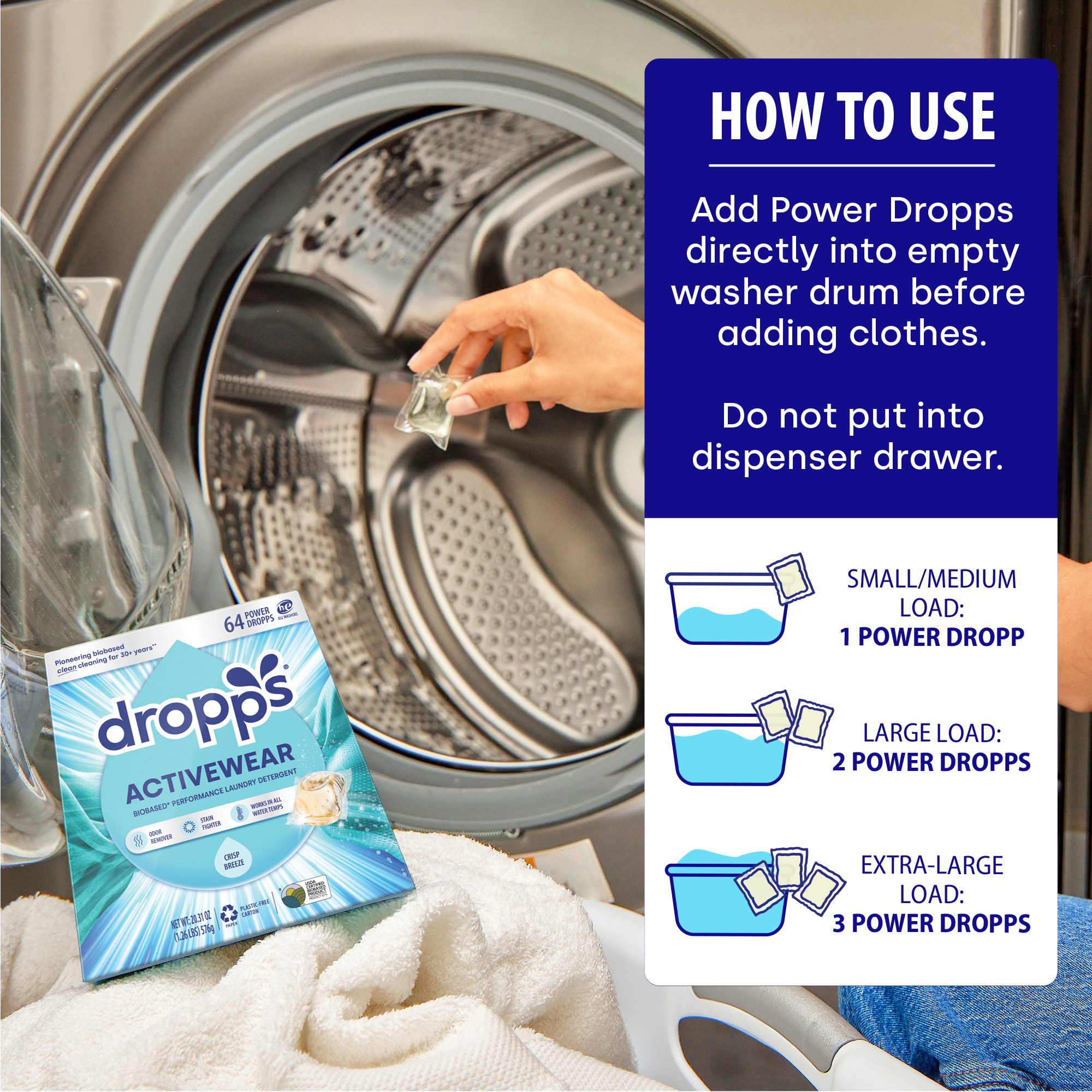
Strong detergents and fabric softeners can block the moisture-wicking abilities of activewear. They leave behind a coating that traps odors and sweat. Special sports detergents are available, but regular mild liquid detergent usually works if used in small amounts.
Credit: www.dropps.com
Step-by-step: How To Wash Activewear In The Washing Machine
Washing activewear is not difficult, but it does need a careful routine. Here is a practical approach:
1. Sort Your Laundry
Keep activewear separate from heavy items like jeans, towels, or jackets. This prevents unnecessary friction and damage.
2. Turn Clothes Inside Out
This helps protect the outer surface and keeps the technical features working well.
3. Pre-treat Stains And Odors
Apply a small amount of mild detergent to areas with sweat stains or odor. Let it sit for 10-15 minutes before washing.
4. Use A Mesh Laundry Bag
Place delicate items like sports bras or leggings in a mesh bag. This gives extra protection during the wash.
5. Choose The Right Detergent
Use a small amount of mild, liquid detergent. Avoid powder detergents, bleach, and fabric softeners.
6. Select The Right Wash Cycle
Use the delicate or gentle cycle. These settings use less agitation and lower spin speeds.
7. Set The Correct Water Temperature
Always choose cold or lukewarm water. Never use hot water for activewear.
8. Avoid Overloading The Machine
Give your clothes enough space to move. Overloading can cause poor cleaning and more damage.
9. Skip The Fabric Softener
Fabric softener can block the pores in technical fabrics, making them less breathable and trapping odors.
10. Air Dry Whenever Possible
Avoid the dryer. Hang or lay your activewear flat to dry. Heat from the dryer can ruin elastic fibers.
Common Mistakes When Washing Activewear
Even experienced people can make mistakes that shorten the life of their activewear. Here are some errors to watch out for:
- Using too much detergent: More detergent does not mean cleaner clothes. It can leave residue and cause odor buildup.
- Using bleach or harsh chemicals: These break down technical fibers quickly.
- Washing with rough fabrics: Items like denim or towels create extra friction and can damage delicate sportswear.
- Skipping pre-treatment: Sweat and oil can stay trapped if you do not pre-treat armpits or collars.
- Machine drying: High heat destroys elasticity and can shrink activewear.

Credit: www.youtube.com
Detailed Comparison: Activewear Vs. Regular Clothing Care
It helps to see how washing activewear is different from washing everyday clothes. Here’s a side-by-side look:
| Care Aspect | Activewear | Regular Clothing |
|---|---|---|
| Water Temperature | Cold/Lukewarm | Warm/Hot (for cotton) |
| Detergent Type | Mild, liquid, sports detergent | Regular detergent |
| Fabric Softener | Never | Sometimes |
| Drying Method | Air dry | Machine dry possible |
| Wash Cycle | Gentle/Delicate | Normal |
The Science Behind Activewear Fabrics
Activewear fabrics are not just about comfort. They use special technology to solve real problems:
- Moisture-wicking: Pulls sweat away from skin to the surface of the fabric, where it evaporates.
- Stretch and compression: Spandex or lycra fibers allow the fabric to move with your body.
- Odor resistance: Some fabrics include antimicrobial treatments to reduce bacteria growth.
If you wash these clothes incorrectly, the technology can stop working. For example, using too much detergent can fill the tiny pores in the fabric, making it less effective at moving sweat.
How To Remove Odors From Activewear
Odor is a common problem with activewear. Sweat, bacteria, and skin oils build up in the fabric. Standard washing sometimes does not remove these smells. Here’s how to tackle odor:
1. Rinse Immediately
After a workout, rinse your activewear with cold water. This stops sweat from setting in.
2. Vinegar Soak
For tough odors, soak clothes in a mix of one part white vinegar to four parts water for 30 minutes before washing.
3. Use Special Detergent
Some detergents are designed for sportswear and target odor and bacteria.
4. Avoid The Dryer
Heat can make odors harder to remove. Always air dry.
5. Wash Quickly
Do not let dirty activewear sit for days. Wash soon after use.
How Often Should You Wash Activewear?
How often you wash activewear depends on use and sweat level. Here are simple guidelines:
- After every workout: If you sweat a lot or wear tight-fitting clothes.
- Every 2-3 wears: For outer layers or light use with little sweat.
- Immediately: If there is any odor.
Some people try to wear activewear more than once between washes, but this can allow bacteria to build up and damage the fabric over time.
Tips For Extending The Life Of Activewear
Activewear can be expensive. Proper care keeps it looking and working like new for longer. Here are practical tips:
1. Rotate Your Clothing
Have at least 2-3 sets. This reduces wear and gives time for fibers to recover.
2. Store Properly
Keep activewear folded or hung in a dry place. Do not cram it into small spaces.
3. Wash Inside Out
This protects prints, logos, and the technical surface.
4. Hand Wash When Possible
For delicate items, hand washing is even gentler than any machine cycle.
5. Read The Care Label
Each brand may have special instructions for their fabrics.
6. Avoid Ironing
Most activewear does not need ironing. Heat can melt synthetic fibers.
Eco-friendly Washing For Activewear
Caring for activewear also means thinking about the environment. Synthetic fibers can release microplastics into the water when washed. Here’s how to reduce your impact:
- Use a microplastic filter bag: These bags, like the Guppyfriend, catch small fibers before they go down the drain.
- Wash full loads: Fewer, larger loads save water and energy.
- Choose cold water cycles: They use less energy.
- Skip the dryer: Air drying saves electricity and is gentler on clothes.
How To Spot Damage In Activewear
It’s important to know when your activewear is wearing out. Some signs include:
- Loss of stretch: Clothing feels baggy or loose.
- Pilling: Small balls of fabric appear, especially in high-friction areas.
- Fading color: The fabric looks dull.
- Persistent odor: Even after washing, smells remain.
- Tears or thinning: Visible holes or thin spots in the fabric.
If you see these signs, it may be time to replace the item or use it for lighter activities.
Activewear In Different Types Of Washing Machines
Not all washing machines are the same. The type you use can affect your results with activewear.
| Washing Machine Type | Activewear Suitability | Special Tips |
|---|---|---|
| Front-loading | Best | Gentle, less friction, efficient with water |
| Top-loading (no agitator) | Good | Gentler than agitator models, use gentle cycle |
| Top-loading (with agitator) | Acceptable | Use mesh bags and delicate cycle to reduce friction |
| Hand wash | Best for delicate items | Use mild detergent, cold water, gentle squeeze |
Special Products For Washing Activewear
There are products designed to make caring for activewear easier and more effective:
- Sports detergents: These target sweat, bacteria, and oil without harming the fabric.
- Odor removers: Sprays or soaks with enzymes to break down tough smells.
- Mesh laundry bags: Protect delicate pieces from rough washing.
- Stain removers: Formulas safe for synthetic fabrics.
Always check if these products are safe for your specific activewear. Some brands recommend only certain detergents or treatments.
Myths About Washing Activewear
There are many myths about how to clean activewear. Let’s clear up some common ones:
- Myth: More detergent means cleaner clothes.
Reality: Too much detergent can make odor worse and damage fabric.
- Myth: Hot water removes sweat better.
Reality: Hot water breaks down elastic fibers and does not clean better than cold for activewear.
- Myth: Fabric softener makes activewear softer.
Reality: It can block moisture-wicking and make clothes hold onto odor.
- Myth: You must always hand wash.
Reality: Most activewear is safe in the gentle cycle of a washing machine.

Credit: spandexbyyard.com
The Cost Of Not Caring For Activewear Properly
Improper washing can shorten the lifespan of activewear by half or more. Replacing leggings, sports bras, and technical shirts often can get expensive. It also leads to more waste, which is bad for the environment. Taking a few extra steps can save you money and keep your clothes out of the landfill longer.
Real-world Example: Activewear Care Mistake
Consider this: Maria, a regular gym-goer, always washed her activewear with her towels on the hottest setting. After a few months, she noticed her leggings lost their shape, and her sports bras smelled even after washing. She switched to cold water, gentle detergent, and air drying. The difference was clear—her new clothes lasted longer and smelled fresh.
Non-obvious Insights For Beginners
- Activewear can get damaged in the dryer even on “low” settings. The safest option is always air drying, flat or on a hanger.
- Even “gentle” cycle can be rough for old or thin activewear. For well-worn items, consider hand washing to extend their life.
- Don’t skip turning clothes inside out. Many people think this is only for jeans, but it truly protects technical fabrics and bright prints on activewear.
When To Seek Professional Cleaning
If you have expensive or specialty activewear (like compression wear with built-in sensors or reflective coatings), consider professional cleaning services that know how to handle technical sports fabrics.
Recycling And Repurposing Old Activewear
When your activewear finally wears out, do not throw it in the trash. Many brands have recycling programs for synthetic fabrics. Old leggings can become cleaning rags or be used for craft projects. This reduces waste and gives new life to old clothing.
A Look At Microfiber Pollution From Washing Activewear
Every wash releases tiny plastic fibers called microfibers into water systems. These can harm marine life and enter the food chain. Using a filter bag or a washing machine filter can reduce this. Washing less often and with full loads also helps.
For more on microfiber pollution, see this National Geographic article.
Frequently Asked Questions
What Is The Best Detergent For Activewear?
A mild, liquid detergent without added softeners or bleach works best. Special sports detergents are available and are designed to remove sweat and odor without damaging technical fabrics.
Can I Put Activewear In The Dryer?
It’s best to avoid the dryer. Even low heat can damage elastic fibers and cause shrinkage. Air drying is safer and helps clothes last longer.
Why Does My Activewear Still Smell After Washing?
Odor can get trapped in technical fabrics if sweat, bacteria, or detergent residue builds up. Pre-treating with vinegar, using less detergent, and skipping fabric softener can help remove smells.
Should I Wash Activewear Separately From Other Clothes?
Yes, it’s better to wash activewear separately, especially from rough items like jeans or towels. This prevents damage from friction and keeps technical fabrics working well.
How Can I Prevent Pilling On My Activewear?
Wash on a gentle cycle, turn clothes inside out, and use a mesh laundry bag. Avoid washing with rough fabrics, and always air dry.
Activewear is an investment in your health and comfort. By understanding how your washing machine affects these special fabrics, you can keep them performing their best for a long time. Take care of your activewear, and it will take care of you during every workout and beyond.
