

What Gym Clothes to Buy for Maximum Comfort and Performance
What Gym Clothes To Buy
The right gym clothes can make a huge difference in how you feel, move, and perform during your workout. Many people think any t-shirt and shorts are enough for the gym, but smart choices in gym wear can boost your confidence, prevent injuries, and help you stay comfortable.
If you want to start working out or upgrade your gear, knowing what gym clothes to buy is essential. This guide walks you through every piece of clothing you might need, what to look for, and how to avoid common mistakes.
Why Gym Clothes Matter
You may wonder why you should spend time or money picking gym clothes. The answer is simple: gym wear is designed for movement, sweat, and support. Ordinary clothes can restrict your body, cause skin irritation, or even put you at risk of minor injuries. For example, cotton shirts hold sweat and get heavy, while moisture-wicking fabrics keep you dry and light.
Wearing the right clothes can also give you a mental boost. When you look prepared, you feel ready to train. There’s also a practical side: gym clothes are easier to wash, dry, and maintain compared to regular outfits. Plus, quality gear often lasts longer, saving you money over time.
Essential Gym Clothes For Everyone
No matter your gender or training style, there are a few must-have items for anyone starting out at the gym.
1. Workout T-shirts Or Tops
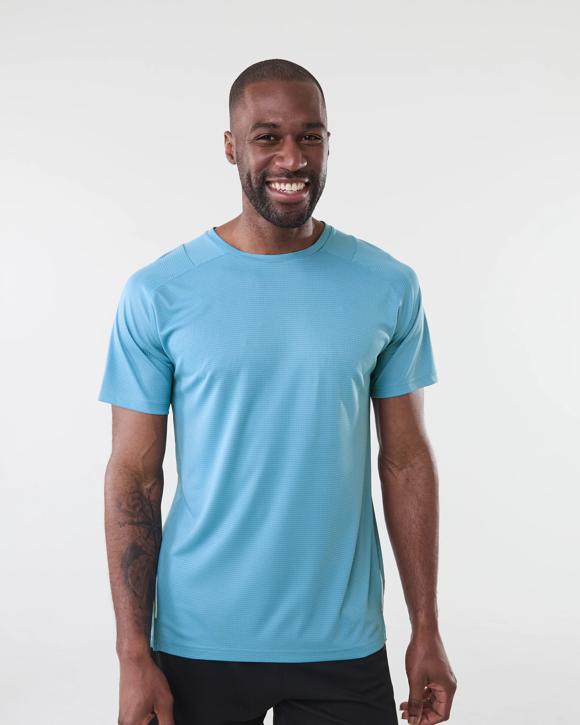
A proper workout t-shirt is the foundation of your gym outfit. Look for breathable, moisture-wicking materials like polyester or blended fabrics. These pull sweat away from your body, so you stay comfortable.
Avoid 100% cotton for heavy workouts, as it absorbs sweat and gets sticky. Many brands offer mesh panels or ventilation zones for extra airflow. If you train outdoors, some tops have UV protection.
For women, a fitted or semi-fitted top works best, while men often prefer a regular or athletic fit. Choose what feels best on your body.
2. Training Shorts Or Leggings
The next layer is your training shorts or leggings. Shorts are great for most men and women, especially in hot weather or for high-intensity workouts. Look for elastic waistbands that don’t dig in, and pockets for small items like keys or cards.
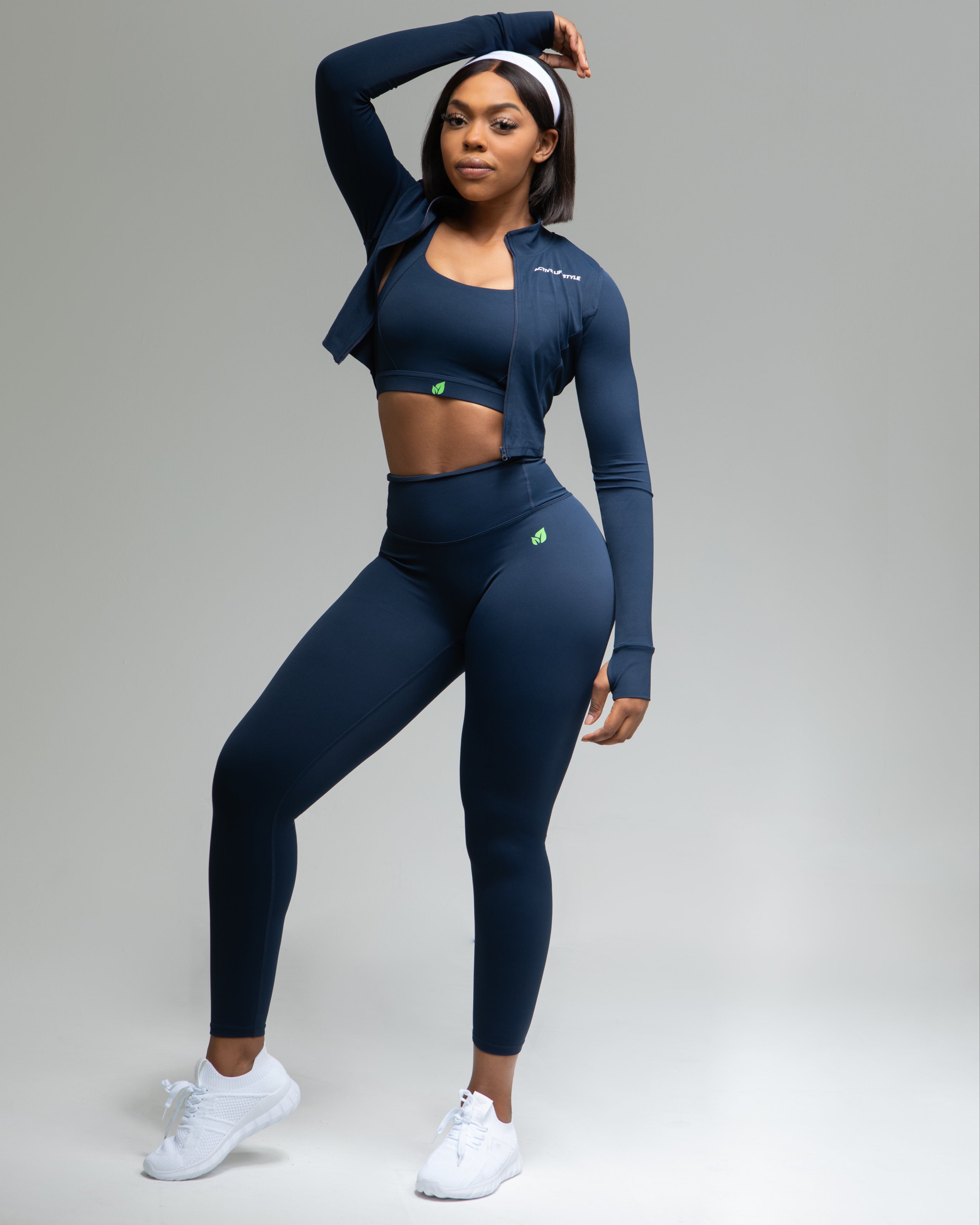
Leggings are a favorite among women but are also becoming popular with men. Compression leggings support muscles and can reduce fatigue. Make sure leggings are squat-proof (not see-through when stretched), especially for activities like squats or yoga.
3. Sports Bra (women)
For women, a sports bra is one of the most important gym clothes to buy. The right bra reduces movement, prevents discomfort, and protects breast tissue over time.
Choose your sports bra based on activity:
- Low impact: Yoga or stretching
- Medium impact: Weight training or cycling
- High impact: Running, HIIT, or aerobics
Look for wide straps, adjustable bands, and moisture-wicking fabric. Try a few different types to see what fits you best—never settle for a bra that pinches or chafes.
4. Athletic Socks
Athletic socks are often overlooked, but they play a big role in your comfort. Good socks reduce blisters, wick away sweat, and support your arch and heel.
Choose socks made of synthetic blends or merino wool, not plain cotton. No-show, ankle, or crew socks are all popular—pick what feels right in your shoes. If you have sweaty feet, consider socks with antimicrobial treatments.
5. Training Shoes
Your shoes are the most important gym item after clothes. The right training shoes depend on your activity:
- Running shoes: For treadmill or outdoor running
- Cross-trainers: For weight lifting, HIIT, or mixed workouts
- Flat-soled shoes: For powerlifting or squats
Try shoes on in the afternoon (feet swell during the day) and check for enough toe space. Replace shoes every 500-800 kilometers or when you notice loss of support.
6. Sweat-wicking Underwear
This is a detail many beginners miss. Sweat-wicking underwear keeps you dry and comfortable, especially during long sessions. Synthetic fabrics like polyester or nylon blends work well. Avoid thick seams or tags that can rub or cause irritation.
7. Lightweight Hoodie Or Zip-up Jacket
A hoodie or jacket is useful for warming up, cooling down, or moving to and from the gym. Choose a lightweight, breathable material for layering. Some jackets have thumbholes, zip pockets, or reflective strips for outdoor use.
Optional (but Useful) Gym Clothes
Once you have the basics, you may want to add more specialized items to your gym wardrobe.
1. Compression Gear
Compression sleeves, shorts, or tops support muscles and can reduce soreness. They also help with blood flow and recovery. Some people love the snug feeling, while others find it too tight. Try one piece before buying a full set.
2. Tank Tops Or Muscle Shirts
Tank tops allow more movement and ventilation, especially for upper body training. They’re popular in hot gyms or during summer. Choose one with wide straps and a fit that isn’t too loose—baggy tanks can catch on equipment.
3. Long-sleeve Base Layers
Long-sleeve base layers are great for cold gyms or outdoor workouts. They keep you warm but are thin enough to fit under other clothes. Look for thumbholes and flat seams for comfort.
4. Training Gloves
Weightlifting gloves protect your hands from calluses and improve grip. Some gloves have wrist wraps for extra support. Not everyone likes gloves, but they’re a good option if you do a lot of barbell or kettlebell work.
5. Headbands Or Sweatbands
If you sweat a lot, a headband or sweatband can keep sweat out of your eyes. Some people use wristbands to wipe sweat away. Look for soft, stretchy, and washable materials.
6. Hat Or Cap
A cap is useful for outdoor workouts or running. It shields your eyes from the sun and helps manage sweat. Choose one with ventilation or a moisture-wicking band.
7. Sports Hijab
For those who cover their hair, sports hijabs are now widely available. These are made from quick-dry, breathable materials and are designed to stay in place during intense movement.
Comparing Different Gym Clothes Materials
The material of your gym clothes affects comfort, durability, and performance. Here’s a quick comparison of popular fabrics:
| Material | Main Benefit | Downside | Best For |
|---|---|---|---|
| Polyester | Dries fast, lightweight | Can hold odors | Most workouts |
| Spandex (Lycra) | Stretchy, flexible | Less durable alone | Leggings, fitted tops |
| Merino Wool | Regulates temperature, resists odor | More expensive | Outdoor/cold weather |
| Nylon | Strong, smooth feel | Can pill over time | Shorts, jackets |
| Cotton Blends | Soft, breathable | Absorbs sweat | Low-sweat activities |
Non-obvious insight: If you want odor control but like the feel of synthetic fabrics, look for clothes with antimicrobial treatments. These help prevent bacteria growth and keep your gear smelling fresh.
Credit: everestkitchennc.com
How To Choose The Right Fit
Fit is personal, but there are some rules to follow:
- Not too tight: Your clothes shouldn’t restrict movement or dig into your skin.
- Not too loose: Baggy gear can get caught on machines and may cause accidents.
- Test movements: Try squatting, stretching, or lifting your arms when trying new clothes.
- Check seams: Flat seams or seamless designs reduce chafing.
For leggings or shorts, do a “squat test” in the fitting room to make sure nothing shows through. For tops, check that the shoulder seams sit correctly and that sleeves don’t cut off circulation.
Seasonal Gym Clothes
The weather outside or in your gym can change what you need to wear.
Hot Weather
- Lightweight, sleeveless, or short-sleeve tops
- Shorts or capri leggings
- Breathable socks and shoes with mesh uppers
- Sweatbands or light caps for sun protection
Cold Weather
- Layering with base layers, long sleeves, and jackets
- Full-length leggings or joggers
- Wool or thermal socks
- Gloves and hats for outdoor running
Rain Or Humidity
- Water-resistant jackets with vents
- Synthetic materials that dry quickly
- Avoid cotton, as it stays wet and heavy
What To Avoid When Buying Gym Clothes
Many beginners make these common mistakes:
- Choosing the wrong material: Cotton soaks sweat and leads to discomfort.
- Ignoring size guides: Sizes vary by brand—always check the size chart.
- Overpaying for brands: Expensive doesn’t always mean better. Focus on features.
- Forgetting about washing: Gym gear needs regular washing. Avoid clothes that require special care.
- Neglecting support: Skipping a proper sports bra or supportive shoes can lead to pain.
- Buying only one set: You need at least two or three sets to avoid washing every day.
Non-obvious insight: Some brands offer recycled materials or sustainable gym clothes. These can be just as durable and comfortable as regular options, and they’re better for the environment.
Gym Clothes For Different Workouts
What you wear can change based on your activity. Here’s a quick guide:
| Workout Type | Recommended Top | Recommended Bottom | Shoe Type |
|---|---|---|---|
| Weightlifting | Fitted t-shirt or tank | Shorts/leggings | Flat-soled or cross-trainers |
| Running | Moisture-wicking t-shirt | Shorts/leggings | Running shoes |
| Yoga/Pilates | Stretchy tank or crop top | High-rise leggings | Barefoot or grip socks |
| HIIT/Cardio | Breathable top | Shorts/leggings | Cross-trainers |
| Outdoor/Trail | Layered tops | Weather-appropriate bottoms | Trail running shoes |
How Many Gym Outfits Do You Need?
A common question is how many sets of gym clothes you should buy. The answer depends on your workout frequency and laundry routine.
- 1-2 workouts per week: 2-3 tops and bottoms
- 3-4 workouts per week: 4-5 tops and bottoms
- Daily workouts: 7 tops and bottoms, or plan to do laundry midweek
For socks and underwear, have at least one pair per workout, plus a couple extra in case of double sessions or travel.
Caring For Your Gym Clothes
To make your gym wear last, follow these tips:
- Wash after every use: Sweat and bacteria can damage fabric.
- Turn inside out: This helps remove sweat and odor from the inner layer.
- Avoid fabric softener: It can block moisture-wicking fibers.
- Air dry: Heat from dryers can break down elastic over time.
- Separate colors: Bright gym clothes can bleed dye, so wash similar colors together.
If your clothes start to smell even after washing, soak them in water with a little vinegar before washing again.
Popular Gym Clothes Brands
You don’t need to buy from big brands, but some names are trusted for quality and innovation. Look for local or affordable options, but here are a few globally recognized brands:
- Nike
- Adidas
- Under Armour
- Gymshark
- Lululemon
- Reebok
Many brands now offer “eco” lines made from recycled materials. Always read reviews before buying, as sizing and fit can vary.
Buying Gym Clothes Online Vs In-store
Buying online gives you more choice, but buying in-store lets you check fit and feel. Here’s a quick comparison:
| Buying Online | Buying In-Store |
|---|---|
| More variety Easy price comparison Convenient delivery |
Try before buying Immediate exchange Check material/fit |
| Risk of wrong size Return process can be slow |
Limited stock May cost more |
Tip: If buying online, check the store’s return policy and read customer reviews about sizing. Some brands offer free returns, making it easier to find the right fit.
Gym Clothes For Plus Size And Special Needs
Fitness is for everyone. Many brands now offer plus size gym wear up to 3XL or more, with designs for comfort and support. Look for wide waistbands, reinforced seams, and stretchy materials.
If you have special needs (mobility issues, sensory sensitivity, or require adaptive clothing), some companies make gym wear with magnetic closures, tagless labels, or extra-soft seams. Don’t settle for uncomfortable gear—there are options for every body type and ability.
Sustainable And Eco-friendly Gym Clothes
More people are choosing eco-friendly gym wear. These are made from recycled plastics, organic cotton, or bamboo. They use less water and chemicals in production. Look for certifications like “Global Recycled Standard” or “Oeko-Tex” when shopping.
Sustainable gym clothes can cost a bit more, but they’re better for the planet. Some brands also offer trade-in or recycling programs for old gear. For more, see this Green Matters guide.
Credit: awayishome.com
Accessories That Complete Your Gym Outfit
The right accessories can make your workout easier:
- Gym bag: For carrying shoes, clothes, towel, and water bottle.
- Towel: A small microfiber towel is light and dries fast.
- Water bottle: Reusable, leak-proof, and easy to wash.
- Phone armband: For music or tracking your workout hands-free.
Choose Accessories That Match Your Needs—don’t Overpack!
Frequently Asked Questions
What Is The Best Fabric For Gym Clothes?
The best fabric is usually polyester or a polyester blend because it’s light, quick-drying, and durable. Spandex adds stretch, while merino wool is great for odor control and regulating temperature.
How Tight Should Gym Clothes Be?
Gym clothes should be snug but not restrictive. You should be able to move freely without seams digging in. For compression wear, a close fit is normal, but you shouldn’t feel pain or numbness.
How Often Should I Replace Gym Clothes?
Replace gym clothes when they lose shape, become see-through, or start to smell after washing. For shoes, change them after about 500-800 kilometers, or if the soles are worn out.
Can I Wear The Same Gym Clothes For Different Workouts?
Yes, but it’s best to match your clothes to your activity. For example, wear compression leggings for running, and choose looser shorts for weightlifting. Shoes are especially important—running shoes are not ideal for heavy lifting.
Is It Worth Buying Expensive Gym Clothes?
Not always. Some higher-priced items offer better fit or durability, but you can find good gym clothes at any budget. Focus on comfort, material, and support, not just brand name.
The right gym clothes make every workout more enjoyable and effective. Choose wisely, care for your gear, and you’ll see the difference in how you feel and perform. A well-chosen gym wardrobe is an investment in your health and confidence.

Credit: allurelakestorey.com
