

What Does Tank Tops Look Like: Styles, Fits, and Trends
What Does Tank Tops Look Like
Tank tops are everywhere, from the gym to the beach, and even layered under business shirts. Their simple, sleeveless design has made them a favorite for decades. But what do tank tops really look like? Many people, especially non-native English speakers or fashion beginners, wonder about their exact shape, features, and how they differ from other sleeveless shirts.
This article will give you a clear picture of tank tops, their types, how they fit, and how people around the world wear them. Along the way, you will discover details and tips most people miss, making you feel much more confident about this popular piece of clothing.
Basic Features Of Tank Tops
The simplest way to describe a tank top is that it is a sleeveless shirt. But there is more to the story. Tank tops have a few key features that set them apart from other tops.
- No sleeves: The most noticeable feature. The armholes are large and open.
- Straps over the shoulders: Instead of sleeves, tank tops use straps that go over each shoulder. These straps can be thin or wide.
- Usually collarless: Most tank tops do not have collars or buttons. The neckline can be round, scoop, or V-shaped.
- Waist-length: Tank tops usually end at the waist or just below it.
- Simple construction: They are made from one or two pieces of fabric stitched together at the sides.
Tank tops are often made from cotton, polyester, or blends. Some are stretchy, while others have a relaxed fit. Many people use the term "singlet" for a similar style, especially in countries like Australia, but the basic look is almost the same.
Different Types Of Tank Tops
Tank tops are not all the same. Over time, fashion and function have created many styles. Here are the most common types you might see:
1. Classic Tank Top
The classic tank top is the most widely recognized style. It has medium-width shoulder straps, a round neckline, and large armholes. The fit is usually snug but not tight. This style is popular for both men and women.
2. Racerback Tank Top
A racerback tank top is designed so that the back of the shirt forms a “Y” or “T” shape between the shoulder blades. This leaves the shoulder blades exposed and allows for free movement. Racerbacks are common in sportswear and gym clothes.
3. Muscle Tank
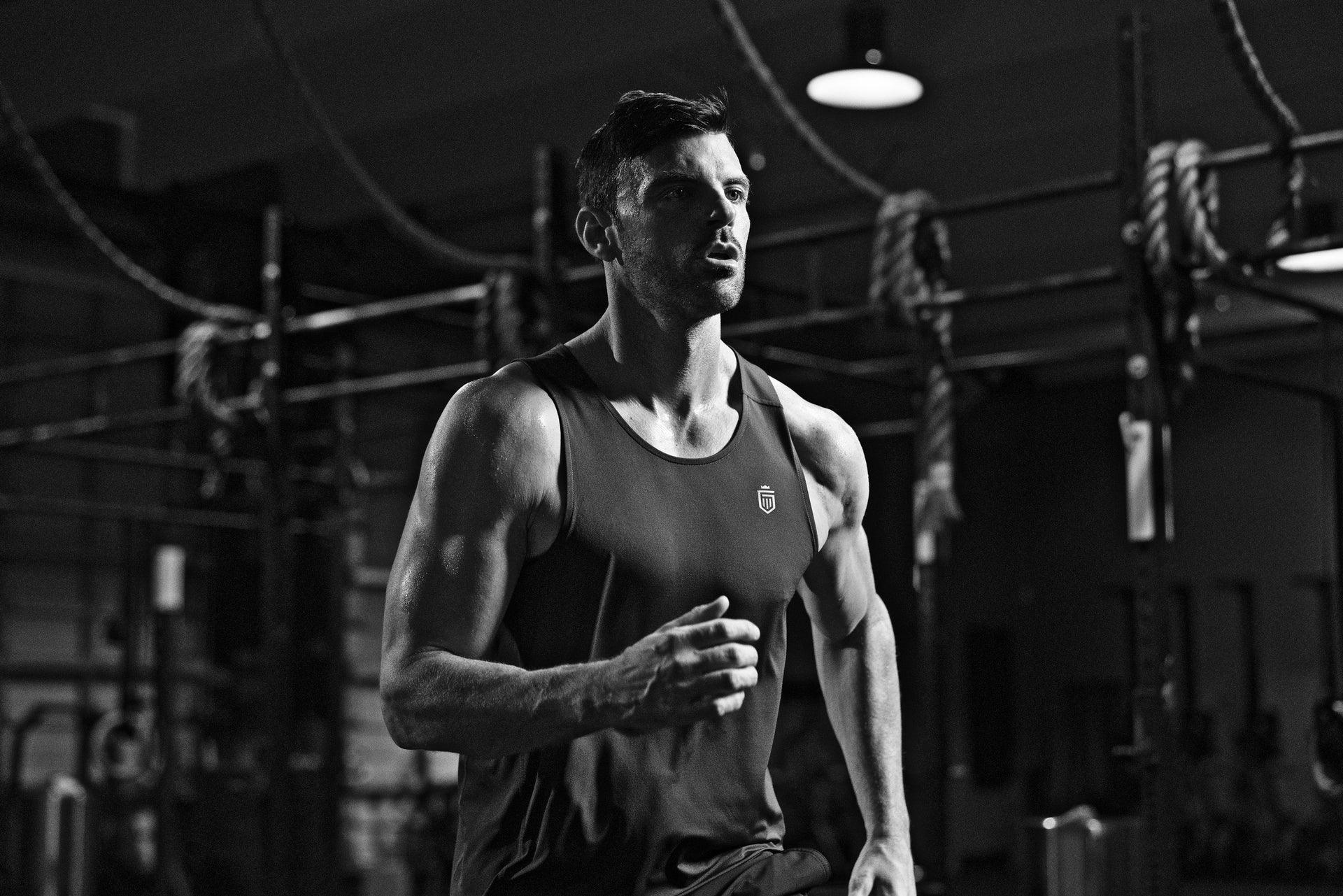
Muscle tanks are often worn for athletic activities. They have a boxier shape and larger armholes, sometimes cut very low on the side to show off the torso. The straps are wide, and the neckline is usually high.
4. Spaghetti Strap Tank Top
Spaghetti strap tank tops have very thin shoulder straps, much like pieces of spaghetti. The neckline can be straight, scoop, or V-shaped. This style is often worn by women, especially in the summer or as an underlayer.
5. Camisole
A camisole, or “cami,” is a delicate tank top with thin straps. It often uses soft, silky materials and may include lace. Camisoles are usually worn as undergarments but can be outerwear in warm weather.
6. Crop Tank Top
Crop tank tops are shorter than normal tank tops. They end above the waist, showing the midriff. This style is popular in casual and sporty outfits.
7. Built-in Bra Tank Top
Some tank tops come with a built-in bra for support. This type combines a tank top and a light bra, making it comfortable for light exercise or daily wear without extra layers.
8. High Neck Tank Top
A high neck tank top covers more of the chest and collarbone, with the neckline sitting higher than usual. This style is popular in fashion-forward looks and can appear more formal.
9. Athletic Or Performance Tank
These tank tops are made for sports. They use technical fabrics that wick sweat away from the body. The fit is often tighter and designed to move with the body.
10. Fashion Tank Top
Fashion tank tops use unique cuts, prints, or decorations. Some have asymmetrical straps, cutouts, or bold patterns. These are designed to stand out.
Each type serves a different purpose, but they all share the basic tank top look: sleeveless, with shoulder straps, and a simple shape.
How Tank Tops Fit
Tank tops can fit the body in different ways. The right fit depends on your personal style, body type, and how you plan to wear the tank top.
- Fitted: Hugs the body closely. Great for layering or athletic use.
- Relaxed: Looser and more comfortable. Good for casual wear or hot weather.
- Oversized: Much larger than your body size. Often worn as a statement piece or for extra comfort.
Choosing the best fit is about comfort and confidence. People often make the mistake of buying a tank top that is too tight, thinking it will look better. In reality, a slightly loose fit is often more flattering and comfortable, especially for everyday wear.
Tank Top Neckline And Strap Styles
The neckline and straps give tank tops their unique character. Understanding these small details helps you pick the right style for your needs.
Common Neckline Shapes
- Scoop neck: Rounded and dips lower on the chest.
- Crew neck: High and round, similar to a T-shirt.
- V-neck: Forms a “V” at the front, showing more collarbone.
- Straight neck: Runs straight across the chest.
Strap Styles
- Wide straps: Offer more coverage and support.
- Thin straps: More delicate, often used in women’s tank tops.
- Cross-back straps: Straps cross at the back for extra support or style.
- Asymmetrical straps: Only one strap or straps with different widths for a unique look.
The details of the neckline and straps can completely change the look and feel of a tank top. For example, a high-neck, wide-strap tank can appear sporty or modest, while a spaghetti-strap V-neck is more delicate and feminine.
Materials Used In Tank Tops
The choice of material changes how a tank top looks, feels, and performs. Here are some common fabrics:
- Cotton: Soft, breathable, and comfortable. Good for daily wear.
- Polyester: Durable and dries quickly. Often used in sportswear.
- Spandex (Elastane): Adds stretch for a snug fit.
- Rayon: Lightweight and smooth, with a slight sheen.
- Nylon: Strong and moisture-wicking. Used in performance tanks.
- Blends: Many tank tops mix these materials for better comfort, stretch, or durability.
Most athletic tank tops use blends for sweat control and stretch, while fashion tanks may use materials like rayon or silk for a more elegant look.
How Tank Tops Differ From Other Sleeveless Shirts
It is easy to confuse tank tops with other sleeveless shirts, but there are important differences.
Tank Top Vs. Sleeveless T-shirt
A sleeveless T-shirt looks like a normal T-shirt with the sleeves cut off. The armholes are usually smaller than those on a tank top, and the neckline is higher. Tank tops, in contrast, have larger armholes and more varied necklines.
Tank Top Vs. Singlet
In some countries, “singlet” means the same as “tank top. ” However, in sports like wrestling, a singlet is a tight, one-piece garment that covers the torso and part of the legs. Tank tops are separate tops, not connected to shorts.
Tank Top Vs. Camisole
A camisole is a type of tank top, but it is usually made from lighter, more delicate fabric. Camisoles often have lace or decorative elements and are used as undergarments.
Tank Top Vs. Halter Top
A halter top has straps that tie behind the neck instead of going over the shoulders. This creates a bare back, which is different from the standard tank top style.
Here is a comparison to help you see the differences more clearly:
| Feature | Tank Top | Sleeveless T-Shirt | Halter Top | Camisole |
|---|---|---|---|---|
| Sleeves | No | No | No | No |
| Straps | Shoulder straps | Shoulder fabric (wider) | Neck tie | Thin straps |
| Typical Material | Cotton, polyester | Cotton, jersey | Varied | Silk, cotton, blends |
| Main Use | Casual, sports | Casual | Fashion | Undergarment, fashion |
| Neckline | Varied | Crew | Open | Varied |
Popular Uses For Tank Tops
People wear tank tops for many reasons. Here are some of the most common:
- Exercise and sports: The open design keeps you cool during physical activity.
- Layering: Tank tops work well under shirts, jackets, or sweaters, adding warmth or coverage.
- Sleepwear: Many people choose soft tank tops as pajamas.
- Fashion statement: Unique colors, prints, or cuts can make tank tops a style highlight.
- Beachwear: They are perfect for hot weather or as a cover-up at the pool.
- Undershirt: Some wear tank tops under business shirts for sweat control or modesty.
Non-obvious insight: Tank tops are often used as uniforms in sports or even by workers in hot environments. Their simple design makes them easy to customize with logos or names.
Common Colors And Patterns
Tank tops come in almost every color you can imagine. The most common are:
- White: Classic, easy to match.
- Black: Versatile and slim-looking.
- Gray: Neutral and subtle.
- Navy blue, red, green: Popular for sports or team wear.
But tank tops are not limited to plain colors. You will also find:
- Stripes
- Tie-dye
- Graphic prints
- Logos
- Camouflage
Some tank tops use color-blocking, where two or more solid colors are combined in geometric patterns. Others might have small details like lace, mesh, or metallic studs.
Tank Tops For Different Body Types
Tank tops can work for everyone, but choosing the right shape and fit makes a big difference.
- Broad shoulders: Go for wider straps and a balanced neckline.
- Petite body: Try thin straps and fitted styles to avoid overwhelming your frame.
- Curvy figures: Look for tanks with stretch and a gentle shape at the waist.
- Athletic bodies: Muscle tanks or racerbacks show off the arms and shoulders.
A mistake many people make is picking a tank top that is too tight or too loose for their body type. It's best to try different styles and see what makes you feel most comfortable.
How Tank Tops Are Sized
Sizing for tank tops can be confusing, especially between men’s and women’s designs or different brands. Here’s what you should know:
- Men’s tank tops are usually sized by chest measurement (S, M, L, XL).
- Women’s tank tops can be sized by bust measurement, dress size, or general sizing (XS, S, M, L).
Some brands offer unisex sizing, but fit may vary. Always check the size chart before buying.
Here’s a quick look at general sizing differences:
| Size | Men's Chest (inches) | Women's Bust (inches) |
|---|---|---|
| XS | 32-34 | 30-32 |
| S | 35-37 | 33-35 |
| M | 38-40 | 36-38 |
| L | 41-43 | 39-41 |
| XL | 44-46 | 42-44 |
Tip: Tank tops made from stretchy material can sometimes fit a wider range of body sizes.
Credit: www.businessinsider.com
Layering And Styling Tank Tops
One reason tank tops are so popular is because they are easy to layer and style. Here are some ideas:
- Under a jacket or blazer: Adds comfort and a casual touch.
- With a button-up shirt (open or closed): For a relaxed, stylish look.
- With shorts or skirts: Perfect for summer or vacations.
- Under sheer tops: Provides coverage without bulk.
- With jeans and sneakers: A simple, classic look.
- With accessories: Necklaces, scarves, or hats can make a tank top outfit stand out.
Non-obvious insight: Many people forget that tank tops can be dressed up or down. For example, pairing a high-quality, fitted tank with tailored trousers and a blazer can look polished enough for semi-formal settings.
Tank Tops In Different Cultures
The popularity and meaning of tank tops can change depending on where you live.
- In Western countries: Tank tops are casual and sporty, often worn in summer.
- In parts of Asia: Tank tops are sometimes seen as undergarments rather than outerwear.
- In some countries: Wearing tank tops in public may be considered immodest, especially for women.
For example, in India, the men's tank top is called a “banian” and is usually worn under shirts. In Italy, a similar style is called a “canottiera. ” If you are traveling, it is good to check local customs about sleeveless clothing.
Credit: greatnesswins.com
History And Evolution Of Tank Tops
Tank tops have a long history. The name “tank top” comes from “tank suit,” which was an old term for a one-piece swimsuit. Early tank suits were sleeveless, and the design inspired the modern tank top.
At first, tank tops were only underwear or sportswear. Over time, they became everyday fashion for both men and women. The style became especially popular with bodybuilders, athletes, and eventually with the general public.
Today, tank tops are a symbol of comfort, freedom, and casual style. They have also become a canvas for personal expression, with prints, graphics, and even custom designs.
Caring For Tank Tops
Taking care of tank tops is usually easy. Here are some general tips:
- Check the label: Some materials need gentle washing.
- Use cold water: Helps keep colors bright and fabric strong.
- Avoid bleach: It can damage many fabrics.
- Air dry: Hanging your tank top to dry keeps it in good shape.
- Iron on low heat: If needed, use a low setting to avoid burning delicate fabrics.
A common mistake is to wash all tank tops the same way. Delicate materials like silk or rayon need extra care, while cotton and polyester are more durable.
Tank Tops In Sports And Fitness
Tank tops are a favorite for many athletes and fitness fans. Here’s why:
- Freedom of movement: No sleeves mean arms can move freely.
- Breathability: Large armholes and light fabrics keep you cool.
- Easy to layer: You can wear tank tops under or over other workout gear.
- Moisture control: Performance fabrics help pull sweat away from the body.
You will often see tank tops in basketball, running, weightlifting, and yoga. Some sports require specific styles, like the “singlet” in wrestling or “jersey tanks” in basketball.
Tank Tops In Fashion Trends
Tank tops are always changing with fashion trends. Here are some ways they show up in style:
- Retro styles: Vintage tank tops with stripes or bold logos.
- Minimalist looks: Plain, neutral colors in high-quality fabrics.
- Streetwear: Oversized tanks with bold graphics.
- Luxury fashion: Tanks made from silk, satin, or decorated with beads.
Tank tops are also used to make statements, with slogans or artwork. Some designers even use unusual shapes, like one-shoulder or cutout tanks, to create new looks.
Environmental Impact Of Tank Tops
Most tank tops are made from cotton or polyester. Cotton needs a lot of water to grow, while polyester is made from oil. Both materials have environmental impacts.
Some brands now use organic cotton or recycled polyester to reduce harm to the planet. When choosing a tank top, you can look for eco-friendly labels or brands that focus on sustainability.
Non-obvious insight: Washing synthetic tank tops releases microplastics into water systems. Using a special laundry bag can help catch these fibers.
To learn more about sustainable clothing choices, you can visit this Sustainable Fashion page.
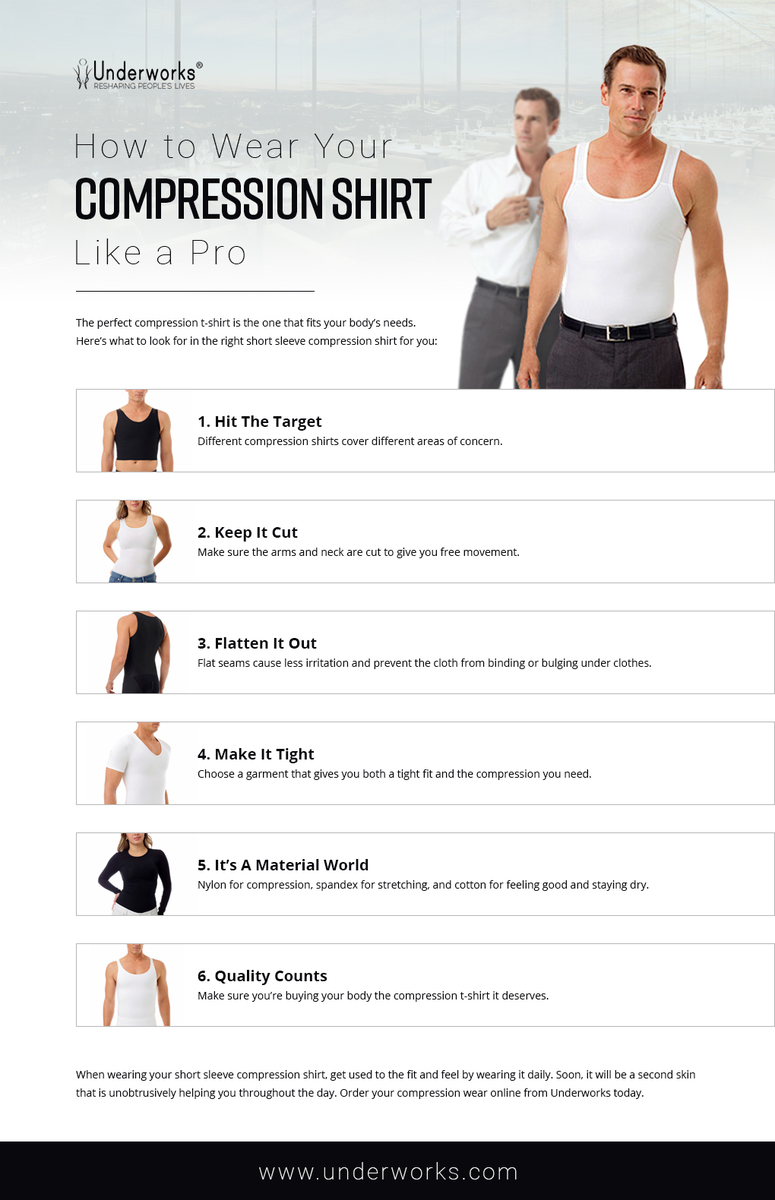
Tips For Buying The Right Tank Top
Before you buy a tank top, consider these points:
- Purpose: Are you buying for exercise, layering, or fashion?
- Material: Pick a fabric that matches your activity and climate.
- Fit: Try on different sizes and styles to see what feels best.
- Strap width: Thin straps are good for underlayers; wide straps offer more support.
- Care needs: Some materials need special washing.
- Style: Choose a neckline and color that matches your wardrobe.
A common mistake is to buy the cheapest tank top without thinking about quality. A high-quality tank top will look better and last longer, making it a better value.
Credit: www.underworks.com
Common Mistakes When Wearing Tank Tops
Even though tank tops are simple, people often make small mistakes:
- Wearing see-through tanks with nothing underneath: If your tank is thin or light-colored, wear a proper undergarment.
- Choosing the wrong size: Too tight can look awkward; too loose can look messy.
- Ignoring dress codes: Some workplaces or events do not allow sleeveless tops.
- Not matching with the rest of the outfit: A bright tank with bold pants can clash.
If you keep these points in mind, you will look and feel better in your tank top.
Frequently Asked Questions
What Is The Difference Between A Tank Top And A Camisole?
A tank top is a sleeveless shirt with shoulder straps, usually made for outerwear or sports. A camisole is similar, but it has thinner straps and is often worn as an undergarment. Camisoles may be made from softer, more delicate materials and sometimes include lace.
Can Men And Women Both Wear Tank Tops?
Yes, tank tops are made for all genders. The main differences are in fit, strap width, and styling. Men’s tank tops tend to have wider straps and a straight shape, while women’s may have thinner straps and a fitted waist.
Are Tank Tops Appropriate For Work?
It depends on the workplace dress code. In casual or creative jobs, tank tops may be fine, especially if layered under a jacket or shirt. In formal or traditional offices, sleeveless tops are often not allowed. Always check your company’s guidelines.
How Can I Stop My Tank Top From Stretching Out?
To keep your tank top in shape, wash it in cold water and avoid high heat in the dryer. Hang it to dry instead of using a machine. If your tank has spandex or elastane, be extra gentle.
What Kind Of Bra Should I Wear With A Tank Top?
For tank tops with thin straps or low necklines, try a strapless bra, a bra with clear straps, or a built-in bra tank. For racerback tanks, a racerback bra will match the shape and stay hidden.
Tank tops are simple but versatile pieces that can fit almost any style, occasion, or body type. Whether you want a sporty look, something comfortable for home, or a unique fashion statement, there is a tank top out there for you.
With this guide, you now know exactly what tank tops look like, how to choose them, and how to wear them with confidence.
