

What Does Gym Clothes Look Like? Ultimate Guide to Fitness Fashion
What Does Gym Clothes Look Like
Walking into a gym for the first time, you may wonder what people wear and why it matters. Gym clothes are not just about style—they are designed for movement, sweat, and performance. The right gym outfit can boost confidence and help you work out safely.
But what does gym clothes actually look like? Are there big differences for men and women? Do certain materials make a real difference? This guide will give you a clear picture of gym clothes, from tops to shoes, so you know what to expect and how to choose the best options for your fitness routine.
What Makes Gym Clothes Different
Gym clothes are not like everyday clothes. They are made for exercise, which means they focus on comfort, flexibility, and sweat control. Most gym clothes use materials that stretch and breathe well, like polyester, spandex, or nylon. These fabrics help keep your body cool and dry as you move.
Another difference is the fit. Gym clothes are usually closer to the body but not too tight. This helps reduce chafing, lets you move freely, and avoids loose fabric getting caught on equipment. Some gym clothes, like compression leggings, fit tightly to support muscles and reduce fatigue.
The design also matters. Many gym clothes have features like flat seams to prevent irritation, mesh panels for extra airflow, or pockets for small items. Gym shoes are made with special soles for grip and support.
Main Types Of Gym Clothes
When you look around a gym, you will see some common types of clothing. Each piece serves a purpose and is chosen for different types of exercise.
1. Tops
Tops are the most visible part of gym clothes. They come in many styles:
- T-shirts: These are the most common. Gym T-shirts are often made from moisture-wicking fabrics and have a regular or slim fit. They can be short or long-sleeved.
- Tank tops: Sleeveless tops are popular for weightlifting and cardio. They keep you cool and allow more arm movement.
- Compression shirts: These fit tightly and support muscles. They are often used for running or high-intensity workouts.
Most gym tops are plain or have simple logos. Bright colors and reflective details are common for those who exercise outdoors.
2. Bottoms
For your lower body, you have several options:
- Shorts: Gym shorts are lightweight and end above the knee. They often have built-in liners for support.
- Leggings/tights: Many prefer these for yoga, running, or stretching. Leggings are made from stretchy fabric and fit snugly from waist to ankle.
- Track pants/joggers: Looser than leggings, joggers taper at the ankle. They are good for warm-ups, cool-downs, or colder weather.
Men and women both wear shorts and joggers, but leggings are more common for women, though men’s leggings (sometimes called “tights”) are also popular for running or under shorts.
3. Sports Bras
A sports bra is essential for women. It supports the chest and reduces movement during exercise, making workouts more comfortable and safe. Sports bras come in different support levels: light for yoga, medium for cycling, and high support for running or jumping.
4. Shoes
Gym shoes are designed for the type of activity you do:
- Running shoes: Have more cushion and support for forward motion.
- Training shoes: Flatter soles for stability during lifting or agility work.
- Crossfit shoes: Blend support and stability for many exercises.
Wearing the right shoe reduces injury risk and helps you perform better.
5. Accessories
You will often see extra items that help in the gym:
- Sweatbands: Worn on the head or wrist to catch sweat.
- Gloves: Protect hands during weightlifting.
- Socks: Athletic socks wick moisture and reduce blisters.
- Hats/caps: Useful for outdoor workouts.
- Gym bags: For carrying gear and clothes.
Materials Used In Gym Clothes
Gym clothes need to handle sweat, movement, and frequent washing. That’s why the choice of material is so important.
Common Fabrics
- Polyester: Durable, lightweight, dries fast, and holds color well.
- Spandex (Lycra/Elastane): Very stretchy, used in leggings and compression wear.
- Nylon: Smooth, quick-drying, and strong.
- Cotton blends: Soft and breathable, but pure cotton absorbs sweat and stays wet.
- Bamboo: Some brands use bamboo for its softness and odor control.
Why Material Matters
Good gym clothes pull sweat away from the skin (moisture-wicking) and dry fast. This keeps you comfortable and reduces the risk of skin problems. Stretchy fabrics let you move easily. Some fabrics, like nylon and polyester, are better for high-sweat activities, while cotton blends may be fine for gentle exercise.
Special Features
Modern gym clothes often include extra features:
- Odor control: Treated with anti-microbial finishes to stop smell.
- UV protection: Helps for outdoor exercise.
- Mesh panels: Add airflow to keep you cool.
- Reflective details: Make you visible when running at night.
How Gym Clothes Fit
Fit is one of the most important parts of gym clothes. Clothes that are too tight can restrict your movement and feel uncomfortable. Too loose, and they may catch on machines or not offer enough support.
General Fit Guidelines
- Tops: Should allow you to move arms freely, without feeling baggy.
- Shorts: Not too tight at the waist or thighs, but not loose enough to slip.
- Leggings: Should fit snug but not pinch or ride down.
- Sports bras: Band should stay in place, straps should not dig in, and chest should be supported but not squeezed.
Some people prefer a looser fit for comfort, while others want a slim fit for performance. The best fit depends on your activity and comfort level.
Compression Vs. Regular Fit
Compression clothes fit tighter and are said to increase blood flow and reduce muscle soreness. These are common in running or high-intensity workouts. Regular fit gives more room and is preferred for general workouts or group classes.

Credit: themomedit.com
What Gym Clothes Look Like: Men Vs. Women
There are some differences in gym clothes for men and women, mostly for comfort and support.
Gym Clothes For Women
Women’s gym clothes include more options for support and coverage. Leggings, sports bras, and fitted tops are common. Women’s shorts are often shorter and more fitted. Many women’s tops have built-in bras or open backs for cooling.
Gym Clothes For Men
Men’s gym clothes focus on shorts, T-shirts, and tank tops. Shorts are usually longer and looser than women’s. Men may wear compression tights under shorts for running or cycling. Men’s tops are less likely to have built-in support.
Style Differences
Women’s gym wear often comes in more colors and patterns, while men’s options are simpler and darker. However, these trends are changing, and both men and women now have many choices.
Gym Clothes For Different Types Of Workouts
Not all gym clothes are the same. The best outfit depends on your workout type.
For Weightlifting
- Tops: Fitted T-shirts or tanks for free movement.
- Bottoms: Shorts or joggers that don’t restrict legs.
- Shoes: Flat-soled for stability.
- Gloves: Optional for grip and hand protection.
For Cardio
- Tops: Breathable, moisture-wicking shirts.
- Bottoms: Lightweight shorts or leggings.
- Shoes: Running or training shoes with good cushioning.
- Socks: Moisture-wicking to prevent blisters.
For Yoga/pilates
- Tops: Stretchy tanks or fitted T-shirts.
- Bottoms: High-waisted leggings for coverage.
- Barefoot or grip socks: Most yoga is done without shoes.
For Crossfit Or Hiit
- Tops: Tank tops or compression shirts.
- Bottoms: Flexible shorts or leggings.
- Shoes: Crossfit/training shoes with grip.
- Knee sleeves or wrist wraps: Sometimes used for support.
Outdoor Exercise
- Extra layers: Lightweight jackets or hoodies.
- Reflective gear: For safety in low light.
- Hats and sunglasses: For sun protection.
How To Choose The Right Gym Clothes
Picking gym clothes can feel confusing. Here’s how to make a smart choice.
1. Focus On Comfort
Try on clothes before buying if possible. Move your arms, squat, and stretch to see if they stay in place and feel good. Seams should not rub or cause irritation.
2. Choose The Right Material
Pick moisture-wicking fabrics for intense workouts. Cotton blends can work for light activities, but avoid pure cotton for heavy sweating.
3. Get The Proper Fit
Don’t pick gym clothes that are too tight or too loose. Check the waistband, shoulder seams, and length. If you are between sizes, try both to see which feels better.
4. Think About Your Activity
Each activity may need different clothes. For example, leggings are great for yoga but may feel hot for running outdoors. Training shoes are best for the gym floor but not for running long distances.
5. Consider Extra Features
Pockets, zippers, or mesh panels can make a difference. Reflective strips are important if you exercise at night.
6. Look For Durability
Gym clothes get washed often. High-quality materials and strong stitching make them last longer. Check care labels for washing instructions.
Common Mistakes When Choosing Gym Clothes
Even experienced gym-goers can make mistakes when choosing workout clothes.
1. Picking Style Over Function
It’s easy to choose what looks good, but not all stylish gym clothes are functional. A trendy crop top may ride up during jumping jacks. Focus first on comfort and function, then on color or style.
2. Ignoring Shoe Type
Wearing running shoes for weightlifting, or vice versa, can cause injuries. Each type of shoe is designed for a specific use.
3. Wrong Size
Buying too small for a “fitted” look can lead to discomfort or restrict movement. Too large, and you may trip or catch fabric on equipment.
4. Not Considering Sweat
Cotton shirts can become heavy and clingy with sweat. Choose moisture-wicking fabrics for intense workouts.
5. Not Upgrading Old Clothes
Worn-out gym clothes lose stretch and support. Replace items when they become see-through, loose, or frayed.
Modern Trends In Gym Wear
Gym clothes have changed a lot. Here’s what’s popular now.
1. Athleisure
Many people wear gym clothes outside the gym. This trend is called athleisure. Leggings, joggers, and sporty tops are now seen at cafes, schools, and even offices.
2. Bold Colors And Prints
While plain black and grey are still popular, many brands offer bright colors, patterns, and even animal prints. This lets you show your personality while working out.
3. Sustainable Fabrics
Eco-friendly gym clothes made from recycled plastic bottles or bamboo are becoming more common. These clothes are good for the environment and feel soft on the skin.
4. Technology In Fabric
Some gym clothes now have tech features like built-in UV protection, anti-odor treatment, or even smart sensors that track movement.
5. Customizable Fit
Adjustable straps, drawstrings, and removable pads let you change the fit for more comfort.
What To Avoid Wearing To The Gym
Some clothes are not suitable for the gym.
- Jeans or dress pants: Do not stretch and can tear.
- Loose tank tops: May catch on equipment.
- Open-toed shoes or sandals: Unsafe for heavy equipment.
- Jewelry: Rings and bracelets can get caught or cause injury.
- Heavy cotton clothing: Holds sweat and dries slowly.
Focus on clothes designed for exercise to stay safe and comfortable.
Gym Clothes For Different Body Types
Everyone’s body is different, and gym clothes need to fit well to work well.
For Larger Bodies
Look for high-waisted leggings and wide-strap sports bras for support. Loose-fit tops made with stretchy fabric give comfort and coverage.
For Petite Bodies
Choose fitted clothes to avoid looking overwhelmed by fabric. Cropped leggings and tops can create a longer look.
For Muscular Bodies
Stretchy fabrics and raglan sleeves let muscles move freely. Avoid clothes that are too tight across the shoulders or chest.
For Tall Bodies
Many brands offer “tall” sizes for longer legs and arms. Check length before buying to avoid ankle or wrist gaps.
How Gym Clothes Have Changed Over Time
Gym clothes have evolved from simple cotton shorts and T-shirts to high-tech, performance-driven outfits. Years ago, gym wear was basic—just whatever you had at home. As fitness became more popular, brands started making clothes just for exercise.
Now, gym clothes are designed for specific workouts, body types, and even weather. Brands test their clothes for durability, sweat control, and flexibility. People now expect their gym clothes to look good, feel comfortable, and last through tough workouts.
Gym Clothes And Hygiene
Good hygiene matters in the gym. Gym clothes can hold sweat, bacteria, and odor.
- Wash after every use: Do not wear the same outfit twice without washing.
- Dry completely: Damp clothes can grow bacteria.
- Use sports detergent: Some detergents are made for athletic fabrics to remove sweat and odor.
- Rotate outfits: Having a few sets means less wear and tear.
Wearing clean gym clothes keeps your skin healthy and helps you feel fresh.
How To Care For Gym Clothes
Proper care helps gym clothes last longer.
- Wash in cold water: Hot water can break down stretchy fibers.
- Avoid fabric softener: It can clog moisture-wicking fibers.
- Air dry when possible: High heat can damage elastic material.
- Turn clothes inside out: This protects the fabric surface and color.
- Close zippers and Velcro: Prevents snagging during washing.
Follow the care label for best results.
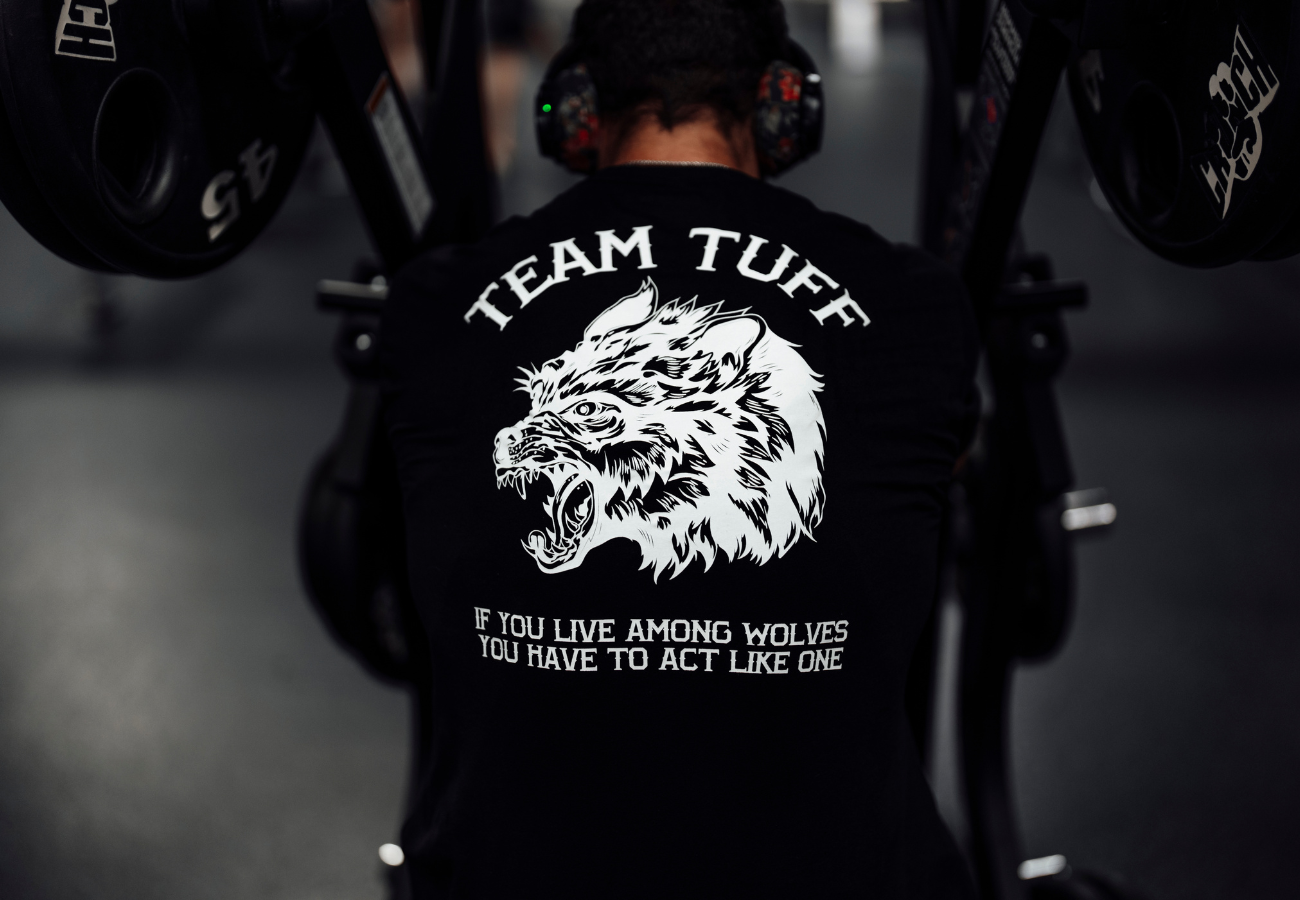
Credit: www.tuffwraps.com
Comparing Gym Clothes: Popular Styles And Features
Let’s compare how different gym bottoms suit various activities.
| Type | Best For | Key Features | Drawbacks |
|---|---|---|---|
| Shorts | Cardio, weightlifting | Lightweight, cool, range of motion | Less coverage, not warm |
| Leggings | Yoga, stretching, running | Flexible, full coverage, supportive | Can feel hot in summer |
| Joggers | Warm-ups, cool weather | Loose, comfortable, tapered fit | May restrict movement slightly |
Now compare shoes for different gym uses.
| Shoe Type | Main Use | Support Level | Not Ideal For |
|---|---|---|---|
| Running Shoes | Treadmill, outdoor running | High cushion, forward motion | Weightlifting (unstable base) |
| Training Shoes | Weightlifting, circuits | Flat, stable, moderate cushion | Long-distance running |
| Crossfit Shoes | HIIT, Crossfit | Mix of cushion and stability | Specialized sports like spinning |
Let’s also look at top features in gym shirts.
| Feature | Benefit | Who Should Choose |
|---|---|---|
| Moisture-Wicking | Keeps skin dry | Anyone doing cardio or HIIT |
| Compression | Muscle support, less soreness | Runners, high-intensity athletes |
| Mesh Panels | Extra breathability | Hot weather or sweat-prone people |
Real-life Examples: Gym Clothes In Action
Imagine three people heading to the gym.
- Person A is doing a weightlifting session. They wear a slim-fit T-shirt, shorts ending above the knee, and flat-soled shoes. Their outfit lets them move easily and keeps them cool.
- Person B is going to a yoga class. They choose high-waisted leggings, a soft tank top, and a medium-support sports bra. No shoes, but they use grip socks for balance.
- Person C is running on a treadmill. They wear a bright moisture-wicking T-shirt, lightweight running shorts, and cushioned running shoes. Their outfit helps manage sweat and gives the right support.
Each person’s gym clothes look different because they match the workout.
Non-obvious Insights About Gym Clothes
Many beginners miss these important details:
- Layering is useful. For example, you can wear a lightweight hoodie to warm up, then remove it once you start sweating. This keeps muscles safe and helps your body adjust to temperature changes.
- Pockets matter more than you think. If you use headphones, keep a locker key, or carry a phone, look for gym clothes with secure, zippered pockets. Otherwise, you may find yourself juggling items or losing things during workouts.
- Seam placement is critical. Seams that rub against skin can cause irritation, especially during long or repetitive movements. Look for flatlock seams or seamless designs if you have sensitive skin.
- Color choices affect sweat visibility. Light colors show sweat more than dark colors, which may matter for your comfort level in public gyms.
Where To Buy Gym Clothes
You can find gym clothes almost everywhere: sports shops, big department stores, and online brands. Some popular global brands are Nike, Adidas, Under Armour, Gymshark, and Lululemon. Many local brands also offer good quality at lower prices.
Try to read reviews, check return policies, and compare prices. For more details on gym clothing materials and care, you can visit Wikipedia: Sportswear (activewear).

Credit: wiskiiactive.com
Frequently Asked Questions
What Is The Best Material For Gym Clothes?
The best materials are polyester, nylon, and spandex blends. They are moisture-wicking, quick-drying, and stretchy. Avoid pure cotton for intense workouts, as it holds sweat and takes a long time to dry.
Can I Wear Regular Clothes To The Gym?
You can, but it is not recommended. Regular clothes may not stretch enough, can hold sweat, and may increase the risk of skin irritation or injury. Gym clothes are made for movement and comfort during exercise.
How Tight Should Gym Clothes Be?
Gym clothes should fit close to your body but not be restrictive. You should be able to move freely, squat, and stretch without the clothes pinching or riding up. Compression wear is meant to fit tighter, but regular gym clothes should feel comfortable.
Do I Need Special Shoes For The Gym?
Yes, wearing the right shoes is important. Running shoes are best for cardio, while flat training shoes are better for weightlifting. The right shoe helps prevent injuries and supports your workout.
How Often Should I Replace Gym Clothes?
Replace gym clothes when they lose shape, become see-through, develop odor that won’t wash out, or show signs of wear (like holes or stretched-out elastic). Good gym clothes can last many months with proper care.
Final Thoughts
Gym clothes are more than just what you wear—they help you move, stay comfortable, and get the most from your workout. From tops and bottoms to shoes and accessories, each piece has a purpose. The best gym clothes fit your body, match your workout, and use materials that work with you, not against you.
Now that you know what gym clothes look like and why they matter, you can step into the gym with confidence and focus on your fitness goals.
