

What Does Fashion Faux Pas Mean? Avoid Common Style Mistakes
What Does Fashion Faux Pas Mean?
Fashion is a language without words. It tells others how we feel, how we see ourselves, and sometimes, what we wish to hide. But there are moments when this language goes wrong. This is where the term fashion faux pas comes in. It’s used to describe mistakes or errors in style—choices that stand out for the wrong reasons. These moments can be funny, embarrassing, or even costly for brands and celebrities. Understanding what fashion faux pas means and how to avoid them is important for anyone who cares about making a good impression.
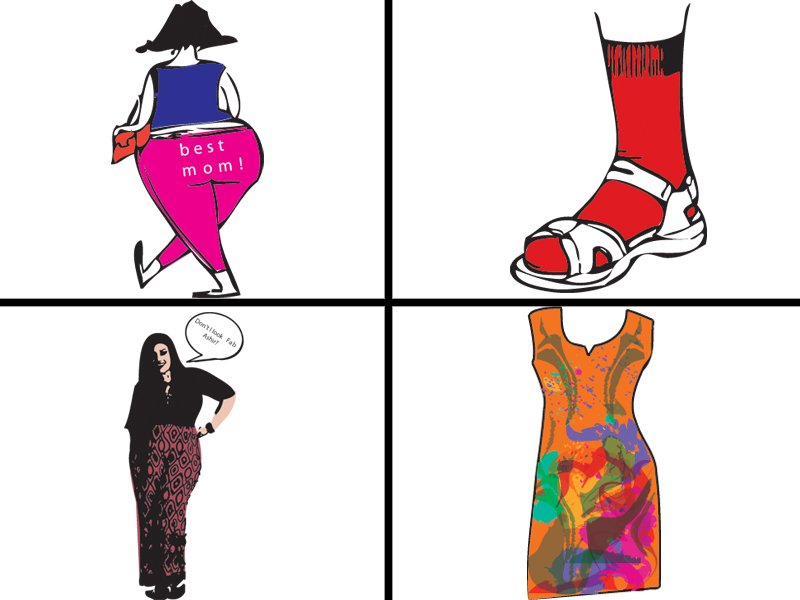
Some people think a fashion faux pas only happens when you wear socks with sandals. In reality, it’s much broader. It can happen to anyone, anywhere, and it’s often linked to changing trends, cultural differences, or simply not knowing the rules.
This article explores the meaning behind fashion faux pas, the most common examples, why they matter, and how to avoid making them. By the end, you’ll know how to spot these mistakes and make smarter fashion choices.
Understanding Fashion Faux Pas
The phrase fashion faux pas comes from French. “Faux pas” means “false step.” In fashion, it means making a mistake in how you dress or present yourself. These mistakes are usually noticed because they break style rules, clash with social expectations, or simply look odd.
Fashion faux pas can happen for many reasons:
- Not knowing the dress code
- Ignoring cultural norms
- Wearing clothes that don’t fit
- Mixing colors or patterns badly
- Choosing outdated or inappropriate styles
Some faux pas are personal—like wearing clothes that don’t suit your body type. Others are public—like celebrities wearing strange outfits on the red carpet. What’s considered a faux pas changes over time, so the rules are not always clear.
Common Types Of Fashion Faux Pas
Most people make fashion mistakes at some point. Here are some of the most frequent types of faux pas:
Wearing Clothes That Don’t Fit
One of the most obvious errors is wearing clothes that are too tight or too loose. Clothes should fit your body well, not squeeze or drown it.
- Too tight: This can make you look uncomfortable and highlight areas you may want to hide.
- Too loose: Baggy clothes can seem sloppy and make you appear smaller or bigger than you are.
A survey by the American Apparel & Footwear Association found that over 40% of shoppers buy clothes in the wrong size, leading to poor fit and less confidence.
Mixing Clashing Colors And Patterns
Color and pattern combinations can be tricky. Some people mix too many colors or patterns that don’t go together.
- Clashing colors: For example, neon green with bright pink can be harsh on the eyes.
- Too many patterns: Wearing stripes with polka dots and floral prints all at once can look chaotic.
The general rule is to keep one bold color or pattern and balance it with neutrals.
Ignoring The Dress Code
Many events have a dress code. Not following it can be a major faux pas.
- Formal events: Wearing jeans to a black-tie event is usually seen as disrespectful.
- Workplace: Wearing casual clothes in a formal office can hurt your professional image.
Research from LinkedIn shows that 60% of professionals believe dressing incorrectly at work can affect promotions.
Over-accessorizing
Accessories can improve an outfit, but too many can distract from your look.
- Wearing too many: Large earrings, chunky necklaces, multiple bracelets, and hats all at once can be overwhelming.
- Mixing metals: Sometimes mixing gold, silver, and bronze looks messy.
Fashion experts recommend the “less is more” approach. Choose one or two pieces that stand out.
Wearing Outdated Styles
Trends change fast. Wearing styles that were popular years ago can make you seem out of touch.
- Old shoes: Shoes with outdated designs or heavy wear often stand out.
- Retro without balance: Wearing vintage pieces is popular, but pairing them with modern items helps keep the look fresh.
Socks With Sandals
This is a classic example. While some brands try to make it trendy, most see socks with sandals as a mistake—especially in formal settings.
Showing Too Much Skin
Revealing too much can be uncomfortable for others and inappropriate in many situations.
- Short skirts or deep necklines: Especially in work or family gatherings, these can be seen as disrespectful.
- Transparent fabrics: If not worn with the right underlayers, they can lead to awkward moments.
Copying Celebrity Looks Blindly
Celebrities have access to stylists and unique pieces. Trying to copy their looks without adapting to your body type or occasion can result in a faux pas.
- Red carpet outfits: These may not suit daily life.
- Extreme fashion: Some celebrity looks are meant for the stage, not the street.
Wearing Wrinkled Or Dirty Clothes
Even the best outfit can look bad if it’s not clean or pressed. Wrinkles and stains show a lack of care.
- Unwashed clothes: Not only do they look bad, but they may also smell.
- Wrinkled fabric: This makes you appear less professional.
Why Fashion Faux Pas Matter
Fashion mistakes are more than just funny moments. They can affect your self-esteem, reputation, and even your career. Here’s why they matter:
Impact On Self-confidence
When you know you’ve made a fashion error, you may feel less confident. People often notice these mistakes, and it can make you self-conscious. For example, wearing the wrong outfit to a job interview can distract you from performing well.
Social Consequences
Fashion faux pas can lead to teasing, gossip, or judgment. In social settings, people may remember your mistakes more than your successes. This is especially true in schools, workplaces, or public events.
Professional Risks
In the workplace, dressing incorrectly can hurt your chances of promotion or being taken seriously. A study from Harvard Business Review found that employees who dress appropriately are seen as more reliable and trustworthy.
Brand And Celebrity Image
For brands and celebrities, a fashion faux pas can affect their image and sales. If a celebrity wears something strange, it can trend online and lead to negative press. Brands can lose customers if their products are linked to bad style choices.
Famous Fashion Faux Pas In History
Some mistakes are so big, they become part of fashion history. Here are a few famous examples:
Red Carpet Disasters
Many celebrities have had embarrassing moments on the red carpet. For example, wearing a dress that is too revealing or an outfit that clashes with the event theme.
- Wrong theme: At award shows, wearing casual clothes while others are in formal wear stands out.
- Wardrobe malfunctions: Dresses that slip or tear become headlines.
Political Figures
Politicians sometimes make style errors, like wearing casual clothes at formal meetings or choosing colors that send the wrong message. These moments can affect their image and credibility.
Marketing Mistakes
Brands sometimes release products that don’t fit the market. For example, creating clothing with offensive slogans or designs. These mistakes can lead to public backlash and lost sales.

Credit: ericaballstyle.com
How To Avoid Fashion Faux Pas
Anyone can make a fashion mistake, but there are ways to reduce the risk. Here are practical steps you can follow:
- Know the Occasion
- Always check the dress code before an event.
- Ask hosts or organizers if you’re unsure.
- Check the Fit
- Try clothes on before buying.
- Get items tailored if they don’t fit well.
- Balance Colors and Patterns
- Stick to one bold color or pattern at a time.
- Use neutral tones to balance your look.
- Limit Accessories
- Choose one or two standout pieces.
- Avoid mixing too many metals or styles.
- Stay Updated
- Follow fashion magazines or blogs for current trends.
- Refresh your wardrobe every season.
- Dress for Your Body Type
- Choose styles that highlight your strengths.
- Avoid copying others blindly.
- Keep Clothes Clean and Pressed
- Wash and iron your clothes regularly.
- Check for stains or wrinkles before wearing.
- Respect Cultural and Social Norms
- Learn what’s appropriate in your country or community.
- Avoid styles that might offend others.
- Ask for Feedback
- Get opinions from friends or family.
- Use online forums or style apps for advice.
- Practice Confidence
- If you make a mistake, own it with confidence.
- Sometimes attitude can make up for small errors.
Cultural Differences In Fashion Faux Pas
What’s a mistake in one country may be acceptable in another. Understanding these differences can help you avoid problems when traveling or working abroad.
Western Vs. Eastern Dress Codes
In Western countries, showing skin or wearing bright colors is often acceptable. In Eastern countries, modesty and neutral tones are more common.
| Country | Common Faux Pas | Accepted Styles |
|---|---|---|
| United States | Socks with sandals, clashing colors | Casual, bold patterns |
| Japan | Too much skin, loud accessories | Modest, minimalist |
| India | Wearing shoes indoors, short skirts | Traditional, colorful |
| France | Over-accessorizing, messy clothes | Chic, simple elegance |
Religious And Social Norms
Some places have strict rules about what’s appropriate. For example, in many Middle Eastern countries, covering arms and legs is important. Ignoring these rules can be seen as disrespectful.
Credit: www.businessinsider.com
The Role Of Social Media In Spotting Fashion Faux Pas
Social media has changed how we see fashion mistakes. Today, a faux pas can go viral in minutes. Photos are shared, commented on, and sometimes mocked. This makes it more important than ever to pay attention to style choices.
Influencer Culture
Influencers set trends, but they also make mistakes. Sometimes their followers copy them, leading to widespread faux pas.
- Copycat errors: Wearing styles that suit only certain people.
- Trend overload: Following too many trends at once.
Online Criticism
People on platforms like Instagram and Twitter quickly notice fashion errors. A single bad outfit can get thousands of comments.
- Memes: Funny images spread fast.
- Hashtags: #FashionFail and similar tags highlight mistakes.
Positive Side
Social media can also help you learn. Many accounts offer advice, style guides, and tips to avoid mistakes.
The Psychology Behind Fashion Faux Pas
Fashion is not just about clothes—it’s about feelings, identity, and society. Understanding why people make fashion mistakes helps you avoid them.
Fear Of Standing Out
Some people make mistakes because they try too hard to fit in or stand out. Wearing bold colors or strange styles may attract attention, but not always the right kind.
Lack Of Knowledge
Not everyone knows the rules. Beginners may not understand which colors go together, or how to dress for their body type.
Peer Pressure
Friends and social groups influence style choices. Sometimes, you wear something just because others do, even if it doesn’t suit you.
Experimentation
Trying new styles is important for personal growth, but it comes with risks. Not every experiment works, and sometimes it leads to a faux pas.
How Designers And Stylists Prevent Fashion Faux Pas
Professional designers and stylists have tricks to avoid mistakes. Here’s how they help their clients:
Personal Styling
Stylists study your body shape, skin tone, and lifestyle. They choose clothes that fit well and suit your personality.
Wardrobe Planning
Designers help clients plan outfits for specific events. They consider dress codes, trends, and cultural norms.
Quality Control
Before clothes are worn in public, designers check for fit, color balance, and cleanliness. This is especially important for celebrities.
Trend Analysis
Professionals follow global trends and adapt them to local cultures. This prevents outdated or inappropriate styles.
Fashion Faux Pas In Business And Professional Settings
Workplace fashion has its own rules. Making mistakes here can affect your career and relationships.
| Business Setting | Common Faux Pas | Impact |
|---|---|---|
| Corporate Office | Casual jeans, sneakers | Seen as unprofessional |
| Client Meeting | Bright colors, loud patterns | Distracts from business |
| Formal Events | Missing tie, wrinkled shirt | Reduces credibility |
| Creative Agency | Too formal attire | Appears stiff, less creative |
Practical Tips For Business Style
- Always check the company dress code.
- Keep accessories simple and professional.
- Choose neutral colors unless creativity is encouraged.
- Make sure clothes are clean and pressed.
Fashion Faux Pas Vs. Breaking The Rules
Sometimes, breaking the rules is not a mistake—it’s a statement. Fashion icons often challenge norms and create new trends. The difference is intention and confidence.
Rule-breakers As Trendsetters
Designers and celebrities sometimes wear unusual outfits to get attention or start new trends. For example, Lady Gaga’s bold costumes are not mistakes—they are meant to provoke and inspire.
When Breaking The Rules Works
Rule-breaking works when:
- The person understands the rules first.
- The look fits the occasion or message.
- Confidence and attitude are strong.
When Breaking The Rules Fails
It fails when:
- The look is messy or uncomfortable.
- It doesn’t suit the person’s body or personality.
- The occasion calls for respect and tradition.
The Most Overlooked Fashion Faux Pas
Even experienced fashion lovers miss some mistakes. Here are two non-obvious faux pas:
Ignoring Footwear
Many people focus on clothes, but shoes matter just as much. Wearing old, dirty, or mismatched shoes can ruin an outfit.
- Shoes should match the occasion and style.
- Regular cleaning and maintenance are important.
Forgetting About Grooming
Fashion is not only about clothes. Hair, nails, and skin are part of your appearance. Poor grooming can make even the best outfit look bad.
- Keep hair neat and styled.
- Check nails for cleanliness.
- Maintain good hygiene.
Real-life Examples And Data
Fashion faux pas happen everywhere. Here are some statistics and examples:
- Survey by Vogue: 35% of people say their biggest style mistake was wearing clothes that didn’t fit.
- Fashion blogs: Over 50% of posts on style forums discuss color and pattern errors.
- Brand impact: A major retailer lost 12% in sales after releasing a clothing line that was criticized for poor design.
One famous example is a celebrity wearing a transparent dress at a formal event. The outfit was seen as inappropriate and led to negative headlines. Another is a politician wearing sneakers to a formal meeting, which caused public criticism.
How To Recover From A Fashion Faux Pas
Everyone makes mistakes. What matters is how you handle them. Here are steps to recover:
- Stay Calm
- Don’t panic or feel ashamed.
- Most people forget mistakes quickly.
- Own Your Error
- Admit it if someone points it out.
- Make a joke or laugh it off.
- Learn and Adapt
- Use the experience to improve.
- Ask friends for advice.
- Fix the Problem
- If possible, change clothes or accessories.
- If not, focus on confidence and attitude.
- Move On
- Don’t let one mistake affect your self-esteem.
- Remember, everyone makes errors.
Credit: tribune.com.pk
Frequently Asked Questions
What Is A Fashion Faux Pas?
A fashion faux pas is a mistake or error in how you dress or style yourself. It happens when you break style rules, ignore dress codes, or wear clothes that don’t fit or suit the occasion.
How Can I Avoid Making Fashion Faux Pas?
To avoid mistakes, know the dress code, check the fit, balance colors and patterns, limit accessories, stay updated with trends, and respect cultural norms. Ask for feedback if unsure.
Are Fashion Faux Pas Always Bad?
Not always. Sometimes, breaking the rules can create new trends. If done with intention and confidence, it may be seen as bold or creative rather than a mistake.
Can Fashion Faux Pas Affect My Career?
Yes. In professional settings, dressing incorrectly can hurt your reputation, reduce your chances for promotion, and make you seem less reliable.
Where Can I Learn More About Fashion Mistakes And Trends?
You can visit style blogs, magazines, or official resources like Vogue for advice and updates on fashion trends and common mistakes.
Fashion is always changing, and mistakes are part of learning. Understanding what fashion faux pas means—and how to avoid or recover from them—will help you express your style with confidence and avoid embarrassing moments. Use this guide as your starting point, and remember: the best fashion is the one that feels right for you.
