

What Do Gymnastics People Wear: Essential Attire Guide
What Do Gymnastics People Wear
When you watch a gymnastics competition or even a practice session, you may notice that gymnasts wear unique clothing. Their outfits are not just for style—they are designed for performance, safety, and comfort. Whether you are a parent of a young gymnast, a beginner, or just curious, understanding what gymnasts wear and why can help you appreciate this sport even more.
The details of gymnastics clothing are more important than most people realize, and small choices can make a big difference in performance. In this article, you'll discover everything you need to know about what gymnasts wear, from leotards to grips, and why these items matter.
Types Of Gymnastics Clothing
Different types of gymnastics require specific outfits. These clothes are not just about looking good—they help athletes move freely, reduce risks, and sometimes even affect scores.
Artistic Gymnastics
Artistic gymnastics is the most well-known form, seen in the Olympics. It includes events like floor exercise, vault, balance beam, and parallel bars.
- Leotards: Both male and female gymnasts wear leotards, but the style is different. Female gymnasts typically wear sleeveless or long-sleeved leotards. These are made from stretchy materials like spandex or lycra for flexibility. Male gymnasts usually wear sleeveless leotards (sometimes called singlets) with shorts or long pants called stirrup pants.
- Shorts and Pants: Men often combine leotards with shorts for floor and vault, and long pants for pommel horse, rings, parallel bars, and high bar. The pants are designed to stay tight around the ankles.
- Undergarments: Gymnasts wear sports bras or fitted undergarments that don't show. In many competitions, visible underwear can result in point deductions.
Rhythmic Gymnastics
Rhythmic gymnastics combines dance, gymnastics, and apparatus like ribbons or hoops.
- Leotards: These leotards are often more decorative, with sequins, lace, and mesh. They must cover the hips and fit closely to the body, but may have more open backs or skirt-like attachments.
- Tights: Some rhythmic gymnasts wear flesh-colored tights for coverage.
- Footwear: Many wear toe shoes or "half shoes," which cover the ball of the foot and leave the heel exposed for better grip and pointed toes.
Trampoline Gymnastics
Trampoline gymnasts perform flips and twists on a trampoline.
- Leotards: Both men and women wear leotards, but men's leotards are paired with long white pants and a t-shirt or singlet.
- Socks: Gymnasts usually wear white socks for safety and hygiene.
Acrobatic And Aerobic Gymnastics
These disciplines focus on group performances and dynamic movements.
- Unitards: One-piece suits that cover the legs, sometimes with long sleeves.
- Leotards: Like other gymnastics, but often with more flashy designs for showmanship.
Tumbling
Tumbling is all about fast, powerful passes on a sprung track.
- Leotards: Both men and women wear close-fitting leotards or singlets.
- Shorts or Pants: Men wear shorts or pants, depending on personal or team preference.
Key Clothing Items For Gymnastics
To understand what gymnasts wear, it's helpful to look at each piece of clothing and its function.
Leotards
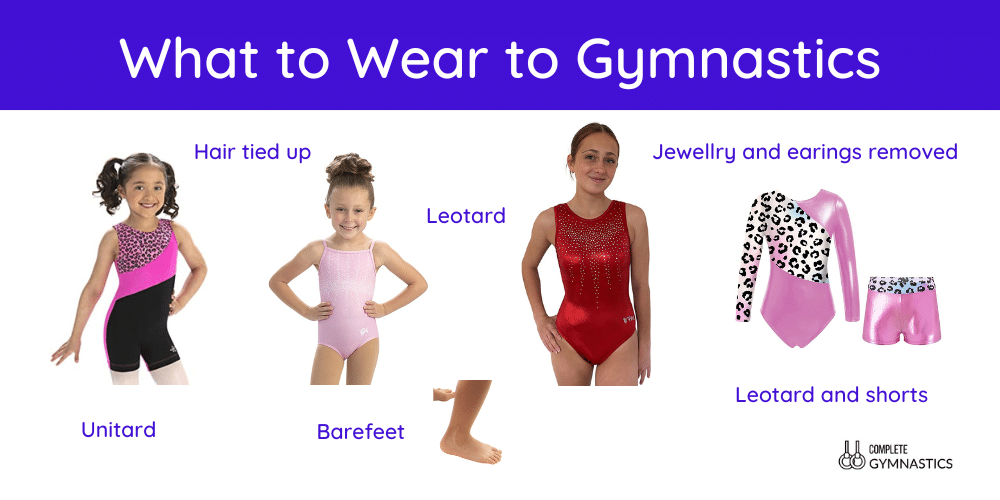
The leotard is the most recognizable piece of gymnastics clothing. It is designed to fit tightly, allowing judges to see correct body lines and shapes. The snug fit also prevents clothing from catching on apparatus or getting in the way during flips and jumps.
- Materials: Most leotards are made from spandex, lycra, or polyester blends. These materials are stretchy and wick away sweat.
- Design: Some leotards have high necks, open backs, or mesh sleeves. Designs can be simple or decorated with rhinestones and metallic fabrics.
- Fit: A leotard should be tight but comfortable. If it is too loose, it can move around and distract the gymnast; too tight, and it can restrict movement.
- Colors and Patterns: Teams often choose matching leotards for competitions. Bright colors and unique patterns help gymnasts stand out.
Leotard Comparison: Training Vs. Competition
Here is a look at the main differences between leotards for practice and for competitions.
| Feature | Training Leotard | Competition Leotard |
|---|---|---|
| Design | Simple, basic colors | Decorative, with sparkles |
| Price | Lower cost | More expensive |
| Material | Cotton blends, basic spandex | High-quality lycra, mesh, velvet |
| Durability | Made for frequent use | Worn only for events |
Shorts And Pants
Shorts and pants are common for male gymnasts and sometimes female gymnasts during practice.
- Men's Shorts: Worn for events like floor and vault. They allow free leg movement.
- Stirrup Pants: Used for apparatus like pommel horse and rings, they have a strap under the foot to keep the pants tight.
- Women's Shorts: Some gymnasts wear fitted shorts over their leotards for modesty or comfort during training, but not in competition.
Unitards
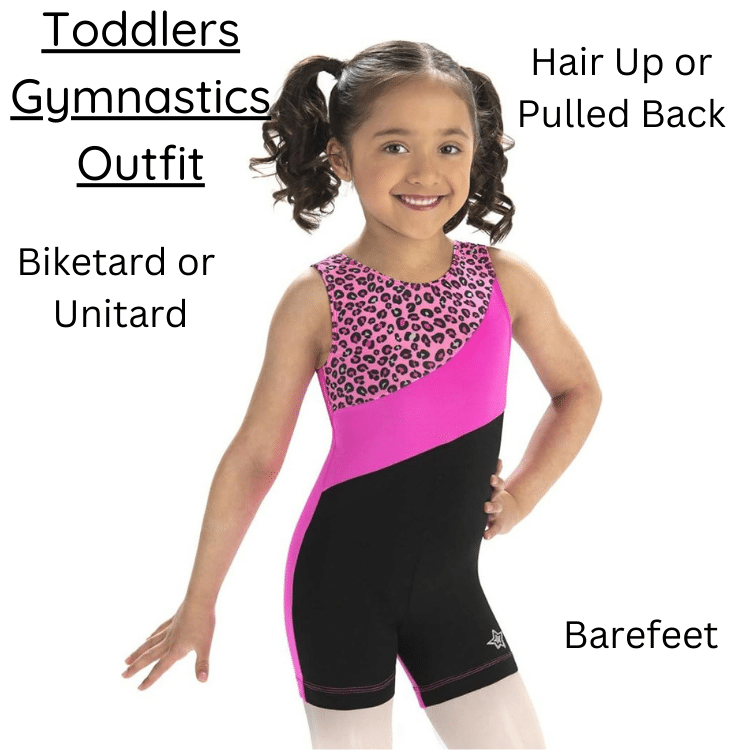
A unitard is a one-piece suit that covers the body and sometimes the legs. It is less common but is allowed in many competitions, especially for athletes who want more coverage for personal or religious reasons. Unitards offer the same flexibility as leotards but cover more skin.
Tights
Some gymnasts, especially in rhythmic or acrobatic disciplines, wear tights under their leotards. These are usually flesh-colored to maintain the appearance of bare legs but offer extra coverage and warmth.
Gymnastics Shoes
Most artistic gymnasts perform barefoot to maximize grip and feel. However, there are exceptions:
- Rhythmic Gymnastics Shoes: Called "half shoes" or "toe shoes," these cover the ball of the foot and help with turning and sliding.
- Trampoline Shoes: Made of lightweight fabric, they offer slight grip and protect the feet.
- Socks: Some gymnasts wear socks on trampoline for hygiene and to reduce friction.
Grips And Hand Protection
When you see male or female gymnasts on bars, you may notice leather hand grips.
- Purpose: Grips protect the skin from rips and blisters, improve grip, and help prevent slipping.
- Types: Different grips are used for uneven bars, high bar, and rings. They have dowels or rods to help hold the bar securely.
- Wristbands: Often worn under grips for extra padding.
Warm-up Gear
Before performing, gymnasts wear extra layers to stay warm.
- Jackets and Pants: Team jackets and track pants are common before competition.
- Leg Warmers: Sometimes used during warm-ups, especially in colder gyms.
Hair Accessories
Hair must be neat and out of the face. Gymnasts use:
- Scrunchies: Fabric hair ties that match the leotard.
- Clips and Pins: To keep hair in place.
- Headbands: For extra control.
Jewelry And Accessories
Jewelry is generally not allowed for safety reasons. Most competitions allow only small, stud earrings. Large earrings, necklaces, and bracelets are not permitted.
Undergarments
Proper undergarments are important for comfort and confidence.
- Sports Bras: Worn under leotards by older girls and women.
- Seamless Underwear: To avoid visible lines or discomfort.
- No Underwear: Some gymnasts choose leotards with built-in liners.
Why Gymnastics Clothing Matters
Clothing in gymnastics is about more than appearance. Each piece plays a key role in performance and safety.
Safety
Loose clothing can get caught on equipment or cause a gymnast to trip. Tight, stretchy clothes reduce these risks. Grips and wristbands protect the hands from injury.
Performance
Judges must see the gymnast's body lines and positions clearly. Well-fitted clothes help gymnasts move freely and show off their skills. Proper footwear prevents slips.
Rules And Scoring
Most competitions have strict rules about clothing. Visible underwear, jewelry, or incorrect uniforms can lead to point deductions. Teams often practice in the same outfits they will wear in competition to avoid surprises.
Comfort And Confidence
A good outfit can make a gymnast feel confident and ready to perform. Discomfort or self-consciousness can distract from routines.
Special Gymnastics Clothing For Different Needs
Not all gymnasts have the same needs. Some require special clothing for health, religion, or modesty.
Modesty And Religious Considerations
Some gymnasts prefer more coverage. International rules now allow for full-leg unitards, long sleeves, or extra layers as long as they do not interfere with performance. This helps make the sport more inclusive.
Adaptive Clothing
Gymnasts with disabilities may need custom clothing for comfort or to help with prosthetics or braces. Adaptive leotards may have zippers, Velcro, or different shapes to fit individual needs.
Gymnastics Clothing For Kids
When children start gymnastics, parents often wonder what to buy. The needs of young gymnasts are a bit different.
For Girls
Young female gymnasts usually start with simple, sleeveless leotards for practice. These should fit snugly and be easy to put on and take off. Some gyms allow shorts or leggings over the leotard.
For Boys
Boys usually wear fitted t-shirts or tank tops with elastic shorts for practice. As they advance, they may wear singlets and shorts or pants, like older gymnasts.
Practical Tips For Parents
- Buy a few leotards: Kids sweat and get dirty; having extras is helpful.
- Check the dress code: Some gyms have strict rules about colors, styles, or extras like skirts.
- Avoid zippers or buttons: These can hurt during rolls or flips.
How To Choose The Right Gymnastics Clothing
The right clothing can boost confidence and performance. Here are important factors to consider.
Fit
A leotard should fit like a second skin. If it pinches or sags, it is the wrong size. Most brands have size charts; measure carefully.
Material
Look for materials that stretch and breathe. Spandex and lycra are best. Cotton can hold sweat and become uncomfortable.
Durability
Practice leotards should survive many washes. Check for reinforced seams.
Cost
Competition leotards can be expensive, sometimes costing several times more than practice leotards. For daily training, choose affordable, durable options.
Style And Personal Taste
Letting gymnasts choose colors or patterns can make them feel involved and excited. Some gyms require team uniforms, so check before buying.
Practical Features
Look for features like built-in bras, lined fronts, or double stitching for extra comfort and support.
What Not To Wear In Gymnastics
Some clothing and accessories are not allowed and can even be dangerous.
- Loose T-shirts: Can get caught on equipment.
- Jewelry: Except for small studs, is not allowed.
- Skirts or tutus: These are not approved for competition in most forms of gymnastics.
- Shoes with hard soles: Not safe for tumbling or apparatus work.
- Hoodies or jackets: Only for warm-up, not during routines.
Common Mistakes In Choosing Gymnastics Clothes
Even experienced parents and athletes make mistakes when buying gymnastics clothing.
- Wrong size: Buying "room to grow" outfits leads to loose fits and risks.
- Ignoring gym rules: Each gym has its own dress code.
- Choosing fashion over function: Sparkly leotards may look great but can feel itchy or heavy.
- Not checking seam placement: Seams across shoulders or sides can rub and cause discomfort.
- Forgetting about washing: Delicate materials need gentle washing; avoid leotards that cannot handle frequent use.
How Gymnastics Clothing Has Changed
Over time, gymnastics clothing has evolved. Early leotards were simple and covered more skin. Today, materials are lighter, stretchier, and designs are more creative. There is also more attention to inclusivity and personal choice.
- Materials: Now include mesh, velvet, and moisture-wicking fabric.
- Designs: Brighter colors, more crystals, and bold patterns.
- Inclusivity: More options for modesty and adaptive needs.
Care And Maintenance Of Gymnastics Clothing
Proper care helps clothing last longer and perform better.
Washing Tips
- Wash by hand: Especially for competition leotards.
- Use mild detergent: Harsh chemicals can damage fabric and sparkles.
- Avoid dryers: Air dry to keep material stretchy and decorations intact.
- Do not iron: High heat damages lycra and spandex.
Storage
- Hang leotards: To keep their shape.
- Keep away from sunlight: Direct sun can fade colors.
- Separate from rough clothes: To avoid snags.
Credit: www.synergygymnastics.co.uk
The Role Of Team Uniforms
At higher levels, teams wear matching uniforms for a unified look. These uniforms often include:
- Matching leotards or singlets
- Team jackets and pants
- Coordinated hair accessories
A unified look can boost team spirit and leave a strong impression on judges.
How Judges View Gymnastics Clothing
Judges do not score based on fashion, but clothing can affect the score if it breaks rules.
- Deductions: For visible underwear, jewelry, or incorrect uniforms.
- Bonus for neatness: Clean, well-fitted clothes show professionalism.
- No points for style: But a smart outfit can boost confidence, which helps performance.
Real-world Example: Simone Biles And Team Choice
Top gymnasts like Simone Biles have influenced gymnastics fashion. For example, when her team wore leotards with full-leg coverage at a major event, it encouraged other teams to allow more options for modesty and comfort. This shows that even small changes in what gymnasts wear can have a big impact on the sport.
Gymnastics Clothing And Body Image
Gymnastics is a sport that focuses on the body’s movement. This can make some athletes self-conscious. Supportive coaches and parents can help by focusing on performance, not appearance, and by allowing gymnasts to choose clothing that makes them feel comfortable.
Where To Buy Gymnastics Clothing
- Specialty stores: Many brands focus only on gymnastics gear.
- Online retailers: Offer wider choices and better prices.
- Second-hand: Leotards and grips can be bought used, especially for fast-growing kids.
Always check reviews, return policies, and sizing charts before buying.
Comparing Gymnastics Clothing: Artistic Vs. Rhythmic
The two most popular forms of gymnastics have unique clothing requirements.
| Feature | Artistic Gymnastics | Rhythmic Gymnastics |
|---|---|---|
| Main Clothing | Simple leotards or singlets | Decorative leotards, often with skirts |
| Footwear | Usually barefoot | Toe shoes or half shoes |
| Accessories | Minimal, for safety | Hair decorations, more makeup |
| Coverage | Full or half sleeves, usually no skirts | Optional skirts, mesh, extra decorations |
The Importance Of Brand And Quality
Some brands are known for high-quality gymnastics clothing. They offer better materials, fit, and durability. However, brand is not everything. Comfort and performance are more important. Trying on different brands can help find the best fit.
Cost Of Gymnastics Clothing
The price range is wide.
- Practice leotards: Usually affordable.
- Competition leotards: Can be expensive, especially with custom designs.
- Grips and accessories: Add to the total cost.
Investing in quality for competition gear and saving on practice gear is a smart strategy.

Credit: gymnasticshq.com
How To Tell If Clothing Fits Correctly
Signs of a good fit:
- No wrinkles or sagging
- No pinching or red marks
- Able to move freely
- No distractions during routines
If a gymnast keeps adjusting their clothing, it is probably the wrong size.
Gender Differences In Gymnastics Clothing
Men and women have different needs.
- Men: Wear shorts or long pants, often with a singlet.
- Women: Usually wear leotards, sometimes with tights.
Both need tight-fitting, flexible clothes.
Safety Standards In Gymnastics Clothing
Clothing for competition must meet safety standards set by organizations like the FIG (Fédération Internationale de Gymnastique). These standards help protect athletes and keep competitions fair. For more on official requirements, visit the International Gymnastics Federation.
Data: Most Popular Gymnastics Clothing Choices
A survey of youth gymnasts found:
- Over 85% of girls prefer sleeveless leotards for practice
- 70% of boys wear elastic shorts and a singlet or t-shirt
- 60% of rhythmic gymnasts use decorative leotards with mesh or lace
- Only 5% of gymnasts use unitards, but this number is growing
Summary Of What Gymnastics People Wear
- Leotards are the most common clothing
- Shorts or pants for men, sometimes for women during practice
- Unitards and tights for extra coverage
- Special shoes for rhythmic and trampoline
- Grips and wristbands for bar work
- Hair accessories for neatness
- No loose clothing or jewelry
What gymnasts wear is not random. It is carefully chosen for performance, safety, and sometimes personal expression.
Frequently Asked Questions
What Should A Beginner Gymnast Wear To The First Class?
Beginners should wear a simple, fitted leotard (girls) or t-shirt and elastic shorts (boys). Avoid loose clothes, jewelry, or shoes with hard soles. Check with the gym for any dress code.
Can Gymnasts Wear Leggings Or Tights?
Yes, some gymnasts wear tights, especially in rhythmic or for extra warmth. Leggings are usually allowed in practice but not in competition. Always check gym or competition rules.
Why Are Gymnasts Not Allowed To Wear Jewelry?
Jewelry can catch on equipment and cause injuries. It is also against most competition rules. Only small stud earrings are sometimes permitted for safety.
How Do You Wash A Gymnastics Leotard?
Wash by hand in cold water with mild detergent. Do not use bleach or fabric softener. Air dry the leotard to keep its shape and decorations intact.
What Is The Difference Between A Leotard And A Unitard?
A leotard covers only the torso, leaving the legs bare. A unitard covers both the body and legs, sometimes with sleeves, for more coverage. Both are designed for flexibility and movement.
Gymnastics clothing is about more than looking good—it's about performing at your best, staying safe, and expressing your style. With the right gear, every gymnast can feel ready to take on the next challenge.
Credit: www.synergygymnastics.co.uk
