

What Do Gym People Wear: Top Outfit Trends for Every Workout
What Do Gym People Wear
Walking into a gym for the first time, you may notice that everyone seems to have their own style, but there are clear patterns in what people wear. Gym clothing is more than just about looking good—it affects performance, comfort, and even safety.
If you’re new to working out, you might wonder what’s essential, what’s optional, and how to make the best choices for your needs. This guide explores everything you need to know about what people wear in gyms, from head to toe, for all kinds of workouts.
You’ll learn the reasons behind the choices, discover practical tips, and avoid common mistakes, so you can feel confident and comfortable each time you step into the gym.
Why Gym Wear Matters
Gym clothes are not just about fashion. They play a key role in how you move, how you feel, and how you perform during exercise. Wearing the right outfit can help prevent injuries, manage sweat, and let you focus on your training.
For example, clothes that are too loose may get caught in equipment, while outfits that are too tight can restrict your movement. Some materials help your body stay cool or warm, depending on your activity. Choosing the right gym wear is a mix of comfort, function, and personal style.
Essential Gym Clothing Items
Let’s break down the items most people wear to the gym and why each one matters.
1. Athletic Tops
Most gym-goers wear athletic tops made from moisture-wicking fabrics. These materials pull sweat away from your skin, helping you stay dry and comfortable. T-shirts, tank tops, and long-sleeve shirts are all common. The best tops are lightweight, stretchy, and allow your skin to breathe.
- T-shirts: Offer full coverage and are good for people who prefer modesty or want to keep their skin protected from equipment.
- Tank tops: Provide more ventilation, great for hot environments or intense workouts.
- Long-sleeve shirts: Useful for cold gyms or those who want to protect their arms during certain exercises.
Non-obvious insight: Some people avoid cotton because it holds sweat and gets heavy. Synthetic materials like polyester or blends are often better for gym tops.
2. Sports Bras
For those who need extra support, sports bras are essential. They help reduce movement, prevent discomfort, and lower the risk of tissue damage during high-impact activities. The level of support needed depends on your workout—running requires more support than yoga.
- Compression bras: Hold everything close to the body, ideal for smaller busts or low-impact activities.
- Encapsulation bras: Have individual cups for each breast, better for larger busts or high-impact movement.
Non-obvious insight: The fit of a sports bra changes over time due to washing and stretching, so regular replacement is important for continued support.
3. Athletic Shorts
Gym people often wear athletic shorts for their freedom of movement and airflow. The best shorts are made from lightweight, stretchy material, and often come with built-in liners for extra comfort.
- Running shorts: Shorter and lighter, best for cardio workouts.
- Training shorts: Slightly longer and more versatile for different exercises.
- Compression shorts: Fit tightly to reduce chafing and muscle fatigue.
Some gym-goers layer compression shorts under looser shorts for both support and style.
4. Leggings And Tights
Leggings and tights are very popular, especially for people who want more coverage or are doing activities that require flexibility, like yoga or pilates. Good leggings should be squat-proof (not see-through when stretched), moisture-wicking, and have a comfortable waistband.
- Full-length leggings: Cover the entire leg, good for warmth or protection.
- Capri leggings: End below the knee, ideal for warmer gyms or running.
- High-waisted leggings: Offer extra support around the waist and help prevent slipping.
Non-obvious insight: Some leggings have hidden pockets for phones or keys, which can be helpful if you don’t want to carry a bag.
5. Athletic Pants And Joggers
For those who prefer more coverage or train in a cold environment, athletic pants or joggers are common. They’re made from stretchy, breathable materials and often have elastic cuffs at the ankles to avoid catching on equipment.
- Sweatpants: Thicker, better for warmth but can get heavy if you sweat a lot.
- Joggers: Slimmer fit, usually lighter material, good for both cardio and strength training.
Athletic pants are also a good choice for warm-up or cool-down periods.
6. Gym Hoodies And Jackets
Hoodies and lightweight jackets are popular for warming up, cooling down, or covering up before and after workouts. They help keep muscles warm and reduce the risk of injury during stretching or low-intensity activities.
- Zip-up jackets: Easy to remove as you warm up.
- Pullover hoodies: Offer extra warmth and comfort.
Some people wear these only when entering or leaving the gym, while others keep them on for their entire session.
7. Athletic Shoes
Probably the most important piece of gym wear, athletic shoes need to match your activity. Wearing the wrong shoes can cause injuries, pain, or poor performance.
- Running shoes: Designed for forward motion, with cushioning and support.
- Training shoes: Flatter soles for stability during weightlifting and agility exercises.
- Cross-trainers: Versatile shoes that handle a mix of movements.
- Lifting shoes: Have a raised heel and a firm sole for heavy squats and lifts.
- Minimalist shoes: Allow natural foot movement, sometimes called “barefoot” shoes.
Non-obvious insight: Shoe lifespan is measured in miles or hours, not years. Most athletic shoes lose their support after about 300-500 miles of use or around 6 months of regular gym activity.
8. Socks
Good athletic socks are often overlooked but are important for comfort and foot health. They should be made of synthetic fibers that wick away moisture and prevent blisters.
- No-show socks: Invisible with most shoes, popular for style.
- Ankle socks: Cover the ankle bone, provide a bit more protection.
- Crew socks: Go up the calf, sometimes used for extra shin protection in activities like deadlifting.
Thicker socks can offer more cushion but may make shoes fit tighter.
9. Gloves And Grips
People who lift weights or use pull-up bars sometimes wear gloves or grips. These protect hands from calluses, blisters, and slipping.
- Weightlifting gloves: Padded palms for comfort during heavy lifts.
- Fingerless gloves: Allow more control while still protecting palms.
- Grip pads: Small, portable pads for quick use.
Non-obvious insight: Overusing gloves can sometimes make your grip weaker over time. It’s good to balance protection and natural grip strength.
10. Headwear
Headwear is less common but still used by many gym-goers for specific reasons.
- Headbands: Keep sweat out of eyes and hair out of the face.
- Hats or caps: Worn for style, warmth, or to keep hair covered.
- Bandanas: Absorb sweat and offer a unique style.
For those with long hair, ponytail holders or hair ties are a must-have accessory.
11. Underwear
Wearing the right underwear is more important than many realize. It should be breathable, moisture-wicking, and not ride up or cause discomfort during movement.
- Performance underwear: Made from synthetic blends, designed for exercise.
- Seamless options: Reduce chafing and are invisible under leggings or shorts.
Non-obvious insight: Cotton underwear, while comfortable for daily use, often holds sweat and can cause chafing during intense workouts.
12. Accessories
While not always considered “clothing,” accessories are part of many gym outfits.
- Wrist wraps: Support wrists during heavy lifts.
- Knee sleeves: Offer warmth and compression for joint support.
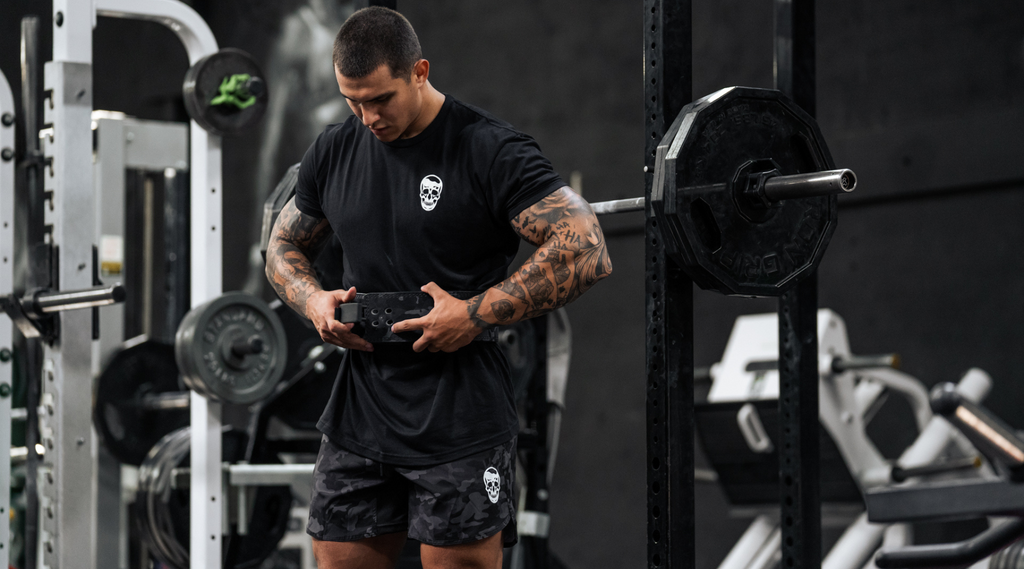
- Lifting belts: Protect the back during heavy lifting.
- Compression sleeves: Improve blood flow and help with recovery.
People often choose accessories based on their training style or injury prevention needs.
13. Smartwatches And Fitness Trackers
Smartwatches and fitness bands are now common on gym wrists. They track heart rate, calories burned, steps, and even the type of exercise. While not required, they can motivate you and provide useful feedback.
Popular brands include Apple, Garmin, and Fitbit. These devices are designed to handle sweat and movement, but always check if your model is gym-friendly.

Credit: www.converse.com.au
How Gym Outfits Change By Workout Type
What you wear can depend heavily on the activity you’re doing. The needs of a runner, a powerlifter, and a yoga enthusiast are very different. Let’s look at how gym wear changes across popular exercise styles.
Cardio Workouts
For running, cycling, or using machines like treadmills and ellipticals, gym-goers usually choose:
- Lightweight tops (tank or t-shirt)
- Shorts or leggings
- Breathable socks
- Running shoes
Moisture management is critical during cardio because you sweat a lot. Look for fabrics that dry quickly and don’t stick to your skin.
Strength Training
Those focused on lifting weights or resistance exercises prefer:
- Fitted tops (to see form in the mirror)
- Shorts or joggers that don’t restrict movement
- Training or lifting shoes for a stable base
- Optional: Gloves, wrist wraps, knee sleeves
Clothing that’s too loose can be a safety risk around weights and machines.
Group Classes
For classes like HIIT, Zumba, or spin:
- Stretchy, quick-drying tops and bottoms
- Secure sports bra for support
- Cross-training shoes for lateral movement
- Headband to manage sweat
Many people in group classes like bold colors or patterns for motivation and fun.
Yoga And Pilates
Comfort and stretch are priorities:
- Soft, high-waisted leggings or capris
- Fitted tank top or t-shirt
- Bare feet or grip socks
- Sports bra with light to medium support
Avoid zippers, buttons, or anything that could dig into your back during floor poses.
Outdoor Activities
If you take your workout outside:
- Layered clothing for temperature changes
- Sunglasses or hats for sun protection
- Windbreaker or rain jacket if needed
Weather can change fast, so being prepared is important.
Gender Differences In Gym Wear
While many items are unisex, there are key differences in how men and women dress for the gym.
Men’s Gym Wear
- T-shirts or tank tops (often sleeveless for comfort)
- Shorts or joggers
- Compression wear under shorts for support
- Supportive shoes matched to activity
- Less likely to wear leggings, but compression tights are growing in popularity
Some men choose oversized tops for style, while others prefer fitted shirts to monitor muscle movement.
Women’s Gym Wear
- Sports bras (often visible, sometimes as outerwear)
- Leggings, capris, or shorts
- Fitted tops—crop tops are popular for style and cooling
- Layering is common (jacket or hoodie over workout gear)
- Headbands or scrunchies for hair
Women often choose high-waisted leggings for comfort and support, and may focus more on color and patterns.

Credit: www.tuffwraps.com
Factors To Consider When Choosing Gym Wear
Making the right choice involves more than just picking what looks good. Here’s what matters most:
1. Comfort
If your clothes are uncomfortable, you won’t want to work out. Look for:
- Flat seams to prevent chafing
- Stretchy fabrics for free movement
- Waistbands and straps that don’t dig in
Try moving around in the changing room to check fit.
2. Breathability
Gyms get hot quickly. Choose materials that let air flow and dry quickly. Avoid heavy cotton for intense workouts.
3. Fit
Clothes should be fitted but not tight. Baggy clothes can get caught on equipment; tight ones can restrict movement. Check how the outfit moves with your body.
4. Durability
Cheap gym clothes often fall apart after a few washes. Look for reinforced stitching and high-quality fabric.
5. Purpose
Match your outfit to your activity. Running shoes are bad for lifting; lifting shoes are bad for running. If you do many activities, cross-trainers are a safe bet.
6. Style
While function comes first, style still matters. Wearing something you like can boost motivation. Many brands offer bold patterns or classic looks.
7. Hygiene
Wash gym clothes after every use. Bacteria and sweat can build up quickly, leading to odor or skin irritation.
What Not To Wear To The Gym
It’s just as important to know what to avoid. Here are common mistakes:
- Jeans: Not flexible, heavy, and can damage gym equipment.
- Sandals or flip-flops: Dangerous around weights and machines.
- Jewelry: Rings, necklaces, and bracelets can catch on equipment and cause injury.
- Clothes with zippers or studs: Can scratch benches or dig into your skin during certain movements.
- Too much perfume or cologne: Heavy scents can bother others in a small space.
- Baggy clothes: May get caught in machines or hide your form, increasing injury risk.
- Re-worn gym clothes: Sweat and bacteria can cause skin issues and odor.
The Role Of Brands And Trends
Some people prefer to wear famous brands for style, comfort, or motivation. Popular gym brands include Nike, Adidas, Under Armour, Lululemon, Gymshark, and Reebok. These brands often use advanced materials and offer a wide size range.
Trends change over time, but some current styles include:
- Bright, bold colors and patterns
- Matching sets (top and bottom in the same color)
- High-waisted leggings
- Oversized hoodies
- Retro sneakers
However, you don’t need expensive brands to perform well. Fit, comfort, and function are always more important than the logo on your shirt.
Cost Comparison Of Gym Wear
Prices can vary widely depending on material, brand, and quality. Here’s a general idea:
| Item | Budget | Mid-Range | Premium |
|---|---|---|---|
| Athletic Top | $10-$20 | $20-$40 | $50+ |
| Leggings/Shorts | $15-$25 | $30-$60 | $70+ |
| Sports Bra | $15-$25 | $30-$50 | $60+ |
| Athletic Shoes | $30-$60 | $70-$120 | $130+ |
Non-branded or store-brand options can perform as well as expensive gear if you check the quality.
Maintenance And Care Tips
Taking care of your gym wear means it will last longer and stay comfortable.
- Wash after every use: Prevents odor and bacteria.
- Avoid fabric softener: It can block moisture-wicking properties.
- Air dry when possible: High heat can damage elastic fibers.
- Check for wear: Replace items with holes, stretched waistbands, or worn soles.
Non-obvious insight: Wash gym clothes inside out to protect the outer layer and keep colors bright.
Cultural And Social Aspects
What people wear to the gym can also be influenced by culture, religion, and social trends. In some places, modesty is important, and gym-goers wear long sleeves and pants. In others, crop tops and shorts are common. Some gyms have dress codes for safety or cultural reasons, so always check before you go.
There’s also a growing trend toward body positivity, with more brands offering plus-size options and diverse models. Wearing what makes you comfortable is always most important.
Technology In Gym Clothing
Modern gym wear often includes advanced technology:
- Moisture-wicking fabrics: Pull sweat away from your body.
- Anti-odor treatments: Prevent bacteria growth and smell.
- Compression technology: Helps muscles recover faster.
- Smart clothing: Some items track heart rate or movement.
These features can make your workout experience better, but always balance technology with comfort.
How To Build A Gym Wardrobe
You don’t need to buy everything at once. Start simple and add as needed:
- Two to three tops
- Two pairs of shorts or leggings
- One sports bra (if needed)
- One pair of athletic shoes (matched to your main activity)
- A hoodie or jacket
- A few pairs of socks and suitable underwear
As you get more experienced, you’ll learn what works best for your body and workout style.
Real-life Examples
- Sarah, a beginner, started with basic leggings and a t-shirt. After a few weeks, she switched to moisture-wicking tops because cotton got heavy with sweat.
- James lifts weights and noticed wrist pain. He added wrist wraps, which improved his comfort and strength.
- Maria attends group classes and loves bold matching sets because they boost her confidence.
These examples show that your needs may change as your routine does.
Comparing Gym Wear By Activity
To help you match your outfit to your workout, here’s a quick comparison:
| Activity | Top | Bottom | Shoes | Key Accessories |
|---|---|---|---|---|
| Cardio | Moisture-wicking T-shirt | Shorts/Leggings | Running Shoes | Headband, Watch |
| Strength Training | Fitted Tank | Joggers/Shorts | Training Shoes | Wrist Wraps, Belt |
| Yoga | Soft, Fitted Top | Leggings | Barefoot/Grip Socks | Mat, Hair Tie |
| HIIT | Quick-drying Top | Compression Shorts | Cross-Trainers | Water Bottle, Towel |
Gym Wear For Special Needs
Some gym-goers have unique needs:
- Plus-size clothing: Many brands now offer inclusive sizing with the same features as standard sizes.
- Adaptive clothing: Designed for people with disabilities, with easy closures and extra support.
- Maternity gym wear: Offers support for changing bodies and growing bellies.
- Religious considerations: Some brands offer hijabs, long sleeves, or looser fits for modesty.
No matter your need, there is gym wear designed for you.
How To Choose The Best Gym Shoes
Shoes deserve extra attention because the wrong pair can lead to pain or injury. Here’s what to check:
- Fit: There should be a thumb’s width between your toes and the end of the shoe.
- Support: Match the shoe to your activity—running, lifting, or cross-training.
- Breathability: Mesh panels help keep feet cool.
- Cushioning: Enough for impact, but not so much that you lose stability.
- Sole grip: Important for classes or activities with quick movements.
Replace shoes regularly, especially if you feel new aches or notice worn tread.
Credit: www.gymreapers.com
The Environmental Impact Of Gym Wear
Most gym clothes are made from synthetic fibers like polyester, which are durable but not always eco-friendly. Some brands now use recycled materials or promote clothing recycling programs. If sustainability matters to you, look for brands with environmental certifications or buy second-hand.
Always wash clothes in cold water to save energy.
For more on eco-friendly athletic wear and tips on sustainable choices, see this NY Times guide to eco-friendly workout clothes.
Frequently Asked Questions
What Should A Beginner Wear To The Gym?
A beginner should focus on comfort and function. Start with a moisture-wicking t-shirt, athletic shorts or leggings, supportive sports bra (if needed), athletic shoes, and comfortable socks. Avoid cotton if you sweat heavily, and don’t wear loose jewelry or street shoes.
Can I Wear Regular Clothes To The Gym?
Regular clothes like jeans, casual t-shirts, and sandals are not suitable for the gym. They can restrict movement, cause discomfort, or even be unsafe. Always choose clothing designed for exercise to help you move freely and stay safe.
How Often Should I Replace Gym Wear?
Replace gym shoes every 300-500 miles or when you notice less support. Replace sports bras and leggings every 6-12 months, depending on wear and washing frequency. If you see holes, stretched bands, or lost elasticity, it’s time to replace.
Do I Need Expensive Brands For Gym Clothing?
No, you do not need expensive brands to get quality gym wear. Focus on fit, material, and comfort. Many budget options offer the same performance as premium brands if you choose wisely.
How Do I Care For Gym Clothes To Make Them Last?
Wash gym clothes after every use, inside out, in cold water. Avoid fabric softener, as it can reduce moisture-wicking properties. Air dry when possible, and check for signs of wear like stretched waistbands or faded fabric.
---
Choosing what to wear to the gym can feel overwhelming, but with the right guidance, it becomes simple. Focus on comfort, fit, and matching your gear to your workout. Start small, learn what works for you, and don’t be afraid to try new styles or brands.
The right gym wear can boost your confidence and help you enjoy every workout.
