

What Clothes to Wear to an Interview: Ultimate Guide for Success
Nailing your interview starts long before you answer the first question—it begins with what you wear. Your outfit says a lot about you before you even speak.
So, how do you choose the perfect clothes that boost your confidence and make a great impression? You might feel unsure about what’s right for the job or worried about standing out for the wrong reasons. This guide will clear up all that confusion and help you pick the exact clothes that match your role and personality.
Keep reading, and you’ll discover simple, effective tips that can give you a real edge on interview day.
:max_bytes(150000):strip_icc()/interview-outfits-for-women-2061091_final1-5b731abbc9e77c0050999743.png)
Credit: www.medimasro.cz
Choosing The Right Outfit
Choosing the right outfit for an interview matters a lot. Your clothes create the first impression before you even speak. The right outfit shows respect for the company and the role you want. It also boosts your confidence. Picking what to wear depends on several things. This guide helps you find the best balance.
Researching Company Culture
Start by learning about the company culture. Check their website and social media pages. Look for photos of employees and events. Notice if they wear formal suits or casual clothes. This helps you match their style. Dressing like their team shows you fit in.
Considering Industry Norms
Every industry has its own dress code. Law firms expect formal suits. Tech companies often prefer smart casual. Creative fields may allow more relaxed outfits. Know the usual style in your field. This keeps your look professional and right for the job.
Balancing Formal And Casual
Find a middle ground between too formal and too casual. A simple blazer with clean pants works well. Avoid loud colors or too many accessories. Choose neat and comfortable clothes. This balance shows you are serious but approachable.

Credit: www.microcomenviro.com
Men’s Interview Attire
Men’s interview attire sets the tone for a strong first impression. Dressing well shows respect and professionalism. It boosts confidence and helps you feel prepared. Choosing the right outfit depends on the job and company culture. Keep your look clean, simple, and neat. Avoid loud patterns and flashy colors. This section covers classic suit options, shirt and tie combos, and shoes with accessories.
Classic Suit Options
Choose a suit in navy, charcoal, or black. These colors suit most professional settings. Pick a suit that fits well but is comfortable. Avoid shiny or overly textured fabrics. Two-button suits offer a timeless look. Single-breasted jackets look sharp and modern. Make sure the pants have a straight cut. Iron your suit before the interview. Wrinkles can distract and look careless.
Shirt And Tie Combinations
Wear a plain white or light blue shirt. These colors are safe and professional. Ensure the shirt is clean and well-pressed. Pair your shirt with a solid or subtly patterned tie. Avoid bright colors or busy designs. Keep the tie knot neat and centered. Match your belt color with your shoes. Tuck your shirt fully into your pants for a tidy look.
Shoes And Accessories
Choose black or brown leather shoes. Oxfords or loafers fit most interviews. Make sure your shoes are polished and clean. Wear dark socks that match your pants. Keep accessories minimal. A simple watch and belt work well. Avoid flashy jewelry or strong cologne. Clean grooming completes your professional image.
Women’s Interview Attire
Choosing the right clothes for a job interview can boost confidence and create a great first impression. For women, selecting professional and neat attire shows respect for the company and the role. Clothes should be clean, pressed, and fit well. Comfort matters too, so avoid anything too tight or too loose. Keep colors neutral or soft to maintain a polished look.
Professional Dress Choices
A tailored dress is a simple and effective option. Choose solid colors like navy, black, or gray. Avoid flashy patterns or bright colors that distract. The dress length should be at or just above the knee. Sleeveless dresses are acceptable if paired with a blazer or cardigan. The goal is to look smart and approachable.
Blouses And Skirts Or Pants
A blouse with a skirt or pants offers flexibility and style. Pick a blouse in soft colors such as white, light blue, or beige. Avoid low necklines or see-through fabrics. Pair the blouse with a pencil skirt or straight-leg pants. The skirt should be knee-length. Pants should be ironed and fit well. This combination works for many office settings.
Shoes And Jewelry Tips
Shoes should be closed-toe and low-heeled. Black, brown, or nude colors suit most outfits. Avoid high heels or open sandals. Jewelry must be simple and minimal. Small earrings and a watch work well. Skip large, noisy, or colorful pieces. The focus stays on your skills, not your accessories.
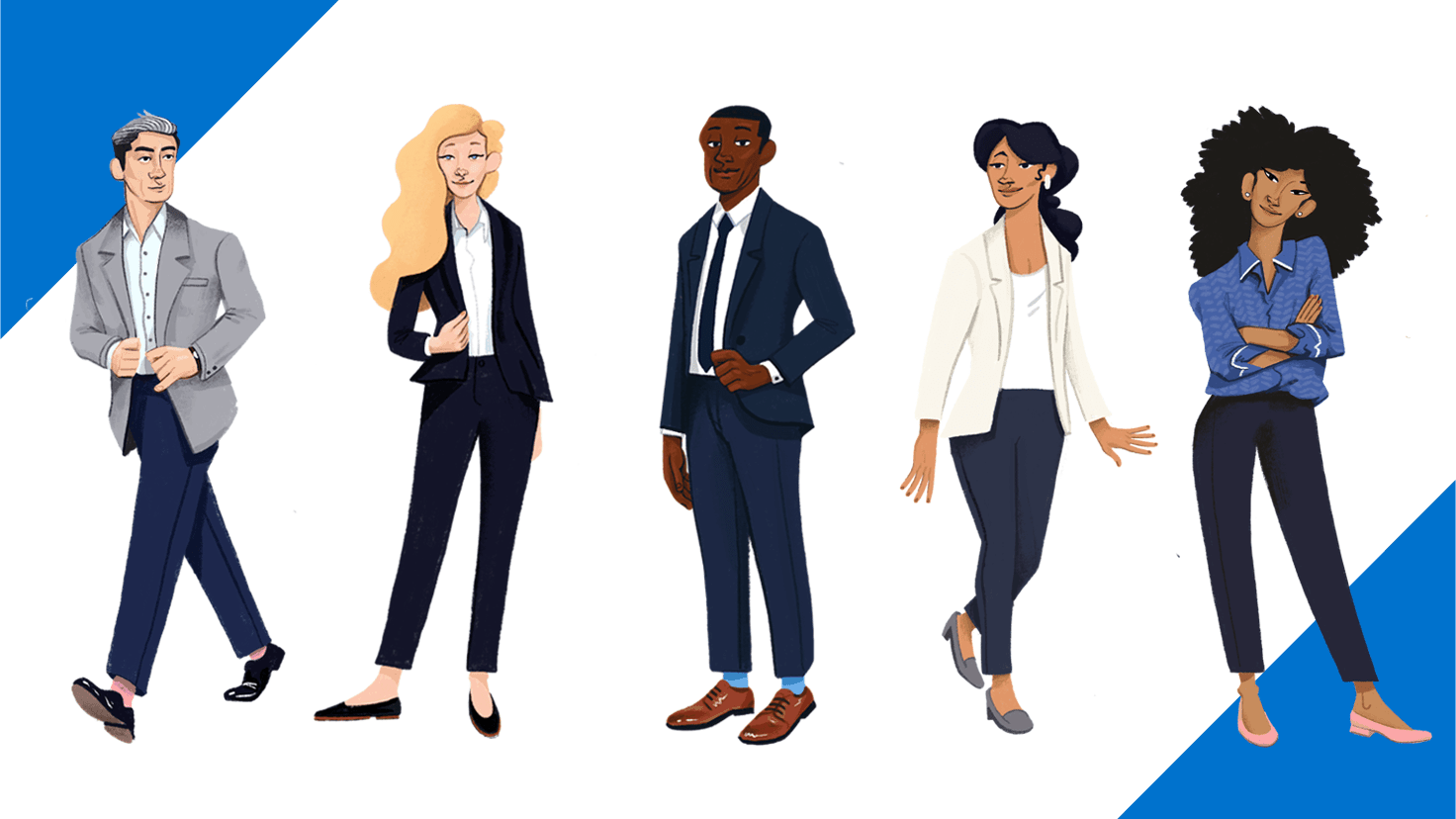
Credit: chambre-hotes-deffend-vieux.fr
Dressing For Different Job Roles
Dressing right for an interview depends on the job you want. Different jobs need different styles. Choosing the correct outfit shows respect and helps you fit the role. It also boosts your confidence and makes a good first impression.
Corporate Positions
Corporate jobs ask for formal clothes. Men can wear a suit with a tie. Women should choose a smart dress or a pantsuit. Stick to neutral colors like black, navy, or gray. Keep accessories simple and shoes clean. Avoid bright colors and flashy patterns.
Creative Fields
Creative jobs allow more freedom in dressing. You can wear trendy or casual clothes. Bright colors and unique styles are fine. Show your personality through your outfit. But keep it neat and professional. Avoid clothes that look too messy or sloppy.
Technical Roles
Technical jobs need practical and clean clothes. Business casual is often the best choice. Men can wear a button-down shirt with slacks. Women can pick a blouse with a skirt or pants. Avoid jeans and t-shirts. Make sure your clothes are tidy and fit well.
Retail And Service Jobs
Retail and service roles focus on neat and friendly appearance. Choose simple, clean clothes that fit well. Polo shirts or plain tops with khakis or slacks work well. Avoid flashy accessories or strong perfumes. Comfortable shoes are important for long hours.
Grooming And Personal Care
Grooming and personal care play a big role in making a good first impression at an interview. Clean, neat, and simple looks show respect and professionalism. Good grooming helps you feel confident and ready to answer questions clearly. Employers notice small details. These details can help you stand out for the right reasons.
Hair And Makeup
Keep your hair clean and styled neatly. Avoid loud colors or extreme styles. Choose a look that matches the job type. Makeup should be light and natural. Use soft colors to highlight your features. Avoid heavy or bright makeup. The goal is to look fresh and well-groomed, not flashy.
Nail Care
Trim your nails before the interview. Make sure they are clean and smooth. Avoid bright or chipped nail polish. Neutral or clear polish works best. Well-kept nails show attention to detail. They suggest you care about your overall appearance.
Fragrance Use
Use perfume or cologne sparingly. Strong scents can distract or bother others. A light touch is enough to smell pleasant. Choose mild, fresh fragrances. Avoid heavy or overpowering smells. A subtle scent adds to your polished look without taking focus away.
Common Mistakes To Avoid
Choosing the right clothes for an interview is important. Many people make simple mistakes that hurt their chances. Avoiding these errors helps you look confident and professional. Here are some common mistakes to watch out for.
Overdressing Or Underdressing
Wearing clothes that are too formal can make you seem out of place. On the other hand, dressing too casually shows a lack of effort. Find a balance that fits the company culture. Research the workplace dress code before the interview.
Wearing Distracting Clothing
Bright colors or loud patterns take attention away from you. Avoid flashy accessories or strong perfumes. Keep your outfit simple and neat. This helps the interviewer focus on your skills and answers.
Ignoring Comfort
Uncomfortable clothes can make you nervous or distracted. Tight shoes or itchy fabrics cause discomfort. Choose clothes that fit well and feel good. Comfort lets you focus on the interview, not your outfit.
Tips For Last-minute Preparation
Last-minute interview preparations can be stressful. A well-planned outfit boosts confidence and creates a good first impression. Small details matter. Use these tips to get ready quickly and look sharp.
Outfit Planning Checklist
- Choose clean, wrinkle-free clothes.
- Pick neutral colors like black, navy, or gray.
- Wear simple shoes that match your outfit.
- Check that accessories are minimal and neat.
- Make sure your clothes fit well and feel comfortable.
- Prepare a belt or tie if needed.
- Have a backup outfit ready just in case.
Emergency Clothing Fixes
- Carry a small stain remover pen.
- Keep safety pins for quick repairs.
- Use double-sided tape for loose hems.
- Bring a lint roller to clean your clothes.
- Have a travel-size wrinkle releaser spray.
- Keep a small sewing kit for emergencies.
Packing For On-site Interviews
- Pack your outfit in a garment bag to avoid wrinkles.
- Include an extra shirt or blouse.
- Bring a pair of comfortable shoes for travel.
- Keep accessories in a small pouch.
- Carry a water bottle and light snacks.
- Have a copy of your resume and notes.
Frequently Asked Questions
What Is The Best Outfit For A Job Interview?
Choose professional, clean, and well-fitted clothes. A suit or blazer with a button-up shirt works well. Avoid flashy colors and opt for neutral tones like black, navy, or gray.
How Should I Dress For A Casual Interview?
Wear smart casual attire, such as tailored pants or a skirt with a neat blouse or shirt. Avoid jeans, sneakers, and overly casual items. Keep your look polished yet comfortable.
Can I Wear Accessories To An Interview?
Yes, but keep accessories minimal and tasteful. Simple jewelry and a classic watch are good choices. Avoid anything noisy, flashy, or distracting to maintain a professional appearance.
Should I Wear A Tie To A Job Interview?
Wearing a tie depends on the company culture. For formal industries, a tie is recommended. For creative or casual workplaces, ties are optional but can still enhance your look.
Conclusion
Choosing the right clothes helps you feel confident and ready. Clean, neat, and simple outfits work best for interviews. Match your clothes to the job and company style. Avoid clothes that are too bright or too casual. Good appearance shows respect and seriousness about the job.
Remember, first impressions can shape the whole interview. Dress smartly, smile, and stay calm. Your outfit is part of your message. Dress well, and let your skills do the rest.
