

What Clothes are Business Casual: Your Essential Style Guide
What Clothes Are Business Casual
Business casual is a dress code that many companies use. It sits between formal business attire and casual, everyday clothes. Understanding what counts as business casual is important if you want to look professional and fit in at work. Some people struggle with this dress code, because it can feel confusing.
How do you know if your outfit is too casual or too formal? The answer is not always clear, but this guide will help you make smart choices.
Business casual gives you freedom, but also expects you to maintain a neat, clean look. You can wear clothes that are comfortable, but they should still show respect for your workplace. In this article, you’ll learn what business casual really means, see examples for men and women, and get tips to avoid common mistakes.
You’ll also find comparison tables to help you understand what works and what doesn’t. By the end, you’ll feel confident about dressing business casual every day.
What Does Business Casual Mean?
Business casual is a blend of professional and relaxed styles. You don’t need a suit and tie, but you shouldn’t wear jeans with holes or T-shirts with logos. The goal is to look polished, but not stiff. Business casual can be different depending on your company, industry, and location.
Key Elements Of Business Casual
- Professional look: Your clothes should be clean, ironed, and free of stains.
- Comfortable fit: You can move easily, but your outfit is not too loose or sloppy.
- Neutral colors: Most business casual clothes use colors like navy, gray, black, beige, or white.
- Simple patterns: Stripes, checks, or small prints are fine, but avoid bold or flashy designs.
- Closed-toe shoes: Sandals and flip-flops are usually not allowed.
- No shorts or mini skirts: Pants, skirts, and dresses should cover your legs to a reasonable degree.
Business casual is popular because it helps employees feel comfortable, while still looking ready to work. According to a survey by the Society for Human Resource Management, about 50% of companies in the US use business casual as their dress code.
This shows how common and important it is.
Business Casual For Men
Men have many options for business casual. The best choices depend on the company’s culture, but the basics stay the same.
Shirts
- Button-down shirts: Long-sleeve or short-sleeve, in solid colors or simple patterns.
- Polo shirts: A neat polo, not too tight or loose, is often accepted.
- Sweaters: Worn over a shirt or alone, in neutral colors.
Avoid T-shirts, tank tops, and shirts with big logos.
Pants
- Dress pants: Slacks made from cotton, wool, or blends are ideal.
- Chinos: A popular choice, as they look smart but feel comfortable.
- Dark-colored jeans: Some workplaces allow jeans if they are dark, clean, and have no holes.
Shorts and athletic pants are not business casual.
Shoes
- Loafers: Leather or suede, simple style.
- Oxfords: More formal, but work well in business casual settings.
- Dress boots: Clean, polished boots can fit the dress code.
- Sneakers: Only if they are plain, dark, and without flashy logos.
Avoid sandals, flip-flops, and athletic shoes.
Accessories
- Belts: Match your belt to your shoes.
- Watches: Simple, classic designs.
- Ties: Optional, but not required.
Many men wonder about ties. In business casual, you don’t need one, but you can wear a tie if you want to look more polished.
Comparison: Business Casual Vs. Business Formal For Men
Here is a simple table showing the differences:
| Item | Business Casual | Business Formal |
|---|---|---|
| Shirt | Polo or button-down | Dress shirt with tie |
| Pants | Chinos, dress pants | Suit pants |
| Jacket | Optional | Matching suit jacket |
| Shoes | Loafers, dress boots | Oxfords, formal dress shoes |
| Tie | Optional | Required |
Examples Of Men’s Business Casual Outfits
- Navy chinos, white button-down shirt, brown loafers.
- Gray dress pants, light blue polo, black belt, black dress boots.
- Dark jeans, pale sweater, simple watch.
A common mistake is wearing clothes that are too casual, like graphic T-shirts or shorts. Another is not paying attention to fit. Clothes should not be too tight or too baggy. If you’re unsure, choose a classic button-down shirt and chinos.
This is always safe.

Credit: www.wikihow.com
Business Casual For Women
Women’s business casual has more variety, but the main ideas are similar. You want to look neat, comfortable, and professional.
Tops
- Blouses: Solid colors or simple patterns.
- Knit tops: Sweaters, cardigans, or pullover tops in neutral shades.
- Button-down shirts: Always a good choice.
Avoid spaghetti straps, deep necklines, or flashy prints.
Pants And Skirts
- Dress pants: Straight or tailored fit, in navy, black, or gray.
- Chinos: Comfortable and polished.
- Skirts: Knee-length or longer, pencil or A-line style.
- Dresses: Simple designs, not too tight or short.
Leggings and shorts are not business casual unless worn under a long top.
Shoes
- Flats: Closed-toe, in leather or suede.
- Low heels: Comfortable and not too high (2 inches or less).
- Dress boots: Simple, classic boots are fine.
Avoid flip-flops, very high heels, or bright athletic shoes.
Accessories
- Jewelry: Simple, not too flashy.
- Scarves: Neutral colors, small patterns.
- Handbags: Medium-sized, structured bags.
Comparison: Business Casual Vs. Business Formal For Women
This table highlights the differences:
| Item | Business Casual | Business Formal |
|---|---|---|
| Top | Blouse, sweater | Blouse with blazer |
| Pants | Chinos, dress pants | Matching suit pants |
| Skirt/Dress | Knee-length, simple | Pencil skirt or formal dress |
| Shoes | Flats, low heels | Classic pumps |
| Accessories | Simple jewelry | Minimal, classic jewelry |
Examples Of Women’s Business Casual Outfits
- Black dress pants, cream blouse, gray flats.
- Navy skirt, pale blue sweater, simple necklace.
- Beige chinos, patterned cardigan, leather handbag.
A non-obvious tip: Many women forget about layering. A cardigan or blazer can help you look more polished and handle different office temperatures. Also, avoid very tight or short clothes. Even if your company is relaxed, it’s best to stay modest.
Unisex Business Casual Choices
Some items work for everyone, regardless of gender. These are especially useful if you don’t want to worry about traditional clothing rules.
Blazers
A blazer adds structure to any outfit. You don’t need a matching suit, but a single-color blazer can make jeans or chinos look business casual.
Sweaters
A neat sweater, worn over a shirt or alone, works well. Choose wool, cotton, or blends in neutral colors.
Scarves
Small scarves or wraps can add color without being too bold.
How To Build A Business Casual Wardrobe
Building a business casual wardrobe does not have to be expensive or difficult. Focus on basics and add items over time.
Start With Essentials
- White button-down shirt
- Navy or black chinos
- Simple sweater
- Closed-toe shoes
- Blazer
Buy quality basics in neutral colors. These items mix well and last longer.
Mix And Match
Business casual is flexible. You can create many outfits from a few pieces. For example, a white shirt, navy pants, and brown loafers work for both men and women. Change the sweater or shoes to get a new look.
Practical Tips
- Check your company’s dress code. Some offices allow jeans, others don’t.
- Choose clothes that fit well. Tailored pants and shirts look better.
- Avoid clothes with wrinkles, stains, or holes.
- Keep accessories simple.
- Use color carefully. Stick to one or two colors per outfit.
A common mistake is buying too many trendy items. Trends change, but basics last. Invest in classic pieces first.
Business Casual Vs. Smart Casual Vs. Casual
Business casual is not the same as smart casual or casual. Here’s a comparison table to help you see the differences:
| Dress Code | Allowed Items | Not Allowed | Formality Level |
|---|---|---|---|
| Business Casual | Chinos, button-down shirts, blouses, closed-toe shoes | Shorts, flip-flops, graphic T-shirts | Medium |
| Smart Casual | Dark jeans, polos, casual jackets, stylish shoes | Sportswear, very informal clothes | Medium-Low |
| Casual | T-shirts, jeans, sneakers, shorts | Formal shoes, dress pants | Low |
Business casual is more formal than smart casual and much more formal than casual.
Mistakes To Avoid With Business Casual
Even experienced workers can make mistakes. Here are some common errors:
- Wearing athletic clothes: Gym wear is not business casual.
- Showing too much skin: Keep necklines, skirts, and tops modest.
- Wearing wrinkled clothes: Always iron your shirt and pants.
- Using bold prints or colors: Stick to simple patterns and neutral colors.
- Wearing dirty or old shoes: Shoes should be clean and polished.
- Wearing shorts, ripped jeans, or flip-flops.
- Over-accessorizing: Simple jewelry and watches work best.
A less obvious mistake: Not checking how your outfit looks from behind or when sitting down. Sometimes clothes can ride up, or skirts can look shorter when you sit. Always check in a mirror before leaving home.
Business Casual For Different Industries
Business casual changes depending on your job and location.
Tech Companies
Tech offices often allow dark jeans, sneakers, and T-shirts with a blazer. Still, avoid sloppy or dirty clothes.
Finance And Law
Here, business casual means button-down shirts, dress pants, and closed-toe shoes. Jeans and sneakers are usually not allowed.
Creative Fields
Advertising and design companies may allow bold colors and patterns, as long as the clothes are neat and clean.
Healthcare And Education
Teachers and healthcare staff often wear khakis, polos, or blouses. Comfort is important, but clothes should remain professional.
Regional Differences
In big cities, business casual is usually more formal. In smaller towns, people may dress more relaxed. Always check what others wear before choosing your outfit.
Choosing Colors And Patterns
Business casual usually uses neutral colors. Navy, gray, black, beige, and white are safe choices. You can add a pop of color, like a blue shirt or green scarf, but avoid neon or very bright colors.
Patterns should be simple. Stripes, checks, or small dots are fine. Large prints or logos are not business casual.
Seasonal Choices
In summer, lighter fabrics like cotton or linen work well. In winter, wool or blends are better. You can wear brighter colors in spring, but keep them soft, not flashy.
Business Casual For Remote Work
Many people work from home now. Should you dress business casual? It depends on your company, but dressing well helps you feel more professional and confident.
For video calls, wear a button-down shirt or blouse, even if you are wearing jeans or shorts off-camera. Simple sweaters and neat hair make a good impression.
A non-obvious insight: Your clothes affect your mood. Dressing business casual at home can help you focus and feel ready for work.
Caring For Business Casual Clothes
To keep your clothes looking good:
- Wash shirts and pants in cold water to avoid fading.
- Iron or steam clothes before wearing.
- Use shoe polish to keep leather shoes fresh.
- Hang clothes on hangers to prevent wrinkles.
- Store sweaters folded to avoid stretching.
Many people forget about shoe care. Polished shoes make a big difference to your overall look.
Where To Buy Business Casual Clothes
Many stores offer business casual clothes. You don’t have to spend a lot of money to look good.
- Department stores: Offer a wide range of brands and styles.
- Online shops: You can find deals and reviews.
- Outlet stores: Good for discounts on basics.
- Second-hand shops: Quality items at lower prices.
When shopping, try clothes on before buying. Make sure they fit and feel comfortable.
For more tips on business casual shopping, you can read helpful guides at WikiHow.

Credit: plattar.com
Business Casual For Special Occasions
Sometimes, your company will have events like team meetings, presentations, or after-work gatherings. For these, you can add a blazer or choose a dress shirt. You don’t need to be formal, but you should look more polished than usual.
If you’re meeting clients, choose classic colors and avoid bold prints. For parties, a neat sweater or smart dress is enough.
Frequently Asked Questions
What If I’m Not Sure My Outfit Is Business Casual?
If you’re unsure, choose a button-down shirt, dress pants, and closed-toe shoes. Avoid jeans, shorts, and T-shirts. You can always check with your manager or HR. It’s better to be slightly more formal than too casual.
Can I Wear Jeans For Business Casual?
Some companies allow dark, clean jeans with no holes. Always check your office rules. If jeans are allowed, pair them with a neat shirt and dress shoes.
Are Sneakers Business Casual?
Most business casual dress codes do not allow sneakers. Some tech companies accept plain, dark sneakers. Avoid bright colors, logos, or athletic styles.
Is Business Casual Different For Men And Women?
Yes, but the basics are similar. Both should wear clean, neat clothes in neutral colors. Women have more options for skirts and dresses, while men focus on pants and shirts.
How Do I Know What My Company Expects?
Look at what your coworkers wear, check the employee handbook, or ask your manager. Dress codes can be different for every company and region.
Business casual can feel tricky at first, but with practice, you’ll find the right balance. Choose simple, neat clothes in neutral colors, and avoid anything too casual or flashy. If you focus on basics and fit, you’ll always look professional and ready for work.
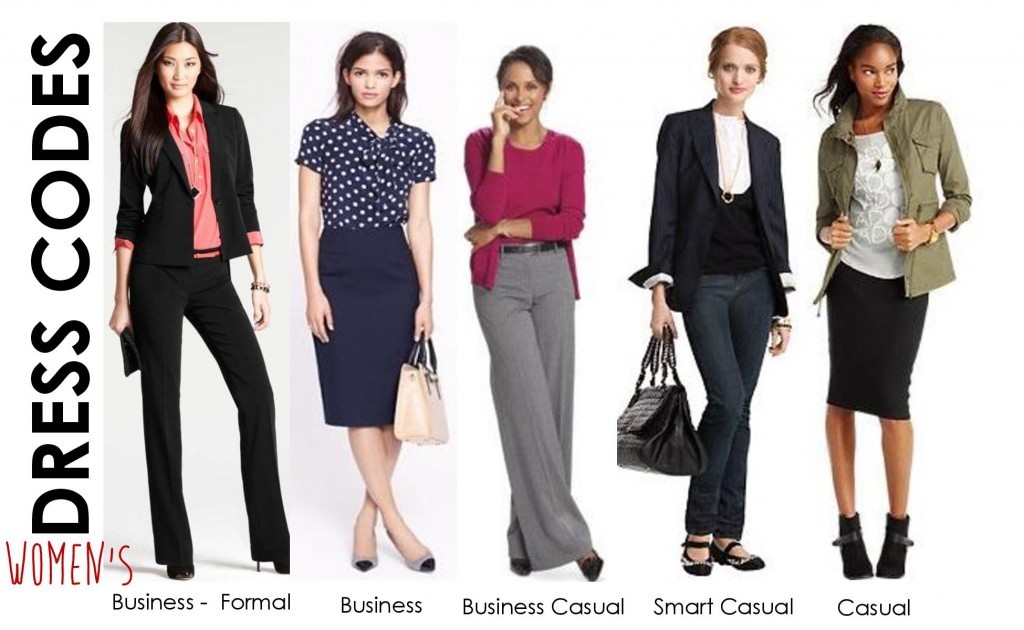
Credit: gardner-webb.edu
