

What Business Casual Shoes to Wear for Effortless Office Style
What Business Casual Shoes
Finding the right pair of business casual shoes can feel confusing. You want to look sharp, but not too formal. You need comfort, but you also want style. The shoes you wear send a message about who you are at work.
They help you feel confident and comfortable throughout your day. For many people, business casual shoes are the bridge between formal dress shoes and relaxed sneakers. They combine professional style with everyday practicality.
But what exactly counts as business casual? Which shoes fit this category? How do you choose the right pair for your office, your personal style, or your budget? This guide will answer all these questions and more. You’ll learn what makes a shoe business casual, see the most popular styles, get practical tips for choosing and maintaining them, and discover mistakes to avoid.
Whether you’re new to professional dressing or want to upgrade your look, this article will help you find the perfect business casual shoes.
Defining Business Casual Shoes
Business casual is not just a single style—it’s a balance. The main goal is to look professional without being too formal. The shoes should be clean, comfortable, and stylish, but not flashy. Let’s break down what makes a shoe “business casual.
”
Key Features Of Business Casual Shoes
- Material: Most business casual shoes use leather, suede, or high-quality synthetics. These materials look polished and last longer than fabric or canvas.
- Color: Neutral colors like black, brown, tan, and gray are common. Bright colors or patterns are rare in business settings.
- Design: Simple designs without excessive decoration are best. Avoid shoes with too many zippers, straps, or logos.
- Comfort: Business casual shoes often have cushioned soles and flexible construction for all-day wear.
- Toe Shape: Rounded or slightly pointed toes work well. Very square or exaggerated points are less common.
- Heel: Low to medium heels for women; flat or slight heel for men. High heels or platform soles are not typical.
Business Casual Vs. Formal And Casual Shoes
To understand business casual shoes, it helps to see how they compare to formal and casual shoes. Here’s a quick comparison:
| Type | Main Features | Common Materials | Typical Colors |
|---|---|---|---|
| Formal Dress Shoes | Glossy, structured, minimal design | Polished leather, patent | Black, brown |
| Business Casual Shoes | Clean, comfortable, subtle style | Leather, suede, synthetics | Black, brown, tan, gray |
| Casual Shoes | Relaxed, flexible, colorful | Canvas, rubber, fabric | Wide range |
Business casual shoes sit between the stiff, shiny look of formal shoes and the relaxed, playful style of casual shoes.
Most Popular Business Casual Shoe Styles
Many styles fit the business casual category. Let’s look at the most common types, for both men and women.
Men’s Business Casual Shoes
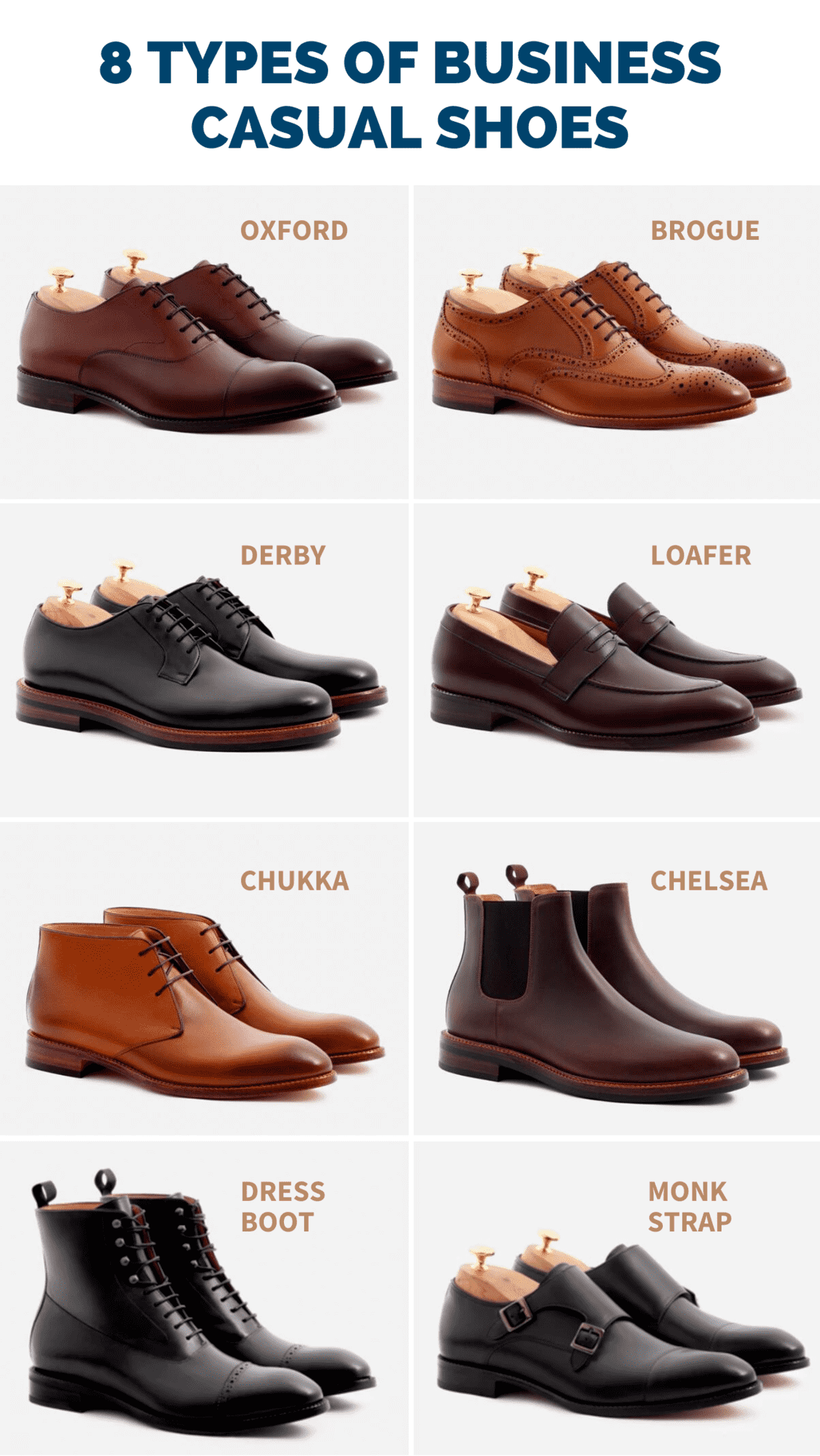
- Loafers: Easy to slip on, loafers come in leather or suede. They work with chinos, dress pants, and even jeans.
- Derby Shoes: Similar to oxfords, but with open lacing. They look sharp but are less formal than classic dress shoes.
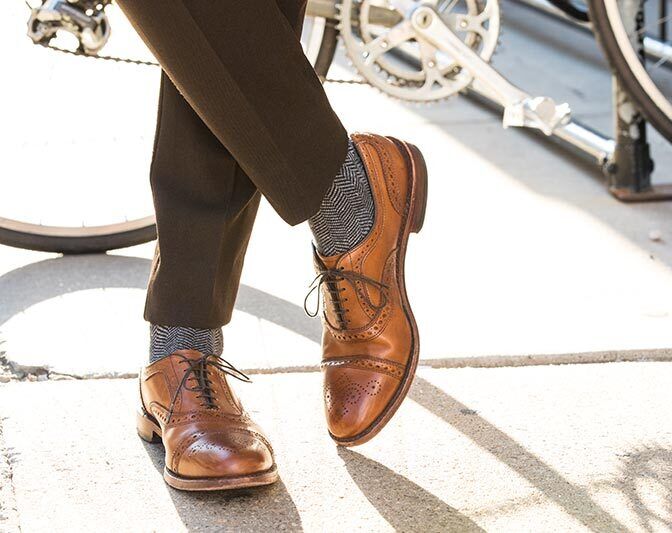
- Brogues: Featuring decorative perforations, brogues add subtle flair without being flashy.
- Monk Straps: These shoes have a buckle instead of laces. They’re unique but still professional.
- Chelsea Boots: Ankle-high, elastic-sided boots. They fit well with business casual trousers.
- Chukka Boots: Short boots with two or three eyelets. Suede chukkas are especially popular.
- Dress Sneakers: Clean, minimalist sneakers in leather or suede. Avoid sporty designs.
Women’s Business Casual Shoes
- Ballet Flats: Simple, comfortable, and easy to match with skirts or pants.
- Loafers: Popular for women too, especially in softer colors or patent finishes.
- Block Heels: Low to medium heels offer height without sacrificing comfort.
- Oxfords: Lace-up shoes, sometimes in softer colors or materials.
- Ankle Boots: Sleek designs, usually with low heels, are common in business casual outfits.
- Dress Sandals: Closed-toe or peep-toe sandals with simple straps, not too high.
- Mules: Slip-on shoes with open backs, often with a slight heel.
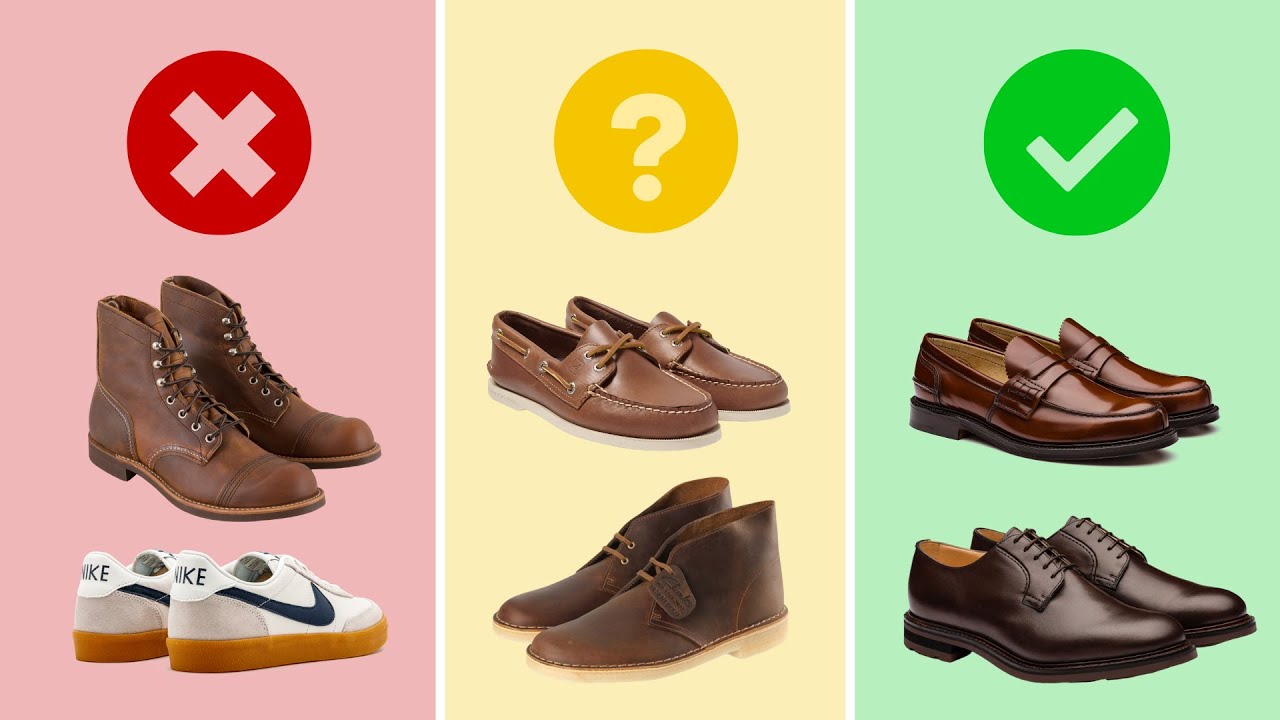
Styles To Avoid
Some shoes look nice but are not suitable for business casual:
- Athletic sneakers
- Flip-flops
- Very high heels
- Brightly colored or patterned shoes
- Outdoor boots (e.g., hiking boots)
Credit: hespokestyle.com
Choosing The Right Business Casual Shoes
Selecting business casual shoes is not just about style. You need to think about your office environment, your comfort, and your budget. Here’s how to make the best choice.
Match Shoes To Your Workplace
Workplaces have different business casual standards. In some offices, dress sneakers are fine. In others, only classic loafers or oxfords are acceptable. Look at what your coworkers wear and check your company’s dress code.
Fit And Comfort
You’ll wear these shoes for hours, so comfort matters. Try shoes on at the end of the day when your feet are largest. Walk around and check for tightness, pressure points, or slipping.
- Arch support: Choose shoes with good arch support, especially if you stand or walk a lot.
- Breathability: Leather and suede allow airflow. Synthetic materials sometimes trap heat.
Durability And Maintenance
Quality shoes last longer and look better. Leather shoes can last for years with proper care. Suede is stylish but needs protection from water and stains.
- Sole quality: Rubber soles are comfortable and durable. Leather soles look elegant but can wear out faster.
- Water resistance: If you live in a rainy area, pick shoes with water-resistant materials.
Price Range
Business casual shoes come in every price range. You can find good options from $50 to $300 or more. Often, mid-range brands offer the best balance of quality and value.
| Price Range | Typical Materials | Expected Lifespan | Example Brands |
|---|---|---|---|
| $50-$100 | Synthetic, basic leather | 1-2 years | Dockers, Clarks |
| $100-$200 | Full-grain leather, suede | 3-5 years | Rockport, Cole Haan |
| $200+ | Premium leather, hand-crafted | 5+ years | Allen Edmonds, Johnston & Murphy |
When To Invest In Higher Quality
If you wear business casual shoes every day, it’s smart to invest in a higher-quality pair. Shoes that cost more often use better materials and construction, which means less pain and more durability.
Common Buying Mistakes
- Ignoring comfort: Style matters, but uncomfortable shoes ruin your day.
- Buying cheap shoes: Low-quality materials can wear out quickly and look sloppy.
- Choosing trendy designs: Trends fade. Classic styles stay professional.
- Not checking dress codes: Some workplaces have strict rules.
- Skipping proper sizing: Shoes that are too tight or loose cause blisters.
Business Casual Shoe Care And Maintenance
Taking care of your business casual shoes helps them last longer and look better. Here are practical steps for shoe care.
Basic Maintenance Steps
- Clean regularly: Wipe shoes with a soft cloth after each wear.
- Condition leather: Use a leather conditioner every month to prevent drying and cracking.
- Protect suede: Spray suede shoes with a water-repellent spray before wearing.
- Polish as needed: Use shoe polish to restore color and shine.
- Store properly: Use shoe trees or stuff with paper to maintain shape.
Handling Common Issues
- Scuffs: Rub gently with a pencil eraser or use a special shoe cleaner.
- Odor: Sprinkle baking soda inside shoes overnight to absorb smells.
- Wet shoes: Dry with paper towels and keep away from direct heat.
Advanced Tips
- Rotate pairs: Don’t wear the same pair every day. Let shoes air out between wears.
- Replace soles: If the sole wears out, a cobbler can replace it for a fraction of the cost of new shoes.
- Repair damage: Small tears or loose stitching can be fixed by a professional.
Business Casual Shoes For Different Seasons
Business casual shoes change with the weather. Some are better for summer, others for winter.
Summer
- Loafers: Lightweight and breathable.
- Dress sandals: Closed-toe or peep-toe with simple straps.
- Ballet flats: Stay cool and comfortable.
Winter
- Chelsea boots: Keep feet warm and dry.
- Chukka boots: Good for colder temperatures.
- Block-heeled ankle boots: Stylish and practical for women.
Rainy Days
- Water-resistant loafers
- Rubber-soled boots
- Avoid suede unless protected
Business Casual Shoes And Outfit Pairing
Pairing shoes with your outfit is key to looking polished.
Men
- Loafers with chinos and a button-down shirt.
- Derby shoes with dress pants and a blazer.
- Chelsea boots with slim trousers and a sweater.
Women
- Ballet flats with a pencil skirt and blouse.
- Block heels with trousers and a tailored jacket.
- Ankle boots with dark jeans and a cardigan.
Non-obvious Pairing Tips
- Match the shoe color to your belt or bag for a unified look.
- Use contrast: Lighter shoes with darker pants make your outfit pop.
- Avoid mixing formal shoes with casual outfits (e.g., oxfords with jeans).
Comfort And Health Benefits
Many people overlook the health impact of shoes. Poorly chosen shoes can cause pain or injury.
Why Comfort Matters
- Foot support: Cushioned soles and arch support prevent fatigue.
- Posture: Proper shoes help keep your posture correct.
- Joint health: Shoes that fit well reduce stress on knees and hips.
Signs Of Good Business Casual Shoes
- No pain after a full day of wear.
- No blisters or calluses.
- Feet feel supported and stable.
A study found that office workers who wore well-fitting shoes had 30% fewer complaints of foot and back pain. This shows how much comfort matters for long-term health.
Sustainability And Ethical Choices
Shoe production can impact the environment. Many brands now offer sustainable options.
Eco-friendly Materials
- Vegetable-tanned leather: Uses fewer chemicals.
- Recycled synthetics: Reduces waste.
- Organic cotton linings: Better for sensitive skin.
Ethical Brands
Some companies pay fair wages and use safe materials. Check for certifications like Fair Trade or Leather Working Group.
Why It Matters
Choosing eco-friendly shoes helps the planet and supports ethical labor. It’s a small change that can make a big difference.
Credit: www.themodestman.com
Trends In Business Casual Shoes
Even business casual shoes evolve. Here are some trends worth knowing.
Current Trends
- Minimalist sneakers: Clean lines, neutral colors.
- Hybrid shoes: Mix of dress and casual features.
- Sock-like loafers: Flexible, comfortable, and easy to wear.
- Vegan materials: More brands now offer animal-free options.
What Stays Timeless
- Classic loafers
- Simple oxfords
- Chelsea boots
Trends change, but classic styles remain professional year after year.
Business Casual Shoes For Different Foot Types
Not all feet are the same. Choosing shoes for your foot shape can improve comfort.
Wide Feet
Look for brands that offer wide sizes. Loafers and chukkas often fit wide feet better.
Flat Feet
Choose shoes with arch support. Many dress sneakers and loafers have built-in support.
High Arches
Soft insoles and flexible soles help reduce pressure. Avoid shoes with very stiff construction.
Non-obvious Insight
Many people don’t realize that shoe brands fit differently. Trying several brands can help you find a better match for your feet.
Credit: www.youtube.com
How To Shop For Business Casual Shoes Online
Online shopping is convenient, but you can’t try shoes on before buying. Here are tips to help.
- Check return policies: Make sure you can return or exchange shoes easily.
- Read reviews: Look for feedback about comfort, sizing, and durability.
- Measure your feet: Use a tape measure and compare to brand charts.
- Look for real photos: User photos show true colors and fit.
- Order two sizes: If unsure, order your usual size and one size up.
Avoid Common Online Mistakes
- Don’t rely only on brand reputation. Some brands run small or large.
- Avoid buying shoes with no reviews or photos.
Business Casual Shoes For Travel
Business trips require shoes that are versatile and comfortable.
Features To Look For
- Slip-on design: Easy for airport security.
- Durable soles: Handle walking and different surfaces.
- Lightweight: Won’t add bulk to your luggage.
Packing Tip
Stuff socks or small items inside shoes to save space and help shoes keep their shape.
How To Break In New Business Casual Shoes
New shoes can cause blisters and discomfort. Breaking them in helps.
- Wear shoes at home for short periods.
- Use thick socks to stretch tight areas.
- Apply blister pads to sensitive spots.
- Walk on carpet first to avoid scuffing.
Non-obvious Insight
A shoe stretcher or professional stretching service can make a big difference for tough spots.
Business Casual Shoes And Workplace Image
Your shoes can affect how others see you.
- Clean, polished shoes show professionalism.
- Worn-out shoes can hurt your image.
- Unique styles (like monk straps) can make you stand out, but should fit your workplace culture.
Research from Psychology Today shows that people judge others by their shoes, often making assumptions about personality and status. Choose shoes that match your professional goals.
Frequently Asked Questions
What Are The Best Business Casual Shoes For All-day Comfort?
Shoes with cushioned insoles, arch support, and flexible soles are best for all-day wear. Loafers, dress sneakers, and block-heeled ankle boots are popular choices for comfort.
Can I Wear Sneakers As Business Casual?
Yes, but only clean, minimalist sneakers in leather or suede. Avoid athletic or sporty designs. Always check your company’s dress code first.
How Often Should I Clean Business Casual Shoes?
Clean your shoes after every wear with a soft cloth. Deep clean and condition leather monthly. Suede should be brushed weekly and sprayed with a water repellent as needed.
Are Business Casual Shoes Expensive?
Prices range from $50 to over $300. You don’t need to spend a lot, but higher-priced shoes often last longer and feel better.
What Materials Are Best For Business Casual Shoes?
Leather and suede are classic and durable. High-quality synthetics and eco-friendly materials are also good options. Look for breathable linings and sturdy soles.
Choosing the right business casual shoes can boost your confidence and help you feel comfortable at work. Pay attention to fit, style, and workplace culture. With proper care, your shoes will last, look great, and support your daily routine.
