

What Business Casual Looks Like: Modern Style Guide for 2024
What Business Casual Looks Like
Business casual is everywhere today. You see it at offices, job interviews, networking events, and even in some classrooms. But what does business casual really mean? Many people find this style confusing. It’s not as formal as a suit, but it’s not as relaxed as jeans and a T-shirt.
The rules are different from place to place, and even within the same company, people may dress differently. If you are unsure about business casual, you’re not alone.
Understanding business casual is important. It helps you fit in, make a good impression, and feel comfortable at work. This article will guide you through what business casual looks like for men and women. You will learn about key clothing items, colors, fabrics, and how to avoid common mistakes.
Real examples, data, and comparisons will show you what works and what doesn’t. By the end, you’ll know exactly how to build a business casual wardrobe that suits your needs.
What Is Business Casual?
Business casual is a dress code that blends professional and relaxed styles. It allows you to look polished without wearing a full suit. You can mix tailored pieces with comfortable clothing, so you feel confident but not stiff.
There isn’t one clear definition. Different companies and industries have their own standards. In finance or law, business casual is more formal. In tech or creative fields, it’s often more relaxed. The key is to look neat, tidy, and appropriate for work.
A few basic rules:
- Avoid clothing that is too casual (like shorts, ripped jeans, or flip-flops).
- Skip items that are too formal (like tuxedos or evening dresses).
- Aim for clothes that are clean, pressed, and fit well.
A survey by LinkedIn found that 63% of employees prefer business casual over more formal dress codes. It helps people feel comfortable while still looking professional.
Business Casual For Men
Business casual for men offers flexibility, but some guidelines help you choose the right clothes. Let’s break down the essentials.
Shirts
The most common business casual shirt is the collared shirt. This includes:
- Button-down shirts (solid colors or subtle patterns)
- Polo shirts (in good condition, not faded)
- Dress shirts (without a tie)
Avoid graphic T-shirts, tank tops, or shirts with loud prints.
Pants
Men should wear dress pants, chinos, or khakis. These are usually made of cotton or wool blends. Jeans are sometimes allowed, but only if they are dark, clean, and free from holes.
Jackets And Sweaters
You don’t need a suit jacket, but you can wear a blazer or a cardigan for a smart touch. A fine-knit sweater over a collared shirt also works well.
Shoes
Business casual shoes for men include:
- Loafers
- Oxfords
- Brogues
- Clean dress sneakers (in some industries)
Avoid sandals, athletic shoes, or boots that look too rugged.
Accessories
Keep accessories simple. A classic watch, belt, and maybe a tie (if you want) are enough. Avoid flashy jewelry.
Typical Business Casual Outfit For Men
- Light blue button-down shirt
- Navy chinos
- Brown leather loafers
- Optional: Gray cardigan
Real-life Example
John works in marketing. He wears a white button-down shirt, gray chinos, and brown loafers. Sometimes he adds a navy blazer if he has a meeting. He avoids jeans and sneakers unless his manager says they are okay.
Business Casual For Women
Women have more options, but the basics are similar. The goal is to look professional yet comfortable.
Tops
Good business casual tops for women include:
- Blouses (solid colors or simple prints)
- Button-down shirts
- Fine-knit sweaters
- Polo shirts
Avoid tank tops, crop tops, or tops with bold graphics.
Pants And Skirts
Women can wear dress pants, chinos, khakis, or midi skirts. Pencil skirts and A-line skirts are popular choices. Make sure skirts are not too short—usually, knee-length or longer.
Dresses
Dresses are allowed if they look professional. Avoid spaghetti straps, low necklines, or mini lengths.
Jackets And Sweaters
A blazer, cardigan, or sweater can finish the outfit. Avoid oversized hoodies or athletic jackets.
Shoes
Business casual shoes for women include:
- Flats
- Loafers
- Low heels
- Clean dress sneakers (sometimes)
Avoid flip-flops, sandals with thin straps, or shoes that are too casual.
Accessories
Simple jewelry is best—stud earrings, a thin necklace, or a watch. Avoid large, flashy pieces.
Typical Business Casual Outfit For Women
- Navy blouse
- Cream-colored dress pants
- Black ballet flats
- Optional: Tailored blazer
Real-life Example
Sara works in HR. She wears a pale pink blouse, black dress pants, and low-heeled shoes. She keeps her accessories minimal and adds a cardigan on cooler days.
Comparing Business Casual To Other Dress Codes
Sometimes people confuse business casual with other dress codes. Let’s compare them side by side.
| Dress Code | Typical Clothing | Formality |
|---|---|---|
| Business Formal | Suit, tie, dress shoes | High |
| Business Casual | Collared shirt, chinos, loafers | Medium |
| Casual | Jeans, T-shirt, sneakers | Low |
Business casual sits between formal and casual. It gives you freedom but still asks for neat, smart clothing.
Key Business Casual Colors And Fabrics
Color and fabric choices matter. They affect how you look and feel.
Colors
Classic business casual colors are:
- Navy
- Gray
- Beige
- White
- Black
You can add soft shades like pale blue, blush, or olive. Avoid neon or overly bright colors.
Fabrics
Choose fabrics that look polished and last longer:
- Cotton (shirts, chinos)
- Wool blends (pants, sweaters)
- Linen (summer shirts)
- Polyester blends (skirts, dresses)
Avoid fabrics that wrinkle easily or look sloppy, like jersey or thin knits.
Why Fabric Matters
A study by the International Textile Association found that wool blend trousers last 30% longer than pure cotton pants. This means you save money and look sharp longer.
Building Your Business Casual Wardrobe
Starting from scratch? Here’s how to build a solid business casual wardrobe:
- Buy basics first. Get 3–4 shirts, 2–3 pairs of pants, and 1 pair of shoes.
- Add a blazer or cardigan. This helps you look smarter for meetings or events.
- Choose neutral colors. These mix and match easily.
- Pick quality over quantity. Well-made clothes last longer and look better.
- Adjust for your industry. Tech workers may wear clean sneakers; finance workers stick to loafers.
Sample Wardrobe For Men
- 3 button-down shirts (white, light blue, gray)
- 2 pairs of chinos (navy, beige)
- 1 pair of dress pants (gray)
- 1 blazer (navy)
- 2 sweaters (gray, olive)
- 1 pair of loafers
Sample Wardrobe For Women
- 3 blouses (navy, blush, white)
- 2 pairs of dress pants (black, beige)
- 1 midi skirt (gray)
- 1 blazer (black)
- 2 sweaters (cream, pale blue)
- 1 pair of flats
Common Business Casual Mistakes
Many people make small mistakes that affect their look. Avoid these pitfalls:
- Wearing wrinkled clothes. Business casual should be neat. Iron shirts and pants.
- Choosing bright, flashy colors. Stick to classic shades.
- Wearing overly casual shoes. No flip-flops or worn-out sneakers.
- Ignoring fit. Clothes should fit—not too tight, not too loose.
- Showing too much skin. Avoid short skirts, low necklines, or sleeveless tops unless your company allows them.
Non-obvious Insights
- Shoes matter more than you think. A study from Business Insider found that shoes are the first thing people notice in professional settings. Clean, polished shoes help you look trustworthy.
- Fabrics signal professionalism. Choosing wool, cotton, or linen shows attention to detail. Synthetic fabrics can look cheap if not chosen carefully.
Business Casual In Different Industries
Business casual isn’t the same everywhere. Let’s look at how it changes by industry.
Finance And Law
These fields are more formal. Business casual often means:
- Dress shirts and ties (men)
- Blouses and dress pants (women)
- Blazers, closed-toe shoes
- No jeans or sneakers
Tech And Startups
Tech companies are relaxed. Business casual can include:
- Polo shirts, clean jeans
- Dress sneakers, cardigans
- Bright colors sometimes allowed
Creative Fields
Design, marketing, and media allow more expression:
- Patterned shirts, fun accessories
- Trendy shoes
- Smart jeans (no rips)
Healthcare And Education
These sectors focus on comfort and practicality:
- Comfortable pants, sweaters
- Flat shoes
- Simple jewelry
| Industry | Allowed Items | Not Allowed |
|---|---|---|
| Finance | Dress pants, blazers | Jeans, sneakers |
| Tech | Clean jeans, polos | Shorts, flip-flops |
| Creative | Patterned shirts, trendy shoes | Ripped jeans, tank tops |

Credit: www.youtube.com
Business Casual For Remote Work
Remote work has changed office dress codes. Many people choose comfort, but business casual still matters for video calls and online meetings.
Tips For Remote Business Casual
- Wear a collared shirt or blouse for video calls.
- Choose pants or skirts that look good if you stand up.
- Avoid pajamas or old T-shirts.
- Keep your outfit neat—wrinkles show up on camera.
A survey by SHRM found that 54% of remote workers dress business casual for important video calls.
Seasonal Business Casual
Business casual changes with the seasons. Here’s how to adjust your wardrobe:
Spring And Summer
- Light fabrics like cotton and linen
- Short-sleeved shirts or blouses
- Loafers or flats (no sandals)
- Lighter colors (white, beige, pale blue)
Fall And Winter
- Wool or heavier blends
- Sweaters and cardigans
- Closed-toe shoes
- Darker colors (navy, gray, black)
Practical Tip
Layering helps. Start with a shirt or blouse, add a sweater or blazer, and adjust as needed. This keeps you comfortable all year.
Business Casual For Plus Sizes
Finding business casual clothes in plus sizes can be challenging. Here are some tips:
- Look for brands that specialize in plus-size workwear.
- Choose clothes that fit well—avoid items that are too tight or too loose.
- Simple, structured pieces work best.
- Stretch fabrics can help you move comfortably.
A report from the Plus Size Fashion Industry shows that 41% of plus-size women struggle to find business casual clothing. Investing in tailored items pays off.
Business Casual For Different Age Groups
Business casual works for all ages, but style choices may differ.
Young Professionals
- Trendy cuts and colors (within limits)
- Slim-fit pants, modern blouses
- Clean sneakers (if allowed)
Mid-career
- Classic shapes, neutral colors
- Quality fabrics
- Loafers, heels, or flats
Senior Professionals
- Tailored items, traditional colors
- Blazers, dress shoes
- Minimal accessories
No matter your age, focus on clothes that fit, flatter, and suit your workplace.
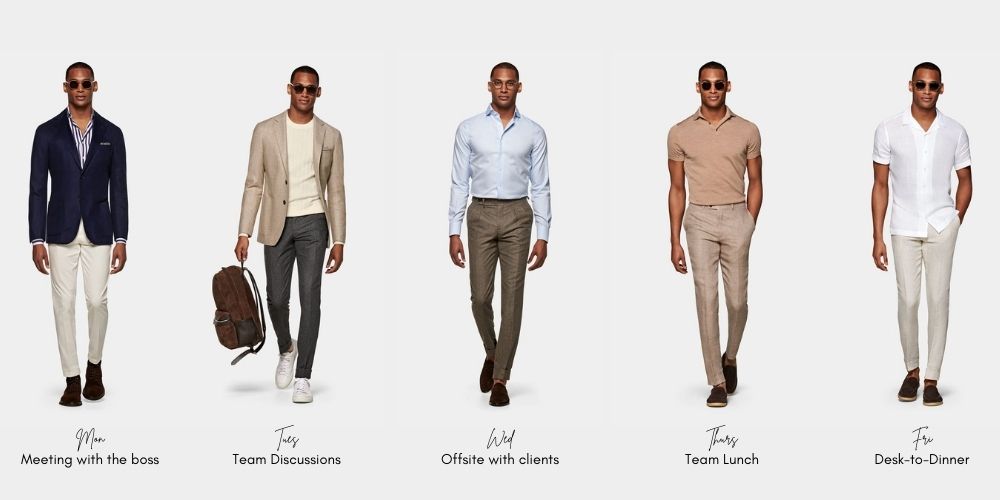
Credit: ardenteal.com
Business Casual For Job Interviews
Job interviews are a special case. Business casual can be tricky—too relaxed looks unprofessional, too formal feels stiff.
How To Dress For Interviews
- Choose a collared shirt or blouse, dress pants, and closed-toe shoes.
- Add a blazer for extra polish.
- Avoid jeans, sneakers, or bright colors.
- Keep accessories simple.
Research from Glassdoor shows that 71% of recruiters recommend business casual for interviews in most industries.
Business Casual For Diversity And Culture
Different cultures have different views on business casual. It’s important to respect company norms and local customs.
- Some cultures expect covered shoulders or longer skirts.
- Patterns and colors may be more or less acceptable.
- Ask HR or observe colleagues to guide your choices.
Non-obvious insight: Modesty matters in some global offices. If you travel for work, pack versatile pieces that adapt to different settings.
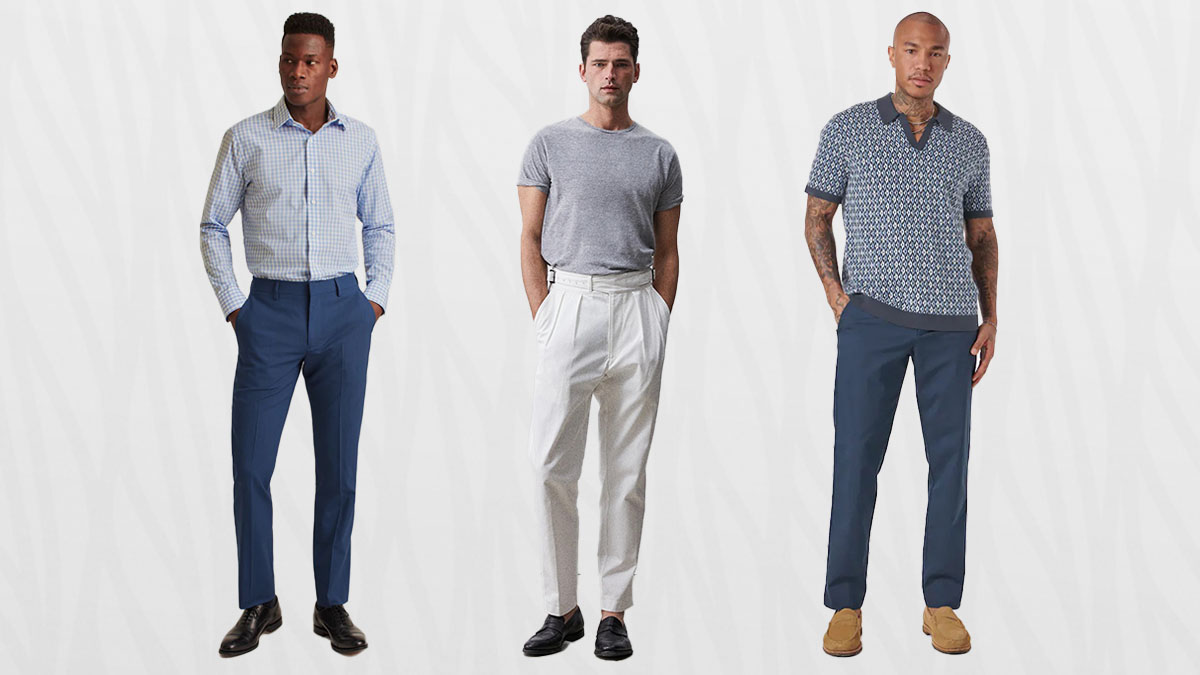
Credit: www.insidehook.com
How To Maintain Business Casual Clothes
Keeping your business casual wardrobe looking good is essential.
Laundry Tips
- Wash shirts and pants in cold water to prevent fading.
- Use gentle cycles for delicate fabrics.
- Iron or steam clothes to remove wrinkles.
Storage Tips
- Hang shirts, blazers, and pants to keep their shape.
- Fold sweaters and knitwear.
- Use shoe racks for dress shoes.
Repair And Care
- Fix loose buttons or hems quickly.
- Polish shoes regularly.
- Replace worn-out items before they look shabby.
A study by the Clothing Care Association found that proper storage increases clothing life by 25%.
Business Casual Accessories And Grooming
Accessories and grooming finish your look. Here’s what matters:
Accessories
- Belts: Match your belt to your shoes.
- Watches: Simple styles work best.
- Bags: Choose a neat tote or briefcase.
Grooming
- Keep hair tidy and clean.
- Avoid strong perfumes or colognes.
- Trim nails and keep hands clean.
Grooming is often overlooked. It shows respect for your workplace and colleagues.
Gender-neutral Business Casual Options
Gender-neutral clothing is growing in popularity. If you prefer unisex styles, focus on:
- Collared shirts, sweaters, and chinos
- Simple blazers and cardigans
- Neutral colors (gray, navy, beige)
- Classic shoes like loafers
Many brands now offer gender-neutral business casual lines. Choose what makes you comfortable and confident.
Business Casual For Travel
Traveling for work means adapting your business casual wardrobe.
Packing Tips
- Choose wrinkle-resistant fabrics.
- Pick items that mix and match.
- Bring one blazer or cardigan.
- Pack two pairs of shoes (one casual, one formal).
On-the-go Tips
- Roll clothes to save space.
- Use travel-size laundry spray.
- Hang up clothes upon arrival.
Research from Expedia shows that 57% of business travelers prefer business casual for meetings and events.
| Travel Item | Benefit | Recommended Fabric |
|---|---|---|
| Blazer | Instant polish | Wool blend |
| Chinos | Comfortable, versatile | Cotton |
| Sweater | Layering for warmth | Cashmere blend |
How To Personalize Business Casual
You can show your personality while staying professional.
- Add a patterned scarf or tie.
- Choose subtle jewelry.
- Pick shirts with small prints.
- Wear shoes in a classic color like burgundy or navy.
But keep it balanced. Too much personality can break the business casual look.
Business Casual And Sustainability
Many companies encourage sustainable choices. You can do this too.
- Buy quality clothes that last longer.
- Choose brands with eco-friendly practices.
- Recycle or donate old clothing.
A report from GreenBiz shows that sustainable business casual brands are growing fast. Look for organic cotton, recycled fabrics, and ethical manufacturing.
Frequently Asked Questions
What Is Not Allowed In Business Casual?
Clothes that are too casual, like shorts, flip-flops, graphic T-shirts, or ripped jeans, are not allowed. Avoid anything that looks messy or unprofessional.
Can I Wear Jeans For Business Casual?
In some workplaces, dark, clean jeans are okay. Avoid light-wash, ripped, or baggy jeans. Always check your company’s dress code first.
Should I Wear A Tie With Business Casual?
A tie is not required for business casual. You can wear one if you want to look more formal, but most business casual looks skip the tie.
Are Sneakers Business Casual?
Dress sneakers can be business casual in some industries, like tech or creative fields. Regular athletic sneakers or flashy styles are usually not allowed.
How Do I Know If My Outfit Is Business Casual?
Ask yourself: Is it neat, tidy, and suitable for work? If your clothes look professional but feel comfortable, you’re probably dressed business casual. When in doubt, observe your colleagues or ask HR.
Business casual is not one-size-fits-all. The best approach is to dress for your company culture and stay polished. With the right clothes, you’ll feel confident and ready for anything.
