

What are Gym Clothes for Men: Essential Styles and Tips
What Are Gym Clothes For Men
Walking into a gym for the first time, you may notice how everyone seems to have their own style. Some men wear loose T-shirts and shorts, others prefer fitted tops and compression tights, and a few might sport branded tracksuits.
But gym clothes for men are about more than just looks. They play a big role in comfort, performance, and even safety during exercise. The right gym wear can help you feel more confident, stay cool, and move with ease through any workout.
Whether you're new to fitness or a regular at the gym, it can be confusing to choose the best clothes for your needs. There are many fabrics, fits, and features to consider. Plus, brands often use words like “moisture-wicking” or “compression” that might not be clear if you’re not familiar with gym gear.
This article explains everything you need to know about gym clothes for men. You'll learn about common types, key features, material choices, fit, style, and much more—so you can pick the right gear and get the most from your workouts.
What Makes Good Gym Clothes For Men?
Choosing the right gym clothes starts with understanding what really matters. Not all workout gear is created equal. Some clothes are designed for intense training, while others are better for light stretching or casual use.
Key Features To Look For
- Breathability: Good gym clothes let your skin breathe. This keeps you cool and helps sweat evaporate.
- Moisture-wicking: These fabrics pull sweat away from your body so you stay dry and comfortable.
- Flexibility: Stretchable materials let you move freely, which is important for exercises like squats, lunges, or yoga.
- Fit: Not too tight, not too loose. The right fit supports your body without restricting movement.
- Durability: Gym sessions can be tough on clothes. Look for strong stitching and quality materials.
- Odor Resistance: Some clothes are treated to prevent bad smells from sweat.
- Easy Care: Most gym clothes should be machine washable and quick to dry.
Why Fit And Comfort Matter
It’s easy to ignore comfort, but ill-fitting clothes can distract you or even cause injury. For example, shorts that ride up or shirts that chafe can make you lose focus. Clothes that are too loose may get caught on equipment, while very tight outfits can limit your range of motion.
The best gym wear feels almost invisible during your workout.
Common Types Of Gym Clothes For Men
Men’s gym wardrobes usually include several types of clothing. Each piece has a purpose, and knowing when to use each one can improve your workout experience.
T-shirts And Tank Tops
These are the basics. T-shirts are the most common gym tops and can be loose or fitted. Tank tops (or sleeveless shirts) offer more ventilation and less restriction in the arms, which is great for lifting weights or cardio.
Shorts
Gym shorts are typically made from lightweight, quick-drying fabric. Some have built-in liners for extra support. The length varies—some prefer shorter shorts for running, while others like longer ones for coverage.
Compression Wear
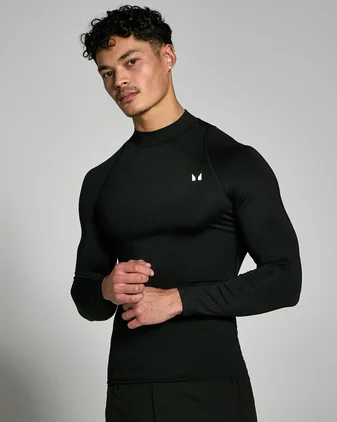
Compression tops and compression tights are made from stretchy, tight-fitting material. They are believed to support muscles, improve blood flow, and reduce muscle soreness after workouts. These can be worn alone or under other clothes.
Joggers And Sweatpants
Joggers are slim-fit pants that taper at the ankle, while sweatpants are looser. Both are good for warming up, stretching, or outdoor activities in cooler weather. Some men wear them for style or comfort.
Hoodies And Jackets
These are for warming up or staying comfortable in cold gyms. Hoodies and lightweight jackets can be removed as your body heats up.
Socks And Underwear
Often forgotten, socks and underwear play a huge role in comfort. Athletic socks wick sweat and cushion your feet. Moisture-wicking underwear prevents chafing and discomfort.
Footwear
Gym shoes are not just for style. The right shoes support your feet, help with balance, and can prevent injury. Running shoes, cross-trainers, and lifting shoes all have different features.
Accessories
Some men use gloves for weightlifting, headbands for sweat control, or arm sleeves for compression. These are optional but can enhance comfort or performance.
Credit: www.afvt.org
Material Choices: What Works Best?
The fabric of your gym clothes affects everything from comfort to performance. Let’s compare popular materials used in men’s gym wear.
| Material | Main Benefits | Common Uses | Drawbacks |
|---|---|---|---|
| Polyester | Quick-drying, lightweight, durable | Shirts, shorts, jackets | Can retain odor |
| Cotton | Soft, comfortable, breathable | T-shirts, sweatpants | Absorbs sweat, dries slowly |
| Nylon | Stretchy, moisture-wicking, strong | Compression wear, shorts | May pill over time |
| Spandex (Lycra/Elastane) | Very stretchable, shape retention | Compression gear, waistbands | Not breathable alone |
| Merino Wool | Natural odor resistance, temperature control | Socks, base layers | Expensive, less durable |
Synthetic Vs. Natural Fabrics
Most modern gym wear uses synthetic fabrics like polyester, nylon, and spandex. They are designed to wick moisture, stretch, and hold their shape after many washes. Natural fabrics like cotton and wool are softer but not as good at handling sweat. Some brands blend both to offer the best of both worlds.
Special Fabric Technologies
Many brands use special fabric treatments, such as:
- Antimicrobial finishes: Prevent bacteria that cause odors.
- UV protection: Shields skin from harmful sun rays during outdoor workouts.
- Ventilated mesh panels: Improve airflow in high-sweat areas.
Not all features are necessary for everyone. If you sweat a lot, prioritize moisture-wicking and odor resistance. For outdoor training, look for UV protection.
Choosing The Right Fit And Style
Finding the perfect gym outfit is about more than just size. The fit and style you choose can help you perform better and feel more confident.
Loose Vs. Fitted
- Loose-fit clothes: Offer more ventilation and are good for hot weather or cardio. However, very baggy clothes can get caught on equipment.
- Fitted clothes: Support your muscles and reduce friction. Compression gear is a type of fitted clothing that hugs your body tightly.
Length And Coverage
Shorts and sleeves come in different lengths. For leg workouts or running, shorter shorts allow greater range of motion. Longer shorts or pants provide more coverage and warmth. Consider your comfort and the gym’s dress code.
Style Preferences
Style is personal. Some men prefer bold colors and big logos; others like neutral tones. The most important thing is to choose clothes that make you feel good and match your personality.
Layering For All Seasons
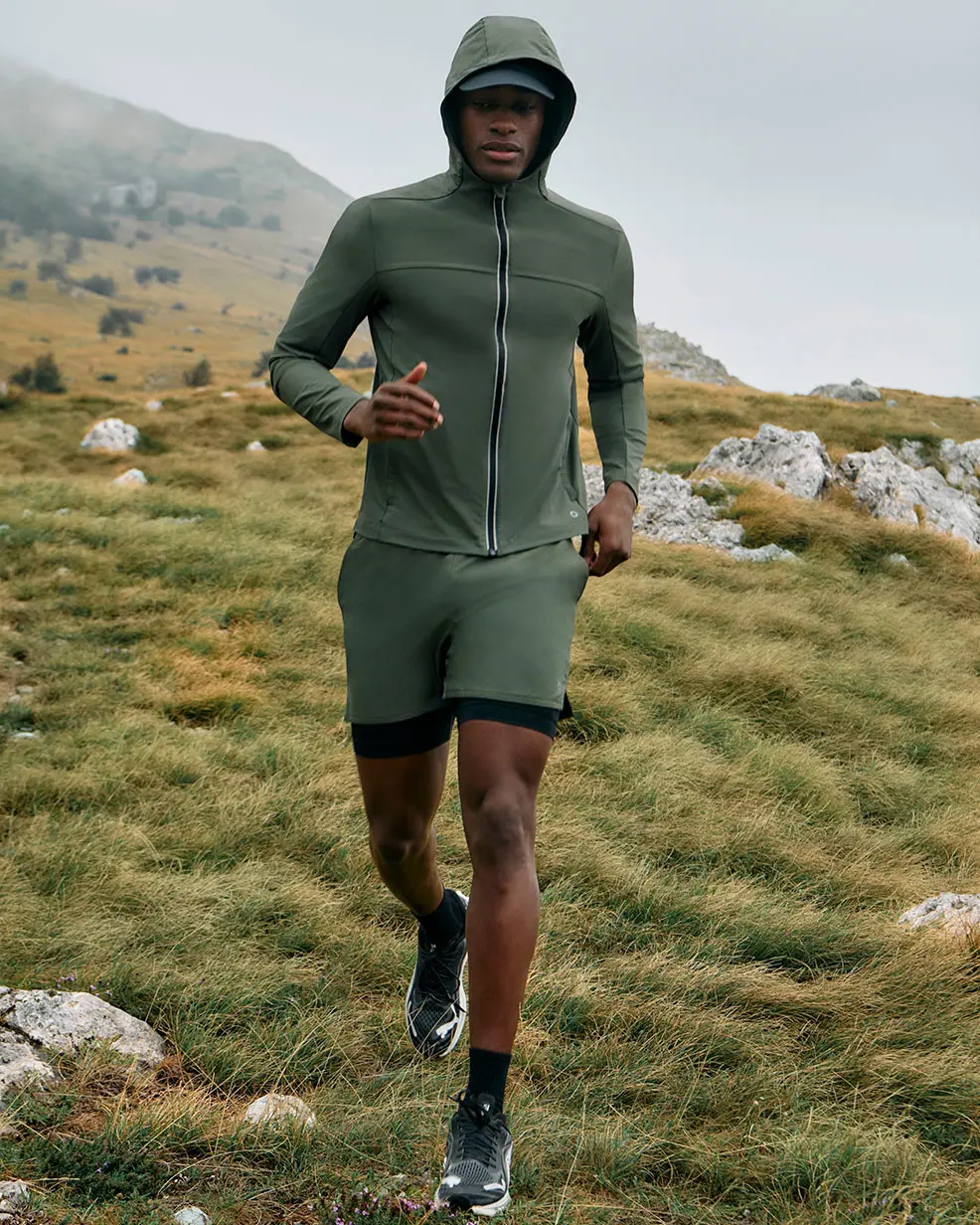
Layering helps you adapt to changing temperatures. Start with a moisture-wicking base layer, add a lightweight middle layer for warmth, and finish with a windproof or waterproof jacket if training outside. Remove layers as you warm up.
How To Choose Gym Clothes For Different Activities
Different workouts need different clothes. Here’s how to match your outfit to your training style.
Weightlifting
- Compression shirts and shorts/tights offer support and help with muscle recovery.
- Fitted T-shirts prevent loose fabric from getting caught on equipment.
- Choose flat seams to avoid chafing.
Cardio
- Lightweight, loose-fitting tops and shorts help with airflow.
- Moisture-wicking fabrics are essential for heavy sweating.
- Running shoes with good cushioning protect your joints.
Yoga And Stretching
- Stretchy, soft fabrics like spandex/nylon blends allow for flexibility.
- Clothes should fit close to the body but not restrict movement.
- Avoid zippers or large pockets that can dig into your skin.
Outdoor Training
- Layered clothing is key for changing weather.
- Look for UV protection and wind-resistant jackets.
- Bright colors or reflective stripes improve visibility.
Group Classes Or Hiit
- Quick-drying, lightweight outfits are best for high-intensity moves.
- Secure pockets for keys or cards if you need them.
- Supportive shoes with grip for fast direction changes.
| Activity | Top Choice | Bottom Choice | Footwear |
|---|---|---|---|
| Weightlifting | Compression shirt | Compression shorts | Flat-soled shoes |
| Cardio | Lightweight T-shirt | Running shorts | Cushioned running shoes |
| Yoga | Stretch-fit tank | Flexible leggings | Barefoot or grip socks |
| Outdoor | Layered jacket | Joggers | Trail shoes |
| HIIT/Group | Moisture-wicking top | Secure shorts | Cross-trainers |
Gym Clothes For Different Body Types
Not everyone has the same body shape, and gym clothes should suit your build. Here’s how to choose the right fit for your body.
Slim Build
- Fitted or slim-cut clothes add shape without looking baggy.
- Layering can help create a more balanced look.
- Avoid oversized tops that hide your physique.
Muscular/athletic Build
- Stretch fabrics accommodate larger muscles.
- Raglan sleeves or dropped armholes give more room in the shoulders.
- Look for “athletic fit” or “muscle fit” labels.
Larger Build
- Choose breathable, looser-fit clothes for comfort.
- Darker colors can create a slimming effect.
- Avoid overly tight clothes that restrict movement.
Tall Or Short
- Tall men: Seek brands with longer inseams and sleeve lengths.
- Short men: Cropped or above-the-knee shorts and fitted tops prevent a boxy look.

Credit: www.menshealth.com
Price Ranges And What You Get
The cost of gym clothes for men can vary widely. Is it worth buying expensive gear, or are budget options just as good?
Budget Options
- Usually made with basic polyester or cotton blends.
- Simple designs, fewer features.
- May wear out faster but are affordable for beginners.
Mid-range
- Better material quality and more features (moisture-wicking, odor control).
- Wider range of fits and styles.
- Good balance of price and performance.
Premium Brands
- Use advanced fabrics and technologies.
- Offer more stylish designs and improved durability.
- Cost more, but often last longer.
Here’s a quick comparison to help you see what to expect at different price points:
| Price Range | Material Quality | Special Features | Durability |
|---|---|---|---|
| Budget | Basic blends | Few | Low to Medium |
| Mid-Range | Performance fabrics | Moisture-wicking, some odor control | Medium to High |
| Premium | Advanced tech fabrics | Multiple features, stylish design | High |
Are Expensive Gym Clothes Worth It?
For casual gym-goers, budget or mid-range clothes are often enough. But if you train regularly or compete, investing in high-quality gym wear may improve comfort, durability, and even performance.
Common Mistakes When Choosing Gym Clothes
Even experienced gym users sometimes make mistakes when picking their outfits. Here are some to avoid:
- Choosing fashion over function: Stylish clothes are nice, but function should come first.
- Ignoring fabric technology: Not all “sportswear” is made for working out. Some are just for looks.
- Wearing old cotton T-shirts: Cotton soaks up sweat and can cause chafing.
- Wrong shoes for the activity: Running shoes are not ideal for weightlifting, and vice versa.
- Overlooking underwear and socks: These are just as important as outerwear for comfort.
How To Care For Gym Clothes
Taking care of your gym clothes helps them last longer and keeps them smelling fresh. Here are some tips:
- Wash after every use: Sweat and bacteria build up quickly.
- Use cold water: Hot water can damage stretchy fabrics.
- Avoid fabric softeners: They can block moisture-wicking properties.
- Air-dry when possible: High heat from dryers can ruin elastic fibers.
- Turn clothes inside out: This helps preserve colors and finishes.
Some gym clothes need special care, so always check the label.
Sustainable And Eco-friendly Gym Wear
More brands now offer eco-friendly gym clothes made from recycled materials or natural fibers. These clothes are designed to reduce environmental impact without sacrificing performance. Look for labels like “recycled polyester,” “organic cotton,” or certifications such as OEKO-TEX and bluesign.
Choosing sustainable gym wear is a small change that can help the planet. These options are getting more affordable and widely available.
Non-obvious Insights For Beginners
- Layering isn’t just for warmth: Even in summer, wearing a lightweight base layer under your T-shirt can help wick sweat away faster, keeping you drier and more comfortable.
- Invest in quality socks: Blisters and sweaty feet are common complaints in the gym. High-quality, moisture-wicking socks can make a surprising difference in your comfort and performance.
- Gym bag essentials: Always keep a spare shirt and pair of socks in your gym bag. Unexpected sweat or spills are common, and changing into fresh clothes can save you discomfort.
- Don’t ignore color: Dark clothes hide sweat marks better, which can boost confidence, especially if you’re self-conscious during intense workouts.
Trends In Men’s Gym Clothes
Gym fashion changes over time, with new styles and technologies appearing regularly.
- Athleisure: Many brands now make gym clothes that look good outside the gym, too. Joggers, fitted hoodies, and sleek T-shirts can be worn for errands or social events.
- Bold prints and colors: While classic black and gray are still popular, more men are choosing bright colors and unique patterns.
- Smart fabrics: Some new gym clothes can track your heart rate or body temperature using built-in sensors.
- Minimalist design: Clean lines and simple logos are trending for a more understated look.
Staying aware of trends helps you choose clothes that fit your style and meet your needs.
Credit: cultec.com
Where To Buy Gym Clothes For Men
You can find gym clothes in many places, from big sports chains to online specialty stores.
- Sports retailers: Offer a wide selection and the chance to try on clothes before buying.
- Brand stores: Nike, Adidas, Under Armour, and others have their own stores and websites.
- Online marketplaces: Amazon, eBay, and specialty fitness sites have extensive options, often with customer reviews.
- Discount outlets: Good for finding deals on last season’s gear.
When shopping online, check size charts and return policies to avoid disappointment.
For more details on choosing quality gym clothes, you can also check Men’s Health.
Frequently Asked Questions
What Is The Best Fabric For Gym Clothes For Men?
Synthetic fabrics like polyester and nylon are usually best for gym clothes. They wick sweat, dry quickly, and stretch well. Cotton feels soft but absorbs moisture and dries slowly, which can be uncomfortable during intense workouts.
How Many Gym Outfits Do I Need?
It depends on how often you work out. Most men need at least two to three sets of gym clothes to rotate between sessions. This gives you time to wash and dry each set.
Can I Wear Regular Clothes To The Gym?
You can, but regular clothes may not offer the same support, comfort, or moisture control as gym-specific wear. Jeans and casual shirts can restrict movement and quickly become uncomfortable when wet with sweat.
Are Compression Clothes Really Helpful?
Compression clothes can help support muscles and may speed up recovery by improving blood flow. Some men also feel less muscle soreness after wearing them. However, they are not essential for everyone.
How Should Gym Clothes Fit?
Gym clothes should be comfortable and allow free movement. Tops should not be so loose that they get in the way, nor so tight that they restrict you. Bottoms should stay in place during exercise without digging into your skin.
The right gym clothes for men are much more than a fashion statement. They are tools to help you perform better, stay comfortable, and feel confident in any workout setting. With so many choices available, focus on what matters most for your body type, training style, and personal taste.
Don’t be afraid to try different fits and materials until you find what works best for you. And remember, taking care of your gym clothes and choosing quality over quantity will always pay off in the long run. With the right gear, every workout becomes a bit easier—and a lot more enjoyable.
