

What are Gym Clothes for Men: Essential Styles and Tips
What Are Gym Clothes For Men
Stepping into a gym for the first time, or even after a long break, can feel intimidating. There’s the equipment, the routines, and the unspoken rules. But before any of that, one question comes up for almost every guy: “What should I wear to the gym?” The answer isn’t as simple as just grabbing an old t-shirt and shorts. Gym clothes for men have evolved into a blend of function, comfort, and even style. Wearing the right gear can help you perform better, avoid injuries, and feel more confident as you train.
This guide will help you understand everything you need to know about men’s gym clothes—from the basics to advanced features, and how to choose what works for you. Whether you’re a complete beginner or someone looking to upgrade your gym wardrobe, you’ll find practical advice, real examples, and tips that most people overlook.
Why Gym Clothes Matter
Choosing the right gym clothes is not just about looking good. The right outfit can make a real difference in your workout. Here’s why:
- Comfort: Clothes that fit well and don’t chafe help you focus on your exercises.
- Performance: Fabrics designed for sweating and movement can improve your range of motion and keep you cool.
- Safety: Proper shoes and support help prevent injuries.
- Confidence: Wearing gear that feels good can boost motivation and keep you coming back.
Many beginners think any clothes will do, but the wrong clothes can make you feel uncomfortable, distracted, or even cause minor injuries like blisters or skin irritation.
Main Types Of Gym Clothes For Men
Men’s gym clothes cover many items, each serving a purpose. The key categories are:
- Tops (t-shirts, tanks, long sleeves)
- Bottoms (shorts, joggers, tights)
- Underwear
- Socks
- Shoes
- Accessories (gloves, hats, gym bags, etc.)
Let’s break down each category and explore what really matters.
Credit: everestkitchennc.com
Gym Tops For Men
T-shirts
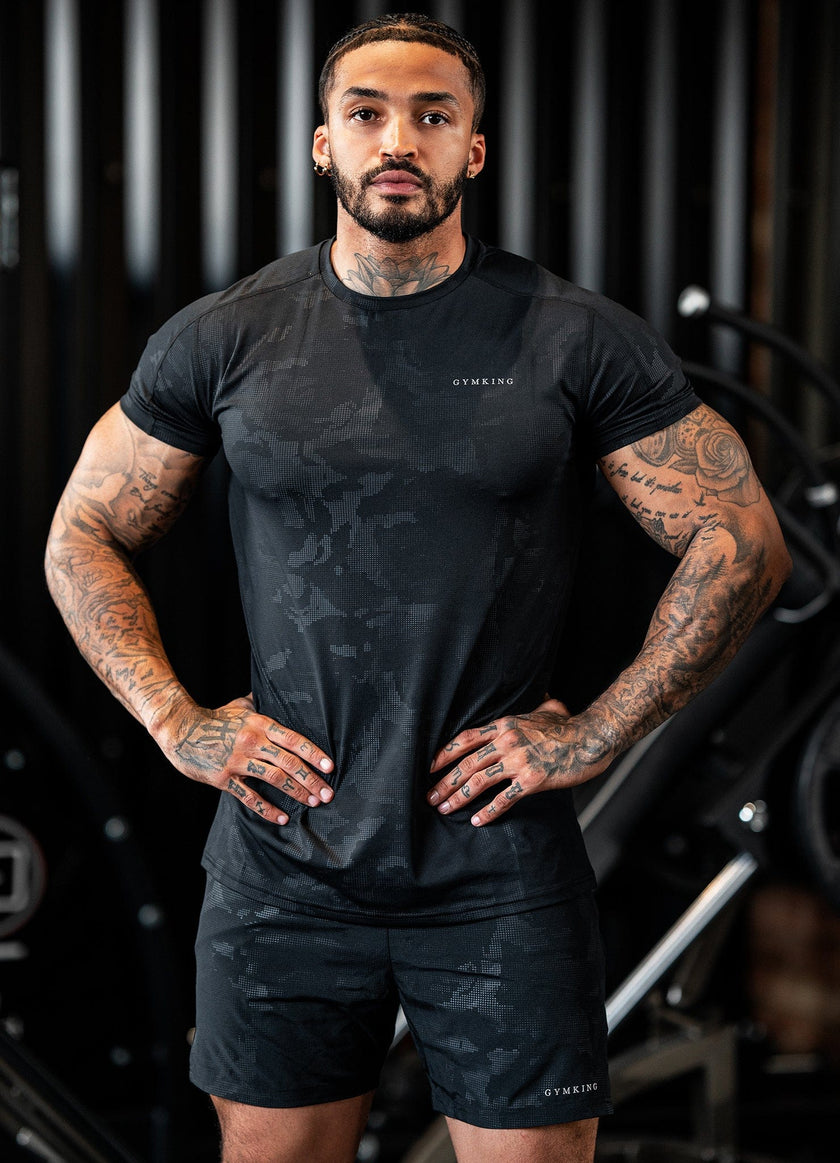
The classic gym top for men is the t-shirt. Modern gym t-shirts are made from materials like polyester, nylon, or blends that wick sweat away from your skin. This keeps you dry and cool.
Some features to look for:
- Moisture-wicking: Pulls sweat away from your body.
- Breathable: Lets air flow, preventing overheating.
- Stretchy: Allows freedom of movement.
Cotton t-shirts, while comfortable, tend to absorb sweat and get heavy during a workout. This can lead to chafing and discomfort. Instead, pick gym t-shirts labeled “performance” or “tech fabric. ”
Non-obvious tip: Dark colors usually hide sweat stains better, but lighter colors reflect heat. Choose based on your workout environment.
Tank Tops
Tank tops are sleeveless shirts that give your arms more freedom. They’re popular for weightlifting because they allow better movement and show your muscle definition.
Ideal for:
- High-intensity training
- Hot gyms or outdoor workouts
- People who sweat a lot
However, some gyms have dress codes that don’t allow tank tops. Always check your gym’s rules.
Long Sleeve Shirts
Long sleeves are good for outdoor workouts, especially in cool weather, or when you want to cover your skin. Many have thumb holes for hand protection and are made from lightweight, breathable fabric.
Non-obvious insight: Thin long sleeves can actually keep you cooler by blocking sunburn and wicking sweat away faster than bare skin.
Compression Tops
Compression shirts fit tight and are made from stretchy material. They support your muscles and may help with blood flow and quicker recovery. Some men wear them as a base layer under t-shirts, while others wear them alone.
Compression tops are great for:
- Running
- HIIT classes
- Weightlifting
But they’re not necessary for everyone. Some people don’t like the tight feeling.
Gym Bottoms For Men
Shorts
Shorts are the most popular gym bottoms for men. Here’s what to look for:
- Length: Usually from mid-thigh to just above the knee. Shorter shorts allow more movement, while longer shorts give more coverage.
- Material: Synthetic fabrics like polyester or blends dry fast and don’t stick to your skin.
- Pockets: Handy for keys or cards, but can get in the way for running or squats.
Hidden downside: Shorts with thick seams or rough edges can cause irritation during repetitive movements.
Joggers
Joggers are slim-fitting sweatpants with elastic cuffs at the ankles. They’re made from soft, stretchy material and are warmer than shorts.
Benefits:
- Good for cool weather or warm-ups
- Less likely to ride up during stretching
- Many styles look good outside the gym too
Some joggers have zippered pockets to keep your phone or keys safe.
Tights (leggings)
Men’s gym tights are tight-fitting pants, usually made from spandex or lycra blends. They support your muscles and keep you warm. Some men wear tights alone, but most prefer them under shorts.
Best for:
- Running in cold weather
- Yoga or mobility exercises
- Extra muscle support
Tip: If you feel self-conscious in tights, wear a pair of shorts on top.
Gym Underwear
This is one area many men overlook. Regular cotton underwear can bunch up, hold sweat, and cause chafing. Instead, choose sports underwear made from moisture-wicking, seamless fabrics. Look for these features:
- Snug fit: Prevents movement and rubbing.
- Breathable material: Keeps you dry.
- Flat seams: Reduces skin irritation.
Some brands add mesh panels for extra airflow. The right underwear can make a big difference in comfort, especially during long workouts.
Gym Socks
Socks may seem simple, but they matter more than you think. Good gym socks can prevent blisters, wick moisture, and keep your feet cool.
Types of gym socks:
- No-show socks: Hidden below the shoe, good for style.
- Ankle socks: Cover the ankle, most common for gym use.
- Crew socks: Go higher up the calf, often used for weightlifting for shin protection.
Look for socks made from synthetic blends or merino wool. Avoid 100% cotton as it traps sweat.
Comparison of sock materials:
| Material | Moisture Control | Durability | Odor Control |
|---|---|---|---|
| Cotton | Poor | Low | Poor |
| Synthetic (Polyester/Nylon) | Excellent | High | Average |
| Merino Wool | Good | High | Excellent |
Don’t forget: Replace gym socks regularly. Worn-out socks lose their cushioning and can cause blisters.
Gym Shoes For Men
Probably the most important item in your gym wardrobe. The right gym shoes can prevent injuries, improve performance, and make your workouts more comfortable.
Types Of Gym Shoes
- Running Shoes: Cushioned for forward motion and shock absorption.
- Training Shoes: Flatter soles and more stable for side-to-side movement, lifting, and classes.
- Lifting Shoes: Very firm sole and raised heel for squats and heavy lifts.
- Minimalist Shoes: Very thin soles to mimic barefoot movement, good for advanced users.
Data shows that wearing the wrong type of shoe increases the risk of injuries like sprains or joint pain.
Shoe type comparison:
| Shoe Type | Best For | Key Feature | Drawback |
|---|---|---|---|
| Running Shoes | Treadmill, Cardio | Cushioning | Unstable for lifting |
| Training Shoes | HIIT, Classes, Machines | Stability | Less shock absorption |
| Lifting Shoes | Squats, Deadlifts | Raised heel, hard sole | Not for running |
| Minimalist Shoes | Bodyweight, Mobility | Natural foot movement | Little protection |
What To Look For In Gym Shoes
- Proper fit: Feet swell during workouts, so try shoes on in the afternoon or evening.
- Breathability: Mesh uppers keep feet cool.
- Flat soles: More stable for lifting.
- Durability: Reinforced areas last longer.
Pro tip: If you do both running and lifting, consider having two pairs—one for each activity. Shoes last longer and give better support.
Gym Accessories For Men
Gym Gloves
Gym gloves protect your hands from blisters and help with grip, especially for weightlifting. They’re made from leather, synthetic fabrics, or a mix.
Benefits:
- Less callus formation on palms
- Improved grip on bars and dumbbells
- Reduced sweat slipping
However, some lifters prefer bare hands for a more natural feel.
Wrist Wraps And Lifting Straps
These are not for beginners, but many men use them as they advance. Wrist wraps support your wrists during heavy lifts, while lifting straps help you hold onto bars when your grip gets tired.
Only use these when needed, so you don’t become too dependent on them.
Hats And Headbands
A hat or headband keeps sweat out of your eyes during cardio or outdoor workouts. Choose lightweight, moisture-wicking materials.
Gym Bags
A good gym bag organizes your gear and keeps sweaty clothes separate from clean items. Features to consider:
- Water-resistant materials
- Shoe compartment
- Separate pocket for wet gear
Water Bottles
Staying hydrated is crucial. Look for bottles that are easy to clean and hold enough water for your session.
Fitness Trackers And Smartwatches
These track steps, heart rate, and calories burned. Not essential, but helpful for motivation and progress tracking.
Comparison of accessories:
| Accessory | Main Purpose | Best For |
|---|---|---|
| Gym Gloves | Hand protection, grip | Weightlifting |
| Wrist Wraps | Wrist support | Heavy lifting |
| Headband | Sweat control | Cardio, running |
| Gym Bag | Carry gear | All gym users |
How To Choose The Right Gym Clothes
Many men make the mistake of copying what they see others wearing. The best gym clothes for you depend on your body, your workouts, and your comfort.
Consider Your Workout
- Cardio and HIIT: Lightweight, moisture-wicking tops and shorts. Training shoes.
- Weightlifting: Compression tops, stable shoes, possibly gloves.
- Yoga or Mobility: Stretchy, fitted clothes that move with your body.
Fit And Sizing
Gym clothes should be snug but not tight. Too-loose clothes can get caught on machines or restrict movement. Too-tight clothes cause discomfort and limit motion.
Tip: Try moving in the changing room—squat, lift your arms, twist. If anything feels restrictive or rides up, try a different size or cut.
Fabric Choices
- Synthetic blends: Best for sweating and frequent use.
- Cotton blends: Soft but better for low-sweat workouts.
- Merino wool: Good for odor control.
Check care labels—some gym clothes need special washing or drying.
Style And Color
While function matters most, style can boost confidence. Many brands now offer modern, stylish options. Pick colors you like, but remember dark colors hide sweat better.
Budget
You don’t need to buy the most expensive brands. Many mid-range options offer great performance. Focus on one or two high-quality items (like shoes or underwear) that matter most.
Season And Environment
Adjust your gear for the gym temperature. In summer, lighter fabrics and shorts. In winter, layer up with long sleeves or joggers.
Mistakes To Avoid When Choosing Gym Clothes
- Wearing old cotton clothes: They soak up sweat and feel heavy.
- Ignoring proper shoes: Wrong shoes can cause injuries.
- Choosing the wrong fit: Too tight or too loose can cause problems.
- Skipping good underwear: Regular underwear can cause chafing.
- Sticking with one outfit: Having at least two sets lets you wash and rotate.
Many beginners buy clothes just because they look good or are on sale. Always think about comfort and function first.

Credit: interprofitness.com
Caring For Your Gym Clothes
High-performance fabrics need the right care to last. Here’s how to keep your gym gear in top shape:
- Wash after every use to prevent odor build-up.
- Use cold water and mild detergent; hot water breaks down fibers faster.
- Avoid fabric softeners—they coat fibers and stop moisture-wicking.
- Hang dry when possible; dryers can shrink or damage elastic materials.
Pro tip: Turn clothes inside out before washing to protect the outer layer.
The Impact Of Good Gym Clothes On Performance
Research shows that what you wear can affect how hard you work. This is known as “enclothed cognition”—the idea that clothes influence your mindset and actions. Men who feel comfortable and confident in their gym gear tend to push harder and stick with their fitness routines.
Example: One study found that compression tops may reduce muscle soreness after heavy workouts. Another showed that proper shoes lower the risk of ankle injuries. These small advantages add up over time.
Sustainable And Eco-friendly Gym Clothes
Many men are becoming aware of the impact their choices have on the environment. Some brands now offer gym clothes made from recycled materials or organic fabrics.
Benefits of eco-friendly gym gear:
- Uses less water and chemicals in production
- Durable, high-quality fabrics
- Fewer microplastics released when washing
If sustainability matters to you, look for certifications or information about the brand’s practices.
Popular Brands For Men’s Gym Clothes
While there are many brands, here are some known for quality and performance:
- Nike
- Adidas
- Under Armour
- Lululemon
- Gymshark
- Reebok
- Uniqlo (budget basics)
Each brand offers different fits, styles, and price points. Try a few to see what feels best for you.

Credit: www.menshealth.com
How To Build A Simple Gym Wardrobe
You don’t need a closet full of gear to get started. Here’s a basic setup:
- 2–3 moisture-wicking t-shirts or tanks
- 2 pairs of gym shorts or joggers
- 2 pairs of sports underwear
- 2–3 pairs of gym socks
- 1 pair of gym shoes (training or running, based on your workout)
- 1 gym bag
- Optional: Gloves, headband, water bottle
As you train more, you can add items based on your needs.
Frequently Asked Questions
What Is The Difference Between Gym Clothes And Regular Clothes?
Gym clothes are designed for movement, sweat, and durability. They use materials that dry quickly, stretch, and prevent chafing. Regular clothes, like cotton t-shirts or jeans, absorb sweat and restrict movement, making them uncomfortable and even unsafe for workouts.
How Often Should I Wash My Gym Clothes?
It’s best to wash gym clothes after every workout. Sweat and bacteria can build up quickly, leading to odors and fabric damage. If you sweat a lot, always wash after use—even if you only wore the item for a short time.
Can I Wear The Same Shoes For Running And Weightlifting?
You can, but it’s not ideal. Running shoes have more cushioning for forward motion but are less stable for lifting. Training shoes are better for lifting and multi-directional movement. If you do both regularly, try to have a pair for each activity.
What Are The Best Fabrics For Gym Clothes?
Synthetic blends like polyester, nylon, and spandex are best for most workouts. They wick sweat, stretch, and last longer. Merino wool is good for socks or base layers because it controls odor. Avoid 100% cotton for high-sweat activities.
Are Expensive Gym Clothes Worth It?
Not always. Many mid-range brands offer great performance. Fit, comfort, and fabric matter more than price. However, investing in high-quality shoes and underwear can make a big difference in comfort and injury prevention.
For more in-depth information about gym clothes technology, you can check this Wikipedia page on sportswear.
Choosing the right gym clothes is a personal journey. Focus on what helps you feel comfortable, supported, and ready to tackle your workout. The right gear is not just about performance—it can boost your confidence and make going to the gym something you look forward to.
With a little smart planning, you’ll find a gym wardrobe that works for you, every time you step through those doors.
