

What Are Gym Clothes Called? Ultimate Guide to Fitness Apparel
What Are Gym Clothes Called
Stepping into a gym, you see people dressed in many types of clothing. Some wear tight shirts, some loose shorts, and some have colorful leggings. You might wonder, “What are gym clothes called? ” This question is simple, but the answer is more complex than you think.
Gym clothes are not just any casual outfit. They are designed for exercise, movement, and comfort. Choosing the right clothes can help you perform better and stay safe. This article will guide you through the names, types, features, and history of gym clothes.
You will learn about the most common terms, what makes gym clothes special, and how to pick the best pieces for your workout.
Gym Clothes: Main Names And Terms
When people talk about gym clothes, they use several names. The main terms include:
- Activewear
- Athletic wear
- Sportswear
- Workout clothes
- Training gear
- Exercise apparel
Each term has its own meaning, but they often overlap. Let’s explore what each term means and how people use them.
Activewear
Activewear means clothing designed for both exercise and daily use. These clothes are comfortable, flexible, and stylish. You can wear activewear in the gym, but also for running errands or relaxing at home. Many brands now make activewear that looks good outside the gym. Examples include yoga pants, joggers, and moisture-wicking t-shirts.
Athletic Wear
Athletic wear is clothing made for sports and physical activity. It focuses on performance, comfort, and safety. Athletic wear includes items like running shorts, basketball jerseys, and training shoes. It is often used for specific sports, but also for general workouts.
Sportswear
Sportswear is a broad term. It covers all clothing for sports, exercise, and outdoor activities. Sportswear can include team uniforms, tracksuits, and even swimwear. It is usually designed to help athletes move freely and stay cool.
Workout Clothes
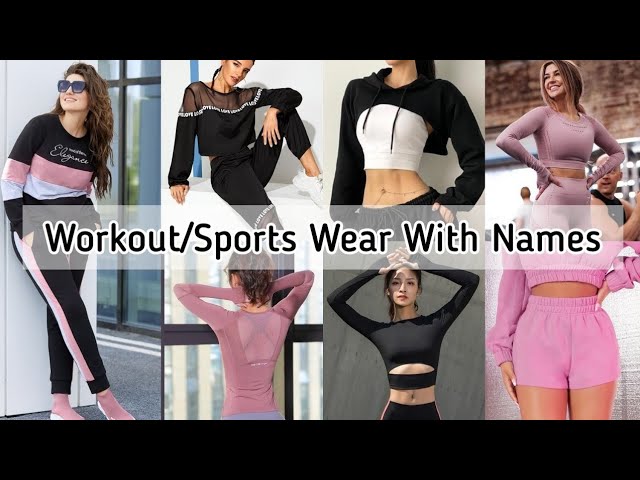
Workout clothes are the items you wear during exercise. This term is simple and direct. It includes t-shirts, shorts, leggings, tank tops, and sports bras. Workout clothes are made to handle sweat, stretching, and movement.
Training Gear
Training gear is clothing and accessories for fitness training. This can include compression shirts, sweatbands, gloves, and shoes. Training gear helps you train harder and protects your body from injury.
Exercise Apparel
Exercise apparel is another name for gym clothes. It covers all clothing meant for exercise, from basic cotton tees to high-tech fabrics.
Types Of Gym Clothes
Gym clothes come in many types. Each item has a different purpose. Here are the most common types:
- T-shirts
- Tank tops
- Sports bras
- Shorts
- Leggings
- Joggers
- Sweatpants
- Tracksuits
- Compression wear
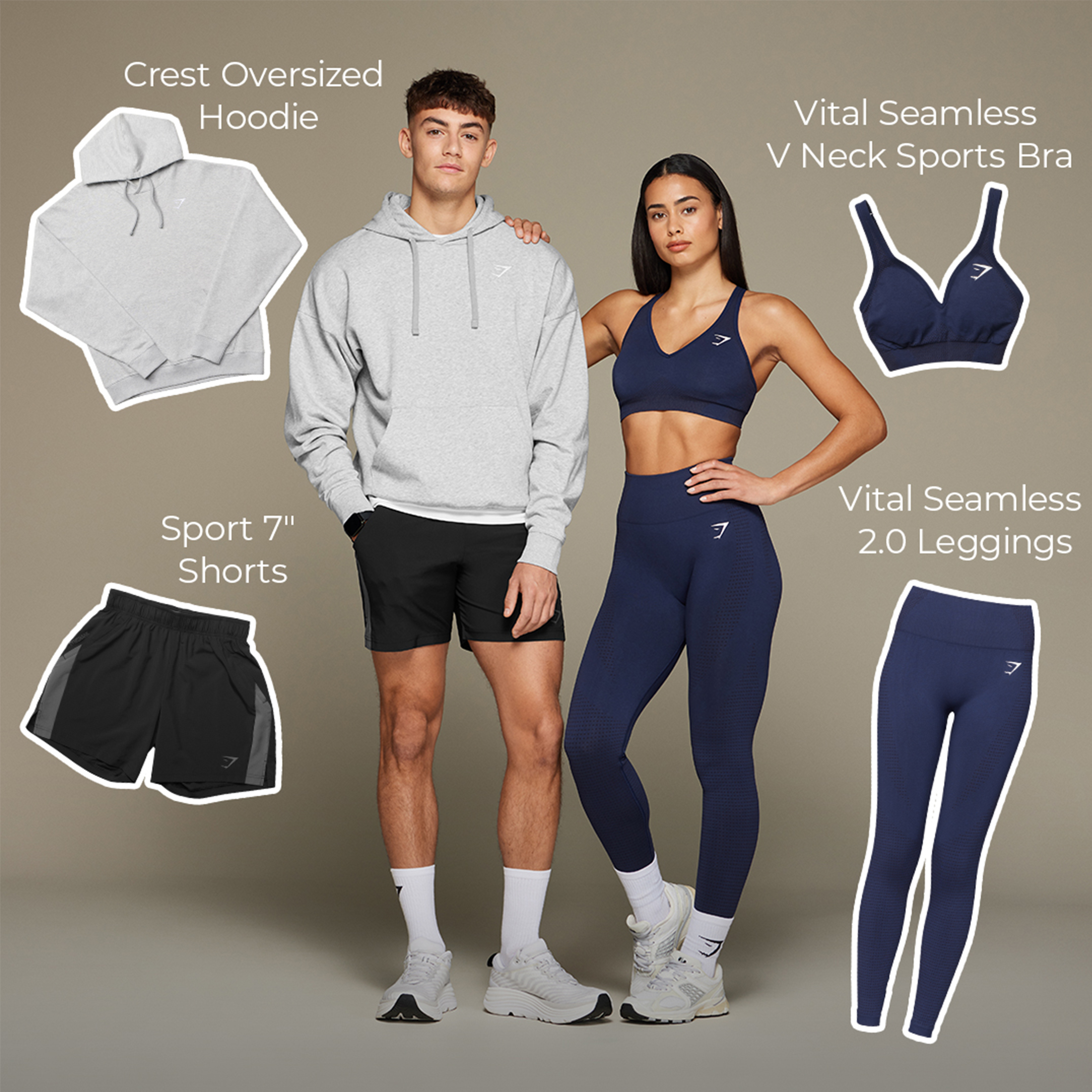
- Hoodies
- Jackets
- Socks
- Shoes
- Sweatbands
- Gloves
- Caps and headbands
Let’s look at each item in detail.
T-shirts
T-shirts are a classic gym staple. They are comfortable, easy to wear, and allow freedom of movement. Most gym t-shirts are made of breathable fabrics like cotton or polyester. Moisture-wicking t-shirts help keep sweat away from your skin.
Tank Tops
Tank tops are sleeveless shirts. They are popular for weightlifting, yoga, and running. Tank tops allow your arms to move freely and keep you cooler. Many athletes choose tank tops to show muscle definition.
Sports Bras
A sports bra is essential for women. It provides support, reduces bounce, and prevents discomfort during exercise. Sports bras come in many styles, from light support to high-impact designs. Choose one based on your workout intensity.
Shorts
Shorts are perfect for hot weather or intense workouts. They allow your legs to move easily. Gym shorts are often made from lightweight, quick-drying materials. Some have built-in liners for extra comfort.
Leggings
Leggings are tight-fitting pants made from stretchy materials. They are great for yoga, pilates, cycling, and running. Leggings support your muscles and move with your body. Many leggings have pockets for your phone or keys.
Joggers
Joggers are loose-fitting pants with elastic cuffs. They are comfortable, stylish, and good for warming up or cooling down. Joggers are made from soft fabrics like cotton or polyester blends.
Sweatpants
Sweatpants are thicker than joggers. They keep you warm and are good for winter workouts. Sweatpants can be heavy, so they are best for low-intensity exercise or relaxing after your workout.
Tracksuits
A tracksuit is a matching set of jacket and pants. Tracksuits are popular for running, walking, and outdoor sports. They protect you from wind and cold. Modern tracksuits use lightweight, breathable materials.
Compression Wear
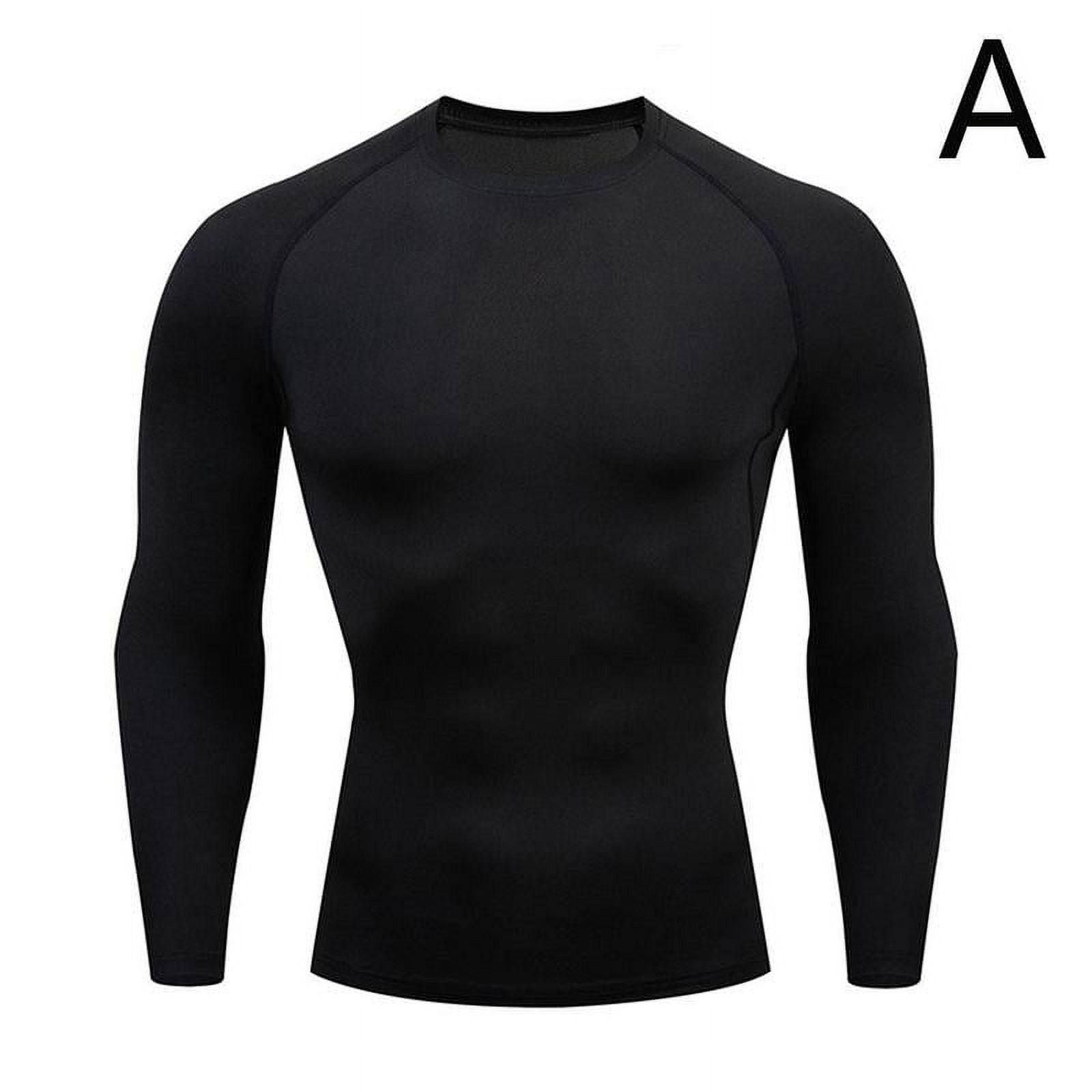
Compression wear includes shirts, shorts, leggings, and socks. These items fit tightly and support your muscles. Compression wear can improve blood flow and reduce soreness. Many athletes use compression wear for recovery.
Hoodies
Hoodies are sweatshirts with a hood. They are good for warming up, cooling down, or outdoor workouts. Hoodies protect you from wind and rain. They are also comfortable for casual wear.
Jackets
Jackets are useful for outdoor exercise. Some jackets are windproof, waterproof, or insulated. They keep you warm and dry. Look for jackets with breathable materials and adjustable features.
Socks
Socks may seem simple, but they matter. Gym socks should be comfortable, moisture-wicking, and supportive. Some socks have extra padding or arch support.
Shoes
Shoes are the most important gym item. The right shoes protect your feet, improve performance, and prevent injuries. Choose shoes based on your activity: running, lifting, or cross-training. Look for good grip, support, and fit.
Sweatbands
Sweatbands are worn on your wrists or forehead. They absorb sweat and keep it away from your eyes or hands. Sweatbands are useful for tennis, basketball, and running.
Gloves
Gloves protect your hands during weightlifting or cycling. They prevent blisters, improve grip, and add comfort. Gym gloves come in many styles and materials.
Caps And Headbands
Caps and headbands keep sweat and hair out of your face. Caps also protect your head from the sun during outdoor workouts. Headbands are popular in yoga and aerobics.
Materials Used In Gym Clothes
The fabric you wear matters. Gym clothes use different materials for comfort, performance, and durability. Here are the main types:
- Cotton
- Polyester
- Nylon
- Spandex (Lycra)
- Bamboo
- Wool
- Blends
Cotton
Cotton is soft, comfortable, and cheap. It absorbs sweat, but it can get heavy and stay wet. Cotton is good for low-intensity workouts or lounging.
Polyester
Polyester is lightweight, strong, and quick-drying. It wicks moisture away from your skin. Polyester is used in most gym clothes. It is easy to wash and keeps its shape.
Nylon
Nylon is smooth, stretchy, and durable. It dries fast and resists tears. Nylon is used in leggings, shorts, and jackets.
Spandex (lycra)
Spandex is super stretchy. It allows gym clothes to move with your body. Spandex is often mixed with other fabrics. It is used in sports bras, leggings, and compression wear.
Bamboo
Bamboo fabric is soft, eco-friendly, and moisture-wicking. It resists odors and feels good on the skin. Bamboo is used in t-shirts, socks, and underwear.
Wool
Wool is warm, breathable, and odor-resistant. It is good for cold weather workouts. Wool is used in socks, base layers, and jackets.
Blends
Many gym clothes use blends of fabrics. Mixing cotton, polyester, and spandex gives you the best features. Blends are soft, stretchy, and easy to care for.
Why Gym Clothes Matter
Wearing the right gym clothes is important. Here are some reasons:
- Comfort: Gym clothes help you move freely.
- Performance: Proper clothing can boost your performance.
- Safety: Good gym clothes protect you from injury.
- Hygiene: Moisture-wicking fabrics keep you dry and prevent odor.
- Confidence: Looking good makes you feel good.
Some beginners think any clothes will do. But regular clothes can cause chafing, limit movement, and make you overheat.
Credit: www.walmart.com
Gym Clothes For Different Activities
Gym clothes vary by activity. The best outfit depends on what you do. Here are examples:
Running
Wear moisture-wicking t-shirts, shorts or leggings, and running shoes. Avoid heavy fabrics. Use sweatbands and caps for sun protection.
Weightlifting
Choose tank tops, compression shirts, shorts or joggers, and lifting gloves. Wear shoes with a flat, stable sole.
Yoga
Wear stretchy leggings, fitted tops, and a sports bra. Headbands keep hair away from your face.
Cycling
Use padded shorts, tight-fitting tops, and cycling gloves. Wear cycling shoes for better grip.
Group Fitness
Wear breathable t-shirts, shorts or leggings, and supportive shoes. Use sweatbands and light layers.
Swimming
Wear swimsuits made from quick-drying materials. Use swim caps and goggles.
How Gym Clothes Have Changed
Gym clothes have changed a lot over time. Long ago, people exercised in regular clothes. Today, fabrics and designs are much better.
- Old gym clothes: Heavy cotton, wool, and basic shorts.
- Modern gym clothes: Lightweight, stretchy, and sweat-resistant.
Brands now use advanced technology. Gym clothes can control temperature, resist odor, and improve recovery. New fabrics like bamboo and recycled polyester are popular.
Common Mistakes When Choosing Gym Clothes
Many people make mistakes when buying gym clothes. Here are the most common:
- Choosing the wrong size: Tight clothes can restrict movement; loose clothes can get in the way.
- Ignoring fabric: Some fabrics trap sweat and cause odor.
- Buying based on looks: Style is nice, but comfort and function matter more.
- Skipping proper shoes: Regular sneakers can cause injury.
- Not considering activity: Different workouts need different clothes.
- Neglecting support: Women need proper sports bras; men need supportive shorts.
- Forgetting about weather: Outdoor workouts need layers, jackets, or caps.
Gym Clothes Vs. Regular Clothes
To help you see the difference, here’s a comparison:
| Feature | Gym Clothes | Regular Clothes |
|---|---|---|
| Fit | Flexible, supports movement | Often stiff or loose |
| Fabric | Moisture-wicking, breathable | Absorbs sweat, less breathable |
| Purpose | Designed for exercise | Designed for daily use |
| Durability | Handles stretching and washing | May wear out quickly |
| Safety | Reduces injury risk | No special protection |
Popular Gym Clothes Brands
Some brands are known for gym clothes. Here are a few examples:
- Nike
- Adidas
- Under Armour
- Reebok
- Lululemon
- Puma
- Gymshark
- ASICS
These brands use high-quality fabrics and modern designs. Some offer special lines for running, yoga, or weightlifting.
Gym Clothes For Men Vs. Women
Gym clothes are different for men and women. The main differences are in fit, support, and style.
| Item | Men | Women |
|---|---|---|
| Tops | Loose or fitted tees, tank tops | Fitted tees, tank tops, sports bras |
| Bottoms | Shorts, joggers, sweatpants | Leggings, shorts, joggers |
| Support | Compression shorts, supportive shoes | Sports bras, supportive leggings |
| Accessories | Sweatbands, gloves, caps | Headbands, caps, gloves |
Both men and women need comfortable, breathable, and functional gym clothes. The main difference is extra support for women and fit preferences.
Gym Clothes For Kids
Kids also need special gym clothes. Children’s gym clothes are made for play, movement, and safety. Look for:
- Soft, stretchy fabrics
- Easy-to-clean materials
- Fun colors and designs
- Proper fit and support
Kids’ gym shoes should have good grip and protect growing feet.
Environmental Impact Of Gym Clothes
Gym clothes can affect the planet. Many fabrics are made from oil-based products like polyester and nylon. Making these fabrics uses energy and water. Washing synthetic clothes can release tiny plastic fibers into rivers and oceans.
Some brands now use recycled materials or eco-friendly fabrics. Bamboo, organic cotton, and recycled polyester are better for the environment. You can help by choosing sustainable brands and washing clothes carefully.
Caring For Gym Clothes
To make gym clothes last longer, follow these tips:
- Wash after each use: Sweat can cause odor and damage.
- Use cold water: Hot water can shrink or weaken fabrics.
- Avoid fabric softeners: These can block moisture-wicking features.
- Air dry: High heat can ruin elastic and shape.
- Store properly: Keep gym clothes in a cool, dry place.
Many beginners forget to wash gym clothes quickly. Leaving sweaty clothes in a bag can cause bacteria and smell.
Gym Clothes Accessories
Besides main clothing, accessories help your workout. Here are some examples:
- Gym bags: Carry your clothes, shoes, water, and towels.
- Water bottles: Stay hydrated during exercise.
- Fitness trackers: Track steps, heart rate, and calories.
- Towels: Wipe sweat and keep equipment clean.
- Resistance bands: Add challenge to workouts.
Accessories are not “gym clothes,” but they complete your workout gear.
Credit: www.youtube.com
Choosing The Best Gym Clothes
Here’s how to pick the right gym clothes:
- Know your activity: Running needs different clothes than yoga.
- Choose the right fabric: Look for moisture-wicking and breathable materials.
- Find the right fit: Try on clothes and move in them.
- Pick proper shoes: Protect your feet and improve performance.
- Look for support: Sports bras, compression wear, and supportive shoes.
- Consider weather: Choose layers for outdoor workouts.
- Check for features: Pockets, zippers, and adjustable waistbands.
- Think about style: Pick colors and designs you like.
A common mistake is ignoring fit and fabric. Even stylish gym clothes can be uncomfortable if they don’t fit well or use poor materials.
Gym Clothes Trends
Trends in gym clothes change often. Here are some current trends:
- Bold colors and patterns
- Eco-friendly fabrics
- Seamless designs
- High-waisted leggings
- Crop tops
- Mesh panels for breathability
- Athleisure wear for daily use
Many people now wear gym clothes as casual outfits. This is called athleisure. It mixes comfort, style, and function.
Gym Clothes And Health
The right gym clothes help your health. Breathable fabrics prevent skin problems. Supportive shoes and bras protect joints and muscles. Compression wear can boost recovery.
Some studies show that wearing gym clothes can motivate you to exercise more. Feeling comfortable and confident makes workouts easier.
Gym Clothes In Different Cultures
Gym clothes vary around the world. In some places, modesty matters. People may wear loose clothes, long sleeves, or head coverings. In other countries, tight clothes and tank tops are common. Always respect local customs and choose clothes that suit your culture.
Cost Of Gym Clothes
Gym clothes come in many price ranges. You can find cheap options at local stores or spend more on top brands. Price depends on material, brand, and features.
- Low-cost: Basic cotton tees, shorts, socks
- Mid-range: Moisture-wicking tops, leggings, supportive shoes
- High-end: Compression wear, eco-friendly fabrics, brand names
Buying expensive gym clothes is not always better. Focus on comfort, fit, and performance.
Gym Clothes And Technology
New technology has improved gym clothes. Today, brands use:
- Moisture-wicking fabrics
- Antimicrobial treatments
- Temperature control
- Seamless designs
- Smart fabrics that track movement
These features help athletes perform better and recover faster. Smart gym clothes can connect to fitness trackers and apps. Some items change color based on your body temperature.
Credit: www.gymshark.com
Comparing Gym Clothes Features
Here’s a comparison of main features:
| Feature | Benefit | Common in |
|---|---|---|
| Moisture-wicking | Keeps you dry | T-shirts, shorts, leggings |
| Stretchy fabric | Allows movement | Leggings, tank tops |
| Compression | Supports muscles | Compression wear |
| Temperature control | Regulates heat | Jackets, base layers |
| Eco-friendly | Helps environment | Bamboo, recycled polyester |
Gym Clothes For Special Needs
Some people need special gym clothes. Examples include:
- Plus-size gym clothes: Extra support and comfortable fit.
- Maternity activewear: Stretchy, adjustable, and supportive.
- Adaptive gym clothes: Easy to put on, for people with disabilities.
- Modest gym clothes: Long sleeves, loose fit, and head coverings.
Brands now make gym clothes for all body types and needs.
Where To Buy Gym Clothes
You can buy gym clothes at:
- Sports stores
- Brand shops
- Online websites
- Department stores
Online shopping offers more choices and reviews. Try clothes on if possible. Check return policies and size guides.
Gym Clothes And Motivation
Wearing gym clothes can boost motivation. When you dress for exercise, you feel ready to work out. Choosing colors and styles you like can make you happier.
Some people prepare gym outfits in advance. This makes it easier to start exercising. Having comfortable, stylish clothes can make workouts more enjoyable.
Gym Clothes: Final Tips
- Always choose comfort and function over style.
- Change gym clothes often to avoid odor and bacteria.
- Use proper shoes for your activity.
- Wash gym clothes after each workout.
- Try new styles and fabrics to find what works best.
Gym clothes are more than just what you wear. They help you move, perform, and feel good.
If you want to learn more about the science of gym clothes, visit Wikipedia.
Frequently Asked Questions
What Is The Difference Between Activewear And Sportswear?
Activewear is designed for both exercise and daily use. You can wear it in the gym or outside. Sportswear is made mainly for sports and physical activity. Sportswear is often more performance-focused, while activewear blends comfort and style.
Can I Wear Regular Clothes To The Gym?
You can, but it is not recommended. Regular clothes may restrict movement, absorb sweat, and cause discomfort. Gym clothes are made to handle exercise, wick sweat, and protect your body.
How Often Should I Wash Gym Clothes?
Wash gym clothes after every workout. Sweat and bacteria can cause odor and damage the fabric. Use cold water and avoid fabric softeners to keep clothes in good shape.
What Is Compression Wear, And Do I Need It?
Compression wear is tight-fitting clothing that supports your muscles. It can improve blood flow, reduce soreness, and help recovery. You may need compression wear for intense workouts or if you want extra support.
What Are The Best Fabrics For Gym Clothes?
The best fabrics are moisture-wicking, breathable, and stretchy. Polyester, nylon, spandex, and bamboo are popular. Avoid heavy cotton for intense workouts, as it stays wet and can cause chafing.
Gym clothes are essential for exercise. Knowing the right terms, types, and features can help you choose the best outfit. Remember, gym clothes are called many names, but their purpose is always the same: to help you move, perform, and feel your best.
