

What are Good Workout Clothes? Top Picks for Comfort & Style
What Are Good Workout Clothes
Finding the right workout clothes can be a game-changer for anyone who exercises, whether you’re a beginner or a seasoned athlete. The right gear doesn’t just make you look good—it keeps you comfortable, helps prevent injuries, and can even boost your performance.
But what really makes workout clothes “good”? With so many brands, fabrics, and styles to choose from, the options can feel overwhelming. Understanding what matters most will help you make smarter choices, so you can focus on your fitness goals instead of fighting with your clothes.
Why Workout Clothes Matter
Workout clothes are not just about style or trends. They play a vital role in your exercise experience. The best workout clothes:
- Regulate body temperature (keeping you cool or warm as needed)
- Manage sweat so you stay dry
- Allow full range of movement
- Reduce risk of chafing and skin irritation
- Provide support for key muscle groups and joints
- Boost confidence and motivation
Imagine running in a heavy cotton t-shirt soaked in sweat, or lifting weights in pants that keep sliding down. Small annoyances can distract you from your training, or worse, cause discomfort or injury.
Key Features Of Good Workout Clothes
When looking for good workout clothes, pay close attention to these important features. Each feature impacts how your clothes will perform during exercise.
1. Fabric And Material
The material is the most critical factor. Here’s what to look for:
- Moisture-wicking: This means the fabric pulls sweat away from your skin and helps it evaporate quickly. Good options include polyester, nylon, and blends with spandex.
- Breathability: Mesh panels or ventilation zones help air flow, which keeps you cool and reduces sweat buildup.
- Stretch: Fabrics with elastane or spandex stretch with your body, allowing freedom of movement.
- Lightweight: Heavy materials can drag you down or trap heat.
- Softness: Rough fabrics can irritate the skin, especially during long sessions.
You should avoid 100% cotton for intense workouts. Cotton absorbs sweat and dries slowly, which can lead to discomfort or chills.
2. Fit And Comfort
Workout clothing should fit your body comfortably—not too tight, not too loose.
- Snug but flexible: Clothes should stay in place but not restrict movement. Compression pieces (like leggings or tops) can help support muscles.
- Seam placement: Look for flat seams or seamless designs to prevent rubbing or chafing.
- Waistbands: A wide, elastic waistband on shorts or leggings prevents them from slipping.
- Length: Tops and bottoms should be long enough to cover you during stretches or bends.
Try moving around in the clothes before buying. Squat, reach, or jog in place to test comfort.
3. Durability
Good workout gear can be an investment. High-quality clothes last longer, even with frequent washing.
- Double-stitching: Reinforced seams reduce tearing.
- Color retention: Quality fabrics keep their color wash after wash.
- Shape retention: Good stretch fabrics bounce back after use, instead of sagging.
A common mistake is buying cheap clothes that lose shape or color quickly. Spending a bit more upfront can save money in the long run.
4. Sweat Management
Managing sweat is more than just staying dry. It also helps prevent skin problems and odor.
- Antimicrobial treatments: Some clothes are treated to resist odor-causing bacteria.
- Quick-dry: Look for tags that mention quick-dry technology.
- Ventilated panels: Extra ventilation in sweaty areas (like the back or underarms) can make a big difference.
5. Support
Certain types of clothing provide extra support for different activities.
- Sports bras: Essential for women, they reduce movement and protect breast tissue during exercise.
- Compression gear: Items like sleeves, leggings, or socks can help improve circulation and reduce muscle fatigue.
- Reinforced areas: For example, padded cycling shorts protect against saddle soreness.
Choosing the right support can help prevent injuries and improve comfort.
6. Style And Confidence
While function comes first, style still matters. When you feel good in your clothes, you’re more likely to stick with your routine.
- Flattering cuts: Clothes that suit your body type can boost confidence.
- Colors and patterns: Bright colors can energize; dark colors can be slimming or hide sweat marks.
- Personal expression: Choose items that make you excited to get dressed for your workout.
Types Of Workout Clothes And Their Uses
Not all workout clothes are created equal. Each activity has its own demands, and choosing the right gear can improve your performance and enjoyment.
Tops
T-shirts and tank tops are versatile and work for most workouts. For high-intensity exercise, look for moisture-wicking, fitted tops. For yoga or pilates, softer, stretchier materials are best.
Long-sleeve shirts are good for outdoor exercise in cooler weather. Some have thumbholes or half-zips for extra warmth.
Sports bras are a must for women. They come in various support levels (light, medium, high) depending on your activity.
Bottoms
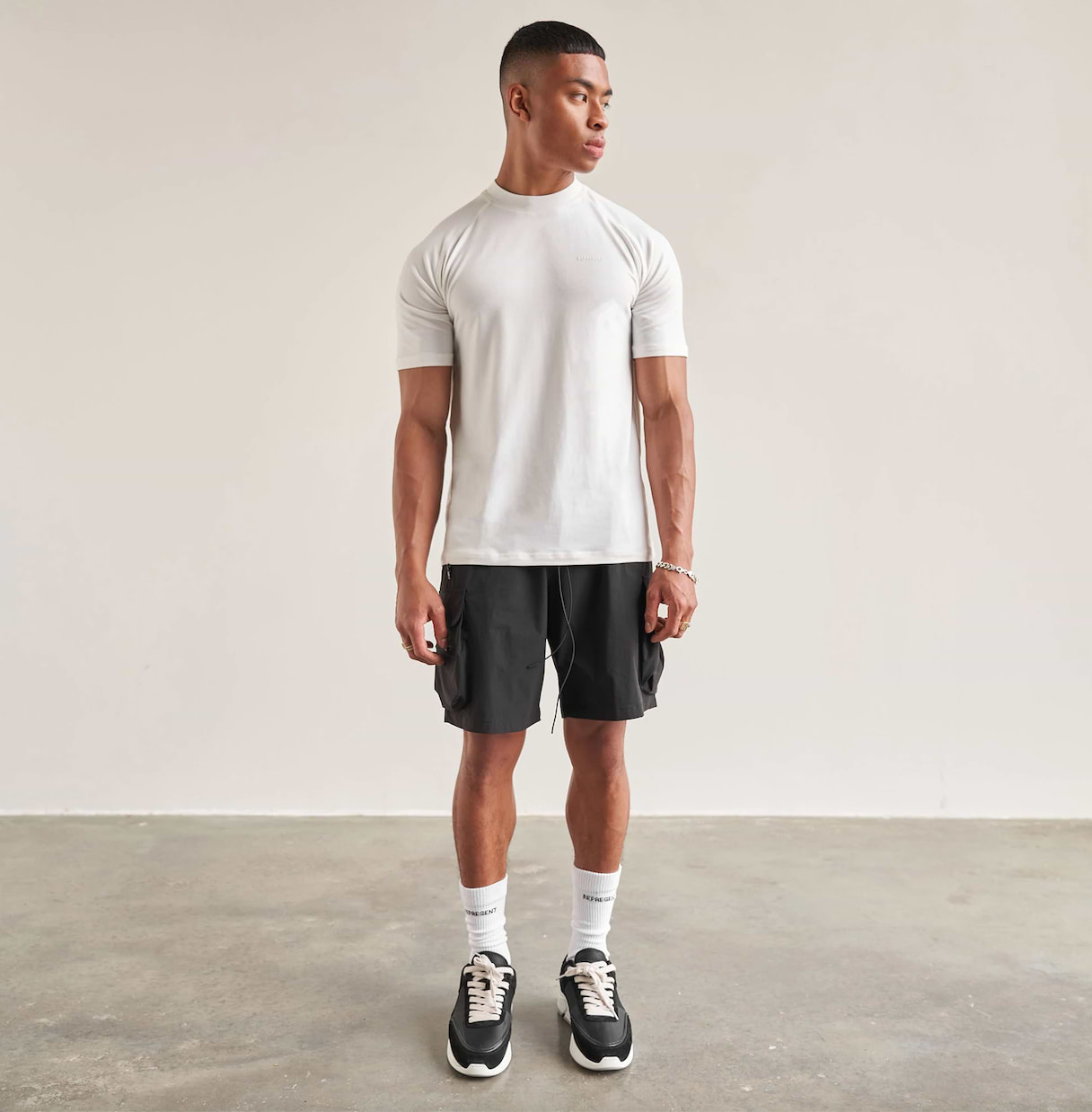
Shorts are ideal for running, cycling, or gym workouts, especially in hot climates. Choose those with built-in liners for extra support.
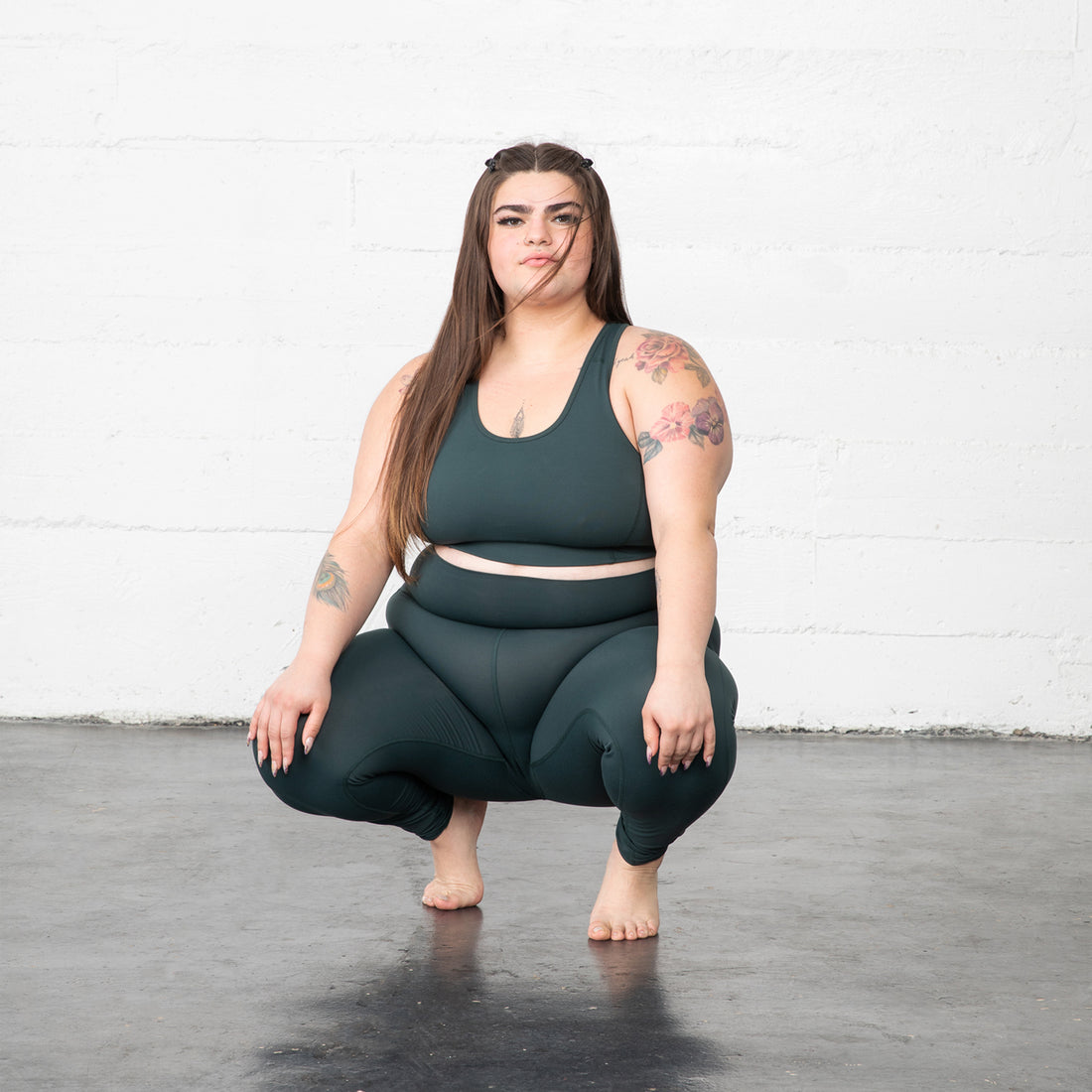
Leggings and tights offer support and coverage, great for running, yoga, or weightlifting. Look for high-waisted designs for better fit.
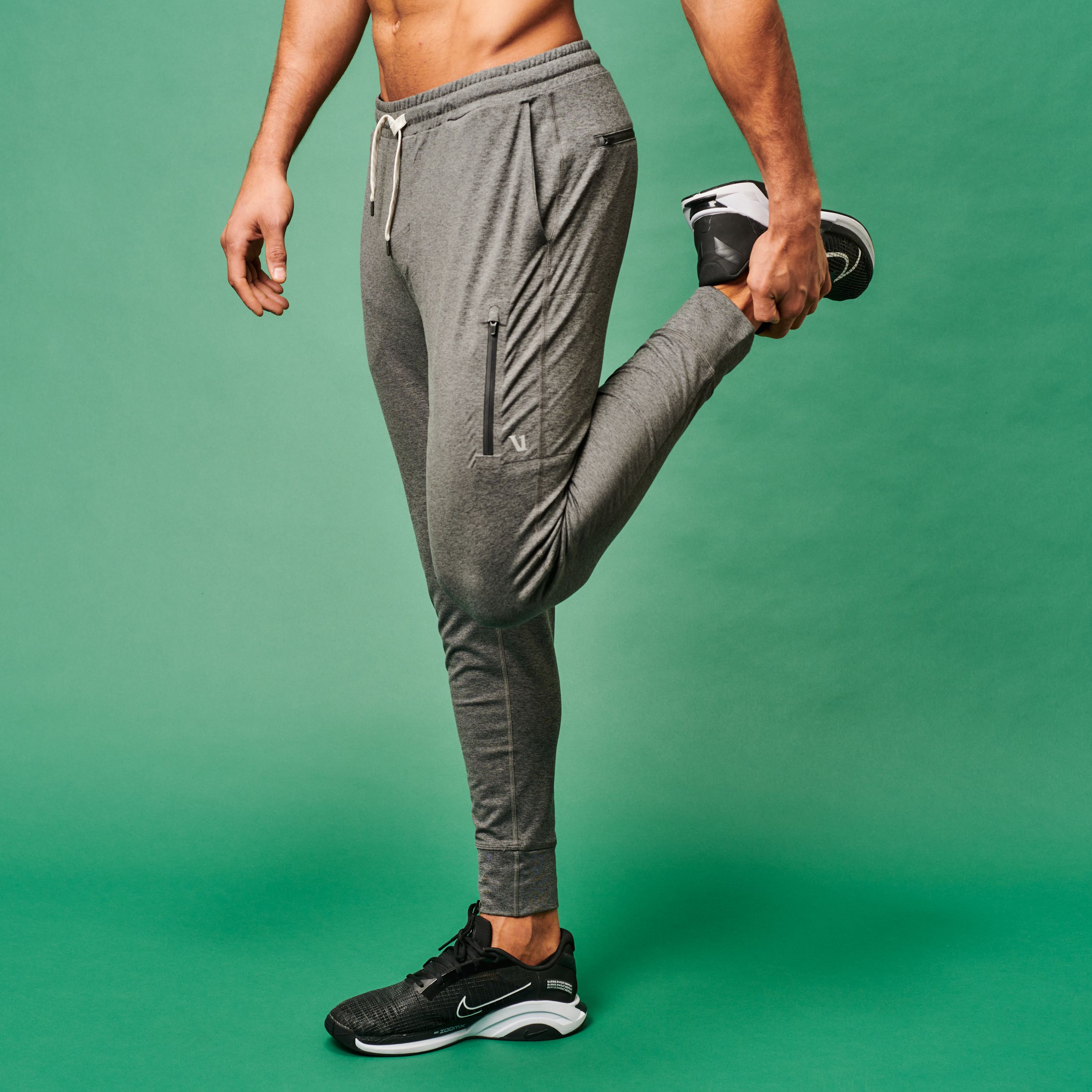
Joggers or sweatpants are suitable for warm-ups, cool-downs, or casual gym days.
Outerwear
Lightweight jackets or hoodies help you warm up or stay warm outdoors. Choose breathable, water-resistant materials for running in wet weather.
Windbreakers and rain jackets are essential for outdoor workouts in unpredictable weather.
Footwear
Shoes are a crucial part of your workout gear. The right pair depends on your activity:
- Running shoes: Offer cushioning and support for forward motion.
- Cross-trainers: Good for gym workouts, aerobics, or classes with lateral movement.
- Weightlifting shoes: Provide stability and a flat base.
- Cycling shoes: Designed to clip into pedals and provide support.
Socks
Often overlooked, socks can make a big difference. Choose moisture-wicking, seamless socks with cushioning in key areas to prevent blisters.
Accessories
Headbands or sweatbands keep hair and sweat out of your eyes. Gloves can protect hands during weightlifting. Compression sleeves support joints and muscles.
Gender-specific Needs
While many workout clothes are unisex, some needs are specific to men or women.
Women
- Sports bras: Choose the right support level. For running or HIIT, high-impact bras are best. For yoga, light support may be enough.
- Leggings: High-rise designs prevent slipping during squats or stretches.
- Built-in liners: Some shorts and skirts have built-in briefs for extra comfort.
Men
- Supportive underwear: Athletic briefs or compression shorts provide support and reduce chafing.
- Length of shorts: Some men prefer above-the-knee for running, longer for basketball or gym.
- Muscle shirts: Sleeveless tops offer freedom of movement for upper body workouts.
Seasonal Considerations
Your workout clothes should match the weather. Here’s how to adjust for different seasons.
Hot Weather
- Lightweight, breathable fabrics: Look for mesh or vented panels.
- Sleeveless tops and shorts: Allow more airflow.
- Light colors: Reflect heat better than dark colors.
- Sun protection: Some clothes have UPF ratings to protect skin from UV rays.
Cold Weather
- Layering: Start with a moisture-wicking base layer, add an insulating layer, and finish with a windproof jacket.
- Thermal fabrics: Materials like fleece or brushed polyester keep you warm.
- Gloves, hats, and neck warmers: Prevent heat loss from extremities.
Rain And Wind
- Water-resistant jackets: Protect from rain without overheating.
- Quick-drying layers: Stay comfortable if you get wet.
- Windproof materials: Block cold breezes.
Common Mistakes When Choosing Workout Clothes
Many people make simple mistakes that can lead to discomfort or poor performance. Here are some to avoid:
- Choosing fashion over function: Trendy clothes may look good but might not perform well.
- Ignoring fabric labels: Not all “athletic” clothes are moisture-wicking or quick-dry.
- Buying the wrong size: Too tight restricts movement; too loose can cause chafing.
- Wearing old, worn-out gear: Stretched, faded clothes lose their support and function.
- Ignoring activity-specific needs: Running shorts aren’t ideal for yoga, and vice versa.
- Neglecting footwear: The wrong shoes can lead to injury.
- Not considering climate: Wearing thick clothes in summer or thin ones in winter leads to discomfort.
Credit: www.menshealth.com
Comparing Popular Workout Fabrics
It’s helpful to see the main fabric types side by side. Here’s a comparison of popular workout materials:
| Fabric | Moisture-Wicking | Breathability | Stretch | Best For |
|---|---|---|---|---|
| Polyester | Excellent | Good | Good | Running, Gym |
| Nylon | Excellent | Excellent | Good | Yoga, HIIT |
| Spandex/Elastane | Good | Good | Excellent | Compression, Stretching |
| Cotton | Poor | Fair | Fair | Casual, Light Activity |
| Merino Wool | Good | Good | Good | Outdoor, Cold Weather |
As you can see, polyester and nylon are top choices for most workouts, while cotton is best for light activities or lounging.
How To Choose The Right Workout Clothes For Your Activity
Selecting the right gear depends on what you’re doing. Here are some tips for common workouts.
Running
- Moisture-wicking tops and shorts
- Supportive sports bra (for women)
- Reflective details for safety if running outdoors
- Lightweight, breathable socks
- Proper running shoes
Yoga Or Pilates
- Stretchy, fitted tops and leggings
- No zippers or bulky seams
- Barefoot or yoga socks for better grip
- Sports bra with light to medium support
Weightlifting
- Fitted tops that don’t get caught on equipment
- Compression leggings or shorts
- Supportive footwear with a flat sole
- Weightlifting gloves (optional)
Cycling
- Padded shorts to prevent soreness
- Fitted jersey with back pockets
- Moisture-wicking socks
- Cycling shoes with stiff soles
Group Fitness Or Hiit
- Quick-dry tops and shorts/leggings
- High-support sports bra
- Cross-training shoes for varied movement
Swimming
- Chlorine-resistant swimsuit
- Swim cap to reduce drag
- Goggles for eye protection
Size, Fit, And Trying Before You Buy
Even the best materials won’t help if the clothes don’t fit right. Some tips:
- Check size charts for each brand—sizes can vary.
- Try on several sizes and do a few movements (squat, lift arms, twist).
- If shopping online, read reviews for fit feedback.
- Don’t ignore small discomforts—they often get worse during real workouts.
- For compression items, they should feel snug but not restrict breathing.
Price Vs. Value: Is Expensive Always Better?
Workout clothes can range from budget to premium prices. High price doesn’t always mean best quality, but very cheap gear may not last. Here’s a quick breakdown:
| Price Range | Typical Quality | Best For |
|---|---|---|
| Budget ($) | Basic, less durable | Beginners, light activity |
| Mid-range ($$) | Good balance of quality and price | Regular exercisers |
| Premium ($$$) | Top materials, extra features | Serious athletes, heavy use |
Look for sales or outlet deals on quality brands. One non-obvious tip: sometimes new brands offer higher quality for lower prices as they try to grow their customer base.
Credit: everestkitchennc.com
Caring For Your Workout Clothes
Proper care extends the life of your workout gear:
- Wash clothes soon after use to prevent odor buildup.
- Use cold water and mild detergent.
- Avoid fabric softeners—they break down moisture-wicking coatings.
- Hang dry when possible; high heat damages stretch fibers.
- Turn clothes inside out before washing to protect colors and prints.
Avoid stuffing sweaty clothes in your gym bag for hours. This can cause bacteria and odor that are hard to remove.
Sustainable And Eco-friendly Options
If you care about the environment, look for brands using recycled materials or eco-friendly dyes. Bamboo and organic cotton are popular, but make sure they still offer moisture-wicking and stretch. Some companies use recycled polyester from plastic bottles, reducing waste.
One insight beginners often miss: some “eco” materials are great for casual wear but may not perform as well for high-sweat workouts. Always check reviews and product details.
For more on sustainable fabrics, check out this resource from the Good On You website.
How To Build A Versatile Workout Wardrobe
You don’t need a closet full of expensive gear. Start with these basics:
- 2-3 tops: Mix of short and long sleeves
- 2-3 bottoms: Shorts, leggings, or joggers
- Sports bras: At least two, if needed
- 1-2 outer layers: Light jacket or hoodie
- 2-3 pairs of socks
- 1 pair of shoes for your main activity
Add specialty items like swimwear or cycling shorts as needed. Neutral colors are easy to mix and match, while a few bold pieces can add variety.
Advanced Tips Most Beginners Miss
Many people focus only on the basics and miss small details that can improve their experience:
- Watch out for tags and labels: Even tiny tags can irritate during long sessions. Some brands offer tagless designs.
- Hidden pockets: Great for keys, cards, or phones during runs.
- Reflective elements: Important for outdoor workouts, especially early morning or evening.
- Zippered vents: Allow you to adjust airflow without taking off layers.
- Grip strips: Some leggings have silicone strips to prevent rolling or sliding.
These features may seem minor, but they can make workouts smoother and more enjoyable.
Credit: superfithero.com
Frequently Asked Questions
What Is The Most Important Feature Of Good Workout Clothes?
The most important feature is moisture-wicking fabric. It keeps you dry and comfortable by pulling sweat away from your skin, reducing chafing and irritation. This is important for almost every type of exercise.
Can I Wear Cotton Clothes For Working Out?
Cotton is comfortable for light or casual activity, but for intense workouts, it’s not ideal. Cotton absorbs sweat and stays wet, which can cause discomfort or chills. It’s best to choose synthetic or blended fabrics for high-sweat activities.
How Often Should I Replace My Workout Clothes?
Replace your workout clothes when you notice loss of elasticity, fading, pilling, or odor that won’t wash out. For active exercisers, this might be every few months for high-use items like sports bras or leggings.
Do I Need Different Clothes For Different Workouts?
Yes, different workouts have different needs. For example, running clothes should be lightweight and moisture-wicking, while yoga gear should be stretchy and non-restrictive. Proper gear improves comfort and performance.
Are Expensive Workout Clothes Worth It?
Expensive workout clothes often use higher-quality materials and advanced features, but you can find great options at every price level. Focus on fit, fabric, and features over price. Sometimes mid-range or new brands offer the best value.
Choosing good workout clothes is about more than just looks—it’s about feeling comfortable, staying safe, and enjoying your workouts. With a little attention to fabrics, fit, and features, you can build a wardrobe that makes exercise easier and more fun.
Whether you’re just starting out or looking to level up your gear, these tips will help you make smart choices for every workout.
