

What are Business Casual Attire for Men: Essential Style Guide
Business casual attire for men is a concept that often feels confusing. Many workplaces require it, but the definition changes depending on the company, location, and even the day of the week. If you’re new to the professional world or simply want to upgrade your wardrobe, understanding business casual can help you look confident and feel comfortable at work.
This guide breaks down what business casual really means, which pieces fit the style, and how to avoid common mistakes. You’ll get practical advice, real examples, and clear comparisons so you can dress your best without stress.
What Is Business Casual For Men?
Business casual is a dress code that blends traditional business wear with a more relaxed style. It removes the formality of a full suit but keeps you looking polished and professional. You won’t need a tie every day, but you shouldn’t wear jeans and sneakers either. The goal is to balance comfort and professionalism.
Most offices mean something similar when they say “business casual,” but there are differences. For example, a tech startup might allow more relaxed clothing, while a law firm expects crisp shirts and tailored pants. The best approach is to understand your specific environment, but there are classic pieces that work almost everywhere.
Essential Pieces Of Business Casual Attire
Let’s break down the main items that belong in a business casual wardrobe. These are the building blocks you can mix and match for different looks.
Shirts
The shirt is the centerpiece of your outfit. Business casual shirts should be clean, neat, and well-fitted.
- Button-down shirts are the safest choice. Choose solid colors like white, light blue, or pale pink. Subtle patterns, such as thin stripes or small checks, also work.
- Polo shirts are acceptable in many offices, especially during warmer months. Stick to classic colors and avoid large logos.
- Sweaters can be layered over a shirt for a smart look. V-neck and crew-neck styles are both appropriate.
Key tip: Avoid shirts with loud patterns, bold colors, or graphics. Wrinkled or untucked shirts make you look careless.
Pants
For business casual, pants must look professional but not too formal.
- Chinos are a top pick. They come in many colors, but navy, beige, gray, and olive are the best.
- Dress pants (also called slacks) are always safe. Avoid pleated styles, which can look old-fashioned.
- Dark-colored jeans are sometimes allowed, but only in relaxed workplaces. They must be free of holes, fading, or distressing.
Common mistake: Wearing pants that are too tight or too loose. Proper fit matters as much as the style.
Jackets And Blazers
A blazer or sport coat adds polish to your outfit and is often the piece that sets business casual apart from casual.
- Blazers should be tailored and made from lighter fabrics. Navy and gray are classic choices.
- Sport coats are similar but usually feature textured fabrics or subtle patterns.
- Suit jackets can sometimes be worn, but avoid matching them with pants of a different material.
Non-obvious insight: You don’t need to wear a jacket every day. Keep one at work for important meetings or presentations.
Shoes
Shoes are often overlooked, but they have a big impact on your overall look.
- Leather loafers are the business casual standard. Brown and black are most versatile.
- Derby shoes and Oxfords are slightly more formal but still fit well.
- Dress boots work in colder weather.
- Sneakers are rarely appropriate, except for high-quality leather styles in creative environments.
Beginner tip: Avoid sandals, flip-flops, or athletic sneakers.
Accessories
Accessories should be simple and functional.
- Belts should match your shoes in color and material.
- Watches are fine, but avoid oversized or flashy designs.
- Ties are optional. If you wear one, choose a simple pattern or solid color.
- Socks should be dark and match your pants or shoes.
Practical advisor note: Keep jewelry minimal—one ring or bracelet is enough.
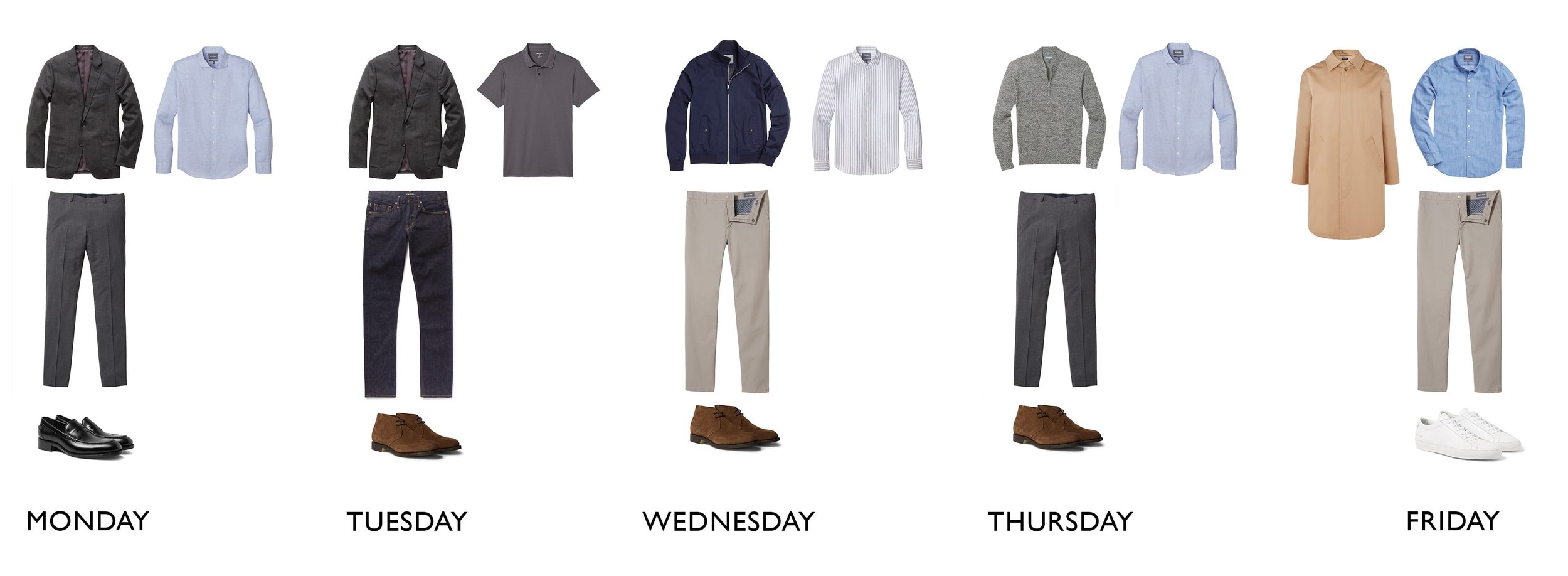
Credit: www.theessentialman.com
Business Casual Vs. Other Dress Codes
It’s useful to compare business casual with other common dress codes. Here’s a quick side-by-side view:
| Dress Code | Key Features | Common Items |
|---|---|---|
| Business Formal | Very polished, full suit, tie required | Suits, dress shirts, ties, leather shoes |
| Business Casual | Relaxed but professional, no tie needed | Button-down shirts, chinos, blazers, loafers |
| Smart Casual | Mix of casual and business pieces, more flexible | Polo shirts, dark jeans, sweaters, leather sneakers |
| Casual | Comfort-focused, no dress code | T-shirts, jeans, sneakers |
Non-obvious insight: Business casual is not about wearing cheaper clothes; it’s about a relaxed style that still respects the work environment.
Colors And Patterns: What Works Best?
Choosing the right colors and patterns can make a big difference. Neutral colors are safest, but a little variety adds personality.
Safe Colors
- White is always professional.
- Light blue works for shirts and jackets.
- Navy suits almost any item.
- Gray is versatile for pants and blazers.
- Beige and olive are ideal for chinos.
Patterns
Small, simple patterns are fine:
- Thin stripes
- Tiny checks
- Subtle plaids
Avoid:
- Large prints
- Bold graphics
- Wild colors
Friendly mentor tip: One patterned item per outfit is enough. If your shirt has stripes, keep the pants and jacket solid.
How To Build A Business Casual Wardrobe
Building a wardrobe doesn’t mean buying everything at once. Start with essentials, then add variety as you learn what works.
Step 1: Core Pieces
Buy these first:
- Two button-down shirts (white and blue)
- Two pairs of chinos (navy and beige)
- One blazer (navy or gray)
- One pair of loafers (brown or black)
- One belt (matching your shoes)
Step 2: Add Variety
When you feel confident, add:
- Polo shirts in neutral colors
- Sweaters for layering
- A second blazer or sport coat
- Dress boots for winter
Step 3: Fine-tune Fit
Visit a tailor if needed. Clothes that fit well look more expensive and professional.
Experience-based guide tip: Spend more on shoes and blazers. Cheap shoes wear out fast and can ruin your look.
Business Casual Outfit Ideas
Here are some real outfit combinations to help you visualize business casual:
- White button-down + navy chinos + brown loafers + gray blazer
- Light blue shirt + beige chinos + black belt + navy sport coat
- Polo shirt + dark gray chinos + dress boots
- Sweater over shirt + olive pants + brown loafers
- Button-down shirt + navy pants + brown belt + no jacket (for relaxed days)
Straight-to-the-point helper tip: Keep your outfits clean and simple. Avoid mixing too many colors or accessories.
Seasonal Business Casual: Dressing For Weather
You’ll need to adjust your business casual outfits for different seasons.
Spring/summer
- Lightweight shirts (cotton or linen)
- Chinos in lighter colors
- Polo shirts
- Loafers or dress shoes without socks (if allowed)
- Avoid jackets unless needed
Fall/winter
- Sweaters and cardigans for warmth
- Dress boots
- Heavier chinos or wool pants
- Blazers or sport coats
- Darker colors
Common mistake: Wearing the same outfit year-round. Adjust fabrics and colors as the weather changes.
Business Casual For Different Workplaces
Not every company sees business casual the same way. Here’s how it changes in common settings:
Corporate Offices
More formal—stick to button-down shirts, dress pants, and blazers. Avoid jeans and polos unless you see others wearing them.
Tech Startups
Relaxed—dark jeans, polo shirts, and sweaters are common. Blazers are optional.
Creative Agencies
Trendy—patterns, colors, and stylish sneakers may be allowed. Follow the lead of your coworkers.
Retail And Hospitality
Practical—neat polos, chinos, and comfortable shoes. Avoid anything too flashy.
Calm expert advice: If you’re unsure, dress a bit more formal at first. You can relax your look once you see what others wear.
Common Business Casual Mistakes To Avoid
Many men make the same errors when trying to dress business casual. Here are some pitfalls and how to avoid them:
- Wearing jeans with holes or rips
- Choosing sneakers instead of dress shoes
- Ignoring fit—baggy or tight clothing looks sloppy
- Over-accessorizing—too many bracelets, rings, or flashy watches
- Untucked shirts
- Wrinkled or stained clothes
- Mixing casual and formal pieces poorly (e.g., suit jacket with jeans)
- Bold patterns or bright colors
- Skipping the belt
- Neglecting grooming—clean hair and trimmed facial hair matter
Non-obvious insight: The way you care for your clothes matters as much as what you wear. Iron shirts, clean shoes, and fix loose buttons.
The Role Of Fit And Quality
Fit is the most important aspect of business casual. Even expensive clothes look bad if they don’t fit well. Quality matters, too.
How To Check Fit
- Shoulder seams should sit on your shoulders
- Pants should not bunch at the ankles
- Shirt sleeves should end at your wrist
- Blazers should fit snugly but not tight
Quality Tips
- Choose natural fabrics like cotton, wool, or linen
- Avoid synthetic blends unless they look natural
- Check stitching and buttons before buying
Practical advisor tip: If you can, try clothes on before buying. Online shopping is convenient, but fit can be tricky.

Credit: hangrr.com
Business Casual For Special Events
Sometimes you need to dress business casual for events outside work. Here are tips for common situations:
Networking Events
- Dress a bit more formal than usual
- Bring a blazer, even if you don’t wear a tie
- Polish your shoes
Job Interviews
- Always choose the safer side—button-down shirt, chinos, blazer, and dress shoes
- Avoid jeans or polo shirts unless the company is very relaxed
Company Parties
- Add a touch of personality—patterned shirts or colorful socks are fine
- Keep the base of your outfit professional
Experience-based guide tip: When in doubt, ask about the dress code. It shows you care about making a good impression.
Business Casual And Personal Style
Business casual doesn’t mean you have to look boring. You can add touches of your personality while staying professional.
Ways To Show Personality
- Choose shirts with subtle patterns or colors
- Wear unique socks or pocket squares
- Select stylish watches or belts
Friendly mentor insight: Keep your creative touches small. They should add interest, not distract from your professionalism.
Maintenance: Caring For Business Casual Clothes
Taking care of your clothes keeps you looking sharp and saves money.
Laundry Tips
- Wash shirts in cold water to avoid shrinking
- Hang blazers and pants after wearing
- Iron shirts and pants, especially cotton
Storage Tips
- Use wooden hangers for blazers and shirts
- Fold sweaters to avoid stretching
- Store shoes with shoe trees to keep their shape
Repair Tips
- Fix loose buttons or small tears quickly
- Polish shoes every few weeks
- Replace worn-out belts and socks
Straight-to-the-point helper tip: Keeping your clothes neat is part of business casual. It shows you’re organized and reliable.
The Cost Of Business Casual: How Much Should You Spend?
Business casual doesn’t need to be expensive. You can build a good wardrobe by mixing affordable and higher-quality pieces.
Budget Guide
| Item | Low-End Price | Mid-Range Price | High-End Price |
|---|---|---|---|
| Button-down Shirt | $25 | $50 | $100+ |
| Chinos | $30 | $60 | $120+ |
| Blazer | $70 | $150 | $300+ |
| Loafers | $40 | $80 | $200+ |
| Belt | $15 | $30 | $60+ |
Non-obvious insight: Spend more on shoes and blazers. These items last longer and make the biggest difference in your appearance.

Credit: www.youtube.com
Business Casual In Different Cultures
What counts as business casual can change depending on where you are. In the US, chinos and button-downs are standard. In Europe, you may see more fitted shirts and stylish shoes. In Asia, some offices prefer neat, conservative styles.
Beginner tip: If you travel for work, research local dress codes before you go. It helps you fit in and avoid mistakes.
Frequently Asked Questions
What Colors Are Safest For Business Casual?
The safest colors are white, light blue, navy, gray, beige, and olive. These colors work for shirts, pants, and blazers. They match easily and look professional. Avoid bright or neon colors, as they may seem too casual.
Can I Wear Jeans For Business Casual?
You can wear dark, clean jeans in some offices. They must have no holes, rips, or fading. Pair them with a button-down shirt and blazer. Avoid light or distressed jeans, which are too informal.
Are Sneakers Ever Allowed In Business Casual?
Leather sneakers may be allowed in creative workplaces. They must be clean and simple, without logos or bright colors. Athletic sneakers are not business casual. Loafers, Oxfords, or dress boots are safer choices.
How Do I Know If My Shirt Fits Well?
A good-fitting shirt should have shoulder seams that sit on your shoulders, sleeves ending at your wrist, and no excess fabric around your waist. The shirt should not pull at the buttons or feel too tight. Try moving your arms to check comfort.
How Many Business Casual Outfits Do I Need?
Most men need five to seven outfits—one for each day of the week. This means two to three pairs of pants, four to five shirts, and one or two blazers. Mix and match items to create different looks without buying too much.
---
Business casual attire for men is about finding the right balance between comfort and professionalism. With the proper shirts, pants, shoes, and accessories, you can look sharp and feel confident at work. Start with simple, classic pieces and adjust as you learn what suits your environment and personality. Always pay attention to fit, quality, and maintenance. Remember, business casual is not one-size-fits-all—adapt your style for your workplace, culture, and the season. If you want more detailed advice, you can check this WikiHow guide for extra tips. With this knowledge, you’ll be ready for any professional setting and make a great impression every day.
