

What are Activewear: Benefits, Styles, and How to Choose
What Are Activewear
Finding the right clothing for exercise can be confusing. You see people wearing leggings, tank tops, shorts, and jackets at the gym, yoga studio, or even running errands. All these are examples of activewear. But what exactly is activewear? How is it different from regular clothes? Why do so many people choose to wear it, even outside of sports or fitness?
Activewear is more than just a fashion trend. It’s a smart response to the demands of modern life, where people want to move comfortably, perform better, and look good at the same time. The right activewear supports your body, helps control sweat, and can even boost your confidence.
This article explores everything you need to know about activewear, from what it is, to how it’s made, to why it’s everywhere. By the end, you’ll understand what makes activewear special, how to choose it, and why it has changed the way we dress and move.
What Is Activewear?
Activewear refers to clothing designed specifically for physical activity. This includes exercise, sports, fitness routines, and sometimes even outdoor adventures. The main purpose is to support movement, manage sweat, and help you feel comfortable during activity.
Activewear is different from regular casual wear. For example, activewear fabrics are usually stretchier, lighter, and better at wicking away moisture from your skin. Unlike jeans or cotton shirts, which can get heavy and sticky when you sweat, activewear stays dry and flexible.
Common examples of activewear include:
- Leggings
- Sports bras
- Workout shorts
- Moisture-wicking t-shirts
- Track pants
- Yoga pants
- Compression shirts
- Running jackets
- Sweat-wicking socks
- Athletic shoes (sometimes included as part of a complete activewear outfit)
People also use the term athleisure to describe activewear-inspired outfits worn for daily activities, not just exercise. But true activewear always focuses on function first.
The History And Evolution Of Activewear
Activewear has evolved alongside sports and exercise trends. In the past, people wore simple, loose clothes for physical activity. For example, old gym uniforms were often made from thick cotton or wool. These materials absorbed sweat and became heavy, which made moving difficult.
As sports became more popular, especially for women, clothing designers started to experiment with new materials and styles. The invention of spandex and nylon changed everything. These fabrics stretch easily, breathe well, and dry fast. They made it possible to create clothes that fit the body and moved with it.
Today, activewear is a huge industry. Brands compete to create the lightest, most comfortable, and most stylish products. Many activewear pieces are inspired by professional athletes, but they are available to everyone.
A non-obvious insight: The rise of home workouts and digital fitness apps has increased the demand for activewear. People now want clothes that look good on video calls, feel good at home, and work for multiple activities.
Key Features Of Activewear
Good activewear is never just about style. It has special features that support movement and comfort. Here are the most important qualities:
1. Moisture-wicking
Activewear fabrics pull sweat away from your skin and help it dry quickly. This keeps you cool, even during intense activity.
2. Stretch And Flexibility
Most activewear uses materials like spandex, elastane, or lycra for stretch. This helps your clothing move with your body, not against it.
3. Lightweight
Activewear is often lighter than casual clothing. This makes it easier to move and keeps you from overheating.
4. Breathability
Many activewear fabrics have tiny holes or mesh panels to let air flow through. This prevents the feeling of being trapped in sweaty clothes.
5. Durability
Activewear is designed to handle many washes and tough workouts. The seams are usually reinforced, and the fabrics resist tearing.
6. Support
Sports bras, compression shirts, and tights often provide support for muscles and joints. This can reduce fatigue and prevent injury.
7. Odor Control
Some activewear has special treatments to stop bacteria and bad smells. This is useful for long workouts or hot weather.
Not all activewear has every feature. For example, yoga pants may focus more on stretch, while running shirts focus on breathability and sweat control.
Types Of Activewear
Activewear comes in many different forms. Each type is designed for a specific activity or need. Here are the main categories:
For The Upper Body
- T-Shirts and Tank Tops: Made with lightweight, sweat-wicking fabrics. Good for almost any activity.
- Long-Sleeve Shirts: Offer more coverage and sun protection. Some have thumb holes or zip-up necks for cold weather.
- Sports Bras: Provide support for women during exercise. Different levels of support are available for different activities.
- Jackets and Hoodies: Lightweight and breathable for outdoor workouts. Some are windproof or water-resistant.
For The Lower Body
- Shorts: Ranging from tight-fitting cycling shorts to loose running shorts.
- Leggings and Tights: Offer stretch, coverage, and sometimes compression for muscles.
- Joggers and Track Pants: Looser fit, often with stretchy cuffs and drawstrings.
For Full Body
- Unitards and Bodysuits: Popular in dance and gymnastics. They offer full coverage and stretch.
- Jumpsuits: Used in some fitness classes or for outdoor training.
For Feet
- Athletic Socks: Designed to reduce friction and wick sweat.
- Compression Socks: Used by runners and athletes for better circulation.
Accessories
- Headbands: Keep sweat out of your eyes.
- Wristbands: Absorb sweat from your arms.
- Gloves: For weightlifting, cycling, or cold weather.
A practical tip: Always try activewear on and move around in it before buying. Some clothes look nice but may restrict movement or feel uncomfortable after a few minutes.
Popular Fabrics Used In Activewear
The fabric is the heart of any activewear piece. The right material can make a huge difference in how you feel and perform. Here are the most common fabrics:
| Fabric | Main Feature | Common Use |
|---|---|---|
| Polyester | Moisture-wicking, quick-dry | T-shirts, shorts, track pants |
| Spandex (Elastane/Lycra) | Stretch, flexibility | Leggings, sports bras |
| Nylon | Durable, smooth feel | Jackets, tights |
| Cotton blends | Softness, breathability | Yoga wear, casual activewear |
| Wool blends | Warmth, odor control | Outdoor, winter running |
| Mesh | Extra breathability | Panels in shirts, shorts |
Non-obvious insight: Pure cotton feels soft, but it is not ideal for intense activity because it holds moisture. Look for blends that combine cotton with synthetic fibers for better performance.
How To Choose The Right Activewear
Choosing the right activewear can make or break your workout experience. Here’s how to decide what’s best for you:
1. Activity Type
Different sports need different features. For example, running requires lightweight, sweat-wicking fabrics, while yoga benefits from stretch and coverage.
2. Fit
Activewear should be snug but not tight. It should move with your body and not ride up or slip down. Check for features like adjustable waistbands, flat seams, or gussets for extra movement.
3. Climate
Choose lightweight, breathable clothes for hot weather, and layer up for cold weather. Some activewear has UV protection or wind-resistance for outdoor exercise.
4. Support
Women need to consider the level of support in sports bras. High-impact activities like running need more support than yoga or walking.
5. Durability
If you work out often, look for reinforced stitching, quality zippers, and fabrics that resist pilling and fading.
6. Style And Confidence
While function comes first, looking good can boost your motivation. Choose colors and designs that make you feel confident.
7. Price
More expensive doesn’t always mean better. Try different brands and styles to see what fits your body and budget.
A common mistake: Buying activewear only for style, without checking fit or performance. The best activewear balances all three.
Activewear Vs. Athleisure: What’s The Difference?
The terms activewear and athleisure are often mixed up. Both look sporty, but they serve different purposes.
- Activewear is made for exercise and sports. It focuses on function, sweat control, and support.
- Athleisure is inspired by activewear but designed for everyday life. It’s about comfort and style, not just performance.
You can wear athleisure to the office, coffee shop, or even out to dinner. Activewear, on the other hand, is best for workouts or athletic activities.
Here’s a simple comparison:
| Feature | Activewear | Athleisure |
|---|---|---|
| Main Purpose | Exercise & performance | Casual wear & style |
| Material | Moisture-wicking, technical | Comfort, fashion fabrics |
| Fit | Body-hugging, functional | Relaxed, trendy |
| Examples | Compression leggings, sports bras | Jogger pants, crop hoodies |
A tip: Many brands now make hybrid pieces that work for both gym and streetwear, but always check the label and fabric before wearing them for high-intensity activity.
Why Is Activewear So Popular?
Activewear has become a global trend. You see it in gyms, parks, schools, and even offices. There are several reasons for its popularity:
1. Comfort
Activewear is designed to feel good. Stretchy fabrics, flat seams, and soft waistbands make it easy to wear all day.
2. Versatility
You can wear activewear for many activities—running, yoga, cycling, or just relaxing at home.
3. Health And Fitness Trends
More people are choosing active lifestyles. This means they need clothes that can handle movement and sweat.
4. Fashion Influence
Celebrities and influencers often wear activewear. This has made it cool and stylish, not just functional.
5. Work-from-home Culture
Remote work and flexible schedules mean people want comfortable, easy-to-care-for clothes.
A non-obvious insight: Activewear is also popular because it gives a sense of readiness. Wearing it can make you feel more active, even if you’re just doing daily chores.

Credit: shopvitality.com
The Science Behind Activewear Fabrics
Good activewear is the result of science and technology. Here’s how the fabrics work:
- Moisture-wicking: These fabrics pull sweat from the skin to the surface, where it evaporates quickly. This keeps you dry and prevents chafing.
- Antimicrobial treatment: Some clothes are treated with silver ions or other chemicals that stop bacteria from growing. This reduces odor.
- Compression: Tight-fitting fabrics can help with blood flow and muscle support. Runners and cyclists often use compression wear for better recovery.
- UV protection: Some clothes block harmful UV rays, which is important for outdoor sports.
- Reflective details: Many running jackets and pants have reflective strips for safety in low light.
A practical example: If you run at night, look for clothes with both moisture-wicking and reflective features.
Caring For Your Activewear
Activewear lasts longer with proper care. These clothes face sweat, stretching, and frequent washing. Here’s how to keep them in top shape:
- Wash in cold water: Hot water can break down stretch fibers and fade colors.
- Avoid fabric softeners: They block the fabric’s ability to wick moisture.
- Turn clothes inside out: This protects prints and reflective strips.
- Air dry: High heat from dryers can damage elastic fibers.
- Wash after every use: Sweat can break down fabric if left for too long.
A common mistake: Leaving sweaty clothes in a gym bag for hours. This can cause bacteria and bad smells that are hard to remove.
Sustainability In Activewear
The activewear industry is working to become more eco-friendly. Traditional synthetic fabrics like polyester and nylon are made from oil and take a long time to break down. This has created concern about waste and pollution.
Many brands now use recycled materials, such as:
- Recycled polyester: Made from plastic bottles or old clothes.
- Organic cotton: Grown without harmful chemicals.
- Bamboo and Tencel: Plant-based fibers that use less water.
Some companies also focus on ethical production, fair wages, and reducing water and energy use.
A non-obvious insight: Not all “eco” activewear is equal. Check for real certifications, like “Global Recycled Standard,” instead of just trusting green labels.
Top Activewear Brands And What Sets Them Apart
The activewear market is crowded with brands, but a few stand out for quality, innovation, and style. Here’s what makes them popular:
1. Nike
Known for advanced fabric technology, wide variety, and strong focus on both professional athletes and casual users.
2. Adidas
Famous for combining performance with street style. Offers many sustainable options.
3. Under Armour
Specializes in moisture-wicking and compression gear. Focuses on training and team sports.
4. Lululemon
Leads in yoga and athleisure. Known for soft, flexible fabrics and flattering cuts.
5. Puma
Offers affordable, stylish options. Good for both sports and daily wear.
6. Reebok
Blends fitness with fashion. Popular for dance, training, and CrossFit.
7. Gymshark
A favorite among young gym-goers. Known for trendy designs and figure-hugging fits.
8. Outdoor Voices
Focuses on simple designs and sustainable materials. Popular for running and casual wear.
9. Asics
Best known for high-performance running gear and shoes.
10. Fabletics
Subscription-based. Offers a wide range of styles for women, often at lower prices.
Each brand has its own strengths. Try different brands to see which fits your body and exercise routine best.

Credit: shopvitality.com
How Activewear Impacts Performance
Wearing the right activewear can actually improve your performance. Here’s how:
- Less distraction: Clothes that fit well and stay in place let you focus on your workout.
- Temperature control: Breathable fabrics prevent overheating or chills.
- Reduced injury risk: Compression and support can protect joints and muscles.
- Better movement: Stretchy designs allow full range of motion.
A practical example: Runners who switch from heavy cotton shirts to light, sweat-wicking tops often notice less chafing and better endurance.
Common Mistakes When Buying Activewear
Many people make these mistakes when shopping for activewear:
- Buying for style only: Looks matter, but function is more important.
- Ignoring fabric details: Not all “sportswear” is true activewear. Check labels for performance features.
- Wrong size: Too tight or too loose can cause discomfort or even injury.
- Not considering activity type: Yoga pants are not great for running; running shorts may not work for cycling.
- Skipping the try-on: Always move around in the fitting room to check comfort and support.
A non-obvious insight: Some activewear shrinks or stretches after the first wash. Read reviews and wash-care instructions before buying.
Activewear For Different Body Types
Activewear is for everyone, but not every style fits every body the same way. Here’s how to find the best fit:
- Petite: Look for cropped leggings and tops to avoid rolling or bunching.
- Tall: Choose brands with “tall” sizes or longer inseams.
- Curvy: High-waisted leggings and wide straps offer support and coverage.
- Athletic build: Compression styles highlight muscle tone but may feel tight.
- Plus size: Many brands now offer extended sizes with reinforced seams and extra stretch.
A practical tip: Don’t settle for poor fit. The right activewear should feel comfortable, supportive, and flattering for your shape.
The Role Of Technology In Activewear
Modern activewear uses technology to enhance performance and comfort. Here are some innovations:
- Seamless knitting: Reduces chafing and irritation.
- Laser cutting: Creates precise ventilation holes for breathability.
- Smart fabrics: Some clothes can track heart rate, monitor muscle activity, or change color with heat.
- Zoned compression: Different levels of support in different parts of the garment.
- Recycled and biodegradable fibers: Help reduce environmental impact.
A real-world example: Some running shirts have mesh zones on the back or underarms where you sweat the most.
Activewear Trends
Activewear trends change often, but a few key ideas stand out:
- Bold colors and prints: Bright patterns, color blocking, and tie-dye are popular.
- Mix-and-match sets: Coordinated tops and bottoms for a stylish look.
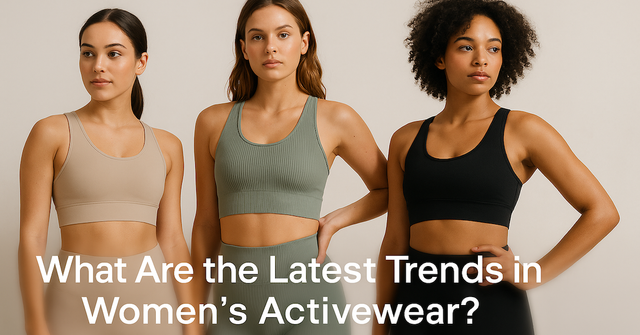
- Minimalist designs: Simple, neutral colors with clean lines.
- High-rise leggings: Offer more support and coverage.
- Multi-purpose pieces: Clothes that work for the gym, home, or errands.
A non-obvious insight: Many people now buy activewear pieces that can be layered or adjusted, like zip-off sleeves or reversible tops.
How To Spot Good Quality Activewear
Not all activewear is created equal. Here’s how to tell if a piece is worth buying:
- Check the seams: Flat, strong seams prevent chafing and last longer.
- Stretch test: Pull the fabric gently—good activewear returns to shape.
- Look for gussets: Extra fabric in the crotch or underarms allows more movement.
- Read reviews: Other buyers can tell you if the fabric pills, stretches out, or fades.
- Feel the weight: Lightweight is good, but too thin can be see-through.
A practical tip: Hold leggings up to the light and stretch them. If you can see through the fabric, try another pair.
Credit: www.rosshighlandpark.com
Where To Buy Activewear
You can find activewear in many places:
- Sports stores: Offer a wide range of brands and expert advice.
- Brand stores: Specialize in one brand’s products.
- Online retailers: Amazon, Zappos, and others have huge selections.
- Direct-to-consumer brands: Many new brands sell only online for lower prices.
A non-obvious insight: Some online stores offer free returns, so you can try several sizes or styles at home.
The Social Impact Of Activewear
Activewear is more than just clothing. It can help break down barriers and encourage more people to be active. For example:
- Inclusive sizing: More brands now offer clothes for all shapes and sizes.
- Adaptive activewear: Some lines are designed for people with disabilities.
- Body-positive marketing: Ads feature real people, not just models.
A practical example: Community fitness events often encourage participants to wear comfortable, supportive activewear, making exercise more accessible for everyone.
Frequently Asked Questions
What Is The Difference Between Activewear And Regular Sportswear?
Activewear is designed for exercise and movement, focusing on performance features like stretch and moisture control. Sportswear can include casual or fashion items inspired by sports, but may not have the same technical qualities.
Can I Wear Activewear All Day?
Yes, many people wear activewear for daily activities. Look for pieces that balance comfort, style, and performance. However, change out of sweaty clothes after exercise to avoid skin irritation.
How Do I Wash And Care For Activewear?
Wash in cold water, avoid fabric softeners, and air dry when possible. Always check the label for specific instructions. Don’t leave sweaty clothes in a bag for long periods.
Is Sustainable Activewear As Good As Regular Activewear?
Many sustainable options perform just as well as traditional activewear. Look for products with real certifications and read reviews to check durability and comfort.
Where Can I Find More Information About Activewear Technology?
You can find reliable updates and information about activewear technology on sites like Wikipedia or from official brand websites.
Activewear isn’t just a passing trend—it’s a smart, functional choice that supports active, comfortable living. When you choose the right pieces for your body, activity, and style, you’ll see and feel the benefits every day.
