

Top 10 T-Shirt Brands in the World (2026)
T-shirts are everywhere—on the street, in the office, at wild parties, and probably on your neighbor’s dog. They’re more than just clothes. T-shirts speak for us, sometimes louder than our mouths do. But with so many brands out there, how do you know which ones are the real MVPs?
If you’ve ever bought a “premium” tee that felt like sandpaper or shrank to doll size after one wash, you know the struggle is real.
Let’s cut through the hype and endless logos. Here’s an up-to-date guide to the top 10 T-shirt brands in the world for 2026. We’ll look at what makes them stand out, how they win fans, and a few surprises only T-shirt nerds usually know. Whether you want classic, luxury, eco-friendly, or just something that won’t make you itch, you’ll find your perfect match here. Warning: After reading, you might become a T-shirt snob.
1. Nike
When you think of T-shirts with global impact, Nike probably pops into your mind right after swooshy sneakers and “Just Do It.” The American giant isn’t just about sports; it’s about lifestyle. In 2026, Nike leads the way with innovation, comfort, and style that makes people say, “I’ll take three, please.”
Nike’s T-shirts use Dri-FIT technology, which means you stay dry even if you’re running, dancing, or just sweating through a meeting. Their designs are both classic and trendy—sometimes both at once, which feels like magic. Collaboration is also Nike’s superpower. Expect limited edition tees with artists, athletes, and, occasionally, cartoon characters.
Nike’s range is broader than many realize. Beyond the sports world, they have lines for skateboarding, streetwear, and even luxury-inspired pieces. Their “NikeLab” collections, for example, experiment with fabric blends and futuristic cuts, pushing what a T-shirt can be. It’s why you’ll see Nike tees at fashion weeks and on everyday people alike.
A fun fact: Nike sells over 100 million T-shirts every year—enough to supply the entire population of Egypt and still have spares for your cat.
But it’s not just numbers. Nike invests heavily in sustainability, using recycled polyester and organic cotton in many lines. In 2026, about 75% of their cotton comes from sustainable sources. If you want something that looks good and feels good (for your conscience too), Nike is a safe bet.
One thing beginners often miss: Nike’s T-shirt lines are often regional. For example, exclusive prints may appear only in Japan or Europe, so global collectors often hunt rare versions online.
2. Adidas
If Nike is the king, Adidas is at least the prince (or maybe the really cool uncle). Adidas is known for its clean designs, iconic three stripes, and a reputation for lasting quality. In 2026, Adidas T-shirts are everywhere from gyms to music festivals.
The secret sauce? Adidas is obsessed with performance fabrics. Their “AEROREADY” T-shirts keep you cool and dry, perfect for anyone who sweats—so, basically, everyone. But don’t think they’re all sports and no fun. Adidas collaborates with fashion designers, musicians, and even video game creators to create unique, limited-edition T-shirts.
For example, the Adidas x LEGO and Adidas x Star Wars collections have drawn fans from outside the sports world. These collaborations blend playful graphics with technical fabrics, making them favorites for both collectors and casual wearers.
Adidas also pushes hard on the eco-friendly pedal. They’ve pledged to use 100% recycled polyester in all their products by 2026, and they’re well on their way. If you buy an Adidas tee now, you’re supporting a brand that’s serious about the planet.
Here’s a quirky insight: Adidas once released a T-shirt that could double as a soccer goal net. It didn’t catch on, but you have to admire the creativity.
Another thing to note: Adidas T-shirts often have UV protection built in—a bonus for outdoor sports lovers, but something many don’t realize when choosing between brands.
3. Uniqlo
You might not see Uniqlo’s logo from across the street, but ask anyone who values comfort, and you’ll hear nothing but praise. Uniqlo is the master of simple, high-quality basics at prices that make your wallet sigh with relief.
Their UT (Uniqlo T-shirt) line is famous for fun collaborations—think anime, artists, and pop culture icons. In 2026, you can find T-shirts featuring everything from famous paintings to viral internet cats (yes, really). Uniqlo’s secret weapon is its fabric. Their “AIRism” technology makes T-shirts that are so light and breathable, you’ll wonder if you’re wearing anything at all (don’t panic, you are).
Uniqlo also offers HEATTECH T-shirts, which are ideal for cold weather. These tees use special fibers to trap warmth, keeping you comfortable even when the temperature drops. Many first-time buyers don’t realize Uniqlo’s range includes both summer and winter-ready options.
What beginners often miss: Uniqlo’s sizing is consistent globally. If you’re a Medium in Tokyo, you’re a Medium in Paris. That saves a lot of return shipping and heartbreak.
Uniqlo also leads in sustainability. In 2026, over 90% of their cotton is certified sustainable. If you want affordable, stylish, and eco-conscious tees, Uniqlo is the quiet hero.
A practical tip: Uniqlo’s T-shirts tend to hold their shape even after many washes, thanks to their focus on quality stitching and fabric blends. This makes them great for people who want basics that last.
4. Supreme
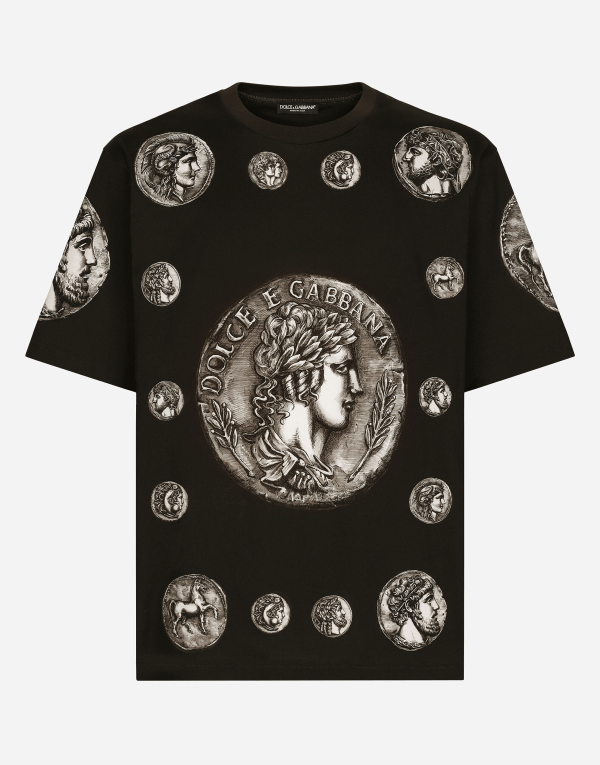
If you’ve ever seen a plain white T-shirt selling for the price of a small car, it was probably Supreme. This New York-based brand is both loved and mocked for its hype-driven releases, but there’s no denying its influence.
Supreme T-shirts are streetwear gold. Every Thursday, fans line up (sometimes for days) to grab the latest drop. Designs range from bold logos to unexpected art—one year, they even sold a tee featuring a brick. In 2026, Supreme still masters the art of “limited edition.
” If you get one, you’re basically a fashion VIP.
But it’s not just about hype. Supreme uses high-quality cotton and has strict quality control. Many T-shirt collectors say Supreme tees last longer and hold their shape better than cheaper brands. One non-obvious insight: Supreme’s resell market is massive. A T-shirt bought for $50 can sometimes resell for $500 or more. If your grandma gave you an old Supreme tee, don’t wear it to paint the house—check its value first!
Supreme’s influence is so big that even luxury brands want to collaborate. In 2026, Supreme x Louis Vuitton is still breaking the internet.
Another detail: Supreme often includes small, hidden design touches—like unique tags or subtle embroidery—that only true fans notice. This makes each release feel special and collectible, beyond just the big logo.
Credit: zhanpeifang.com
5. H&m
When it comes to affordable fashion, H&M is the king of the high street. This Swedish giant sells millions of T-shirts every year, and their secret is simple: decent quality, lots of styles, and prices that mean you can buy one for each day of the week (and still afford lunch).
H&M’s range is huge. From basic white tees to the latest graphic trends, there’s something for every taste. One thing people often miss: H&M’s “Conscious” line. In 2026, more than 80% of H&M’s cotton is organic or recycled. You can even recycle your old clothes in-store and get a discount—yes, the circle of T-shirt life is real.
H&M is also quick to spot trends. If a celebrity wears a neon T-shirt today, expect it at H&M next week. Their fast-fashion approach means you’ll never feel outdated.
A quirky detail: H&M once made a T-shirt from “lemon waste fiber” as a sustainability experiment. It didn’t become a bestseller (probably too zesty), but it shows they’re always trying new things.
Beginners often overlook H&M’s wide range of fits—from extra slim to oversized. This makes it easier to find something that matches your personal style, even if you’re not a standard size.
6. Ralph Lauren
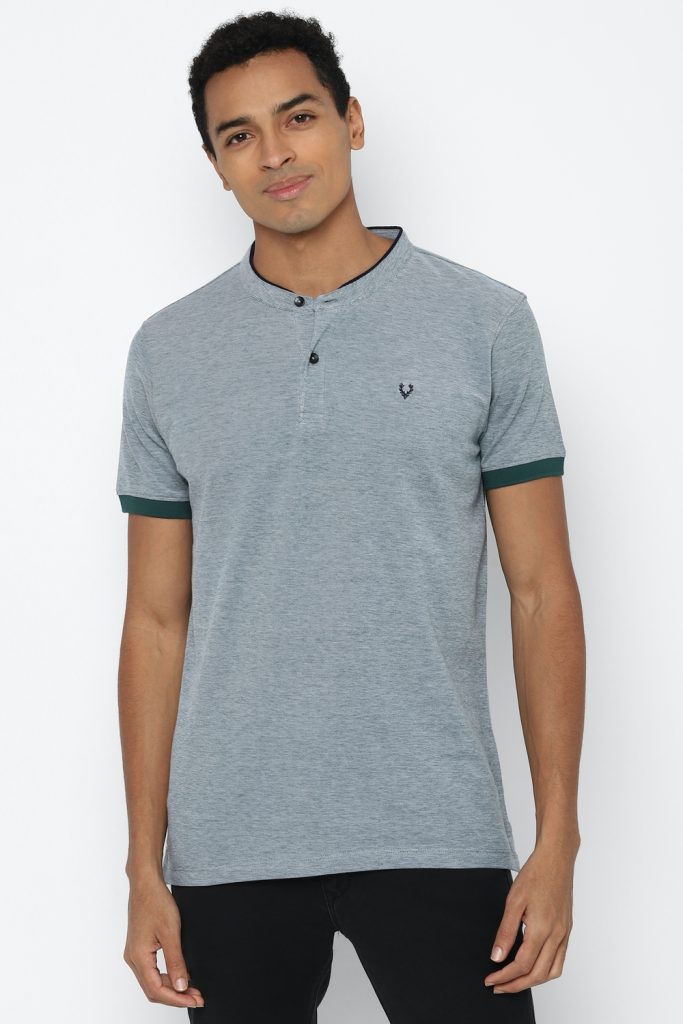
Ralph Lauren is what happens when T-shirts put on a tie and go to Harvard. Known for the famous polo player logo, Ralph Lauren T-shirts are all about classic American style and subtle luxury.
Their Polo line is the gold standard for preppy, well-fitted T-shirts. The cotton is soft, thick, and feels like it was spun by angels (or at least, very skilled cotton farmers). In 2026, Ralph Lauren offers both traditional styles and modern fits, so you’ll find something whether you want to impress at brunch or just look polished while walking the dog.
One insight most miss: Ralph Lauren’s attention to color. They run more than 100 shades of blue alone in their T-shirt lines. If you ever argue about “is this navy or midnight blue?”—with Ralph Lauren, you’re both right.
Ralph Lauren also invests in sustainable production. By 2026, over 70% of their cotton is certified sustainable. If you want a T-shirt that says “I have taste, but I’m not shouting about it,” Ralph Lauren is your brand.
Here’s a tip: Ralph Lauren’s T-shirts are often tailored with small details—like reinforced collars or subtle stitching—that help them keep their shape over time, even with frequent wear.
Credit: g3fashion.com
7. Levi’s
When you hear “Levi’s,” you probably think jeans. But Levi’s T-shirts are just as iconic. They’re the go-to choice for vintage lovers and anyone who wants a casual, timeless look.
Levi’s tees often feature the classic batwing logo or bold graphics inspired by music and pop culture. In 2026, Levi’s continues to mix nostalgia with modern trends. Their T-shirts are made with heavier-weight cotton, which means they last longer and feel more substantial—no flimsy fabric here.
A surprising fact: Levi’s invented the first-ever commercial blue jeans back in 1873, but their T-shirts didn’t become mainstream until the 1970s. Now, their tees are as much a part of youth culture as their denim.
Levi’s is also serious about the environment. They use Water
Collectors often look for Levi’s vintage T-shirts, which can fetch high prices on resale markets, especially if they have original tags or unique graphics from decades past.
8. Tommy Hilfiger
If you want a T-shirt that says “I’m cool, but not trying too hard,” Tommy Hilfiger is your answer. The brand is famous for its red, white, and blue flag logo, and its T-shirts have a sporty, all-American style.
Tommy Hilfiger’s tees are made from soft, durable cotton and come in a wide range of fits. In 2026, they offer both classic crewnecks and trendy oversized cuts. Their signature colors and simple designs make them easy to match with anything—from jeans to fancy shorts (yes, those exist).
What’s unique: Tommy Hilfiger was one of the first big brands to create “adaptive” T-shirts—designed with special features for people with disabilities. These include magnetic closures and easy-open seams. It’s a detail that shows the brand cares about real inclusivity.
Tommy Hilfiger is also making big steps in sustainability, aiming for all cotton to be organic or recycled by 2026. If you like brands that mix heritage with innovation, Tommy is a top choice.
A lesser-known detail: Tommy Hilfiger sometimes produces “limited edition” T-shirts for special events or causes, which can become collector’s items. These often have unique designs or feature signatures from celebrities.
9. Gucci
Not everyone thinks of luxury when they think of T-shirts, but Gucci has changed the game. Owning a Gucci tee is like having a sports car for your torso—flashy, expensive, and guaranteed to get attention.
Gucci’s T-shirts feature bold logos, wild prints, and sometimes even embroidered snakes or tigers (which, thankfully, do not bite). In 2026, Gucci continues to play with fashion rules, mixing vintage vibes with modern edge. These tees are made from premium cotton and often come in limited editions.
A non-obvious insight: Gucci T-shirts are more than fashion statements—they’re collectibles. Some limited-edition tees increase in value over time, making them an investment (or a risky bet, depending on your luck).
Gucci is also going green. By 2026, they pledge that 100% of their T-shirts will use eco-friendly materials. If you want to impress at a party, or just want your T-shirt to have a better Instagram following than you do, Gucci is the ultimate flex.
A practical note: Gucci’s sizing can run differently from mass-market brands, so double-check size charts before buying. Also, their care labels often recommend dry cleaning—an extra step for luxury maintenance.
10. Gildan
You might not know the name, but you’ve probably worn a Gildan T-shirt. They’re the secret ingredient behind thousands of printed tees, uniforms, and concert souvenirs around the world.
Gildan is the world’s largest blank T-shirt supplier. Their T-shirts are known for being affordable, comfortable, and reliable. In 2026, Gildan is everywhere—from high school events to startup launch parties.
What sets Gildan apart is their massive range of colors and fits. Want a neon pink V-neck? Gildan has it. Their production is highly automated, which keeps prices low. But don’t think cheap means low quality. Their “Ultra Cotton” line is thick and soft, and their tees hold up well to washing (and ketchup accidents).
A cool fact: Gildan produces over 1.5 billion T-shirts every year—enough for everyone on Earth to have one, with leftovers for your cat (again). They’re also a leader in ethical manufacturing, investing in fair labor and green energy.
If you want a blank canvas for your creativity (or just need 100 matching shirts for your family reunion), Gildan is the go-to brand.
Another helpful tip: Gildan’s T-shirts are often pre-shrunk, so you won’t get any rude surprises after laundry day. This makes them ideal for custom printing, as the size stays true from start to finish.
Comparing The Top 10 T-shirt Brands In 2026
Let’s see how the biggest names stack up in some key areas. Here’s a handy overview:
| Brand | Founded | Country | Main Strength | Sustainability Efforts |
|---|---|---|---|---|
| Nike | 1964 | USA | Performance & Style | Recycled materials, organic cotton |
| Adidas | 1949 | Germany | Sports innovation | 100% recycled polyester target |
| Uniqlo | 1949 | Japan | Quality basics, collaborations | 90% sustainable cotton |
| Supreme | 1994 | USA | Streetwear, limited editions | High-quality materials, small runs |
| H&M | 1947 | Sweden | Fast fashion, trends | 80% organic/recycled cotton |
| Ralph Lauren | 1967 | USA | Classic luxury | 70% sustainable cotton |
| Levi’s | 1853 | USA | Heritage, durability | Water |
| Tommy Hilfiger | 1985 | USA | Preppy, adaptive wear | Organic/recycled cotton goal |
| Gucci | 1921 | Italy | Luxury, bold designs | 100% eco-friendly by 2026 |
| Gildan | 1984 | Canada | Mass production, affordability | Ethical factories, green energy |
What Makes A Great T-shirt Brand?
Not all T-shirts are created equal. Here’s what really matters when choosing a brand in 2026:
- Fabric Quality: Softness, durability, and how it feels after five washes. Don’t trust any T-shirt that already feels like sandpaper in the store. Brands like Uniqlo, Ralph Lauren, and Nike put huge focus on fabric research, which is why their tees often outlast cheaper options.
- Fit and Style: Some brands run slim, some boxy. Check sizing charts, especially when shopping online. If you like a relaxed fit, brands like Gildan or H&M offer more options, while Supreme and Ralph Lauren often stick to classic or fitted cuts.
- Sustainability: Eco-friendly materials and ethical factories are now expected, not just a bonus. Look for certifications like “Better Cotton Initiative” or “Global Organic Textile Standard” on product tags.
- Design Variety: Whether you want simple basics or wild graphics, the best brands offer both. Nike, Adidas, and Uniqlo excel at mixing basics with limited-edition prints, while Gucci and Supreme focus on bold, attention-grabbing designs.
- Brand Reputation: A brand’s history says a lot. Look for consistent quality and happy customers. Checking online reviews or talking to friends can help spot brands that deliver on their promises.
Here’s a quick look at price and style variety for our top 10:
| Brand | Average Price (USD) | Style Variety | Best for |
|---|---|---|---|
| Nike | $25-$50 | High | Sports, casual |
| Adidas | $25-$45 | High | Activewear, street |
| Uniqlo | $15-$30 | Medium-High | Basics, pop culture |
| Supreme | $40-$200+ | Low (but unique) | Streetwear, collectors |
| H&M | $10-$25 | Very High | Trendy, affordable |
| Ralph Lauren | $40-$90 | Medium | Classic, preppy |
| Levi’s | $25-$40 | Medium | Casual, vintage |
| Tommy Hilfiger | $30-$60 | Medium | Preppy, adaptive |
| Gucci | $400-$700 | Low (high-end) | Luxury, statement |
| Gildan | $3-$10 | Very High | Bulk, printing |
Two Key Insights Most People Miss
- Limited Edition T-Shirts Can Be Investments: Some tees, especially from brands like Supreme or Gucci, can increase in value after release. This isn’t true for every shirt, but rare designs or collaborations sometimes sell for 10x their original price on resale platforms. If you’re a collector, learning to spot “hot” releases is like spotting a rare coin—timing and knowledge are everything.
- Sustainability Is Now Mainstream: Just five years ago, “eco-friendly” was a rare label. In 2026, almost every major brand has strong sustainability goals, and many are close to 100% organic or recycled materials. If you care about the planet, you have more choices than ever. Even budget brands like H&M and Gildan are innovating to reduce waste and water use.
Another bonus insight: T-shirt brands now offer more “genderless” and “adaptive” styles, making it easier for everyone to find a comfortable fit.
Practical Buying Tips For 2026
- Watch for Counterfeits: Popular brands like Supreme and Gucci are often copied. Buy from official stores or trusted retailers. Sometimes fakes even have convincing tags, so always check reviews and, if possible, the packaging details.
- Check Sizing Guides: International brands sometimes use different size charts. Always check before ordering—nobody enjoys a T-shirt that fits like a sausage casing.
- Care Instructions Matter: Some premium tees need gentle washing. Following the label keeps your shirt looking good (and avoids surprises). For example, luxury brands may recommend air drying, while basics can handle a tumble dryer.
- Don’t Overpay for Hype: If a brand is charging $500 for a basic tee, make sure you really want it—not just the logo. Sometimes, you’re paying for exclusivity or a special collaboration, so know what you’re buying.
- Try Before You Buy: If possible, feel the fabric and check the fit in person. Online photos can be deceiving—just like dating profiles.
- Look for Limited-Edition Drops: Brands like Uniqlo and Adidas often release special editions that sell out quickly. Signing up for newsletters or following social media can help you catch these before they disappear.
Fun Facts About T-shirt Culture
- The world’s most expensive T-shirt sold for $400,000—made with diamonds and gold thread. No, it did not come with a matching crown.
- The average person owns 27 T-shirts (and wears the same five over and over).
- The first printed T-shirt appeared in the 1940s, but graphic tees didn’t become a mass trend until the 1970s.
- T-shirts have been used for political messages, art, protest, and even as wearable tech (yes, some tees now have built-in LED displays).
Where To Learn More
If you want to dive deeper into the history and evolution of T-shirts, check out this great resource: Wikipedia: T-shirt.
Credit: g3fashion.com
Frequently Asked Questions
What Is The Most Popular T-shirt Brand In 2026?
Nike holds the top spot for popularity worldwide. They combine innovation, comfort, and style, making them a favorite for sports fans, fashion lovers, and anyone who wants to look good while eating pizza.
Which T-shirt Brand Is Best For Sustainability?
Many top brands focus on sustainability, but Uniqlo, Adidas, and H&M are leading in 2026. They use organic cotton, recycled materials, and ethical factories to produce eco-friendly T-shirts at scale.
Why Are Supreme And Gucci T-shirts So Expensive?
It’s all about limited releases, high-quality materials, and brand prestige. Supreme and Gucci often produce small batches, which increases demand and price. You’re paying for exclusivity and, sometimes, a little bit of madness.
What Is The Difference Between Uniqlo And Gildan T-shirts?
Uniqlo focuses on design, collaborations, and technology-driven comfort (like AIRism). Their tees are stylish and consistent in quality. Gildan is best for basics and bulk orders—great for custom printing or everyday wear, but less about fashion trends.
Can I Buy These Top T-shirt Brands Online?
Absolutely. All these brands have official websites, and most are available on popular online platforms. Just be careful with sizing and watch out for counterfeit products, especially for Supreme and Gucci.
---
Whether you want a T-shirt for sports, style, or just comfort, these top 10 brands in 2026 have you covered. Choose wisely, wear proudly, and remember: life’s too short for boring T-shirts.
)