

Tees T Shirt Trends: Must-Have Styles for 2024
In the world of fashion, one item always stands out. No matter your age, job, or style, the tees t shirt is a universal favorite. Maybe you wear it for comfort on lazy Sundays. Maybe you show off your favorite band or a funny quote. Or maybe you simply want to look cool without trying too hard. Whatever your reason, the humble t-shirt is a superstar in closets everywhere.
But why does this simple piece of cloth have such a big impact? How did it become the most democratic item in fashion—worn by CEOs, students, artists, and even your grandma at yoga class? Let’s take a deep dive into the world of tees t shirts. We’ll cover history, styles, fabrics, buying tips, care secrets, and even what your t-shirt says about you (spoiler: more than you think). By the end, you’ll be the t-shirt expert at your next party—just don’t blame us if people start asking you to design the next family reunion shirt.
The Surprising History Of Tees T Shirt
You probably never think about where the t-shirt came from while pulling it over your head. But the t-shirt’s journey is as interesting as its designs.
It all started in the early 1900s, when the U. S. Navy gave their sailors a short-sleeved, cotton undershirt. It was simple, comfortable, and easy to wash. In a way, it was the first “official” t-shirt. But the real explosion happened after World War II, when soldiers came home and kept wearing their undershirts in public.
Hollywood took notice—think of Marlon Brando in “A Streetcar Named Desire”—and suddenly, t-shirts were cool.
By the 1960s, tie-dye and printed t-shirts became symbols of youth culture and protest. Flash forward to 2026, and the t-shirt is everywhere, from luxury runways to your neighbor’s dog (yes, dog t-shirts are a thing now).
Types Of Tees T Shirt: So Many Choices, So Little Closet Space
If you’ve ever walked into a store and felt overwhelmed by the t-shirt wall, you’re not alone. Here are the main types you’ll find in 2026:
- Crew Neck: The classic round neck. It suits almost everyone and works for every occasion, except maybe your wedding.
- V-Neck: Slightly dressier. Shows off your neck and makes you look taller (science-ish).
- Scoop Neck: Wider and deeper than crew neck. Great for a relaxed, boho look.
- Henley: Like a crew neck, but with a few buttons. For when you want to look “effortlessly rugged.”
- Polo T-Shirt: With a collar and buttons. Good for golf, casual Fridays, and pretending you know about horses.
- Long Sleeve T-Shirt: Same as a crew or v-neck, but with sleeves that fight the cold.
- Raglan (Baseball T-Shirt): Sleeves in a different color, usually ¾ length. Makes you look sporty, even if your last workout was in 2021.
- Graphic Tee: Any t-shirt with a printed design or slogan. From memes to masterpieces.
- Pocket T-Shirt: A small pocket on the chest. Good for tiny snacks or pretending you need to carry a pen.
- Muscle Tee: Sleeveless and fitted. Perfect for the gym—or showing off biceps you drew with a marker.
- Tank Top: No sleeves at all. Great for summer, layering, or pretending you’re at the beach.
- Crop Tee: Shorter length, shows off your midriff. Popular with Gen Z and people with brave belly buttons.
- Oversized Tee: Big, baggy, and ultra-comfortable. Ideal for napping, dancing, or both at the same time.
- Performance Tee: Made from technical fabrics for sports. Wicks sweat, reduces odor, may not improve your football skills.
- Thermal Tee: Made for warmth. Good for layering in winter or pretending you’re training for Everest.
Each type serves a different mood, activity, or fashion statement. The best part? There’s no rule saying you can only pick one.
The Science Of T-shirt Fabrics
When you touch a t-shirt, you’re really feeling the fabric. Here’s what’s inside your favorite tees:
- Cotton: The king of t-shirt fabrics. Soft, breathable, and easy to wash. But not all cotton is the same—there’s basic, combed, ring-spun, and organic. Organic cotton is better for the planet and your skin, but you might pay a bit more.
- Polyester: Lightweight and dries fast. Popular for sports tees because it wicks away sweat. Some people find it less soft than cotton, but it holds color well.
- Blends: The most common is a cotton-polyester blend. You get the softness of cotton and the durability of polyester. Best of both worlds.
- Rayon/Viscose: Adds stretch and a silky feel. Used in fashion tees for that “draped” look.
- Bamboo: Soft, eco-friendly, and naturally antibacterial. If pandas could wear t-shirts, they’d probably pick bamboo.
- Linen: Lightweight and cool, but wrinkles easily. Good for hot weather or pretending you’re on vacation.
- Tri-Blend: Usually cotton, polyester, and rayon. Ultra-soft, with a relaxed fit.
Here’s a quick comparison of common t-shirt fabrics:
| Fabric | Softness | Durability | Best For |
|---|---|---|---|
| Cotton | High | Medium | Everyday wear |
| Polyester | Medium | High | Sports, outdoor |
| Blends | High | High | All-purpose |
| Bamboo | Very High | Medium | Eco-friendly fashion |
| Linen | Medium | Low | Summer, travel |
The Power Of The Graphic Tee
Graphic tees are more than just clothing—they’re conversation starters. Ever notice how people look at your chest before saying, “Nice shirt!”? That’s the magic of a graphic tee.
In 2026, you can find graphic t-shirts with everything: memes, art, political messages, retro logos, and even your pet’s face. Custom print shops let you design your own, so your shirt can say exactly what you’re thinking (or what you wish you were thinking at the time).
But be careful—what you wear says a lot about you. A shirt with a pizza slice might say, “I love pizza!” or “I spilled pizza on myself and now it’s a part of me. ” A shirt with a band logo might start a deep conversation—or reveal you only know one song.
Non-obvious insight: The placement of the graphic matters. Large prints in the center are classic, but small chest prints or all-over patterns are getting trendy. And some brands use “hidden” graphics inside the t-shirt for a secret message—perfect if you want to keep your jokes close to the heart.

Credit: www.nytimes.com
How To Choose The Perfect Tees T Shirt
It sounds easy: pick a t-shirt, buy, wear, repeat. But finding the right one isn’t always simple. Here’s how to make the best choice:
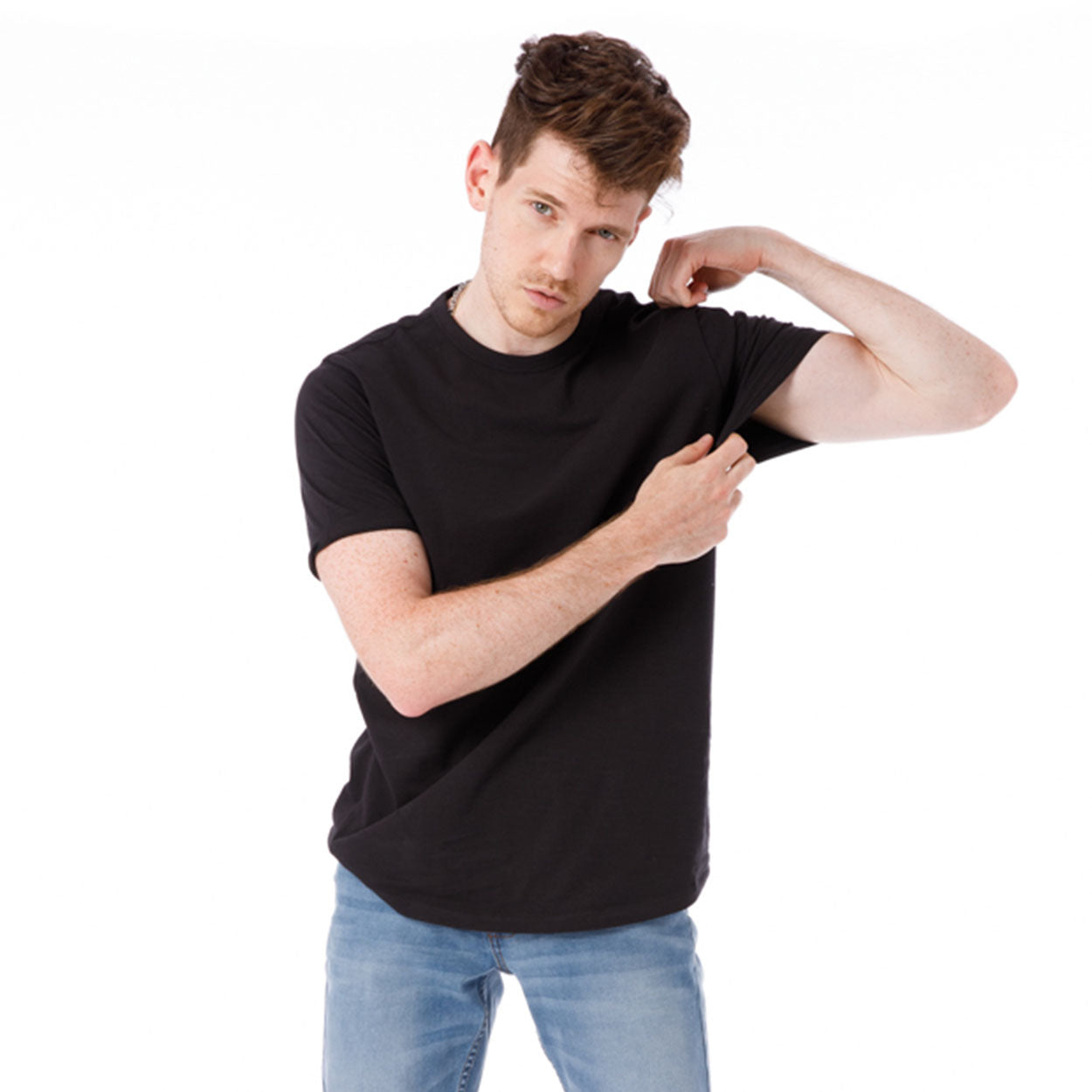
- Fit: Not too tight, not too loose. The shoulder seam should line up with your shoulder bone. Sleeves should cover about one-third of your upper arm. If you raise your arms and flash your belly, try a bigger size (unless you want to flash your belly).
- Fabric: Choose cotton for comfort, polyester for sport, blends for everyday, and bamboo if you want to impress eco-friendly friends.
- Color: White and black go with everything. Navy, gray, and olive are also versatile. Bright colors or pastels can add personality—but make sure it matches your skin tone unless you want to look like a traffic cone.
- Print/Design: Pick something you actually like, not just what’s “in.” If you’re not into unicorns, don’t buy the unicorn shirt. It’s that simple.
- Neckline: Crew neck for classic, v-neck for a longer look, scoop for casual.
- Length: The bottom should fall just below your belt line. If it covers your knees, congrats—you bought a dress.
- Price: More expensive doesn’t always mean better, but super-cheap shirts might lose their shape after one wash. Find a balance.
Here’s a quick look at the differences between major t-shirt fits:
| Fit Type | Characteristics | Best For |
|---|---|---|
| Regular | Not too tight or loose | Most body types |
| Slim | Narrower cut, hugs body | Lean or athletic |
| Relaxed/Oversized | Loose, extra room | Comfort, street style |
| Muscle | Tight on arms and chest | Showing off physique |
Non-obvious insight: Try the “hug test” before buying. Give yourself a big hug in the fitting room. If the shirt feels tight across the back, go one size up. If you can fit a watermelon under the fabric, size down.
T-shirt Trends In 2026
Fashion changes, but some things always come back. Here’s what’s hot in t-shirt land right now:
- Bold Graphics: Big logos, retro cartoons, and vintage-style art are everywhere.
- Sustainable Fabrics: Organic cotton, recycled polyester, and bamboo are in demand. People want to look good and feel good about their choices.
- Boxy Fits: The 1990s are back. Shorter, wider tees are popular with younger crowds.
- Layering: Long-sleeve tees under short-sleeve ones, or a t-shirt over a thin hoodie. Layering is not just for onions anymore.
- Minimalist Designs: Clean, simple t-shirts with no logos or just a tiny chest print.
- Custom Tees: More people use online print shops to create unique designs for events, businesses, or just for fun.
- Tech Tees: T-shirts with smart fibers that track your heart rate or keep you cool. The future is now—just don’t expect your shirt to do your laundry yet.
T-shirt Sizing Demystified
One of the most confusing parts of buying t-shirts is sizing. A “medium” in one brand is a “large” in another. Sometimes you feel like Goldilocks—one shirt is too big, one is too small, and you just want the one that’s just right.
Here’s why: different brands use different size charts, and styles can affect the fit (slim, regular, relaxed). Always check the sizing chart before buying, especially online.
Here’s a handy comparison of how sizes can differ by region:
| Region | Small | Medium | Large |
|---|---|---|---|
| USA | 34-36 in | 38-40 in | 42-44 in |
| Europe | 44-46 | 48-50 | 52-54 |
| Asia | 85-90 cm | 95-100 cm | 105-110 cm |
Tip: If you’re between sizes, go for the larger one. It’s easier to shrink a shirt in the wash than to magically make it bigger (unless you have a t-shirt stretching machine, in which case, call us).
How To Care For Your Tees T Shirt (and Avoid Shrinking Disasters)
You bought the perfect tee. Now, how do you keep it looking good? Follow these tips:
- Read the Label: Always check the washing instructions. If it says “hand wash only,” don’t put it in the washing machine with your sneakers.
- Wash in Cold Water: Hot water can shrink cotton and fade colors. Cold water is gentler on fabrics and saves energy.
- Turn Inside Out: This protects the print from rubbing against other clothes.
- Use Mild Detergent: Harsh chemicals can break down fibers and graphics.
- Avoid the Dryer: Air drying is best for most t-shirts. If you must use a dryer, use the lowest heat.
- Iron with Care: If you need to iron, do it inside out and avoid direct heat on graphics.
Bonus tip: Fold your t-shirts instead of hanging them. Hanging can stretch the neck and shoulders, especially for soft fabrics.
Non-obvious insight: If your t-shirt is wrinkled and you’re in a hurry, hang it in the bathroom while you shower. The steam will relax most wrinkles—just don’t try this with your phone.
The Social Power Of T-shirts
T-shirts are more than just clothes. They’re a canvas for expressing yourself. Want to show support for a cause? There’s a t-shirt for that. Want to make people laugh? Try a funny slogan. Want to look like you listen to indie music?
Vintage band tee, of course.
In 2026, t-shirts are often used for:
- Events: Marathons, festivals, charity runs, and family reunions all have custom tees.
- Marketing: Businesses use branded t-shirts as walking billboards.
- Protests and Movements: Slogans and logos on tees spread messages quickly.
- Gifts: Personalized tees make memorable presents.
And let’s be honest: the moment you get a free t-shirt, it instantly becomes your favorite pajama top.
The Business Of Tees T Shirt
T-shirts aren’t just a fashion staple—they’re big business. The global custom t-shirt market was worth over $4 billion in 2026 and growing fast. Why? Because everyone loves a good tee, and customization is easier than ever.
Online platforms let you design, print, and sell t-shirts with just a few clicks. You can start a t-shirt business from your couch (bonus: you can wear pajamas while doing it). Many artists, influencers, and even YouTubers sell limited-edition tees to their fans. It’s a way to make money, build a brand, or just share your creativity with the world.
Non-obvious insight: The most successful t-shirt businesses focus on niche markets. For example, shirts for left-handed guitarists, or tees for people who love both cats and astronomy. The more specific, the better.
If you’re interested in the business side, check out this resource from Wikipedia for a deep dive into t-shirt history and market trends.
Credit: theperfectjean.nyc
Classic T-shirt Moments In Pop Culture
Some t-shirts are famous. They’re iconic, instantly recognizable, and sometimes even worth thousands of dollars. A few standouts:
- “I ❤️ NY” Shirt: Designed in the 1970s, still popular in 2026. Wear it to show love for New York or just because you like hearts and letters.
- Rolling Stones Tongue Tee: The most famous band shirt of all time. Even people who don’t know the band love the design.
- “Frankie Says Relax”: Made famous by the band Frankie Goes to Hollywood in the 1980s, and still spotted at parties today.
- Che Guevara Shirt: Worn by rebels, students, and anyone who likes dramatic black-and-white faces.
- Smiley Face Tee: Simple, cheerful, and perfect for days when you want to spread good vibes.
Non-obvious insight: Collectible t-shirts can increase in value over time. Vintage concert or event tees from the 1980s and 1990s sometimes sell for hundreds or thousands of dollars. So next time you clean your closet, think twice before tossing that old tee—it could be your retirement plan.
Eco-friendly And Ethical Tees
Many people worry about how their clothes are made. T-shirts, being so popular, are a big focus for eco-friendly and ethical fashion. In 2026, you’ll find more choices than ever:
- Organic Cotton: Grown without harmful chemicals.
- Recycled Polyester: Made from plastic bottles and old clothes.
- Fair Trade: Ensures workers are paid fairly and work in safe conditions.
- Low-Impact Dyes: Reduces water and chemical use.
Look for certifications like GOTS (Global Organic Textile Standard) or Fair Trade on the label. It’s a small choice that can make a big difference.
Non-obvious insight: Eco-friendly t-shirts sometimes feel softer and last longer because they use higher-quality cotton. Plus, they’re less likely to irritate sensitive skin.

Credit: www.amazon.com
Customizing Your Own Tees T Shirt
Want a t-shirt that nobody else has? Customization is easier than ever in 2026. Here’s how:
- Online Print Shops: Websites let you upload your design, choose colors and sizes, and get your shirt shipped to your door.
- DIY at Home: You can use iron-on transfers, fabric paint, or even tie-dye kits for a one-of-a-kind look.
- Embroidery: Add your initials or a small graphic for a subtle, personal touch.
Tip: If you’re making shirts for a group, order a few extra in different sizes. Someone always forgets to send their size, or decides they want two.
Non-obvious insight: Use a vector file for your graphic if possible. Vector images scale without losing quality, so your design will look sharp on any size tee.
Tees T Shirt And Gender: Unisex, Men’s, And Women’s Styles
The t-shirt world is getting more inclusive. Many brands now offer unisex tees—cut to fit most body types. But you’ll still find men’s and women’s styles, which differ mainly in:
- Fit: Women’s tees are often more fitted at the waist and shorter in length.
- Sleeves: Women’s shirts may have shorter, more angled sleeves.
- Necklines: Wider choices in women’s styles, like scoop or boat necks.
Unisex tees are popular for events, teams, and anyone who likes a relaxed fit. If you prefer a tailored look, try both men’s and women’s styles—there are no rules.
What Your T-shirt Says About You
Believe it or not, people make judgments based on your t-shirt. Here are a few “translations”:
- Plain White Tee: You’re classic, simple, and probably have a favorite kind of bread.
- Band Tee: Music is your life. Or you just like the logo. We won’t judge.
- Funny Slogan: You have a sense of humor and want people to laugh (with you, not at you).
- Designer Logo: You like fashion and want people to know.
- Tie-Dye: You’re creative, free-spirited, and maybe went to a festival once.
- Sports Team Tee: You’re a fan—win or lose, you support your team.
Non-obvious insight: The condition of your t-shirt matters too. A well-kept vintage tee says “I’m stylish.” A stained, stretched tee says “I should do laundry.”
The Future Of Tees T Shirt
What’s next for the world’s favorite shirt? If you believe the experts (and the internet), the future is bright—and a little bit wild. We might see:
- Smart T-Shirts: Built-in sensors that track your heartbeat, steps, or even your mood.
- Color-Changing Fabrics: Shirts that react to sunlight, temperature, or your favorite playlist.
- 3D-Printed Tees: Custom fit, made on demand, with zero waste.
- Augmented Reality Graphics: Scan a shirt with your phone to unlock secret videos or messages.
One thing is certain: the t-shirt will keep evolving, but it will never go out of style.
Frequently Asked Questions
What Is The Difference Between A Tee And A T-shirt?
The word tee is just a short way of saying “t-shirt.” Both mean the same thing—a shirt shaped like the letter “T.” Sometimes, “tee” sounds more casual, but there’s no real difference.
How Do I Stop My T-shirts From Shrinking?
Wash your t-shirts in cold water and air dry them. Avoid hot dryers, which can shrink cotton shirts fast. Also, check the label for special care instructions.
Are Expensive T-shirts Really Better?
Not always. Higher price can mean better fabric or construction, but sometimes you just pay for the brand name. Look for good stitching, soft fabric, and a fit you like. Sometimes, mid-priced shirts offer the best value.
Can I Design My Own T-shirt Online?
Yes! In 2026, many websites let you upload your design, choose colors and sizes, and order custom tees. It’s perfect for events, gifts, or showing off your creativity.
What Is The Most Eco-friendly T-shirt Fabric?
Organic cotton and bamboo are two of the most eco-friendly options. Recycled polyester is also good if you want to reduce plastic waste. Look for certifications like GOTS or Fair Trade to make sure.
The next time you slip into your favorite tees t shirt, remember: you’re wearing a piece of history, art, and maybe even technology. Whether you like plain white, wild graphics, or something in between, the t-shirt is here to stay—one comfy, stylish, and sometimes hilarious layer at a time.
