

Tees Shirts: Trendy Styles to Upgrade Your Wardrobe
Tees Shirts: The Complete Guide to Styles, Fabrics, and Choosing the Best
T-shirts, often called tees shirts, are everywhere. They are the clothes people wear at home, at work, in sports, and even at special events. Their power is in their simplicity. A single T-shirt can show your style, keep you comfortable, and sometimes even send a message. But what makes tees shirts so popular? And how do you choose the right one for you? This guide gives you everything you need to know—whether you are buying your first tee or want to understand the details behind the world’s favorite shirt.
What Makes Tees Shirts So Popular?
People love T-shirts for many reasons. First, they are easy to wear. You do not need to think much—just grab one, and you are ready to go. Second, they match with almost anything: jeans, shorts, skirts, or even under a jacket. Third, they come in every style, from plain to printed, from classic to trendy.
Another big reason is comfort. Most T-shirts are made with soft fabric and have a simple cut, so you can move easily. They are also affordable. You can find a basic tee for a few dollars, but there are also luxury options for people who want something special.
Finally, T-shirts are like a blank canvas. You can print art, slogans, logos, or anything you like. This is why many companies, music bands, and sports teams use T-shirts for their fans.
Main Types Of Tees Shirts
There are many types of T-shirts, each with its own look and use. Here are some of the most popular:
1. Crew Neck
The crew neck is the most classic T-shirt style. It has a round neckline that fits close to your neck. It works well for casual and smart-casual outfits. Almost everyone has at least one crew neck tee.
2. V-neck
A V-neck T-shirt has a neckline that forms a “V” shape. This style makes your neck look longer and gives a slimmer appearance. Many people wear V-necks under shirts, but they also look good on their own.
3. Scoop Neck
The scoop neck has a deeper, wider neckline than a crew neck. It gives a relaxed, stylish look and is popular among both men and women.
4. Henley
The Henley is like a crew neck but with a buttoned placket (usually two to five buttons). It looks a bit more dressed up than a regular tee and adds variety to your wardrobe.
5. Polo Shirt
A polo shirt is a T-shirt with a collar and usually two or three buttons. It is often made from thicker fabric. Polos are great for casual business events and sports like golf or tennis.
6. Raglan Sleeve
Raglan sleeve tees have sleeves that extend in one piece fully to the collar, giving a diagonal seam from underarm to collarbone. This style is common in baseball shirts.
7. Longline
Longline T-shirts have a longer body than regular tees. They are trendy, especially in streetwear fashion.
8. Muscle Fit
The muscle fit tee is cut to show off the arms, chest, and shoulders. It is popular with people who work out and want to show their shape.
9. Oversized
Oversized tees are loose and baggy. They offer maximum comfort and a casual, relaxed look.
10. Pocket Tee
The pocket tee is a basic tee with a small pocket on the chest. It adds a little style and sometimes a place to keep small items.
11. Graphic Tee
A graphic tee features printed images, logos, text, or art. These let people show their personality, interests, or humor.
12. Sleeveless
The sleeveless T-shirt (sometimes called a tank top) has no sleeves. It is great for hot weather or for sports.
13. Crop Top
A crop top is a tee that ends above the waist, showing the stomach. This style is popular among women and younger people.
14. Baseball Tee
The baseball tee usually has three-quarter-length sleeves in a different color from the body. It is inspired by old baseball uniforms.
15. Thermal Tee
A thermal tee is made from a special knit fabric that traps warmth. It is good for colder weather or layering.
T-shirt Fabrics: What You Need To Know
The fabric of a T-shirt affects how it looks, feels, and lasts. Here are the most common materials:
Cotton
Cotton is the most popular fabric for tees shirts. It is soft, breathable, and absorbs moisture. There are several types of cotton:
- Regular cotton: Affordable, soft, but may shrink.
- Combed cotton: Smoother and stronger because the short fibers are removed.
- Organic cotton: Grown without chemicals. Better for the environment.
Polyester
Polyester is a synthetic material. It is lightweight, dries quickly, and resists shrinking and wrinkling. Many sports and performance tees use polyester.
Blends
Many T-shirts use a blend of cotton and polyester. This gives you the softness of cotton and the durability of polyester. Some blends include rayon or spandex for extra stretch or smoothness.
Linen
Linen tees are breathable and cool, perfect for hot climates. But they wrinkle easily.
Bamboo
Bamboo fabric is soft, eco-friendly, and has natural antibacterial properties. It is becoming more popular, but can be more expensive.
Modal
Modal is a type of rayon made from beech trees. It is very soft, smooth, and absorbs moisture well.
Tri-blend
A tri-blend mixes cotton, polyester, and rayon. This creates a soft, vintage feel that many people love.
Here is a comparison of the most common T-shirt fabrics:
| Fabric | Softness | Breathability | Wrinkle Resistance | Best Use |
|---|---|---|---|---|
| Cotton | High | High | Low | Everyday wear |
| Polyester | Medium | Medium | High | Sports, travel |
| Linen | Medium | Very High | Low | Hot weather |
| Bamboo | Very High | High | Medium | Eco-friendly choice |
| Tri-Blend | Very High | Medium | High | Casual, vintage look |
How To Choose The Right Tees Shirt
Choosing a T-shirt seems easy, but the details matter. Here is what you should look for:
1. Fit
The fit is the most important part. A good fit makes you look better and feel more confident. Here are the main fits:
- Slim fit: Follows the shape of your body without being tight.
- Regular fit: A little more room, not too loose or tight.
- Relaxed fit: Looser, for comfort and casual style.
- Muscle fit: Extra tight in the arms and chest.
Try on different fits to see what works for you. Remember, sizes are not always the same between brands.
2. Fabric
Think about where and when you will wear your T-shirt. Cotton is good for most things. Polyester works for sports. Tri-blends and modal are soft and smooth.
3. Neckline
The neckline can change your whole look. Crew necks are classic. V-necks make your neck look longer. Scoop necks give a relaxed style.
4. Color
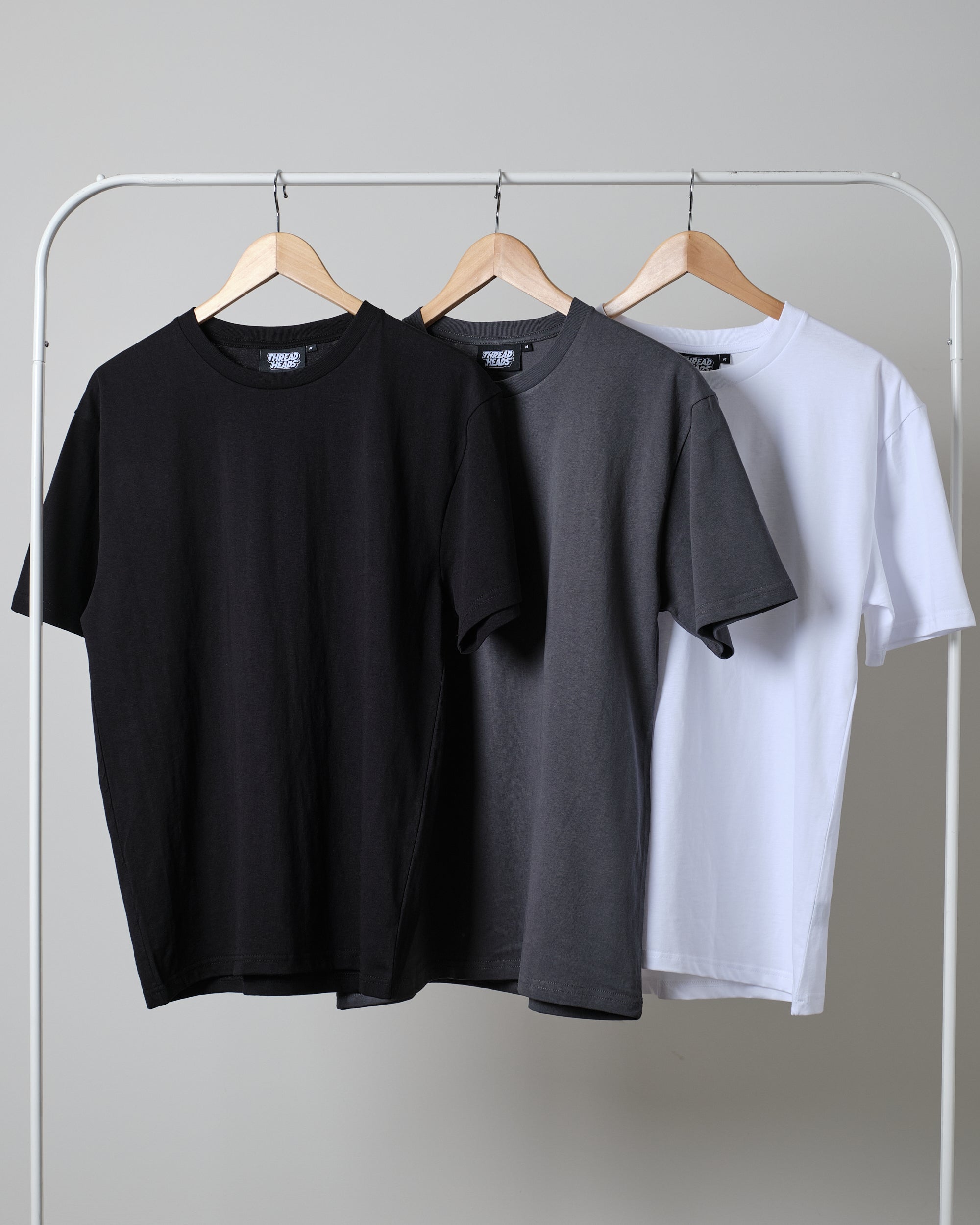
Choose colors that match your skin tone and your other clothes. White, black, grey, and navy are always safe. Bright colors and prints are good for fun or making a statement.
5. Length
The bottom of the T-shirt should cover your waistband and part of your fly, but not go past your pockets. Longline tees are for special styles.
6. Details
A pocket, buttons, or rolled sleeves add extra style. But too many details can make it look busy.
Here is a simple table to help you pick the right tee for different occasions:
| Occasion | Recommended Fit | Best Fabric | Style Tips |
|---|---|---|---|
| Work | Slim/Regular | Cotton, Polo | Plain, neutral colors |
| Sports | Regular/Muscle | Polyester | Moisture-wicking, no heavy prints |
| Casual Outing | Relaxed/Oversized | Tri-Blend, Cotton | Graphic, light colors |
| Layering | Slim | Modal, Cotton | Solid colors, thin fabric |
Credit: your.merch.google
T-shirt Sizes Explained
Finding your size can be tricky. Some brands use S, M, L, XL. Others use numbers. Always check the size chart before buying.
Most T-shirts are sized by these measurements:
- Chest: Measure under your arms, around the widest part of your chest.
- Shoulder: From one shoulder bone to the other.
- Length: From the highest point of your shoulder to the bottom hem.
Men’s and women’s tees fit differently. Women’s T-shirts are usually narrower at the waist and shorter. Some brands offer unisex sizes.
Here is a basic size comparison:
| Size | Chest (inches) | Length (inches) |
|---|---|---|
| S | 34-36 | 27 |
| M | 38-40 | 28 |
| L | 42-44 | 29 |
| XL | 46-48 | 30 |
Important tip: Wash your T-shirt before judging the fit. Some fabrics shrink a little after the first wash.
How Tees Shirts Are Made
Understanding how a T-shirt is made helps you see why some cost more or last longer.
1. Design
The process starts with a design. This can be a plain shirt or one with graphics or text. Designers decide the fit, neckline, and details.
2. Fabric Cutting
Big rolls of fabric are spread out and cut into pieces—front, back, sleeves, and neckline.
3. Sewing
Workers or machines sew the pieces together. Good stitching is important for durability. Check the inside seams—neat seams mean better quality.
4. Printing
If the T-shirt has graphics, these are printed using methods like:
- Screen printing: Best for large numbers, very durable.
- Direct-to-garment (DTG): Like an inkjet printer for fabric, great for small runs.
- Heat transfer: Uses heat to press graphics onto the shirt.
5. Finishing
Extra steps like adding a pocket, labels, or tags happen here. The shirts are then checked, folded, and packed.
Non-obvious insight: The weight of the fabric (measured in grams per square meter or GSM) matters. Heavier fabric (180 GSM and above) is more durable but less breathable. Lighter fabric (120-150 GSM) feels cooler but might be see-through.
The Power Of The Graphic Tee
Graphic tees are more than just clothes—they are a way to express yourself. People use them to show music tastes, support causes, or share jokes. Some graphic tees become collector’s items, especially if they are rare or from famous brands.
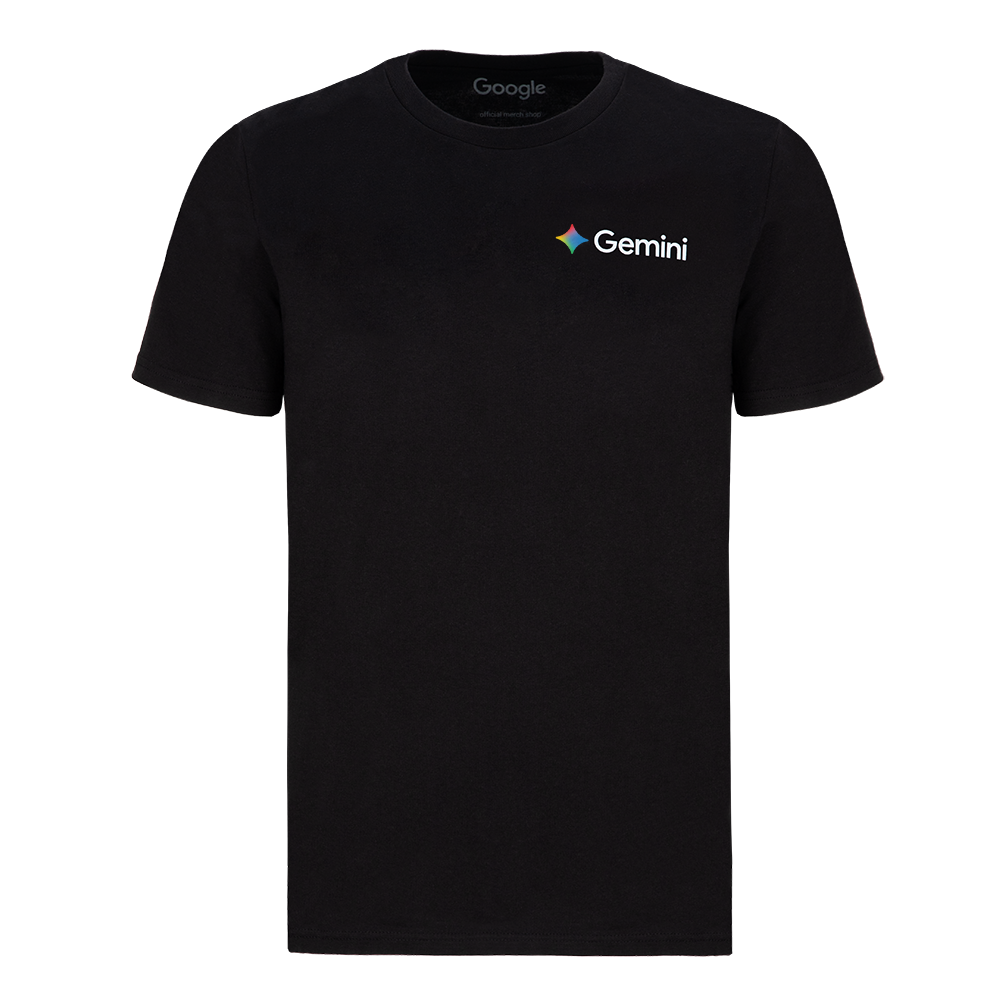
Non-obvious insight: The placement of the graphic affects how people see you. Graphics in the center are classic, but a small logo on the chest or art on the back can be more stylish and less loud.
Custom T-shirts are popular for events, teams, and businesses. Many websites let you design your own, even for just one shirt.
Sustainable Tees Shirts
More people want eco-friendly T-shirts. This means the cotton is grown without chemicals, or the shirt is made from recycled materials. Some brands use water-saving dyes or pay fair wages to workers.
When buying, look for labels like:
- Organic cotton
- Fair Trade Certified
- Recycled polyester
Buying better quality and fewer shirts helps the planet. Cheap tees often last only a few washes before losing their shape or color.

Credit: www.social-goods.com
T-shirt Care: How To Make Them Last
T-shirts look best when they keep their shape and color. Here is how to care for them:
- Wash in cold water to prevent shrinking and fading.
- Turn inside out before washing to protect prints.
- Avoid bleach unless the shirt is pure white.
- Air dry if you can. High heat from dryers can damage fabric and prints.
- Iron on low heat and avoid the printed areas.
Pro tip: Do not wash tees with towels or jeans. These rough fabrics can cause pilling or fading.
The History And Evolution Of Tees Shirts
T-shirts started as undergarments for soldiers and workers. They became popular because they were easy to move in and keep clean. Soon, actors and musicians started wearing them in public, turning them into symbols of rebellion and style.
Today, T-shirts are part of every culture. From simple white tees to luxury designer versions, the T-shirt’s journey shows how something simple can become iconic.
If you want to read more about the history of T-shirts, check out this resource on Wikipedia.
Common T-shirt Myths And Mistakes
Many people believe certain things about T-shirts that are not true. Here are a few:
- Myth: Expensive T-shirts always last longer.
Reality: Sometimes, you pay for the brand, not the quality. Always check fabric and stitching.
- Myth: All cotton tees shrink the same.
Reality: Pre-shrunk or combed cotton shrinks less.
- Myth: One size fits all.
Reality: Even “unisex” tees can fit people differently. Try before you buy if you can.
- Mistake: Drying on high heat.
This damages the fabric and print quickly.
- Mistake: Ignoring the care label.
Each fabric has special needs—read the tag.
Styling Tips: How To Wear Your Tees Shirts
T-shirts can be part of almost any outfit if you style them well.
- For a clean look: Pair a plain crew neck with jeans and sneakers.
- For a smart casual style: Wear a polo or Henley with chinos and a blazer.
- For layering: Use a slim-fit tee under a shirt or jacket.
- For summer: Try a graphic tee with shorts and sandals.
- For sports: Choose a polyester tee with moisture-wicking.
Non-obvious tip: Tuck in your T-shirt for a sharp look—especially with high-waisted pants or under a suit jacket.
Credit: threadheads.com
Tees Shirts For Special Uses
Sports And Fitness
Sports tees are made from moisture-wicking fabrics. They keep you dry and cool. Look for flat seams to prevent chafing.
Uniforms And Work
Many businesses use branded tees for uniforms. They are easy to clean and give a team look.
Events And Promotions
Tees are used for concerts, charity runs, and company events. They are affordable and turn people into walking ads.
Sleeping And Lounging
Soft, relaxed-fit T-shirts are perfect for sleepwear or relaxing at home.
The Future Of Tees Shirts
Technology and fashion are changing how we see T-shirts. Now, there are smart tees that track your heart rate, or shirts made from recycled ocean plastic. Personalized tees are also easier to make, thanks to online design tools.
People are also looking for more sustainable options—expect to see more organic and recycled fabrics in stores.
Frequently Asked Questions
What Is The Best Fabric For A T-shirt?
The best fabric depends on your needs. Cotton is soft and breathable for everyday use. Polyester is best for sports and quick drying. Tri-blends are soft and have a vintage feel. If you care about the environment, look for organic cotton or bamboo.
How Can I Tell If A T-shirt Is Good Quality?
Check the stitching—it should be even with no loose threads. Feel the fabric—good cotton is smooth, not rough. Stretch the shirt gently; it should return to shape. Also, look at the print; it should not crack or peel easily.
Why Do Some T-shirts Lose Shape After Washing?
This usually happens with low-quality fabric or poor stitching. Washing in hot water or drying on high heat can also damage the fibers. Always follow the care label and avoid high heat.
Are Expensive Tees Shirts Worth It?
Sometimes, but not always. Expensive tees may use better fabric and last longer, but you can find high-quality options at lower prices too. Always compare fabric, fit, and stitching before paying more.
Can I Wear A T-shirt For Formal Occasions?
You can, but be careful. For a smart look, choose a plain, slim-fit tee in a dark color. Pair it with a blazer or suit. Avoid graphic prints and make sure the tee fits well.
T-shirts are simple, but choosing the right one takes knowledge. By understanding styles, fabrics, and fit, you can find tees shirts that look good, feel comfortable, and last longer. Whether you need a basic white tee or a custom graphic shirt, the perfect tee is out there—ready to match your style and needs.
