

Tee Shirt Graphics: Creative Design Trends for 2024
Tee Shirt Graphics: A Complete Guide to Styles, Design, and Printing
Tee shirt graphics are everywhere. From simple logos to complex art, they turn basic clothing into a way to express ideas, show personality, or promote a message. Whether you see catchy slogans, funny cartoons, or stylish patterns, these designs play a big role in fashion, marketing, and daily life.
Many people want to know how tee shirt graphics are made, what styles are popular, and how to create their own. This guide will help you understand all about tee shirt graphics, from creative tips to technical details, so you can make informed choices—whether you want to design, buy, or just enjoy great graphic tees.
What Are Tee Shirt Graphics?
Tee shirt graphics are visual designs printed, embroidered, or attached to t-shirts. These graphics include images, text, patterns, or even a mix of all three. They can be made using different art styles, themes, and techniques. Some people choose bold, colorful prints, while others prefer clean, minimalist designs. The power of tee shirt graphics lies in their ability to communicate quickly and clearly, often without saying a word.
Graphic tees are popular because they are affordable, easy to wear, and can be personalized for any group or individual. They are used for casual fashion, sports teams, company branding, events, and much more.
Key Styles Of Tee Shirt Graphics
The style of a tee shirt graphic can change the whole feel of the shirt. Here are some of the most common and popular types:
1. Logo Graphics
These designs use a company logo or symbol. They are simple, easy to recognize, and help promote a brand. Many sports teams, fashion labels, and businesses use logo graphics as a key part of their identity.
2. Slogan And Text Tees
Text-based graphics focus on words or phrases. This can be a funny joke, a motivational quote, or a strong statement. The font, color, and placement of the text are all important to get the right effect.
3. Artistic Illustrations
Some shirts feature hand-drawn art or digital illustrations. These can be anything from cartoon characters to detailed scenes or abstract shapes. These graphics are often unique and reflect the artist’s personal style.
4. Photo Prints
Photo graphics use real photographs or edited images. This could be a famous person, a city skyline, or an artistic photo. Photo prints are usually made using high-quality printing methods to keep details sharp.
5. All-over Prints
All-over graphics cover the whole shirt, not just the front or back. These can be repeating patterns, gradients, or large images that wrap around the fabric. All-over prints require special printing and are eye-catching.
6. Vintage And Retro
Retro graphics use old-school fonts, faded colors, and classic images to give a nostalgic feel. Many vintage graphics copy designs from old band tees, sports teams, or pop culture.
7. Minimalist Designs
Some people prefer simple graphics—just a small logo or a single-color shape. Minimalist shirts are stylish and easy to wear with anything.
8. Pop Culture References
These shirts show famous movies, TV shows, or games. Fans love wearing these to show their interests. The best pop culture tees use clever art or funny twists on well-known images.
9. Parody And Satire
Parody graphics make fun of popular brands, slogans, or ideas. They are usually playful and creative, but sometimes controversial.
10. Custom And Personalized Graphics
People can create their own custom designs for family events, businesses, or just for fun. Online services make it easy to add names, photos, or unique artwork.
Elements Of A Strong Tee Shirt Graphic
A great tee shirt graphic is not just about looking good. It also needs to fit the shirt, catch attention, and last through many washes. Here are the main elements to consider:
- Concept: The main idea or message behind the graphic.
- Composition: How the elements are arranged on the shirt.
- Color Scheme: The combination of colors for the graphic and the tee itself.
- Typography: Font choice and how text is styled, if used.
- Size and Placement: Where the graphic sits and how big it is.
- Print Quality: How sharp and durable the final image appears.
Many beginners focus only on the art, but placement, color contrast, and shirt material are just as important. For example, a dark graphic on a black tee may be hard to see, while a big print too close to the neck can feel awkward when worn.
Popular Tee Shirt Graphic Themes
Graphic tees can cover any topic, but some themes are especially popular:
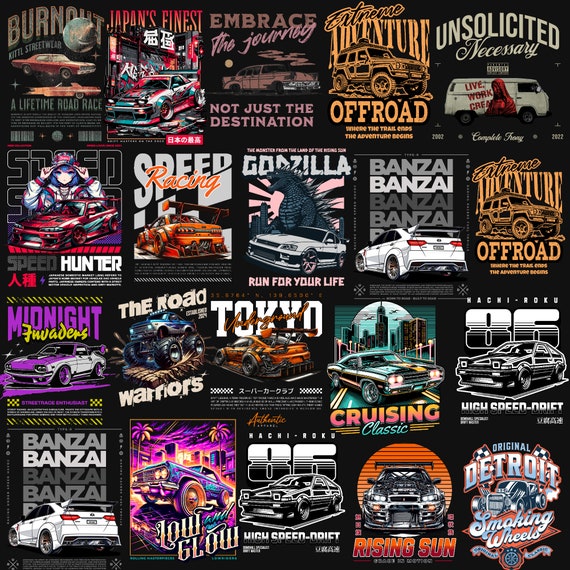
- Music Bands and Artists: Iconic band logos or album covers.
- Sports Teams: Team names, mascots, or event graphics.
- Travel and Cities: Famous places, city names, or maps.
- Nature and Animals: Wildlife, forests, or ocean scenes.
- Funny and Meme Graphics: Internet jokes and viral trends.
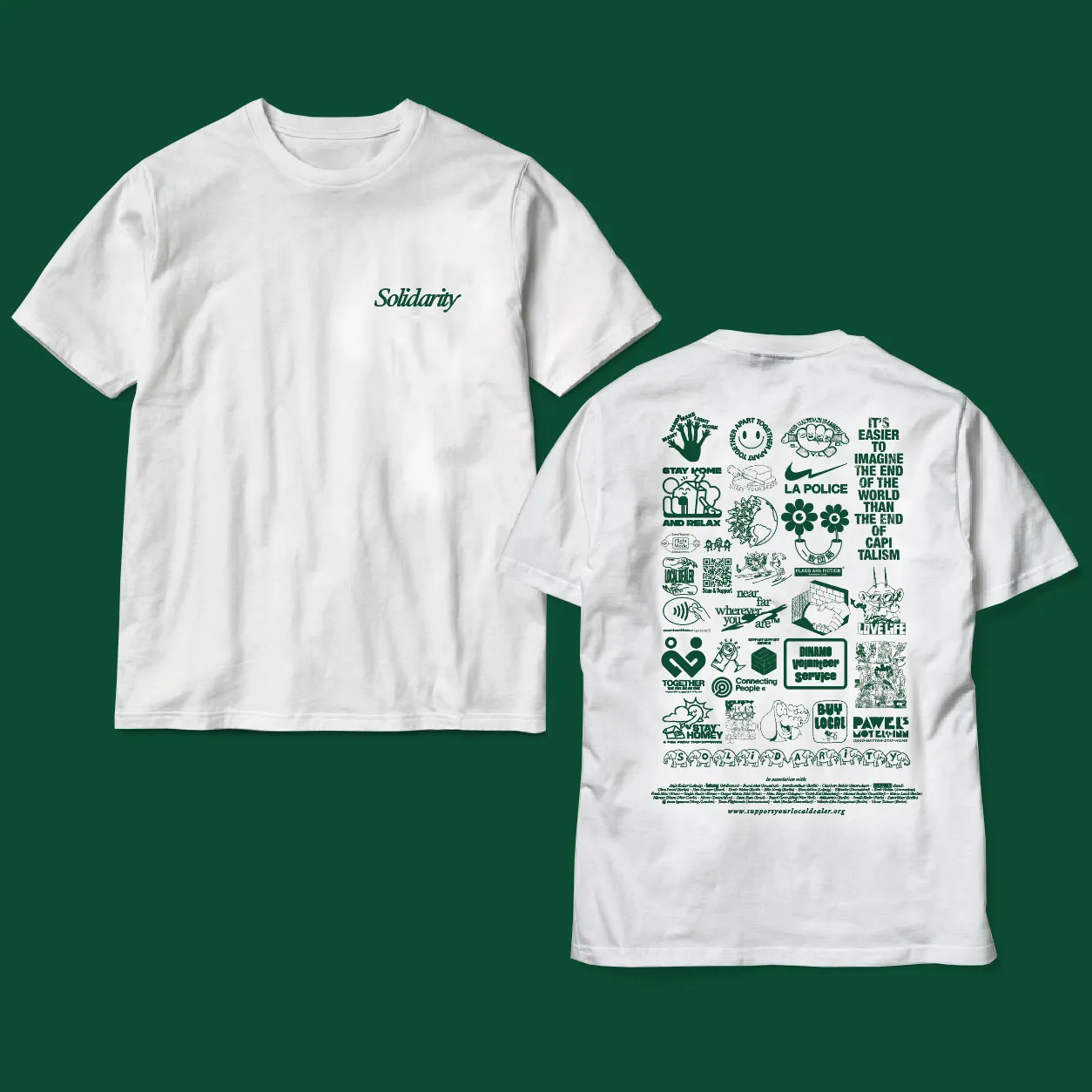
- Activism and Causes: Social or environmental messages.
- Art and Abstract: Unique or creative visuals.
The best themes connect with people on a personal level. They can start conversations or make the wearer feel part of a group.
Credit: www.etsy.com
How Tee Shirt Graphics Are Created
Designing a tee shirt graphic is a creative process that usually involves these steps:
1. Research And Inspiration
Designers start by looking at current trends, successful tees, and their own ideas. Tools like Pinterest, Instagram, and online stores can help spark inspiration.
2. Sketching And Digital Design
Many begin with simple paper sketches before moving to digital tools. Adobe Illustrator and Photoshop are popular programs for creating print-ready designs.
3. Preparing Artwork For Printing
Graphics must be high-resolution, usually at least 300 DPI (dots per inch), so the print looks sharp. Designers also check color profiles, file formats (like PNG or vector files), and make sure the design fits the shirt’s printable area.
4. Mockups And Samples
Before printing, it’s helpful to make a digital mockup—an image showing how the graphic looks on a real shirt. Some designers order a single sample to check colors, print quality, and placement.
5. Final Printing
Once the design is ready, it goes to print using one of several methods. Each printing technique has its own pros and cons, which we’ll cover next.
Main Methods For Printing Tee Shirt Graphics
The way a graphic is printed affects how it looks, feels, and lasts. Here are the main methods used in the industry:
Screen Printing
Screen printing is the most common method for large orders. It uses a mesh screen and ink for each color. The result is bright, long-lasting graphics with a smooth finish. Screen printing is best for simple designs with few colors.
Pros:
- Durable and vibrant
- Cost-effective for large quantities
Cons:
- Not ideal for small runs
- Limited detail for complex images
Direct-to-garment (dtg) Printing
DTG is like using an inkjet printer for fabric. It prints the design directly onto the shirt, allowing for full-color and detailed graphics.
Pros:
- Great for detailed and colorful images
- Good for small batches or one-offs
Cons:
- Can be less durable than screen printing
- Works best on 100% cotton shirts
Heat Transfer
Heat transfer uses a special paper or vinyl that is pressed onto the shirt with heat. The design bonds with the fabric.
Pros:
- Allows for custom or small orders
- Good for photos or complex images
Cons:
- May peel or crack over time
- Can feel heavy or plastic-like
Sublimation
Sublimation is used for all-over prints and works only on synthetic fabrics like polyester. The ink turns into gas and becomes part of the fabric.
Pros:
- No feel to the print—design is part of the fabric
- Excellent for full-coverage prints
Cons:
- Only works on light-colored, synthetic shirts
- Not suitable for cotton
Embroidery
Embroidery uses thread instead of ink. It’s common for logos or small designs and gives a textured, premium look.
Pros:
- Very durable
- Looks professional and high-quality
Cons:
- Not good for large or detailed graphics
- More expensive
Comparison Of Printing Methods
Here’s a quick look at how the main methods compare:
| Method | Best For | Durability | Cost | Detail Level |
|---|---|---|---|---|
| Screen Printing | Large orders, simple designs | High | Low (bulk) | Medium |
| DTG | Small runs, detailed art | Medium | Medium | High |
| Heat Transfer | Custom, photos | Low-Medium | Low | High |
| Sublimation | All-over prints | High | Medium | High |
| Embroidery | Logos, small designs | Very High | High | Low-Medium |
Choosing The Right Printing Method
How do you pick the best method for your tee shirt graphic? Here are key factors to consider:
- Order Size: Screen printing is best for 50+ shirts; DTG or heat transfer is better for small batches.
- Design Complexity: Photo prints or gradients work best with DTG or sublimation, not screen printing.
- Budget: Heat transfers are cheap for one-offs; screen printing saves money for large runs.
- Shirt Material: Sublimation only works with polyester. DTG and screen printing are best for cotton.
- Durability Needs: Embroidery and screen prints last longest, especially for work or sportswear.
Non-obvious insight: Sometimes, mixing techniques works well. For example, you can screen print the main design and embroider a small logo on the sleeve for a professional touch.
Common Mistakes In Tee Shirt Graphics
Even experienced designers make mistakes. Avoid these common problems:
- Poor Contrast: Light text on a light shirt or dark on dark can be hard to read.
- Too Much Detail: Small details may not print well, especially on textured fabric.
- Overcrowding: Too many elements make the design confusing.
- Ignoring the Shirt Shape: Not every design fits every tee style (v-neck, crop top, etc. ).
- Low-Quality Images: Always use high-resolution files to prevent blurry prints.
- Wrong Placement: Graphics too high, low, or off-center look awkward when worn.
- Color Mismatch: Colors look different on screen vs. fabric. Always check a physical sample or color chart.
Pro tip: Test your design by printing it on paper at the real size and taping it to a shirt. This shows you if the size and placement feel right.
How To Create Your Own Tee Shirt Graphics
If you want to make your own design, here’s a step-by-step process:
Step 1: Define Your Idea
Start with the message or feeling you want to share. Is it for a business, a joke, or just art? Write down your main concept before you start drawing.
Step 2: Choose Your Style
Pick a style that fits your idea. Do you want bold and bright, simple and clean, or something retro?
Step 3: Create A Sketch
Draw a rough version on paper or with a tablet. Don’t worry about details yet—focus on layout and key elements.
Step 4: Go Digital
Use design software to create a clean, print-ready version. Vector art (made in programs like Illustrator) is best for resizing without losing quality.
Step 5: Pick Colors
Limit your palette to 2-4 colors for simplicity and lower print costs. Make sure your colors stand out against the shirt color.
Step 6: Prepare The File
Save your design in a high-resolution format (PNG for full color, vector PDF or AI for screen printing).
Step 7: Order A Sample
Before making a large order, get a sample shirt printed. Check the colors, placement, and feel.
Step 8: Adjust And Finalize
Make changes based on the sample, then print your final batch.
Beginner tip: Many online stores let you design in their browser and show you a live preview, making it easy to experiment.
Trends In Tee Shirt Graphics
Fashion and design trends are always changing. Here are some current and emerging trends in tee shirt graphics:
- Bold Text Statements: Large, simple words in strong fonts.
- Hand-Drawn Art: Unique, imperfect lines for a personal touch.
- Eco-Friendly Messages: Graphics that promote sustainability.
- Colorful Tie-Dye Effects: Both printed and dyed patterns.
- Retro and Nostalgia: Old-school graphics, cartoon characters, and faded prints.
- Minimalist Logos: Small, simple branding on the chest or sleeve.
- Photo Collages: Mixed images for a “scrapbook” feel.
- Interactive Graphics: QR codes or designs that link to digital content.
Non-obvious insight: Some brands use “hidden” graphics—designs inside the shirt or under the hem—for a secret surprise. This adds value and uniqueness.
How Tee Shirt Graphics Influence Fashion And Culture
Tee shirt graphics are more than decoration—they shape how people see trends, brands, and even social issues. A powerful graphic can become a symbol for a movement, a viral meme, or a must-have fashion item. For example, the simple smiley face or a band’s tour shirt can become timeless and instantly recognizable.
Graphic tees also make fashion more democratic. Anyone can design or wear a shirt with their own message, making it an affordable way to stand out. Companies and artists use tee shirts to test new ideas or spread awareness quickly.
Tips For Selling Graphic Tees
If you want to sell tee shirt graphics—online or in stores—keep these points in mind:
- Know Your Audience: Design for a specific group (music fans, travelers, gamers, etc. ).
- Use Quality Materials: Cheap shirts and bad printing lose customers.
- Build a Brand: A strong logo or theme makes your shirts easy to remember.
- Offer Customization: Let buyers add names or pick colors for higher value.
- Market Creatively: Use social media, giveaways, or limited editions to create buzz.
- Get Feedback: Always listen to customer reviews and improve your designs.
Beginner warning: Don’t copy famous brands or copyrighted images. It can lead to legal trouble and damage your reputation.
Credit: www.itsnicethat.com
Comparing Tee Shirt Graphics And Plain Tees
Why choose a graphic tee over a plain one? Here’s a quick comparison:
| Graphic Tee | Plain Tee |
|---|---|
| Expresses personality or message | Simple and versatile |
| More memorable and unique | Easy to match with anything |
| Can promote brands, causes, or events | Less likely to go out of style |
| Trendy and attention-grabbing | Timeless and classic |
For many, it’s not about choosing one or the other—most people like to have both in their wardrobe.
Caring For Tee Shirt Graphics
To keep your graphic tees looking fresh, follow these care tips:
- Wash Inside Out: This protects the print from friction.
- Use Cold Water: Hot water can fade colors.
- Avoid Bleach: It damages both the fabric and the graphic.
- Hang Dry When Possible: High heat from dryers can crack or peel prints.
- Iron Carefully: Do not iron directly on the graphic—turn the shirt inside out or use a cloth over the print.
- Store Flat or Hanging: Folding can cause cracks if stored for long periods.
Following these steps can double the life of your favorite graphic tees.
Environmental Impact Of Tee Shirt Graphics
The fashion industry, including graphic tees, has a big impact on the environment. Most tees are made from cotton, which uses water and chemicals. Printing methods can also create waste or use harmful inks.
Eco-friendly tips:
- Choose organic cotton or recycled materials.
- Look for water-based or non-toxic inks.
- Support companies with ethical and green practices.
- Recycle or donate old tees instead of throwing them away.
Many brands are now focusing on sustainable practices, which is good for both the planet and your wardrobe.
Where To Buy Or Sell Tee Shirt Graphics
Graphic tees are sold everywhere, from big stores to small online shops. If you want to sell your own designs, there are platforms that handle printing, shipping, and payments for you.
Popular places to buy or sell include:
- Etsy: Handmade and custom designs.
- Redbubble and TeeSpring: Print-on-demand services.
- Local print shops: For small batches and personal service.
- Fashion retailers: For branded or trendy designs.
Extra tip: Always check reviews and samples before ordering large quantities or selling through a new service.
For more information on the basics of graphic tees, you can read the overview at Wikipedia.
Credit: www.vecteezy.com
Frequently Asked Questions
What Is The Best Material For Tee Shirt Graphics?
100% cotton is the most common and comfortable, especially for screen printing and DTG. For sublimation printing, polyester is required. Blends (like cotton/polyester) combine softness and durability but may affect print quality.
How Do I Know If A Graphic Will Look Good When Printed?
Always use high-resolution images (300 DPI or higher) and check a printed sample. Look at the graphic on both a screen and a shirt mockup. Avoid tiny details that may disappear during printing.
Can I Wash Graphic Tees In A Machine?
Yes, but for best results, wash inside out with cold water and mild detergent. Avoid high heat or bleach, and hang dry if possible to protect the print.
Are Custom Graphic Tees Expensive?
Custom tees can be affordable, especially with print-on-demand services. Prices depend on the printing method, order size, and shirt quality. Bulk orders usually cost less per shirt.
Is It Legal To Use Any Image For My Tee Shirt Graphic?
No, you must have the rights or permission to use an image. Don’t use copyrighted logos, characters, or photos without approval. Use your own artwork, public domain images, or buy a commercial license.
Tee shirt graphics are more than just fashion—they are a way to express, connect, and stand out. With the right design and printing method, your next tee can be something truly special.
