

Tank Top Heater Won’t Light? Easy Fixes and Troubleshooting Tips
A tank top heater can be a real lifesaver when you need quick, portable heat. Whether you’re working in your garage, camping, or trying to stay warm outdoors, these heaters offer simple and effective warmth. But when your tank top heater won’t light, it can turn a convenient tool into a frustrating problem. Many people struggle to diagnose or fix the issue, often feeling lost or worried about safety. The good news is that most lighting failures are due to common, fixable reasons. With the right guidance, you can troubleshoot and often solve the problem without calling a professional.
This guide walks you through every possible cause and solution for a tank top heater that will not light. You’ll find clear explanations, practical troubleshooting steps, safety tips, and advice on when to seek expert help. Even if you’re not familiar with heaters or gas appliances, you’ll find the process less intimidating and more manageable.
Let’s find out why your heater isn’t lighting—and what you can do to get it working again.
How A Tank Top Heater Works
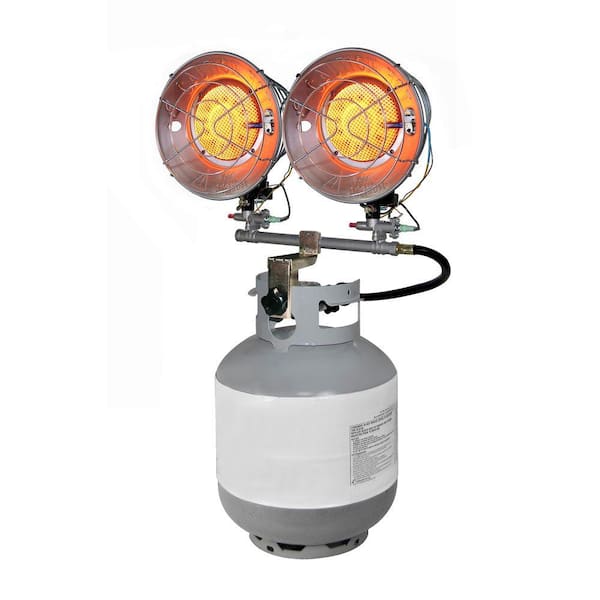
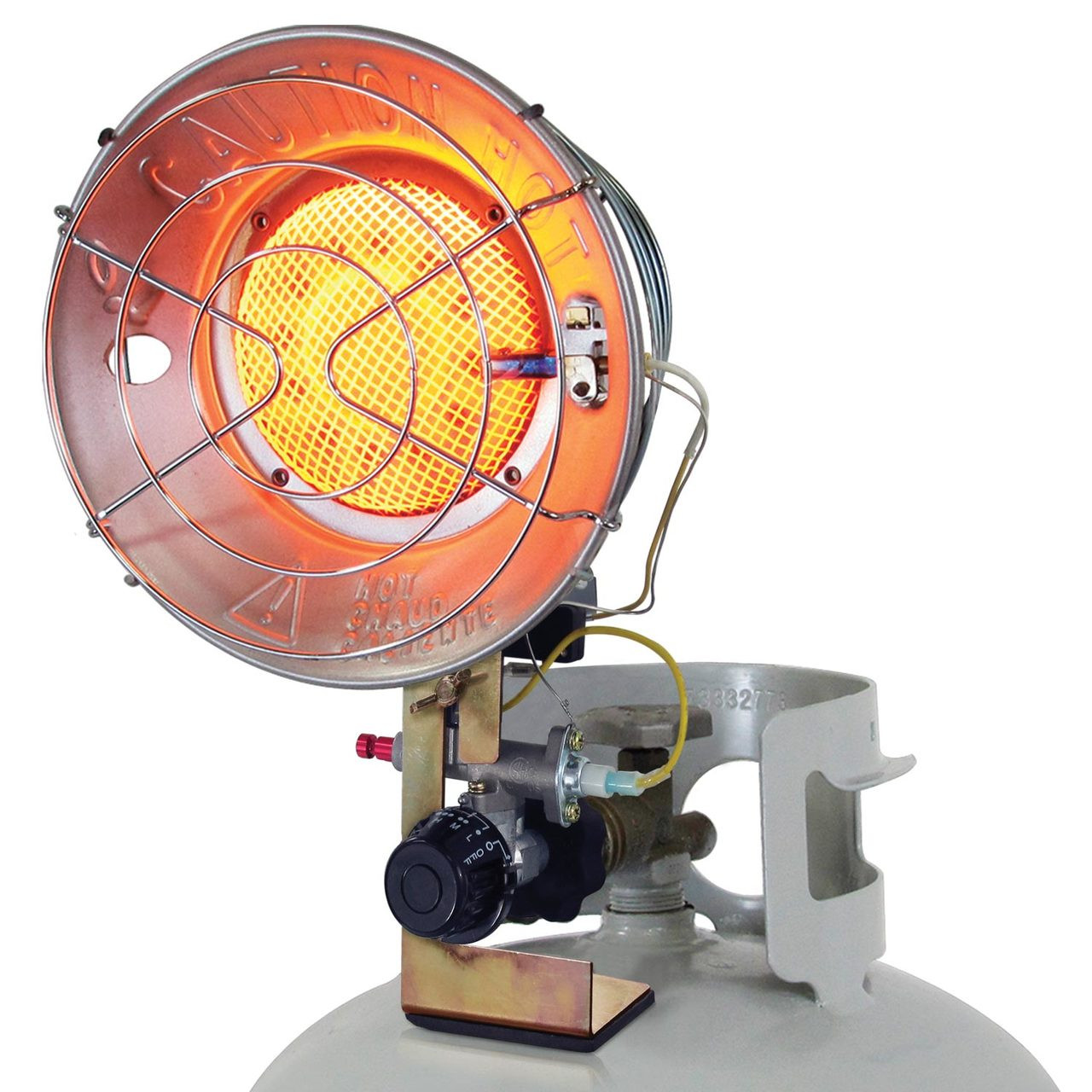
Understanding the basic operation of your heater helps a lot when diagnosing problems. A tank top heater sits directly on a propane tank. When you turn the heater on and press the ignition button, propane gas flows from the tank, mixes with air, and is ignited by a spark or a pilot flame. The heater’s burner then produces heat, which radiates outward.
Key parts include:
- Propane tank
- Regulator
- Burner assembly
- Igniter (piezo or electronic)
- Thermocouple
- Safety shutoff valve
If any part of this process fails, your heater won’t light. Sometimes, the solution is simple—other times, it may require a bit more work.
Common Reasons A Tank Top Heater Won’t Light
Several factors can prevent your heater from lighting. Here are the most frequent causes:
- Empty or low propane tank
- Faulty ignition system
- Clogged burner or orifice
- Damaged or loose connections
- Blocked air flow
- Thermocouple issues
- Regulator problems
- Safety switches or tip-over protection
- Cold weather effects
- Improper assembly or setup
- Dirty or damaged pilot assembly
- Worn-out parts
- Incorrect gas pressure
- User error
Each of these reasons has its own signs and solutions. Let’s explore them in detail.
Step-by-step Troubleshooting For A Tank Top Heater That Won’t Light
1. Check The Propane Tank
A surprising number of lighting issues start with the propane tank. Even a nearly empty tank can reduce gas pressure enough to prevent ignition.
- Inspect the tank gauge if it has one.
- Pick up the tank—if it feels light, it’s probably empty.
- Swap with a full tank to test.
Non-obvious insight: Even if the tank feels heavy, a stuck valve or ice can block gas flow. Try using a different tank to rule this out.
2. Inspect The Ignition System
Most tank top heaters use a piezo igniter—the push-button that creates a spark. If you don’t hear a sharp click or see a spark, the igniter may be faulty.
- Press and release the igniter while watching the pilot area.
- If you see no spark, clean the igniter tip with a dry cloth.
- For electronic igniters, check the battery (if your model uses one).
Extra tip: Sometimes, a tiny gap between the igniter and burner can prevent sparking. Gently adjust the igniter position closer to the burner.
3. Clean The Burner And Orifice
Dirt, spider webs, or rust can clog the burner or the small gas orifice. Blockages stop gas from reaching the ignition point.
- Turn off the gas and disconnect the heater.
- Use compressed air or a small brush to clean the burner holes.
- Remove and clean the orifice if accessible. Avoid poking with hard objects that might damage it.
Beginner mistake: Blowing into the burner with your mouth can add moisture and make problems worse. Always use proper tools.
4. Examine Connections And Hoses
A loose or damaged connection can let air in or gas out, stopping the heater from lighting.
- Check all fittings for tightness, especially where the heater connects to the tank.
- Look for cracks or leaks in hoses.
- Apply soapy water to connections—if you see bubbles when gas is on, there’s a leak. Tighten or replace parts as needed.
Safety note: Never try to light a heater if you smell strong gas. Turn everything off and ventilate the area.
5. Ensure Proper Air Flow
Tank top heaters need the right amount of air to mix with gas. Blocked air vents or use in a windy area can disrupt ignition.
- Clear any obstructions from air inlets.
- Avoid using the heater in strong wind or inside a tightly closed space.
Non-obvious insight: Some models have a mesh screen or guard that can get clogged with dust. Gently vacuum or brush these areas.
6. Test The Thermocouple
The thermocouple is a safety device that senses heat from the pilot flame. If it’s dirty or not working, the gas valve won’t open.
- Inspect the thermocouple tip for soot or corrosion.
- Gently clean with steel wool or fine sandpaper.
- Ensure it’s positioned in the pilot flame.
If cleaning doesn’t help, the thermocouple may need replacing.
7. Check The Regulator
The regulator controls gas pressure from the tank. If it’s stuck or faulty, gas may not flow at the right rate.
- Listen for a hissing sound when the valve is opened.
- If you suspect the regulator, swap it with a known good one.
Beginner mistake: Using the wrong regulator for your heater can cause ignition problems. Always use the model recommended by the manufacturer.
8. Investigate Safety Switches
Many heaters have tip-over switches or other safety devices that cut gas flow if the unit is knocked over.
- Make sure the heater is on a stable, level surface.
- Gently rock the heater—if you hear a click, the switch is working.
- If the switch is stuck, tap gently or consult the manual.
9. Consider Cold Weather Effects
Propane doesn’t vaporize well in very cold temperatures. If your tank is cold, gas flow can slow or stop.
- Try warming the tank slightly by keeping it off cold ground.
- Use a tank blanket or move the tank indoors briefly (never operate indoors).
Non-obvious insight: Frost on the tank means the pressure is low. Swapping in a warmer tank can often solve lighting problems.
10. Double-check Assembly And Setup
Sometimes, improper assembly is the culprit.
- Review the user manual and confirm all parts are installed correctly.
- Look for missing or backward components.
11. Inspect The Pilot Assembly
A dirty or damaged pilot can prevent ignition.
- Clean any soot or debris from the pilot opening.
- Make sure the pilot tube isn’t bent or blocked.
12. Look For Worn-out Parts
Heaters get old, and parts wear out.
- If you see rust, cracks, or heavy discoloration, parts may need replacing.
- Check manufacturer’s recommendations for replacement intervals.
13. Confirm Correct Gas Pressure
Low or high gas pressure can stop ignition.
- If possible, use a pressure gauge to check output from the regulator.
- If pressure is too low, swap the regulator or tank.
14. Rule Out User Error
Sometimes, the issue is as simple as incorrect lighting technique.
- Read the instructions for your model.
- Make sure you’re turning valves and pressing buttons in the right order.
Quick Comparison: Common Causes And Fixes
Here’s a side-by-side look at the most common causes and how to fix them:
| Problem | How to Fix | Special Tip |
|---|---|---|
| Empty tank | Replace with a full tank | Try a different tank if unsure |
| No spark from igniter | Clean or adjust igniter | Check battery if electronic |
| Blocked burner | Clean with compressed air | Avoid using sharp objects |
| Loose connections | Tighten or replace fittings | Use soapy water to check leaks |
| Thermocouple issues | Clean or replace thermocouple | Ensure proper flame contact |
Detailed Guide: Fixing Each Issue
How To Safely Replace The Propane Tank
- Turn off the heater and let it cool.
- Close the propane valve on the tank.
- Detach the heater from the tank.
- Inspect both the tank and heater connections for dirt or debris.
- Attach a full tank, making sure the connection is tight.
- Open the valve slowly and check for leaks with soapy water.
Cleaning The Burner And Orifice
- Remove the burner cap if your model has one.
- Use compressed air to blow out dust and debris.
- For stubborn blockages, a soft brush helps.
- Reassemble carefully, ensuring all parts are tight.
Adjusting Or Replacing The Igniter
- If the igniter is not sparking, check the wire for damage.
- Adjust the tip so it’s about 1/8 inch from the burner.
- Replace the igniter if it’s cracked or won’t spark after cleaning.
Fixing Thermocouple Problems
- Remove the thermocouple and clean the tip.
- Reinstall, making sure the tip sits in the pilot flame.
- If the flame won’t stay lit, try a new thermocouple.
Dealing With Regulator Issues
- Disconnect the regulator and tap it gently.
- If gas flow is still weak, install a new regulator.
- Use the correct pressure rating for your heater.
Preventive Maintenance Tips
Keeping your heater in good shape reduces future lighting problems.
- Store indoors when not in use to prevent rust.
- Clean the burner and orifice every few uses.
- Check hoses and connections for wear before each season.
- Replace worn parts promptly.
- Don’t use the heater in windy or wet conditions.
Non-obvious insight: Some insects are attracted to the smell of propane and can block burner tubes. Store your heater covered or in a sealed bag.

Credit: www.youtube.com
When To Call A Professional
While many issues are easy to fix, some require expert help:
- Persistent gas leaks you cannot resolve
- Damaged or missing parts you can’t identify
- Electrical issues in electronic igniters
- Burner damage that can’t be cleaned or repaired
If you’re unsure or uncomfortable working with gas appliances, it’s always safer to get professional service. For more on propane safety and heater repair, see Propane Safety Council.
What Not To Do
Avoid these common mistakes when your heater won’t light:
- Don’t use matches or lighters to ignite a leaking heater.
- Never block air vents to “force” ignition.
- Don’t use the heater indoors unless rated for indoor use.
- Never ignore the smell of gas—always ventilate and check for leaks.
- Don’t disassemble regulators unless you’re trained.
Tank Top Heater Lighting: Real-world Examples
Consider these examples:
- Garage user: John found his heater wouldn’t light after sitting all summer. The problem? A spider had nested in the burner tube. Cleaning it out restored perfect function.
- Outdoor camper: Maria’s heater failed to light during a cold snap. Warming the propane tank indoors for ten minutes fixed the issue.
- DIY repair: Sam tried to fix his heater’s igniter but bent the thermocouple out of place. After adjusting it back, the heater worked fine.
Learning from these situations can help you avoid similar problems.
Table: Symptoms And Likely Causes
Here’s another way to diagnose your issue by symptom:
| Symptom | Possible Cause | Suggested Action |
|---|---|---|
| No sound or smell of gas | Empty tank or blocked line | Replace tank, clear lines |
| Spark, but no flame | No gas flow, blocked orifice | Check connections, clean orifice |
| Pilot lights but won’t stay lit | Thermocouple problem | Clean or replace thermocouple |
| Heater shuts off after lighting | Faulty safety switch | Test or replace switch |
Credit: www.homedepot.com
How To Light A Tank Top Heater Properly
If your heater is working, use the correct lighting method:
- Open the propane tank valve slowly.
- Turn the heater control to “pilot.”
- Press and hold the igniter (or use a long lighter if manual).
- Hold for 30 seconds after the pilot lights to heat the thermocouple.
- Release the button and turn to “on” if the flame stays lit.
- If the flame goes out, repeat the process.
Extra tip: Always light your heater outdoors or in a well-ventilated area.
Safety Reminders
- Keep flammable materials away from the heater.
- Never use a heater in small, closed spaces.
- Inspect the heater regularly for damage.
- If you smell gas, shut off the tank and ventilate the area.
Storing And Transporting Your Heater
- Disconnect from the tank.
- Store in a dry, cool location.
- Cover the burner to keep out bugs and debris.
- Do not store propane tanks inside your home.
Should You Repair Or Replace?
Not all heaters are worth repairing. If your unit is old, heavily rusted, or has multiple problems, replacement may be cheaper and safer. Compare the cost of new parts to a new heater before making a decision.
Credit: worldmkting.com
Frequently Asked Questions
Why Does My Tank Top Heater Click But Not Light?
A clicking sound usually means the igniter is working, but no gas is reaching the burner. This can be due to an empty tank, a blocked orifice, or a closed valve. Check your propane level, clean the orifice, and ensure all valves are open.
Can I Use My Tank Top Heater Indoors?
Most tank top heaters are not safe for indoor use. They need good ventilation to prevent carbon monoxide buildup. Only use models rated for indoor use, and always follow safety guidelines.
How Do I Know If My Thermocouple Is Bad?
If your pilot lights but won’t stay on, the thermocouple may be dirty or faulty. Clean the tip and ensure it’s in the flame. If it still doesn’t work, replacement is needed.
What Should I Do If I Smell Gas?
Turn off the heater and propane tank immediately. Move the heater outside if possible. Ventilate the area, do not light matches or use electrical switches, and check all connections for leaks.
Is It Safe To Repair My Own Tank Top Heater?
Basic cleaning and part replacement are generally safe if you follow instructions. For complex issues, leaks, or if you’re unsure, it’s best to contact a professional or consult the manufacturer.
A tank top heater that won’t light is annoying, but often the problem is simple and safe to fix. With the right steps and a little patience, you can get your heater working and keep warm again. Remember, regular maintenance and careful use will keep your heater reliable for years to come.
