

T-Shirts: Trendy Styles and Tips to Elevate Your Wardrobe
T-shirts: The Ultimate Guide To An Everyday Essential
Few clothing items are as universal as the T-shirt. From busy city streets to relaxed beaches, T-shirts appear everywhere, crossing cultures, ages, and styles. This simple garment has become much more than just a piece of clothing; it’s a tool for expression, comfort, and even business. But what makes the T-shirt so important? Why does everyone, from children to celebrities, rely on this basic item? Let’s explore everything you need to know about T-shirts—history, types, fabrics, fits, style ideas, caring tips, buying advice, and more.
The Origin And Evolution Of The T-shirt
The story of the T-shirt begins with necessity. Originally, T-shirts were used as undergarments by soldiers and workers. Their short sleeves and light fabrics made them practical for hot weather or tough labor. Over time, the T-shirt moved from hidden layer to fashion statement.
As T-shirts became more popular, they picked up new meanings. In some places, they were used for uniforms. In others, they became a way to show support for a team, a cause, or a favorite band. The T-shirt’s simplicity is its strength—anyone can wear it, and anyone can make it their own.
One important change was the use of printing techniques. Once people could easily add logos, slogans, or pictures to T-shirts, the garment became a canvas for creativity and communication.
Types Of T-shirts
There are many ways to classify T-shirts. Some focus on the neck style, others on the fit, sleeve length, or purpose. Here are the most common types you’ll find:
Crew Neck
The crew neck is the classic round neckline. It sits at the base of the neck and is usually ribbed. This style is popular because it’s simple and suits almost everyone.
V-neck
A V-neck T-shirt has a V-shaped neckline. This cut is good for people who want a slightly more stylish or elongated look. V-necks can be shallow or deep.
Scoop Neck
The scoop neck is similar to a crew neck but with a wider, deeper round shape. It’s often seen in women’s T-shirts and offers a relaxed, open look.
Polo T-shirt
A polo T-shirt comes with a collar and a short button placket. It’s a step between casual and formal, often worn in sports like golf or tennis and in business-casual settings.
Henley
The Henley T-shirt has a round neckline with a button placket (usually 2-5 buttons) but no collar. It offers a rugged or vintage touch.
Long Sleeve
Long sleeve T-shirts cover the arms fully and are great for cooler weather. They can be crew neck, V-neck, or other styles.
Raglan Sleeve
Raglan T-shirts have sleeves that extend in one piece to the collar, giving a diagonal seam from underarm to collarbone. This style is popular in sports and often uses a different color for sleeves.
Sleeveless
Sleeveless T-shirts (tank tops) have no sleeves at all, exposing the shoulders. They’re popular for workouts or hot weather.
Graphic T-shirts
Any T-shirt with printed images, text, or art is a graphic T-shirt. These are used for self-expression, branding, or sharing messages.
Pocket T-shirts
Pocket T-shirts have a small pocket on the chest. The pocket is mostly decorative but can also be useful.
Crop Top
A crop top T-shirt is shorter, ending above the waist. It’s a trendy, youthful style.
Oversized T-shirt
Oversized T-shirts are intentionally loose and large, offering maximum comfort and a relaxed look.
Popular Fabrics For T-shirts
The fabric of a T-shirt affects how it feels, fits, and looks. Here are the main fabric types:
Cotton
Cotton is the most common T-shirt material. It’s soft, breathable, and absorbs sweat well. Pure cotton T-shirts are comfortable but may shrink after washing.
Polyester
Polyester is a synthetic fiber. It’s durable, dries fast, and keeps its shape. Polyester is often used in sports T-shirts because it wicks moisture away from the body.
Cotton-polyester Blend
A cotton-polyester blend combines the best of both worlds: the comfort of cotton and the durability of polyester. These T-shirts resist shrinking and wrinkling.
Linen
Linen T-shirts are light and very breathable, ideal for hot climates. However, they wrinkle easily and can feel rough at first.
Rayon
Rayon is a semi-synthetic fiber. It’s soft, smooth, and drapes well. Rayon T-shirts often feel cool and silky.
Bamboo
Bamboo fabric is soft, eco-friendly, and naturally antibacterial. It absorbs moisture well and is growing in popularity for sustainable fashion.
Tri-blend
Tri-blend T-shirts use three materials (usually cotton, polyester, and rayon). The result is a super-soft, slightly stretchy fabric with a vintage feel.
Here’s a comparison of the main T-shirt fabrics:
| Fabric | Main Benefit | Downside | Best For |
|---|---|---|---|
| Cotton | Soft, breathable | Can shrink | Everyday wear |
| Polyester | Durable, dries fast | Can feel less natural | Sports, outdoor |
| Cotton-Poly Blend | Resists wrinkles | Less natural feel | Work, travel |
| Linen | Very breathable | Wrinkles easily | Hot climates |
| Rayon | Silky, drapes well | Can pill | Fashion T-shirts |
| Bamboo | Eco-friendly, soft | More costly | Sustainable style |
| Tri-Blend | Soft, vintage look | Less durable | Trendy, casual |
How To Choose The Right T-shirt
Finding a great T-shirt is not always simple. Many people buy T-shirts that don’t fit well, feel rough, or lose shape after washing. Here’s how to make a better choice.
Fit
Fit is the most important factor. A good T-shirt should feel comfortable, not too tight or too loose. Common fits include:
- Slim fit: Hugs the body, good for a modern look.
- Regular fit: Not too tight or loose, suits most people.
- Relaxed fit: Looser, for comfort and casual style.
Pay attention to the shoulder seam—it should sit right at the edge of your shoulder bone. The sleeves should cover about one-third of your upper arm (for short sleeves). The T-shirt should end just below your belt line.
Fabric Quality
High-quality fabric feels smooth and holds its shape. Check the fabric weight (measured in grams per square meter, or GSM). Lighter T-shirts (120-150 GSM) are good for hot weather. Heavier T-shirts (180-220 GSM) last longer and look less see-through.
A simple test: Hold the T-shirt up to the light. If you can see through it easily, it might be too thin.
Color
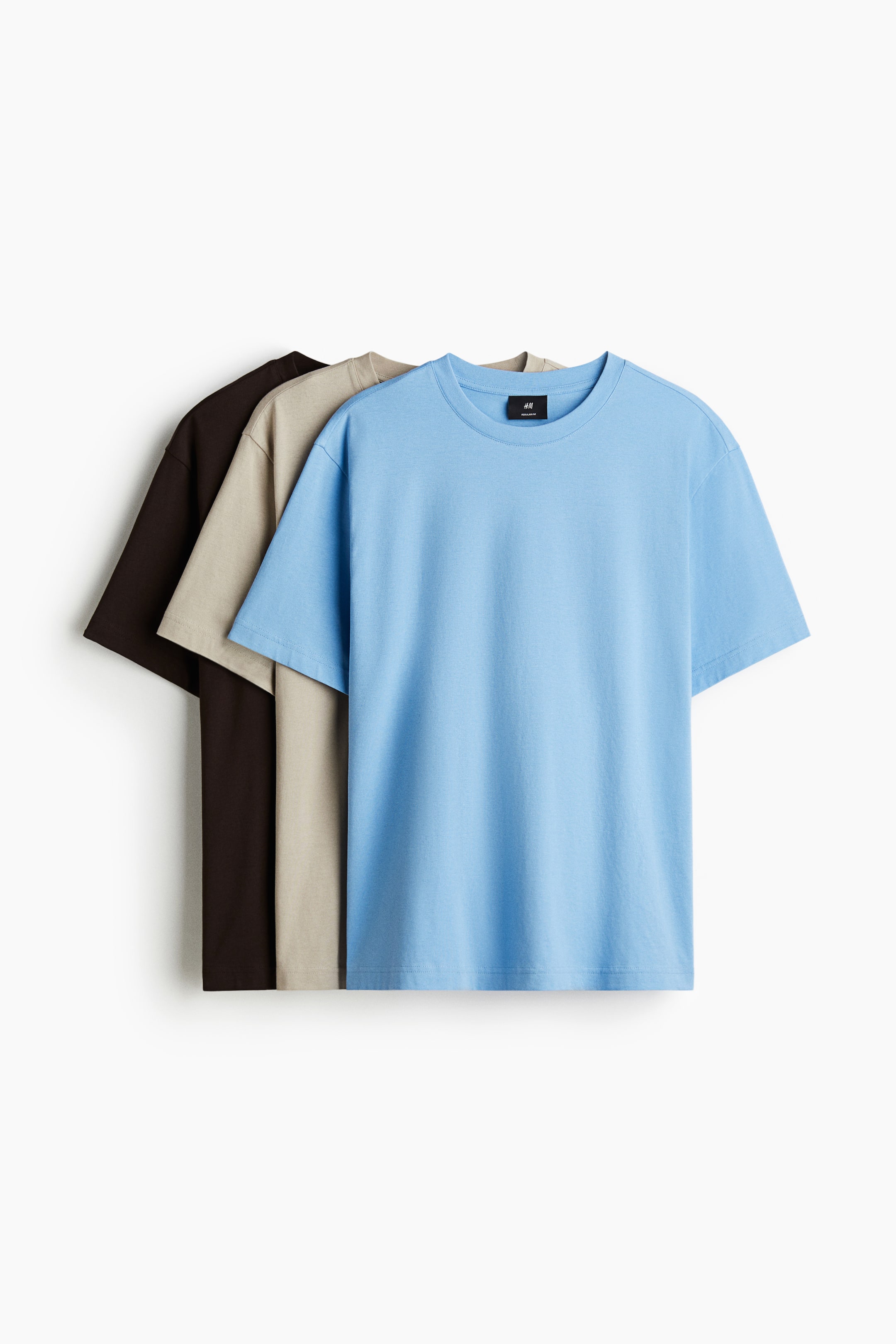
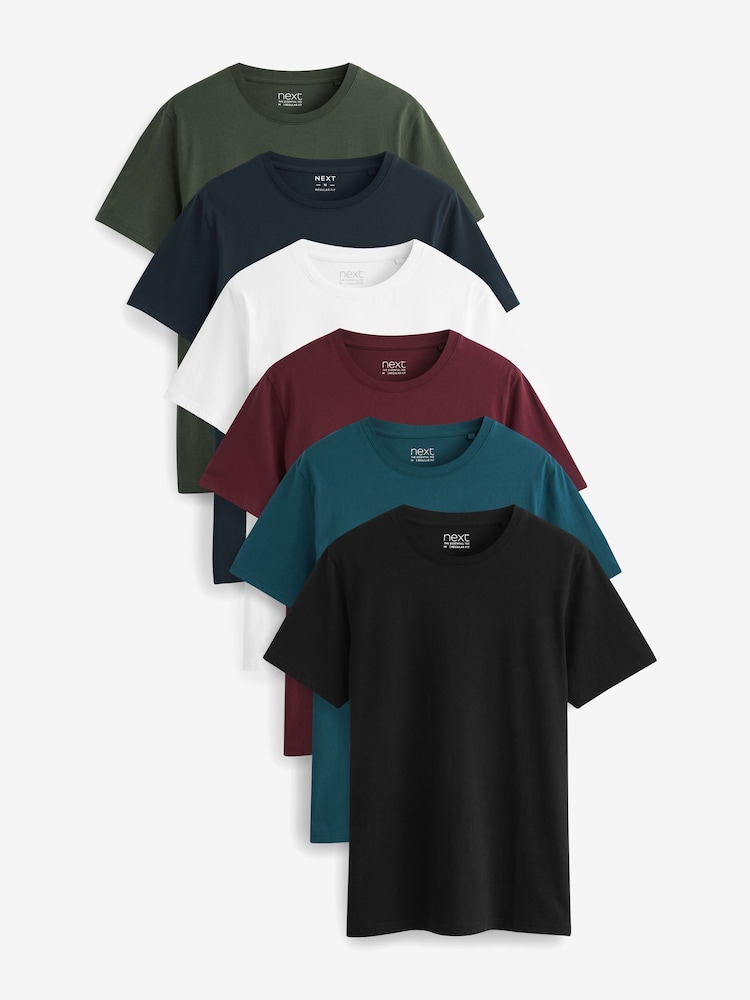
Choose colors that suit your skin tone and match your wardrobe. White, black, navy, and gray are the most versatile. Bright colors or patterns can be fun but may not work in every situation.
Purpose
Think about where you’ll wear the T-shirt:
- Everyday casual? Go for comfort and durability.
- Sport or gym? Pick moisture-wicking fabrics.
- Layering under a shirt? Choose thin, smooth cotton.
Price And Brand
A high price does not always mean better quality. Some brands focus on ethical production, using organic cotton or fair trade. Decide what matters to you—price, brand reputation, or sustainability.
Credit: www2.hm.com
How To Style T-shirts
T-shirts are simple, but they can be worn in many creative ways. Here are some ideas for different occasions:
Casual Look
Pair a plain T-shirt with jeans or shorts. Add sneakers and a watch. This look is timeless and works for almost any casual setting.
Smart-casual
Wear a polo T-shirt or a clean, well-fitted crew neck with chinos and loafers. Add a light jacket or blazer if needed.
Work Or Business
Some offices allow T-shirts, especially under a blazer or cardigan. Stick to neutral colors and avoid loud graphics.
Sporty Style
For gym or sports, choose a performance T-shirt made from polyester or blends. Match with athletic shorts and running shoes.
Layering
Use a T-shirt as a base layer under shirts, jackets, or sweaters. A white or black T-shirt is best for layering.
Street Style
Try an oversized T-shirt with joggers or ripped jeans. Add a cap and sneakers for an urban look.
Creative Expression
A graphic T-shirt with your favorite band, movie, or slogan can show your personality. Pair with simple bottoms to let the shirt stand out.
Insider Tip: Rolling up the sleeves slightly can give your T-shirt a fresh, stylish twist. Also, try tucking just the front of your T-shirt into jeans for a more put-together appearance.
T-shirt Printing Methods
Printing transforms a blank T-shirt into something unique. Here are the most popular printing techniques:
Screen Printing
Screen printing uses a mesh screen and ink. It creates bold, long-lasting designs. It’s best for large orders since the setup takes time.
Direct-to-garment (dtg)
DTG printing works like an inkjet printer, spraying ink directly onto the fabric. It’s good for detailed, colorful images and small batches.
Heat Transfer
Heat transfer uses heat and pressure to apply a design (usually printed on special paper) to the T-shirt. It’s simple and works for custom, one-off shirts.
Sublimation
Sublimation printing turns dye into gas, which bonds with polyester fibers. This method is best for all-over prints and bright colors, but only works on light polyester T-shirts.
Embroidery
Embroidery uses thread to stitch a design onto the T-shirt. It’s durable and has a textured, premium look. However, it’s limited to simpler designs.
Here’s a quick comparison of printing methods:
| Method | Best For | Pros | Cons |
|---|---|---|---|
| Screen Printing | Large orders | Bold, durable colors | High setup cost |
| DTG | Small batches, detail | Full color, easy setup | Less durable on dark shirts |
| Heat Transfer | One-off shirts | Quick, flexible | May peel over time |
| Sublimation | All-over prints | Bright, soft feel | Only on polyester |
| Embroidery | Logos, text | Very durable | Not for complex images |
Credit: www.sonofatailor.com
T-shirts In Culture And Fashion
T-shirts are more than just clothing—they’re part of our culture. They have been used for:
- Protests and causes: People wear T-shirts with slogans to show support for movements and ideas.
- Music and pop culture: Band T-shirts, movie graphics, and cartoon characters let fans show their interests.
- Sports: Teams and fans wear T-shirts to show loyalty.
- Art: Some designers turn T-shirts into wearable art, using unique cuts, prints, or materials.
Many fashion designers have created luxury T-shirts, showing that even something simple can be high-end. On the other hand, vintage or worn T-shirts are popular for their comfort and character.
Caring For Your T-shirts
A good T-shirt can last a long time with the right care. Here’s how to keep them looking and feeling great:
- Wash in cold water: Hot water can shrink cotton and fade colors. Use cold water to protect the fabric.
- Turn inside out: This reduces fading and protects printed designs.
- Use mild detergent: Strong chemicals can damage fabric and prints.
- Avoid bleach: Unless the T-shirt is pure white and bleach-safe.
- Air dry: Tumble drying can cause shrinkage and wear out prints. Hang or lay flat to dry.
- Iron with care: If needed, iron T-shirts inside out and avoid direct contact with printed areas.
- Fold, don’t hang: Hanging can stretch out the neckline, especially in thin fabrics. Fold T-shirts to keep their shape.
Insider Tip: If your T-shirt gets a stubborn stain, treat it as soon as possible. Dab (don’t rub) with a mild soap and cold water. For sweat stains, mix baking soda and water into a paste, apply, and let sit before washing.
Common Mistakes When Buying Or Wearing T-shirts
Even though T-shirts are simple, people often make mistakes. Here are some to avoid:
- Choosing the wrong size: Too tight or too loose T-shirts look and feel bad.
- Ignoring fabric quality: Cheap T-shirts can feel rough and lose shape quickly.
- Bad color choices: Some colors don’t suit your skin or are hard to match.
- Wearing wrinkled T-shirts: They look messy, even if clean.
- Overusing graphic T-shirts: Too many bold prints can look childish or unprofessional in some settings.
- Forgetting about care: Not following washing instructions can ruin even the best T-shirt.
Sustainable And Ethical T-shirts
More people now care about where their clothes come from and how they’re made. Sustainable T-shirts use organic cotton, recycled fibers, or eco-friendly dyes. Ethical brands pay fair wages and use safe working conditions.
If you want to shop responsibly:
- Look for certifications like Fair Trade or GOTS (Global Organic Textile Standard).
- Buy from brands that share information about their factories and sourcing.
- Consider quality over quantity—a few good T-shirts are better than many cheap ones.
Sustainable T-shirts may cost more, but they last longer and are better for the planet.
T-shirts As A Business
T-shirts are not just for wearing—they’re a huge business. Many entrepreneurs start T-shirt brands because production is simple, and designs can be creative.
Key steps for starting a T-shirt business:
- Find your niche: What makes your T-shirts unique? (Funny slogans, art, eco-friendly, etc.)
- Design: Create original, eye-catching graphics.
- Choose suppliers: Pick quality blank T-shirts and reliable printers.
- Set up online store: Platforms like Shopify or Etsy make it easy.
- Marketing: Use social media, influencers, and ads to reach customers.
- Manage inventory: Decide if you’ll print on demand (only when someone orders) or keep stock.
Non-obvious insight: Many T-shirt businesses fail because they ignore the importance of fit and comfort. Focus as much on the quality and feel of your T-shirt as the design.
For more about T-shirt business and history, see Wikipedia’s T-shirt page.
T-shirts Around The World
The T-shirt is a global garment, but styles and customs vary by region. In some places, T-shirts are everyday wear; in others, they may be considered too casual for certain settings. For example:
- In some cultures, graphic T-shirts with political or religious messages may be sensitive or even banned.
- In business settings, plain or polo T-shirts are more acceptable than bright or slogan shirts.
- In hot countries, lightweight, loose T-shirts are preferred for comfort.
Experience-based tip: When traveling, check local customs before wearing T-shirts with bold graphics or slogans.
Collecting And Customizing T-shirts
Some people collect T-shirts as a hobby. These can include:
- Vintage T-shirts: Older shirts with rare logos or designs.
- Concert T-shirts: From famous bands or events.
- Limited editions: Special releases from brands or artists.
Customizing is also popular. People tie-dye, cut, sew, or add patches to make unique T-shirts.
How To Tie-dye A T-shirt
- Choose a white cotton T-shirt.
- Dampen the shirt.
- Twist or fold into patterns.
- Secure with rubber bands.
- Apply dye to sections.
- Wrap and let sit for several hours.
- Rinse, wash, and dry.
Tie-dyeing is a fun way to give old T-shirts new life.
T-shirt Sizing: Getting It Right
Many people struggle with T-shirt sizing, especially when buying online. Sizes can vary between brands and countries. Here’s how to get a better fit:
- Measure yourself: Use a tape to check your chest, shoulder, and length.
- Check size charts: Don’t rely on “M” or “L”—compare your measurements to the brand’s chart.
- Read reviews: Other buyers often mention if a T-shirt runs large or small.
- Try before you buy: If possible, try on the T-shirt or buy from stores with easy returns.
Here’s an example of typical men’s T-shirt sizing:
| Size | Chest (inches) | Shoulder (inches) | Length (inches) |
|---|---|---|---|
| S | 34-36 | 16-17 | 26-27 |
| M | 38-40 | 17-18 | 27-28 |
| L | 42-44 | 18-19 | 29-30 |
| XL | 46-48 | 19-20 | 30-31 |
Remember, women’s sizing can be different and often uses numbers instead of letters.
Non-obvious insight: Don’t forget about shrinkage—some T-shirts, especially cotton, can shrink after the first wash. If in doubt, choose a slightly larger size.
Credit: www.next.us
The Future Of T-shirts
T-shirts continue to evolve. New fabrics, such as recycled plastic bottles or advanced moisture-wicking materials, are making T-shirts more eco-friendly and functional. Smart T-shirts with sensors can track body temperature or heart rate for athletes.
Digital printing has also made it possible for anyone to create custom T-shirts from home. The future promises even more choices and ways to personalize this classic garment.
Frequently Asked Questions
What Is The Best Fabric For T-shirts?
The best fabric depends on your needs. Cotton is soft and comfortable for everyday wear. Polyester is durable and dries quickly, good for sports. Blends combine benefits. For eco-friendly options, try bamboo or organic cotton.
How Do I Stop My T-shirts From Shrinking?
Wash your T-shirts in cold water and avoid high heat in the dryer. Air drying is best. If you buy 100% cotton, expect a small amount of shrinkage after the first wash.
Can I Wear A T-shirt To Work?
It depends on your workplace. In creative or casual offices, a plain or polo T-shirt can be fine. In formal settings, stick to shirts or layer a T-shirt under a blazer.
How Long Should A T-shirt Last?
A good quality T-shirt can last for years if cared for properly. Signs you need a new one include stretched necklines, holes, or faded prints.
Are Expensive T-shirts Worth It?
Not always. Sometimes you pay for the brand, not the quality. Focus on fabric, fit, and construction. Some ethical or designer T-shirts do offer better materials or fair production, which can be worth the higher price.
T-shirts are much more than a simple garment. They connect people, tell stories, and adapt to every lifestyle. Whether you’re buying your first T-shirt or building a collection, knowing what to look for helps you choose better, care smarter, and enjoy this timeless classic for years to come.
