

T Shirts: Trendsetting Styles to Elevate Your Wardrobe
T Shirts: The Complete Guide to the World’s Most Popular Wardrobe Staple
The T shirt is everywhere. You see it at the gym, in the office on casual Fridays, at concerts, and on the streets. It’s a piece of clothing that almost everyone owns, regardless of age, gender, or style. But what makes the T shirt such a universal favorite? Why has it remained so popular across cultures and generations? This article takes you deep into the world of T shirts—from their origins and fabric choices, to style variations, printing methods, buying tips, and care advice. Whether you’re looking to buy your next favorite tee, or you want to understand why the T shirt is such a fashion icon, you’ll find clear, practical answers here.
The Origin And Evolution Of T Shirts
T shirts began as simple undergarments. In the early days, they were mostly worn by workers and soldiers under uniforms. Over time, as people realized their comfort and practicality, T shirts became everyday outerwear. The “T” in T shirt comes from its shape—a body with two arms, forming a T.
After their humble start, T shirts quickly grew in popularity. They became symbols of youth culture, rebellion, and self-expression. Today, T shirts are part of almost every wardrobe, used for everything from sports to fashion to advertising.
A common mistake is thinking that T shirts have always been “cool” or trendy. In reality, it took decades for them to become a fashion statement. Early T shirts were plain and simple, but now they come in endless colors, prints, and fits.
Types Of T Shirts: Styles And Fits
There are many ways to classify T shirts. Some people look at the fit (how the shirt hugs the body), others at the neckline or the sleeve length. Here are the most common types:
1. Crew Neck
The crew neck is the classic T shirt. It has a round neckline that sits close to the base of the neck. Crew necks are popular because they suit most body shapes and are easy to wear with anything.
2. V-neck
A V-neck T shirt has a neckline that forms a “V” shape. This style can make your neck look longer and is a favorite for those who want a slightly dressier look.
3. Polo T Shirt
The polo T shirt stands out with its collar and a few buttons near the neck. It’s more formal than a basic tee and is often worn in business casual settings or sports like golf.
4. Henley T Shirt
A Henley is like a mix of a crew neck and a polo. It has a round neckline with a buttoning placket. Henleys are comfortable and can be dressed up or down.
5. Raglan Sleeve
Raglan sleeve T shirts have sleeves that extend in one piece to the collar, giving a diagonal seam from underarm to collarbone. This design is common in sportswear because it allows more movement.
6. Long Sleeve T Shirt
As the name suggests, long sleeve T shirts have full-length sleeves. They’re good for cooler weather and can be layered under jackets or sweaters.
7. Tank Top
Tank tops are sleeveless T shirts. They’re best for hot weather, workouts, or as an underlayer.
8. Muscle T Shirt
A muscle T shirt is similar to a tank but with wider shoulder straps. It’s designed to show off the arms and is often worn by athletes or in casual settings.
9. Scoop Neck
The scoop neck has a wider, deeper neckline than a crew neck. It’s a popular style for women’s T shirts.
10. Graphic T Shirt
A graphic T shirt features printed images, logos, or slogans. These T shirts are great for self-expression and are often used for branding or making statements.
11. Pocket T Shirt
A pocket T shirt has a small pocket on one side of the chest. It’s both functional and adds a design detail.
12. Crop T Shirt
Crop T shirts are shorter than regular tees, ending above the waist. They’re trendy, especially in women’s fashion.
13. Baseball T Shirt
The baseball T shirt has three-quarter sleeves, often in a contrasting color. It’s popular among sports fans and for casual wear.
14. Ringer T Shirt
A ringer T shirt features contrasting bands on the collar and sleeve edges. This retro style is making a comeback.
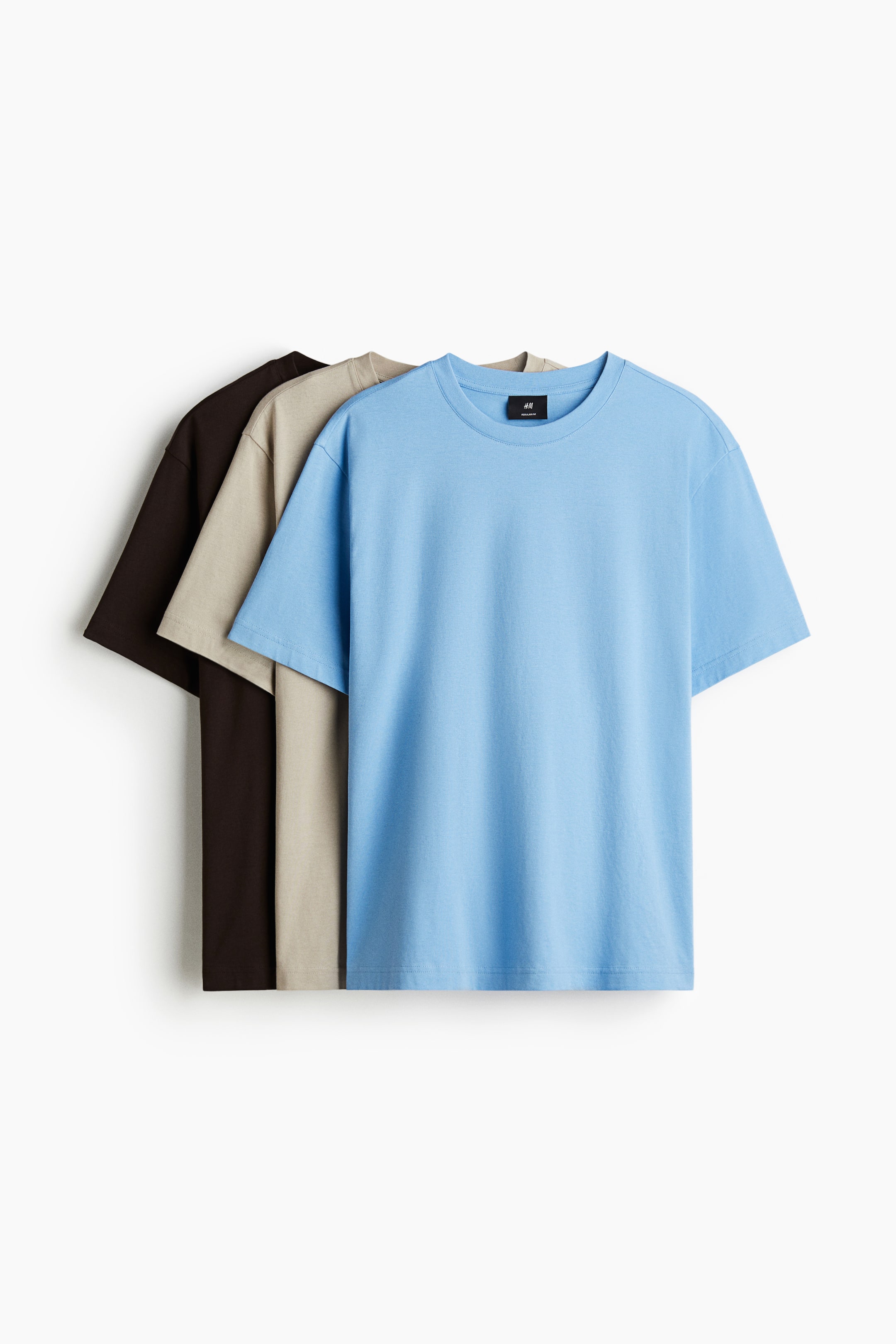
15. Oversized T Shirt
Oversized T shirts are cut much larger than the standard size. They offer a relaxed, streetwear-inspired look.
16. Slim Fit T Shirt
A slim fit T shirt is tailored to fit closer to the body. It’s ideal for those who want a sharp, modern silhouette.
17. Cap Sleeve T Shirt
Cap sleeve T shirts have very short sleeves that cover just the top of the shoulder. They’re common in women’s styles.
18. High-low T Shirt
A high-low T shirt has a hem that’s shorter in the front and longer at the back. This gives a unique, stylish look.
19. Hooded T Shirt
The hooded T shirt combines a regular tee with a hood, blending casual and sporty vibes.
20. Tie-dye T Shirt
Tie-dye T shirts feature colorful, swirling patterns created by twisting and dyeing the fabric. They’re all about fun and creativity.
Credit: www2.hm.com
T Shirt Fabrics: What You Need To Know
Choosing the right fabric is crucial. It affects comfort, durability, and even how the T shirt holds its shape after washing. Here are the main fabric types used in T shirts:
1. Cotton
Cotton is the most common fabric for T shirts. It’s soft, breathable, and comfortable for everyday wear. Pure cotton T shirts are popular because they’re gentle on the skin and easy to care for.
2. Polyester
Polyester is a synthetic fiber known for its strength and quick-drying abilities. It’s often blended with cotton to make T shirts more durable and wrinkle-resistant.
3. Cotton-polyester Blend
A cotton-polyester blend combines the best of both worlds: the comfort of cotton and the durability of polyester. These T shirts are less likely to shrink and often keep their shape after many washes.
4. Tri-blend
Tri-blend T shirts mix cotton, polyester, and rayon. The result is a super-soft, lightweight, and slightly stretchy fabric. Tri-blends are favorites for those who want a vintage feel.
5. Bamboo
Bamboo fabric is soft, eco-friendly, and has natural moisture-wicking properties. Bamboo T shirts are good for sensitive skin and are becoming more popular for sustainable fashion.
6. Linen
Linen T shirts are lightweight and breathable, perfect for hot weather. However, linen wrinkles easily and requires gentle care.
7. Modal
Modal is a type of rayon made from beech trees. It’s silky, breathable, and drapes well. Modal T shirts feel luxurious and resist shrinking.
8. Spandex/elastane
A small amount of spandex or elastane is often added to T shirts for stretch. This makes the shirt fit closer to the body and more comfortable for active wear.
9. Organic Cotton
Organic cotton T shirts are made from cotton grown without harmful chemicals. They’re better for the environment and for people with allergies.
10. Recycled Fabrics
Some brands make T shirts from recycled materials, such as plastic bottles or old clothing. These help reduce waste and support eco-friendly fashion.
Here’s a simple comparison of popular T shirt fabrics and their properties:
| Fabric | Comfort | Durability | Eco-Friendliness | Wrinkle Resistance |
|---|---|---|---|---|
| Cotton | High | Medium | Medium (Higher if Organic) | Low |
| Polyester | Medium | High | Low | High |
| Tri-Blend | Very High | Medium | Medium | Medium |
| Bamboo | Very High | Medium | High | Medium |
| Linen | High | Low | Medium | Low |
T Shirt Printing Methods
Printing is what turns a simple T shirt into something unique. There are several main methods for printing designs, logos, or text on T shirts:
1. Screen Printing
Screen printing uses a mesh screen to apply ink onto the fabric. It’s great for large batches and bold, simple designs. The colors are vibrant and long-lasting.
2. Direct-to-garment (dtg)
DTG printing works like an inkjet printer for T shirts. It allows for highly detailed, multi-color designs. Best for small runs or custom orders.
3. Heat Transfer
Heat transfer involves printing a design on special paper and then transferring it to the T shirt using heat and pressure. It’s quick and good for detailed images, but may not last as long as other methods.
4. Sublimation Printing
Sublimation is a process where ink turns into gas and bonds with polyester fabric. This method is ideal for all-over prints and bright colors but only works on light, synthetic fabrics.
5. Embroidery
Embroidery uses thread to sew a design onto the T shirt. It’s durable and gives a textured, premium look, but is usually limited to small logos or text.
6. Vinyl Printing
Vinyl printing cuts out designs from colored vinyl sheets, which are then heat-pressed onto the shirt. It’s good for bold, single-color graphics and names or numbers.
Here’s a quick comparison of main T shirt printing techniques:
| Method | Best For | Durability | Color Range | Cost (per shirt) |
|---|---|---|---|---|
| Screen Printing | Bulk Orders | High | Limited | Low |
| DTG | Small Batches, Complex Images | Medium | Unlimited | High |
| Heat Transfer | Photos, Small Runs | Medium | Unlimited | Medium |
| Sublimation | Polyester, All-Over Prints | High | Unlimited | Medium |
| Embroidery | Logos, Text | Very High | Limited | High |
| Vinyl | Names, Numbers | High | Limited | Medium |
Credit: www.sonofatailor.com
T Shirt Sizing And Fit: Get The Perfect Match
Getting the right size is more important than people think. A T shirt that fits well looks better, feels better, and lasts longer. Here’s what you should consider:
How T Shirt Sizes Work
T shirt sizes are usually labeled as S, M, L, XL, XXL, and so on. But these sizes can differ between brands and countries. Always check the brand’s sizing chart before buying.
Understanding Measurements
The main measurements for T shirts are:
- Chest width: Across the shirt, just under the arms
- Body length: From the top of the shoulder to the bottom hem
- Sleeve length: From the top of the sleeve to the end
Common Fit Styles
- Regular fit: A classic, comfortable cut for most body types
- Slim fit: Tighter to the body, ideal for a modern look
- Relaxed or oversized fit: Looser, for street style or extra comfort
Sizing Mistakes To Avoid
A common mistake is buying a size too large “just in case. ” Oversized can be a style, but often, it just looks sloppy. On the other hand, a shirt that’s too tight will restrict movement and wear out faster.
How To Measure Yourself For A T Shirt
- Wrap a measuring tape around your chest at the widest part.
- Measure from your shoulder down to where you want the shirt to end.
- For sleeves, measure from the top of your shoulder to your wrist or desired length.
Most online stores have sizing guides—use them. If you are between sizes, consider your preferred fit style.
How To Choose The Right T Shirt For You
Choosing the perfect T shirt isn’t just about picking a color. Here’s a practical guide:
1. Purpose
Think about when and where you’ll wear it. For exercise, a moisture-wicking polyester or bamboo tee works best. For fashion, try a slim-fit or oversized style. For everyday wear, choose cotton or a blend.
2. Body Shape
Different styles suit different body types. Crew necks are best for broad shoulders, V-necks for shorter necks, and slim fits for athletic builds.
3. Skin Sensitivity
If you have sensitive skin, go for organic cotton or bamboo T shirts. Avoid polyester, which can irritate some people.
4. Climate
Lightweight cotton or linen is best for hot weather, while long sleeves and heavier blends work for cooler days.
5. Care Level
Some fabrics need special care. If you want something easy, choose polyester or a cotton blend. Pure cotton and linen may shrink or wrinkle.
6. Color And Design
Lighter colors are more prone to stains, while darker colors can fade after many washes. If you want a statement piece, go for a graphic or tie-dye T shirt.
7. Brand Ethics
If ethical fashion matters to you, look for brands using organic materials or recycled fabrics. Check their production practices.
Here are some quick examples of T shirt choices for different needs:
| Need | Best T Shirt Type | Fabric |
|---|---|---|
| Workout | Muscle or Raglan | Polyester Blend |
| Office Casual | Polo or Henley | Cotton |
| Summer | Tank Top or Linen Tee | Linen or Cotton |
| Street Style | Oversized or Graphic | Tri-Blend |
| Eco-Friendly | Basic Tee | Organic Cotton or Bamboo |
Common Mistakes When Buying T Shirts
Even experienced shoppers make mistakes with T shirts. Here are some to watch out for:
- Ignoring the Size Chart: Brands can have different sizing. Always check before buying.
- Overlooking Fabric Content: Not all cotton is the same—read the label for blends and care needs.
- Buying Only for Price: Cheaper shirts may lose shape or fade quickly. Sometimes it’s worth paying a bit more for quality.
- Not Considering Shrinkage: Cotton and some blends can shrink. If you’re between sizes, this matters.
- Choosing Style Over Comfort: A great design is pointless if the shirt is uncomfortable.
- Forgetting About Care Instructions: Some T shirts need delicate washing. If you don’t want the hassle, pick easy-care fabrics.
A non-obvious insight: Many people forget that weight of the fabric matters. Lightweight T shirts are great for layering, but heavier ones last longer and look better on their own.
The Role Of T Shirts In Fashion And Culture
T shirts are much more than basic clothing. They’ve played important roles in fashion, advertising, and even politics. Here are a few highlights:
- Band T shirts: Wearing a band’s T shirt is a way to show your music taste and connect with others.
- Slogan T shirts: These make statements, from funny jokes to serious causes.
- Designer collaborations: Luxury brands often make limited edition T shirts, making them collector’s items.
- Uniforms: Schools, companies, and teams use T shirts to build identity and unity.
One thing beginners miss: The T shirt has often been used as a blank canvas for social and political messages. From peace signs to protest slogans, the T shirt is a powerful tool for self-expression.
Credit: www.next.us
T Shirt Care: How To Make Them Last
To keep your T shirts looking good, you need the right care. Here’s what to do:
Washing
- Turn T shirts inside out before washing to protect prints.
- Use cold water to prevent shrinking and fading.
- Wash with similar colors to avoid dye transfer.
Drying
- Air dry when possible. Tumble drying can shrink or damage prints.
- If using a dryer, use the lowest heat setting.
Ironing
- Iron T shirts inside out, especially if they have prints.
- Don’t iron directly on designs.
Storing
- Fold T shirts neatly. Hanging can stretch out the neckline.
- Keep in a dry, cool place to prevent mildew or discoloration.
Removing Stains
- Treat stains as soon as possible.
- Use a gentle stain remover and test on a small area first.
A non-obvious tip: Avoid using too much detergent. It can build up in the fabric, making T shirts feel stiff and look dull.
The Future Of T Shirts: Trends And Innovation
The T shirt is not standing still. Here’s what’s changing:
- Sustainable Materials: More brands use recycled fabrics, organic cotton, and even T shirts made from algae or mushrooms.
- Tech-Integrated Tees: Some T shirts now include smart features like UV protection, anti-odor treatments, or even fitness tracking.
- Custom Printing: It’s easier than ever to design and order your own T shirts online, even for small batches.
- Gender-Neutral Styles: Unisex T shirts are becoming more popular, focusing on comfort and fit for everyone.
Fashion experts believe that the T shirt will continue to evolve as both a basic and a statement piece. The secret to its success is its adaptability—it can be anything you want it to be.
Frequently Asked Questions
What Is The Difference Between A T Shirt And A Polo Shirt?
A T shirt is a simple top with no collar and usually short sleeves. A polo shirt has a collar and a few buttons at the neck. Polos are more formal and often used for business casual or sports.
How Can I Tell If A T Shirt Is Good Quality?
Check the fabric weight, stitching, and how the seams are finished. A good T shirt feels smooth, holds its shape after washing, and doesn’t have loose threads.
Why Do Some T Shirts Shrink After Washing?
T shirts made from pure cotton or some blends can shrink if washed in hot water or dried with high heat. Always follow the care instructions and use cold water when possible.
Are T Shirts Unisex?
Many T shirts are unisex, especially basic or oversized styles. However, some are cut specifically for men or women, with differences in fit, sleeve length, or neckline.
Where Can I Find More Information About T Shirt History?
A reliable source is the Wikipedia T-shirt page which covers the origins, evolution, and cultural impact of T shirts in detail.
The T shirt’s journey from simple underwear to a global fashion icon is a testament to its comfort, simplicity, and power to express who we are. With so many choices in style, fabric, and design, there’s a perfect T shirt for everyone.
Take the time to find the right one for your needs and enjoy the endless possibilities this essential piece of clothing offers.
