

T-Shirt Shirts: Top Trends and Styling Tips for 2024
T-Shirt Shirts: Everything You Need to Know About This Wardrobe Essential
T-shirt shirts are everywhere. You see them on the streets, in offices, at the gym, and even on the red carpet. They are more than just casual wear; they are a symbol of comfort, style, and versatility. But what makes a T-shirt shirt so special?
Why has it become a staple in almost every wardrobe, regardless of age, gender, or profession? If you’ve ever wondered about the history, styles, fabrics, fit, and fashion tips for T-shirt shirts, you’re in the right place. This guide will walk you through everything you need to know, whether you’re shopping for your first T-shirt shirt or looking to upgrade your collection.
Let’s dive deep into the world of T-shirt shirts and discover their unique appeal.
What Is A T-shirt Shirt?
A T-shirt shirt is a type of upper-body clothing made from soft, stretchy fabric, usually cotton or a cotton blend. It gets its name from its shape: when laid flat, it forms the letter “T” with its body and sleeves. T-shirt shirts are typically collarless and have short sleeves, though long-sleeve versions exist. They are known for their easy, relaxed fit and simple design, making them one of the most accessible pieces of clothing worldwide.
T-shirt shirts have evolved from simple undergarments to fashion statements. Today, they come in countless styles, colors, and prints, suitable for every personality and occasion. Some are plain, while others feature graphics, slogans, or logos. The T-shirt shirt has become a blank canvas for self-expression.
The Origins And Evolution Of T-shirt Shirts
Understanding the journey of the T-shirt shirt helps you appreciate why it’s so popular today. Originally, the T-shirt shirt was worn as an undergarment by soldiers and laborers. Its lightweight, breathable fabric made it perfect for hot climates and physical work.
Soon, it became accepted as casual outerwear.
T-shirt shirts gained mainstream popularity when Hollywood stars began wearing them in movies. This shift made them a symbol of rebellion, youth, and individuality. Over time, brands and designers started experimenting with colors, prints, and fabrics. Today, T-shirt shirts are seen everywhere from high-fashion runways to street style photos.
Two insights beginners often miss:
- T-shirt shirts started as underwear, which is why their design is so focused on comfort.
- Their popularity grew because of practicality—they are easy to wash, affordable, and can be worn by anyone, anywhere.
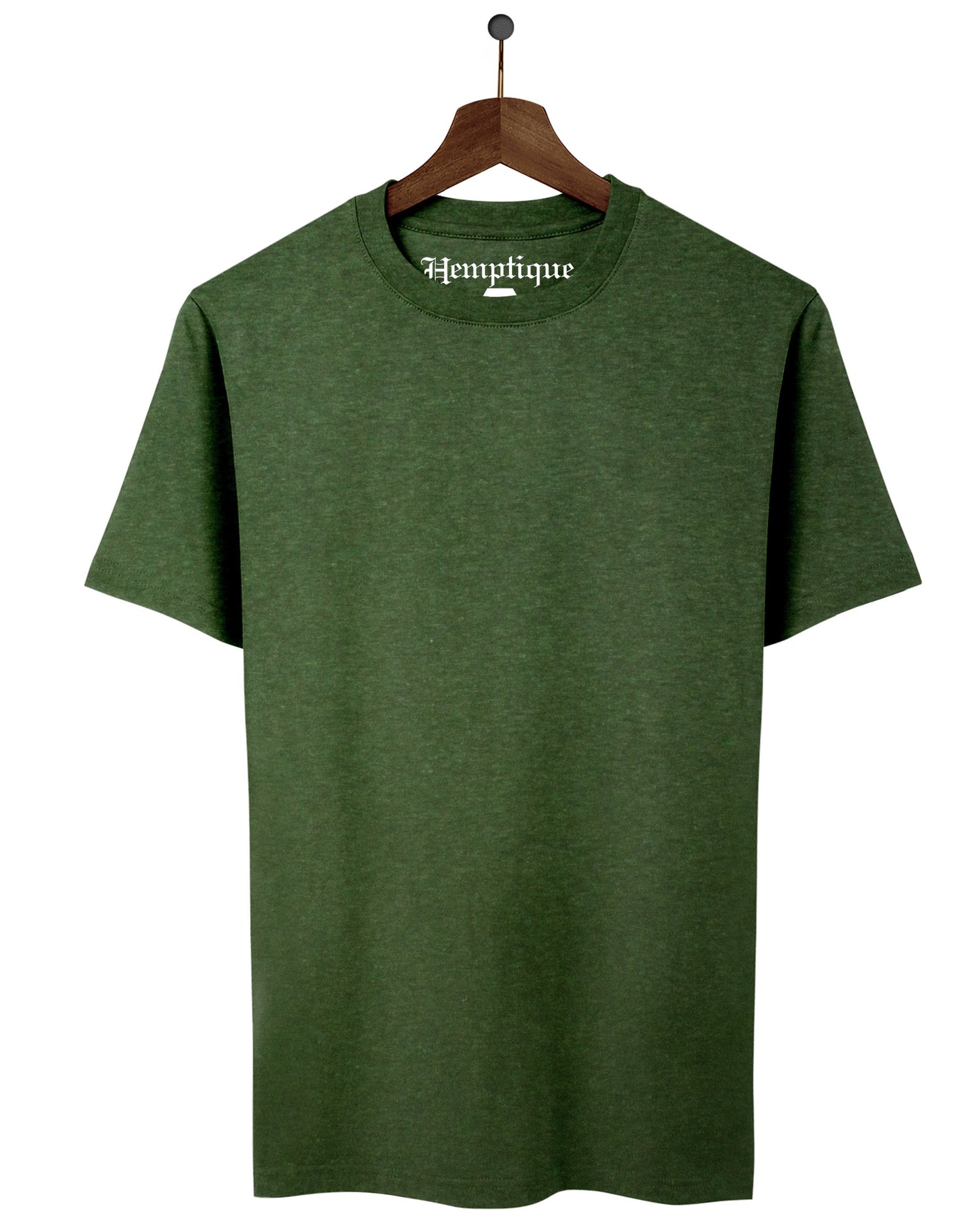
Credit: hemptique.com
Types Of T-shirt Shirts
T-shirt shirts come in many styles. Each type offers something different, both in terms of appearance and function. Here’s a closer look at the most popular types:
1. Crew Neck
The crew neck T-shirt is the classic style most people think of first. It features a round, close-fitting neckline. Crew necks are ideal for layering or wearing alone. They suit most body types and are considered the most versatile style.
2. V-neck
V-neck T-shirts have a V-shaped neckline. This style elongates the neck and can make you appear taller. V-necks are great for people who want a slightly dressier look or want to showcase necklaces.
3. Scoop Neck
A scoop neck T-shirt has a deeper, wider neckline than a crew neck. This style is popular in women’s fashion but is also available for men. The scoop neck is relaxed and casual, often chosen for summer outfits.
4. Henley
The Henley T-shirt combines a round neckline with a buttoned placket. It’s like a mix between a crew neck and a polo shirt, but without a collar. Henleys are often considered slightly more stylish and can be worn for smart-casual occasions.
5. Long Sleeve T-shirts
Long sleeve T-shirt shirts are perfect for cooler weather. They offer the same comfort as short sleeve versions but provide extra coverage. Some have ribbed cuffs for a snug fit.
6. Polo T-shirts
Polo T-shirt shirts have a collar and a few buttons at the neck. They are more formal than regular T-shirts and are often worn in business-casual settings. The material is usually a bit thicker.
7. Raglan T-shirts
Raglan T-shirts are known for their contrasting sleeves, which extend in one piece to the collar. This style is also called a “baseball T-shirt.” The unique sleeve cut allows for greater arm movement, making it popular for sports.
8. Graphic T-shirts
Graphic T-shirt shirts feature printed designs, logos, or artwork. They are a way to showcase personality, interests, or humor. Graphics can be subtle or bold, depending on the print.
9. Pocket T-shirts
A pocket T-shirt has a small pocket on the chest. While mostly decorative, some people use the pocket to hold small items. This style adds a little detail to an otherwise plain shirt.
10. Muscle Fit T-shirts
Muscle fit T-shirts are designed to hug the body, especially the chest and arms. They are often chosen by people who want to show off their physique.
11. Oversized T-shirts
Oversized T-shirt shirts are intentionally larger and looser than standard fits. They create a relaxed, streetwear-inspired look and are very popular in fashion circles.
12. Crop T-shirts
Crop T-shirts are shorter in length, exposing the midriff. They are mostly worn by women and are a trendy choice for summer or workout outfits.
13. Ringer T-shirts
A ringer T-shirt features contrasting bands of color on the neck and sleeve cuffs. This retro style was very popular in the past and is making a comeback.
14. Baseball T-shirts
Often called baseball T-shirts, these have three-quarter-length sleeves that are a different color from the body. They offer a sporty look and are very comfortable.
15. Slub T-shirts
Slub T-shirts are made from slub cotton, which has a unique, slightly uneven texture. This gives the shirt a casual, lived-in look.
T-shirt Shirt Fabrics: What You Need To Know
The fabric of a T-shirt shirt greatly affects its comfort, durability, and appearance. Here are the most common materials:
- Cotton: The most popular T-shirt fabric. It’s soft, breathable, and good for sensitive skin.
- Polyester: Durable, wrinkle-resistant, and dries quickly. Often used in athletic shirts.
- Cotton-Polyester Blends: Combine the best of both materials—comfort and durability.
- Linen: Lightweight and very breathable. Ideal for hot weather but wrinkles easily.
- Rayon: Smooth, drapes well, and feels silky. Used in fashion T-shirts.
- Bamboo: Eco-friendly, soft, and naturally antibacterial.
- Tri-blend: A mix of cotton, polyester, and rayon. This blend gives a vintage look and soft feel.
Choosing the right fabric depends on your needs. Cotton is best for daily wear, while blends are good for sports or travel. Bamboo and linen are excellent for hot climates.
Non-obvious insight: Higher thread count does not always mean better quality for T-shirts. Sometimes, a lower thread count creates a lighter, more breathable shirt, which is perfect for summer.
How To Choose The Right T-shirt Shirt
Picking the right T-shirt shirt is about more than just size. Here are key factors to consider:
Fit
- Slim fit: Hugs the body, good for athletic builds.
- Regular fit: Slightly loose, suits most people.
- Relaxed fit: Very loose, perfect for casual or oversized styles.
The right fit should not restrict movement. Try different types to see what looks best on your body shape.
Size
Sizes can vary by brand. Always check the size chart before buying. If shopping online, measure your chest, shoulders, and length to find the right match.
Color
Classic colors like white, black, navy, and gray are versatile and easy to match. Bright colors or pastels can add personality. For a safe choice, start with neutral shades.
Neckline
Choose a neckline that suits your style and body type. Crew necks are best for narrow shoulders, while V-necks look good on rounder faces.
Fabric
Select fabric based on comfort, weather, and how you plan to use the shirt. For example, opt for moisture-wicking materials for sports.
Purpose
Are you buying a T-shirt shirt for work, exercise, or social events? Each use might need a different style or fabric.
Price
Good T-shirt shirts can range from budget to premium prices. Higher cost does not always mean higher quality, so check the fabric and stitching.
Common mistake: Many people only focus on the design or color and forget about fit and fabric. A great-looking T-shirt can still feel uncomfortable if it doesn’t fit well or is made from low-quality material.
T-shirt Shirt Sizing And Fit: Getting It Right
Wearing the right size makes a big difference in how a T-shirt shirt looks and feels. Here’s a simple guide to help you measure yourself:
- Chest: Measure around the fullest part of your chest, just under the armpits.
- Shoulders: Measure from one shoulder edge to the other.
- Length: Measure from the top of the shoulder to where you want the shirt to end.
Use these numbers when checking size charts. It’s always better to try on T-shirt shirts if you can. If you’re between sizes, consider how you like your shirts to fit. Some brands run large, while others are more fitted.
Here is a comparison of standard T-shirt fits:
| Fit Type | Description | Best For |
|---|---|---|
| Slim Fit | Close to the body, with narrow sleeves | Lean or athletic builds |
| Regular Fit | Slightly loose, classic cut | Most body types |
| Relaxed Fit | Loose around chest and waist | Casual wear or larger frames |
| Oversized Fit | Very loose, longer in length | Streetwear or fashion statements |
How To Style T-shirt Shirts For Different Occasions
T-shirt shirts are not just for lounging at home. With a bit of creativity, you can make them work for many situations. Here are some ideas for styling:
Casual Outfits
Pair a plain T-shirt with jeans or shorts for a classic look. Add sneakers for extra comfort. This is perfect for running errands or meeting friends.
Smart-casual Events
Wear a V-neck or Henley T-shirt with chinos and loafers. Layer with a blazer for a smart-casual outfit that works for dinners or casual Fridays at work.
Athletic Looks
Choose a polyester or blend T-shirt with joggers or athletic shorts. Add a hoodie or zip-up jacket for the gym or outdoor activities.
Layering
T-shirt shirts are ideal for layering. Wear them under flannel shirts, denim jackets, or cardigans. This creates depth and can help you adjust to changing weather.
Streetwear
Go for an oversized T-shirt with joggers or cargo pants. Add chunky sneakers and accessories like hats or chains.
Women’s Outfits
Women can pair crop T-shirts with high-waisted jeans or skirts. Tuck in a fitted T-shirt for a sleek, put-together look.
Advanced tip: Try mixing textures and patterns. For example, wear a slub T-shirt with smooth denim or a graphic tee under a leather jacket.
Caring For Your T-shirt Shirts
Proper care extends the life of your T-shirt shirts and keeps them looking good. Here are some tips:
- Wash in cold water to prevent shrinking and color fading.
- Turn shirts inside out before washing to protect prints.
- Use gentle detergent and avoid bleach.
- Air dry when possible, or use a low-heat setting on the dryer.
- Iron on low heat and avoid ironing directly on prints.
Some fabrics, like bamboo or linen, may need extra care. Always check the label for washing instructions.

Credit: www.menshealth.com
T-shirt Shirt Printing And Customization
One of the unique things about T-shirt shirts is how easy they are to customize. You can print graphics, slogans, or photos to make a shirt truly your own. Here are some popular printing methods:
- Screen Printing: Best for large orders and bold designs.
- Direct-to-Garment (DTG) Printing: Good for detailed or colorful images.
- Heat Transfer: Fast and affordable for small batches.
- Embroidery: Adds texture and is long-lasting, but usually limited to small designs.
Customized T-shirt shirts are popular for events, businesses, and personal gifts. If you want your shirt to last, choose high-quality printing and wash it carefully.
Comparing Popular T-shirt Shirt Brands
With so many brands selling T-shirt shirts, it can be hard to know which to choose. Here is a comparison of some well-known options:
| Brand | Price Range | Main Fabric | Best For |
|---|---|---|---|
| Uniqlo | Low-Mid | Cotton | Basic, everyday wear |
| Hanes | Low | Cotton, blends | Affordable multipacks |
| Nike | Mid | Polyester, blends | Sports and athletics |
| Supreme | High | Cotton | Streetwear, limited editions |
| Everlane | Mid | Organic cotton | Sustainable fashion |
| Fruit of the Loom | Low | Cotton, blends | Budget basics |
Each brand has its strengths. Uniqlo is famous for quality at a good price. Nike offers great performance shirts, while Supreme is all about unique, trendy designs. Everlane focuses on ethical production and sustainability.
Buying tip: Don’t rely only on brand names. Check the material, stitching, and fit before deciding.
The Impact Of T-shirt Shirts On Fashion And Culture
T-shirt shirts have played a big role in shaping modern fashion and culture. They have been used to deliver political messages, promote bands, and raise awareness for causes. For many people, the T-shirt shirt is a way to express identity and beliefs.
Celebrities and designers use T-shirt shirts in creative ways. Some wear plain white T-shirts as a symbol of simplicity, while others choose bold graphics to stand out. In streetwear, T-shirt shirts are a key item, often sold as limited editions.
A simple T-shirt shirt can tell a story, start a conversation, or even become a collector’s item. They are both timeless and constantly evolving.
Environmental Considerations: Sustainable T-shirt Shirts
The fashion industry is one of the largest polluters in the world, and T-shirt shirt production is no exception. Cotton farming uses a lot of water and chemicals, while synthetic fabrics like polyester come from fossil fuels.
If you want to make a more sustainable choice, look for:
- Organic cotton T-shirt shirts: Grown without harmful pesticides.
- Recycled materials: Some brands use recycled polyester or cotton.
- Bamboo or hemp: These materials need less water and fewer chemicals.
- Ethical brands: Companies that pay fair wages and reduce waste.
Buying fewer, higher-quality T-shirt shirts is also better for the environment. Take care of your shirts, so they last longer and reduce the need for new purchases.
For more on sustainable fashion, check out Fashion Revolution.
Common Mistakes When Buying T-shirt Shirts
- Ignoring fabric type: Not all cotton is the same. Some blends last longer or feel softer.
- Choosing the wrong fit: A shirt that’s too tight or too loose will not look good.
- Not checking the stitching: Loose threads or uneven seams mean lower quality.
- Buying based only on price: Cheap T-shirt shirts can cost more in the long run if they wear out quickly.
- Overlooking care instructions: Some shirts need special washing or drying.
Being aware of these mistakes can help you make smarter choices and build a better wardrobe.
T-shirt Shirts Vs. Other Shirts: How Do They Compare?
T-shirt shirts are not the only type of shirt you can wear. Here’s a quick comparison with other common shirt types:
| Shirt Type | Main Features | Best For | Formality |
|---|---|---|---|
| T-Shirt Shirt | Cotton, collarless, pullover | Casual, daily wear | Low |
| Polo Shirt | Collar, button placket | Business-casual, sports | Medium |
| Dress Shirt | Collar, buttons, cuffs | Formal events, office | High |
| Henley Shirt | No collar, buttons at neck | Casual to smart-casual | Low-Medium |
T-shirt shirts stand out for their comfort and versatility. They can’t replace dress shirts for formal events, but they’re the top choice for relaxed settings.
The Future Of T-shirt Shirts
T-shirt shirts will likely remain popular for many reasons. New materials and printing technologies are making them even more comfortable and customizable. More brands are focusing on sustainability, offering eco-friendly options.
Expect to see more T-shirt shirts made from recycled fabrics, innovative blends, and even smart textiles with features like moisture control or UV protection. The T-shirt shirt will continue to evolve, adapting to new trends and needs.
Frequently Asked Questions
What Is The Difference Between A T-shirt Shirt And A Regular Shirt?
A T-shirt shirt is usually collarless, made from stretchy fabric like cotton or blends, and pulled over the head. Regular shirts, like dress shirts or polos, often have collars, buttons, and are made from stiffer fabrics. T-shirt shirts are mainly for casual wear, while regular shirts can be more formal.
How Can I Tell If A T-shirt Shirt Is High Quality?
Look for tight stitching, smooth fabric, and even seams. The shirt should feel soft but not flimsy. Check the care label for material information. Higher-quality shirts often use better cotton or blends and have reinforced necklines.
Are T-shirt Shirts Suitable For All Seasons?
Yes, but the fabric matters. Light cotton or blends are great for warm weather. Long sleeve or heavier T-shirt shirts work well in cooler temperatures. Layering T-shirt shirts is a good way to stay comfortable all year.
How Should I Wash And Care For My T-shirt Shirts?
Wash in cold water, turn shirts inside out, and use a gentle detergent. Air dry when possible, or use a low-heat setting in the dryer. Avoid bleach and do not iron directly on printed designs.

Credit: sanvt.com
Can I Wear A T-shirt Shirt To Work?
In many workplaces, plain or smart T-shirt shirts are acceptable, especially for business-casual environments. Pair them with chinos or a blazer for a more polished look. However, always check your company’s dress code first.
T-shirt shirts are much more than simple pieces of clothing. They are a reflection of personal style, comfort, and even values. With so many options available, there’s a perfect T-shirt shirt for everyone. Whether you’re dressing up or down, customizing a look, or making an eco-friendly choice, the T-shirt shirt remains the ultimate wardrobe staple.
