

T Shirt Offensive: Shocking Designs That Spark Controversy
The phrase “T Shirt Offensive” may sound simple, but it covers a wide world of ideas, history, and controversy. In today’s society, a T-shirt can be much more than a piece of clothing—it can be a statement, a protest, a joke, or a spark for serious debate.
Some shirts make people laugh, while others make them angry. Some are worn to shock, to challenge, or to show a belief. But when does a shirt cross the line from free expression to being truly offensive? Why are some designs so controversial, and what are the social, legal, and cultural effects of these shirts?
This article explores all aspects of the T Shirt Offensive, from its roots to real-world examples, and helps you understand why something as ordinary as a T-shirt can create such strong reactions.
What Does “t Shirt Offensive” Mean?
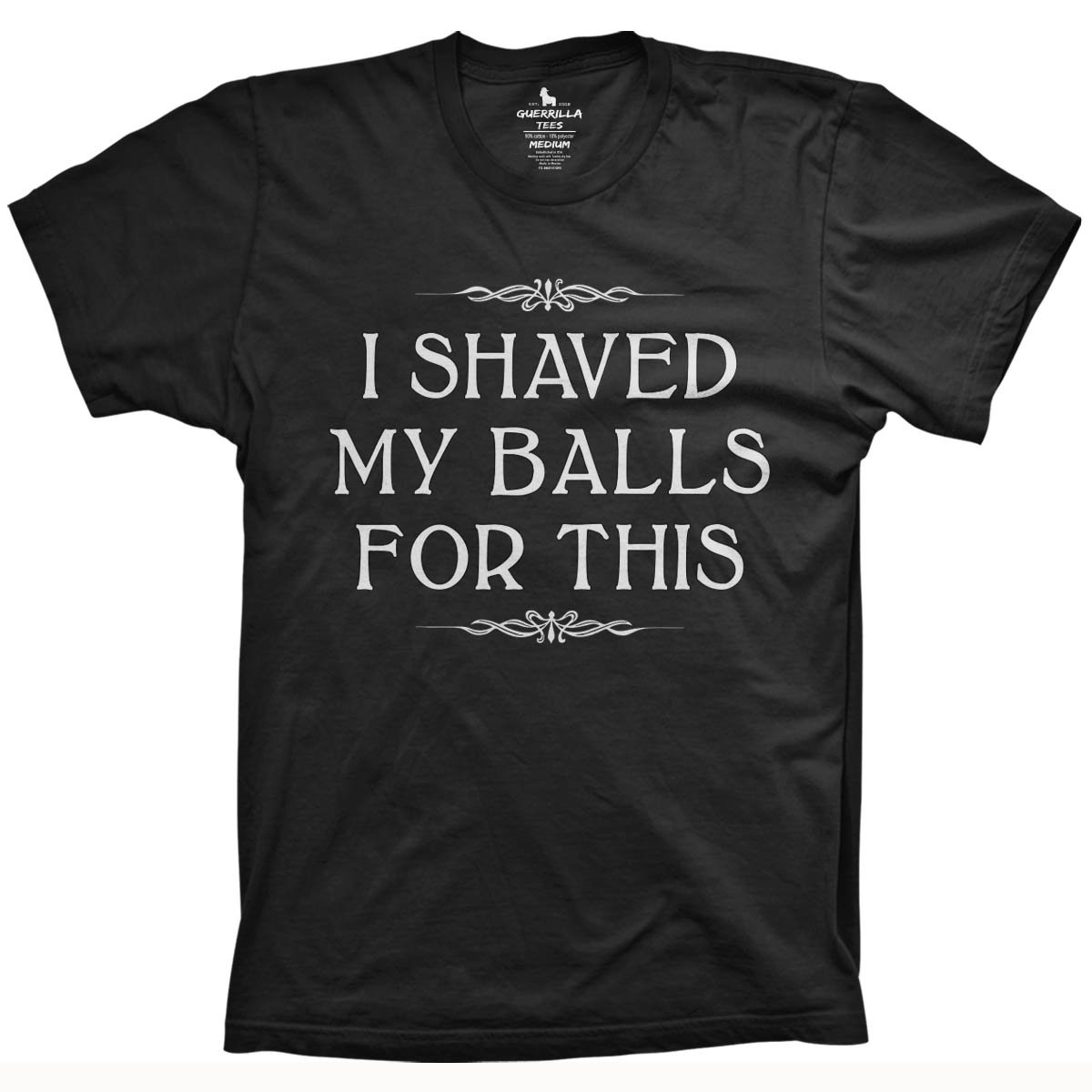
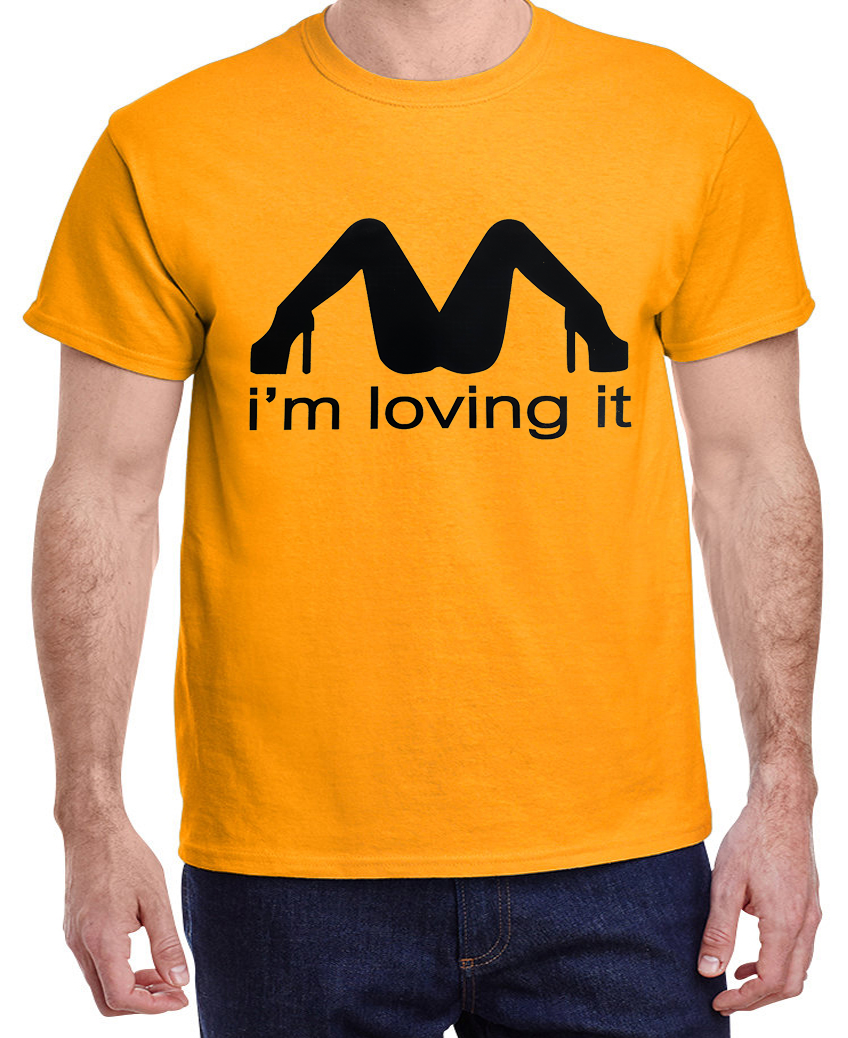
At its core, a T Shirt Offensive is any shirt with words, images, or designs that some people find rude, insulting, or inappropriate. Offensive can mean different things to different people. For some, it’s about swear words or sexual jokes. For others, it’s about political or religious statements. Some people are offended by shirts that mock certain groups, make fun of tragedies, or use violent imagery.
The key point: offensiveness is subjective. What makes one person angry might not bother another. Culture, age, religion, and personal experience all play a role in how a shirt is received. That’s why the T Shirt Offensive is a complex issue—there’s no single answer.
A Short History Of Offensive T-shirts
T-shirts became popular as everyday wear after soldiers wore them as undershirts. Soon, companies discovered that T-shirts were like walking billboards. People started printing slogans, band names, and artwork on them. This was the start of T-shirts as a form of self-expression.
From the start, some shirts were designed to shock or provoke. In past decades, people used T-shirts to protest wars, make political statements, or challenge social norms. For example, band T-shirts with shocking art became popular at rock concerts. Activists printed shirts with bold messages demanding change. Sometimes, these shirts were banned from schools or public places.
Over time, the range of what people put on T-shirts grew wider. Today, you can find shirts with almost anything printed on them, from jokes to artwork to political messages. The T Shirt Offensive has become a bigger part of fashion, protest, and pop culture.
What Makes A T-shirt Offensive?
There are many reasons why a T-shirt might be considered offensive. Here are some of the most common:
- Profanity or Vulgar Language: Swear words and crude jokes often upset people, especially in public or family-friendly places.
- Sexual Content: Shirts with sexual images or double meanings can be seen as disrespectful or inappropriate.
- Racist or Sexist Messages: Anything that targets a group based on race, gender, religion, or other identity is likely to cause strong reactions.
- Political or Religious Statements: Shirts that support or attack certain beliefs can create conflict, especially in diverse communities.
- Violence or Hate Symbols: Images or words that promote hate or violence are often banned by schools, businesses, or even by law.
- Mocking Tragedy or Suffering: Making jokes about disasters, illnesses, or deaths can be deeply hurtful.
- Cultural Appropriation: Using sacred or important symbols from another culture, especially without understanding, can offend.
It’s important to remember that context matters. A shirt that’s funny in one place may be deeply offensive in another. For example, a political joke may be fine at a concert but not at work.
Real-world Examples Of Offensive T-shirts
To understand the T Shirt Offensive, it helps to look at some real examples that have caused debate.
- A shirt with a swear word in large letters—banned from many schools and stores.
- Shirts with the phrase “I’m with Stupid” and an arrow—funny to some, bullying to others.
- T-shirts showing cartoon images of violence—controversial, especially among parents.
- Political campaign shirts that insult the opponent—common during elections, but often divisive.
- Shirts using sacred religious symbols in a joking way—seen as disrespectful by many.
These examples show how one design can be seen as a joke, a protest, or an insult—depending on who’s looking.
Why Do People Wear Offensive T-shirts?
Not everyone wears an offensive shirt by accident. There are several reasons why people choose them on purpose:
- To express an opinion: Some people use shirts to share their beliefs, even if it upsets others.
- To protest or challenge norms: Activists often use bold shirts to start conversations.
- For humor: What is funny to one person may offend another. Some enjoy the shock factor.
- To belong: Certain groups, like bands or movements, use T-shirts to show unity, even with risky messages.
- To provoke: Some enjoy making others uncomfortable, seeing it as a form of rebellion.
Understanding these motivations helps explain why offensive shirts remain popular, even when they cause problems.
The Role Of Social Media In The T Shirt Offensive
In the past, a shirt’s impact was limited to the people who saw it in person. Today, a photo of an offensive T-shirt can go viral in minutes. Social media platforms amplify both the design and the reaction. Sometimes, a shirt no one noticed before becomes world-famous overnight—usually for negative reasons.
This has both good and bad effects. On one hand, social media can bring attention to important issues or stop truly harmful designs. On the other, it can turn small mistakes into global scandals, leading to boycotts, threats, or even business closure.
Brands and designers now face more pressure to think before printing. A single image can affect sales and reputation worldwide.

Credit: www.ebay.com
Legal Issues: Where Is The Line?
Is it legal to wear an offensive T-shirt? The answer depends on where you are and what the shirt says. In many countries, freedom of expression is protected by law. This means you can wear what you want, even if it offends others. But there are limits:
- Hate speech is illegal in many places. Shirts that promote violence or discrimination can lead to fines or arrest.
- Schools and workplaces often have dress codes. They can ban shirts with certain words or images.
- Public order laws sometimes ban clothing that could cause a fight or panic.
- Trademark and copyright issues apply if a shirt uses protected logos or art without permission.
If you’re unsure, check the rules before wearing a risky shirt, especially in another country.
T-shirt Offensive In Different Cultures
What is offensive in one country may be normal in another. For example, a shirt with a religious symbol might be seen as art in one place but as blasphemy in another. Humor also changes from place to place—what’s funny in one culture can be shocking in another.
Some cultures are more open to bold self-expression, while others value politeness and respect. Tourists sometimes make mistakes by wearing shirts that seem harmless at home but are offensive abroad.
Here is a comparison of how different types of T-shirt content are received in three regions:
| Type of Content | North America | Middle East | East Asia |
|---|---|---|---|
| Political Slogans | Often accepted, sometimes debated | May be banned or lead to arrest | Generally avoided in public |
| Religious Symbols | Mixed, depends on context | High chance of offense | Sensitive, often avoided |
| Sexual Content | Common, but restricted in schools | Illegal or socially unacceptable | Considered offensive |
This table shows why context and location are so important with T-shirts.
The Business Of Offensive T-shirts
Some companies specialize in making controversial shirts. They know that bold designs can attract attention and sales. Others avoid risk, choosing safe messages to appeal to the biggest market. The T Shirt Offensive is a business decision as much as a creative one.
What sells well in one country may fail in another. For example, a shirt with a political joke could be a bestseller in one city but banned in another. Many large companies now have teams to review designs before they go to print.
Sometimes, a single offensive shirt can damage a company’s image. There have been cases where brands had to apologize, recall products, or even close stores after public backlash.
Here’s a quick comparison of how different types of brands handle this issue:
| Brand Type | Approach to Offensive Content | Risk Level |
|---|---|---|
| Mainstream Clothing Chain | Strict review, avoids risky designs | Low |
| Independent Streetwear Label | Embraces bold, shocking messages | High |
| Custom Print-on-Demand Service | Removes content that breaks site rules | Medium |
Business decisions about T-shirt design affect reputation, sales, and public trust.
Schools, Dress Codes, And The T Shirt Offensive
Many schools have strict rules against offensive clothing. Common reasons for banning shirts include:
- Profanity or adult content
- Gang symbols
- Drug or alcohol references
- Hate speech or bullying
- Political or religious slogans (sometimes)
Schools argue that these rules create a safe, respectful environment. Critics say they limit free speech. There have been many court cases about whether a school can ban a shirt.
In most cases, courts allow schools to set dress codes, especially if a shirt could cause a fight or distract from learning.
T-shirt Offensive In The Workplace
Workplaces also set rules about clothing. Offensive T-shirts can create legal problems, especially if they:
- Insult coworkers
- Show sexual images or jokes
- Contain racist or sexist messages
Many companies have dress codes or “business casual” policies. Wearing an offensive shirt to work can lead to warnings, suspension, or even firing.
One non-obvious insight: Even if a company allows casual dress, what counts as “offensive” can change over time as society changes. What was once a fun shirt may become unacceptable.
The Psychology Behind Offensive T-shirts
Why do some people react so strongly to certain T-shirts? Psychologists say that clothing is a powerful form of self-expression. When someone wears a shirt that challenges your beliefs or values, it can feel personal—even if the wearer meant no harm.
Another insight is the idea of group identity. Some shirts are worn to signal that the wearer belongs to a certain group or believes in a cause. Others are worn to challenge outsiders or provoke a reaction.
Understanding these deeper reasons can help explain why the T Shirt Offensive is about more than just fabric and ink.
Credit: guerrillatees.com
The Role Of Art And Satire
Art and satire have always pushed boundaries. Some designers say their offensive shirts are not meant to insult, but to make people think. Satirical shirts use humor, irony, or exaggeration to point out problems in society.
For example, a shirt that mocks politicians may be seen as clever social commentary by some, but disrespectful by others. The line between art and offense is not always clear.
Many famous artists and musicians have used T-shirts to make statements. Sometimes, their designs end up in museums as examples of pop culture history.
The Impact Of The T Shirt Offensive On Society
Offensive T-shirts can lead to real-world consequences. In some cases, they start important conversations about freedom, tolerance, and respect. In other cases, they cause division, anger, or even violence.
A single shirt can bring attention to a cause or destroy a reputation. For businesses, schools, and communities, managing the T Shirt Offensive is a constant challenge.
T-shirt Offensive: Trends And Changes Over Time
Trends in what is considered offensive change over time. For example, shirts that were popular in the past might be banned today. Society’s views about language, humor, and respect are always evolving.
In recent years, there has been more focus on inclusivity and social responsibility. Some companies now avoid risky designs, while others double down on bold messages to stand out.
Here’s a summary of how trends have shifted:
| Past Trends | Modern Trends |
|---|---|
| Heavy use of shock value | Focus on positive or clever messages |
| Political and protest slogans | Inclusive and diverse themes |
| Sexual or crude humor | Subtle or creative wordplay |
| Copying famous logos/art | Original, unique artwork |
These changes reflect the way society’s values shift over time.
How To Respond To An Offensive T-shirt
If you see a shirt that offends you, what can you do? Here are some options:
- Ignore it: Sometimes, not reacting is the best choice, especially if the wearer is looking for attention.
- Speak up politely: If you feel comfortable, you can explain why you find the shirt offensive.
- Report it: In schools, workplaces, or public events, there may be rules against certain clothing.
- Educate: If someone is wearing an offensive shirt without realizing, sharing information can help.
- Consider context: Before reacting, think about the situation and your relationship with the person.
It’s also worth remembering that some people may not know their shirt is offensive. A little patience goes a long way.
Credit: www.ebay.com
Tips For Designing T-shirts That Avoid Offense
If you are a designer or business owner, here are ways to avoid unintentional offense:
- Research your audience: Know who will see or buy your shirts.
- Understand cultural meanings: Symbols and words can mean different things in different places.
- Avoid hate speech or insults: These are not just risky, but often illegal.
- Test your design: Show it to a diverse group before printing.
- Be open to feedback: Listen if people say a design is hurtful.
Many successful designers manage to be bold and creative without crossing the line.
Can Offensive T-shirts Be A Force For Good?
Not all offensive shirts are meant to harm. Sometimes, they start important discussions or bring attention to hidden problems. For example, a shirt with a shocking slogan about environmental damage might push people to care more.
Satirical or protest shirts can help people express themselves and fight for change. The challenge is to balance free speech with respect for others.
The Future Of The T Shirt Offensive
As society changes, so does the T Shirt Offensive. New technologies, like custom online printing, make it easier than ever to create personal designs. At the same time, increased awareness of social issues means more designs are checked for possible offense.
The debate about free speech versus respect will not end soon. T-shirts will continue to be a battleground for ideas, jokes, and protests. The key is to stay informed, think about the impact of your message, and respect the feelings of others.
If you want to read more about free expression and clothing, you can visit Wikipedia's article on Freedom of Expression.
Frequently Asked Questions
What Counts As An Offensive T-shirt?
An offensive T-shirt is any shirt with words, images, or designs that some people find rude, insulting, or inappropriate. This can include profanity, sexual content, hate speech, or anything that mocks a group or belief.
Can I Get In Trouble For Wearing An Offensive Shirt?
Yes. While free speech laws protect many types of clothing, you can face consequences at school, work, or in public if your shirt breaks rules or laws about hate speech, bullying, or public order.
Are Offensive T-shirts Banned Everywhere?
No. Rules vary by country, city, school, and workplace. Some places have strict dress codes, while others allow more freedom. Always check local rules before wearing a risky shirt.
How Can I Avoid Buying Or Wearing An Offensive T-shirt By Mistake?
Research the symbols and words on the shirt, especially if it’s from another culture. Ask friends or check online reviews. When in doubt, choose designs that are positive or neutral.
Do Offensive T-shirts Have Any Positive Effects?
Sometimes. Offensive shirts can start important conversations or bring attention to social issues. However, they can also cause harm or division. The impact depends on the message, context, and intent.
T-shirts are more than fabric—they are statements, protests, jokes, and sometimes even art. The T Shirt Offensive will always be part of fashion, society, and debate. By understanding why shirts offend, how people react, and the rules that guide them, you can make smarter choices and help create a more respectful world.
