

Sustainable Energy Alternatives: Top Solutions for a Greener Future
Sustainable Energy Alternatives
Energy is everywhere. It powers our homes, businesses, and cities. But traditional energy sources, like coal and oil, create pollution and harm the planet. As people learn more about climate change, finding cleaner ways to produce energy is becoming urgent.
Sustainable energy alternatives offer hope for a better future. They use natural resources, reduce pollution, and can help us build a healthier world.
This article explores the most important sustainable energy alternatives. It explains how each works, where they are used, their benefits, and their challenges. You will also see practical comparisons, real-world examples, and answers to common questions. Whether you want to understand the basics or dive deeper, this guide will help you see why sustainable energy is a smart choice.
What Makes Energy Sustainable?
Not all energy is equal. Sustainable energy comes from sources that do not run out, and do not harm the environment. These sources include sunlight, wind, water, heat from the earth, and plants. Sustainable energy is also called renewable energy.
Key features of sustainable energy:
- It uses natural resources that can be replaced.
- It produces little or no pollution.
- It does not cause climate change.
- It helps communities and economies grow safely.
Traditional energy, like oil and coal, is nonrenewable. It creates air pollution, releases carbon dioxide, and can damage the land and water. Sustainable energy avoids these problems.
The Main Types Of Sustainable Energy Alternatives
Each type of sustainable energy has its own strengths and weaknesses. Let’s look at the most important alternatives.
Solar Energy
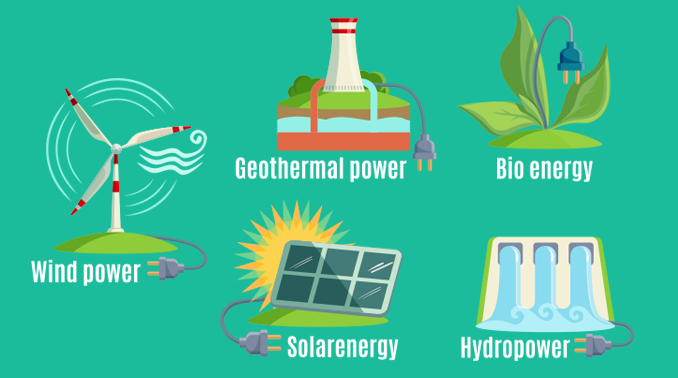
Solar energy comes from the sun. It is the most abundant energy source on Earth. Solar panels convert sunlight into electricity. These panels can be used on homes, businesses, and even in large solar farms.
Benefits of solar energy:
- Clean and renewable
- Easy to install on rooftops
- Low maintenance costs
- Can work in remote areas
Challenges:
- Depends on sunlight (less energy at night or in cloudy weather)
- Requires space for panels
- High upfront cost for installation
Solar energy is popular in sunny places. Some countries use it for over 20% of their electricity. New technology is making solar panels cheaper and more efficient.
Wind Energy
Wind energy uses the power of moving air to turn turbines. These turbines make electricity. Wind farms are often found on hills, plains, and near the sea.
Benefits of wind energy:
- No pollution
- Fast to build
- Affordable in many areas
- Can use land for farming or grazing
Challenges:
- Needs steady wind
- Turbines can be noisy
- May affect birds and local scenery
Wind energy is growing quickly. Many countries are building offshore wind farms, where winds are stronger and more reliable.
Hydroelectric Energy
Hydroelectric energy comes from moving water. Dams are built on rivers to control the flow. When water passes through the dam, it turns turbines that make electricity.
Benefits:
- Reliable
- Can store energy for later use
- Helps with flood control and water supply
Challenges:
- Can harm fish and river habitats
- Requires large amounts of water
- Expensive to build
Hydroelectric energy is one of the oldest renewable sources. It supplies about 16% of the world’s electricity.
Geothermal Energy
Geothermal energy uses heat from deep inside the earth. Wells are drilled into hot rocks or underground water. This heat is used to make steam, which turns turbines.
Benefits:
- Works all day and night
- Low pollution
- Small land footprint
Challenges:
- Only available in certain places
- High drilling costs
- Risk of small earthquakes
Countries with volcanoes or hot springs often use geothermal energy. It can also be used for heating homes and greenhouses.
Biomass And Bioenergy
Biomass energy comes from plants and organic waste. It includes wood, crops, and animal waste. These materials are burned or turned into gas and liquid fuels.
Benefits:
- Uses waste products
- Can be stored and used anytime
- Supports farmers
Challenges:
- Burning can create pollution
- May compete with food crops
- Needs careful management
Biomass is common in rural areas. Some cities use it to produce electricity and heat.
Comparing Sustainable Energy Alternatives
Choosing the right energy source depends on location, cost, and needs. The following table shows a basic comparison of the main types:
| Energy Source | Availability | Pollution | Cost (per kWh) | Best Use |
|---|---|---|---|---|
| Solar | Daytime, sunny areas | Very low | $0.06–$0.15 | Homes, businesses |
| Wind | Windy locations | Very low | $0.04–$0.10 | Large farms |
| Hydroelectric | Rivers, lakes | Low | $0.05–$0.12 | National grids |
| Geothermal | Special regions | Very low | $0.07–$0.14 | Heating, power |
| Biomass | Global | Low | $0.06–$0.13 | Rural power |
Some energy sources are better for certain places. For example, wind farms work best in flat, windy areas. Solar panels are great for sunny rooftops. Hydroelectric power needs rivers. Geothermal works only in regions with underground heat.
Challenges And Solutions
Sustainable energy is promising, but it faces real challenges. Understanding these problems helps us find solutions.
Storage And Reliability
Most renewable sources depend on weather and natural conditions. Solar and wind are not always available. This can cause gaps in electricity.
Energy storage is a solution. Batteries can store extra energy for use when the sun is not shining or wind is not blowing. New battery technology is making storage cheaper and more reliable.
Another solution is smart grids. These systems balance supply and demand. They help manage energy from different sources, making sure power is always available.
Land Use And Environmental Impact
Building solar farms and wind turbines needs space. Sometimes, it affects local plants and animals. Hydroelectric dams can change rivers and harm fish.
Careful planning helps reduce impact. For example, wind turbines can be placed away from bird paths. Solar panels can be installed on rooftops instead of farmland.
Cost And Access
Some sustainable energy projects are expensive at first. Many people cannot afford to install solar panels or wind turbines. Governments and companies offer loans and incentives to help.
Community projects are another answer. People can work together to build shared solar farms or wind parks. This lowers costs and spreads benefits.
Technical Challenges
Some sources, like geothermal, need special skills and equipment. Biomass energy must be managed carefully to avoid pollution. Training and education are important for success.
The Role Of Energy Efficiency
Using energy wisely is as important as producing it. Energy efficiency means getting more work from less energy. For example, LED lights use less electricity than old bulbs. Insulated buildings stay warm with less heating.
Being efficient saves money and reduces pollution. It also helps make renewable energy go further. Governments often set standards for efficiency in appliances, vehicles, and buildings.
The Future Of Sustainable Energy
Sustainable energy is growing fast. Technology is improving, and prices are falling. Many countries have set goals to use more renewables.
New Innovations
Scientists are working on better solar panels, smarter batteries, and new ways to capture wind. Some are testing floating solar farms on lakes. Others are building wind turbines in the ocean.
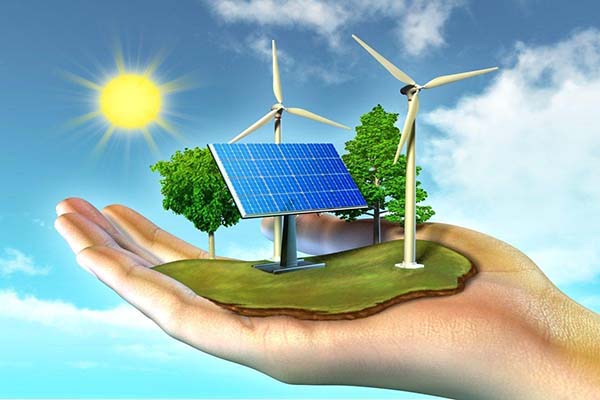
Hybrid systems combine different sources. For example, a building might use solar panels and wind turbines together. This makes energy supply more reliable.
Global Trends
Some countries already use mostly renewable energy. For example, Iceland uses geothermal and hydroelectric for almost all its power. Denmark gets over 40% of its electricity from wind.
Developing countries are also investing in sustainable energy. It helps them grow without causing pollution. Small solar panels and mini wind turbines are bringing electricity to villages that never had power before.
Practical Examples
- Germany: Germany is famous for its solar and wind energy. It has made big investments in clean power. People can sell extra energy back to the grid.
- Costa Rica: Costa Rica uses hydroelectric, wind, and solar for nearly all its electricity. It has shown that small countries can lead in sustainability.
- India: India is building huge solar parks. It aims to provide clean power to millions.

Credit: namastesolarindia.com
Comparing Sustainable Energy To Traditional Sources
How does sustainable energy stack up against coal, oil, and gas? Let’s see a side-by-side comparison:
| Feature | Sustainable Energy | Traditional Energy |
|---|---|---|
| Resource | Renewable (sun, wind, water, earth) | Nonrenewable (coal, oil, gas) |
| Pollution | Low to none | High (CO2, air pollutants) |
| Availability | Unlimited | Limited, depletes |
| Climate Impact | Reduces warming | Causes warming |
| Cost Trend | Getting cheaper | Rising and unstable |
Sustainable energy is clearly better for the environment. It is becoming more affordable every year. Traditional energy is still used for some jobs, like heavy industry. But the world is shifting toward cleaner sources.
How Individuals Can Support Sustainable Energy
You do not need to be a government or big company to make a difference. Here are ways to support sustainable energy:
- Install solar panels: If you own a home, consider solar panels. They lower electricity bills and reduce pollution.
- Choose green energy: Many power companies offer renewable options. Ask your provider about clean energy plans.
- Save energy: Use efficient appliances and switch off lights when not needed.
- Support community projects: Join or start a local solar or wind project.
- Advocate: Tell leaders and companies you want more renewable energy.
Even small actions help. When many people choose clean energy, it encourages bigger changes.
Common Mistakes And Misconceptions
Many beginners make mistakes when thinking about sustainable energy. Here are some things to watch for:
- Thinking renewables are always expensive: Costs are falling fast. In some places, solar and wind are cheaper than coal or gas.
- Believing renewables are unreliable: With batteries and smart grids, sustainable energy can be reliable.
- Ignoring local conditions: Not every energy source works everywhere. Always consider climate, land, and resources.
- Skipping maintenance: Solar panels and wind turbines need regular checks to work well.
Some people also confuse energy efficiency with renewable energy. Efficiency means using less energy; renewables are about using clean sources. Both are important.
Policy And Government Support
Governments play a big role in promoting sustainable energy. They can set targets, offer incentives, and build infrastructure.
Incentives
Many countries give tax breaks or grants to people who install solar panels or wind turbines. Some offer payments for selling extra energy back to the grid.
Regulations
Governments can set rules for pollution and energy use. They can require companies to use a certain amount of renewable energy.
Research And Development
Investing in new technology helps make sustainable energy better and cheaper. For example, research has created more efficient solar panels and batteries.
International Cooperation
Countries can work together to share knowledge and resources. This speeds up progress and helps everyone benefit.
Energy Storage Technologies
Storing renewable energy is key for reliability. Here are some main storage solutions:
- Batteries: Lithium-ion batteries store electricity for use when the sun or wind is not available.
- Pumped hydro: Water is pumped uphill when energy is plentiful, and released to make electricity when needed.
- Flywheels: These store energy by spinning quickly, then release it to the grid.
- Thermal storage: Heat is stored in materials like molten salt and used later to make power.
Each method suits different needs and scales. Battery prices are dropping, making home storage more practical.
Economic Impact Of Sustainable Energy
Renewable energy creates jobs and supports communities. Solar and wind projects need workers for installation, maintenance, and operation.
Job Creation
The renewable sector is one of the fastest-growing job markets. It includes roles in engineering, manufacturing, and construction.
Local Benefits
Projects often use local resources and labor. Farmers can earn money by hosting wind turbines or growing biomass crops.
Energy Independence
Countries using local renewables rely less on foreign oil and gas. This makes their economies stronger and safer.
Credit: earthhow.com
Environmental Benefits
The main reason for sustainable energy is to protect the environment.
- Reduces air pollution: Clean energy does not produce harmful gases.
- Cuts greenhouse gases: This slows climate change.
- Preserves water: Solar and wind use little water compared to coal and nuclear plants.
- Protects wildlife: When managed well, renewables have low impact on animals and habitats.
Sustainable energy also helps cities stay healthy. Cleaner air means fewer health problems.
Real-world Data And Insights
Renewable energy is rising everywhere. Here are some key facts:
- Over 80% of new power capacity worldwide comes from renewables.
- Solar and wind now provide more than 10% of global electricity.
- Battery storage capacity is doubling every few years.
- Some countries have set goals to reach 100% renewable energy.
Many people miss the impact of energy storage and smart grids. Without them, renewables would be less reliable. Another insight: combining different sources creates a balanced system.
Credit: timestech.in
Frequently Asked Questions
What Is The Most Sustainable Energy Source?
There is no single best source. Solar and wind are popular because they are clean and widely available. Hydroelectric is reliable but needs rivers. The best choice depends on local resources and needs.
Can Sustainable Energy Power An Entire Country?
Yes, some countries already use mostly renewable energy. For example, Iceland and Costa Rica have nearly all their electricity from clean sources. With the right mix and technology, any country can make the switch.
Is Sustainable Energy Expensive?
Costs have dropped sharply. In many places, solar and wind are cheaper than coal or gas. Upfront costs can be high, but savings on energy bills and health make it worth it. Incentives and community projects help make it affordable.
How Can I Start Using Sustainable Energy At Home?
You can install solar panels, choose green energy from your provider, and use efficient appliances. Even small changes help. Many governments offer incentives for home installations.
Where Can I Find More Information About Sustainable Energy?
A good place to learn more is the Wikipedia page on renewable energy. It offers facts, history, and links to research.
Sustainable energy alternatives are no longer just ideas—they are real solutions. They help us protect the planet and build better lives. By understanding and supporting these clean sources, anyone can be part of the change.
