

Smart Casual vs Business Casual Female: Key Style Differences
Smart Casual Vs Business Casual Female: The Complete Guide
Deciding what to wear for work or social events can feel confusing. For many women, the line between smart casual and business casual is blurry. These dress codes often overlap, but they are not the same. Knowing the difference helps you feel confident, stand out, and avoid awkward moments. Whether you’re preparing for a new job, a business lunch, or a networking event, understanding these styles will make life easier.
This guide breaks down smart casual and business casual for women, shows the differences, and gives real-world examples. You’ll learn how to build outfits, what mistakes to avoid, and get practical tips. The goal: help you look polished and feel comfortable, no matter the occasion.
What Is Smart Casual?
Smart casual is a flexible dress code. It mixes formal elements with relaxed pieces. The result is an outfit that feels stylish but not too stiff. Smart casual works for many occasions: office parties, dinners, or events where you want to look put-together but not overdressed.
Key Features Of Smart Casual
- Mix of formal and informal: A blazer with jeans, a silk blouse with tailored pants.
- Comfort is important: Fabrics are softer and cuts are looser.
- Personal style shines: Accessories, colors, and patterns are allowed.
- Footwear is flexible: Loafers, ballet flats, even smart sneakers.
Examples Of Smart Casual Outfits
- Dark skinny jeans, a crisp white shirt, and a navy blazer.
- A midi skirt, printed blouse, and ankle boots.
- Tailored trousers, a soft sweater, and statement earrings.
- Simple dress with a denim jacket and loafers.
Common Smart Casual Mistakes
- Choosing clothes that are too casual (like ripped jeans or graphic tees).
- Over-accessorizing (too many bold pieces).
- Shoes that are too sporty (running shoes, flip-flops).
What Is Business Casual?
Business casual is a standard dress code for many offices. It is more formal than smart casual but less strict than full business attire. The focus is on looking professional, neat, and trustworthy.
Key Features Of Business Casual
- Professional appearance: Jackets, blouses, tailored pants or skirts.
- Neutral colors: Black, navy, gray, beige.
- Minimal accessories: Simple jewelry, classic watches.
- Closed-toe shoes: Pumps, loafers, or low heels.
Examples Of Business Casual Outfits
- Black dress pants, light blue blouse, and a cardigan.
- Pencil skirt, tucked-in shirt, and classic pumps.
- Shift dress with a structured blazer.
- Khaki trousers, button-down shirt, and low heels.
Common Business Casual Mistakes
- Wearing clothes that are too tight or revealing.
- Too many bright colors or flashy patterns.
- Open-toed shoes or sandals.

Credit: www.youtube.com
Smart Casual Vs Business Casual: Main Differences
The two styles can look similar, but there are key differences. Smart casual is about blending comfort and style, while business casual is about maintaining a professional look. Below is a comparison table to help you see the distinctions clearly:
| Feature | Smart Casual | Business Casual |
|---|---|---|
| Formality | Relaxed, stylish | Professional, neat |
| Colors | Wide range, bold allowed | Mostly neutral |
| Accessories | More freedom, statement pieces | Minimal, classic |
| Shoes | Flats, smart sneakers, boots | Closed-toe, low heels, loafers |
| Fabrics | Mix of textures, softer | Structured, polished |
| Personal Style | Expressive | Subdued |
When To Choose Smart Casual Or Business Casual
Understanding when to wear each style is important. The right outfit depends on the event, company culture, and your role. Here are some examples:
- Smart Casual is best for: Networking events, creative industry jobs, after-work dinners, office parties.
- Business Casual is best for: Regular office days, client meetings, job interviews, formal presentations.
Real-world Situations
- Job Interview: Business casual is safer. Employers expect a professional look.
- Office Party: Smart casual works. You can add color and accessories.
- Creative Workplace: Smart casual fits. Express your personality.
- Traditional Workplace: Business casual is expected. Keep it simple and neat.
How To Build A Smart Casual Wardrobe
Building a smart casual wardrobe means finding pieces you can mix and match. Comfort and style are key. Here are steps to help you get started:
- Choose versatile basics: Blazers, dark jeans, midi skirts, tailored trousers.
- Pick comfortable fabrics: Cotton, linen, soft knits.
- Add stylish tops: Silk blouses, patterned shirts, sweaters.
- Invest in good shoes: Loafers, ankle boots, smart sneakers.
- Select accessories: Scarves, statement jewelry, belts.
Practical Example
Start with a navy blazer, white shirt, and dark jeans. Add a patterned scarf and loafers. You can wear this for a casual meeting or dinner.
Smart Casual Wardrobe Essentials
- 2–3 blazers (neutral and bold colors)
- 4–5 blouses or shirts
- 2 pairs of dark jeans
- 2 midi skirts
- 2 pairs of tailored trousers
- 3–4 sweaters
- 2 pairs of loafers or flats
- 1–2 pairs of boots
- Statement jewelry pieces
How To Build A Business Casual Wardrobe
A business casual wardrobe should focus on professional basics that are easy to combine. Neutral colors and classic cuts are important. Follow these steps:
- Get classic jackets: Structured blazers in black, navy, or gray.
- Pick tailored pants and skirts: Pencil skirts, dress pants, khakis.
- Choose simple tops: Button-down shirts, solid-color blouses.
- Buy quality shoes: Closed-toe pumps, loafers.
- Keep accessories minimal: Watches, stud earrings.
Practical Example
Wear black dress pants, a light blue blouse, and a gray blazer. Add black pumps and a silver watch. This is perfect for an office day or a client meeting.
Business Casual Wardrobe Essentials
- 2–3 structured blazers (neutral colors)
- 5–6 button-down shirts
- 2 pencil skirts
- 2 pairs of dress pants
- 2 pairs of khakis
- 3–4 cardigans
- 2 pairs of closed-toe pumps
- 1–2 pairs of loafers
- Simple jewelry
Smart Casual Vs Business Casual: Dress Code Comparison
Different workplaces and events use these dress codes. Here’s a comparison of typical dress code requirements:
| Dress Code | Allowed Items | Restricted Items |
|---|---|---|
| Smart Casual | Jeans, blazers, patterned tops, boots, statement jewelry | Ripped jeans, sportswear, flip-flops |
| Business Casual | Dress pants, pencil skirts, structured blazers, pumps, minimal jewelry | Short skirts, sleeveless tops, sandals |
Choosing The Right Outfit: Step-by-step Guide
Getting dressed for an event or work day is easier when you follow a clear process. Here’s a step-by-step guide:
- Check the dress code: Look for clues in the invitation or workplace guidelines.
- Consider the setting: Is it formal, relaxed, creative, or traditional?
- Think about your role: Are you presenting, meeting clients, or attending a social event?
- Pick base pieces: Start with pants, skirt, or dress.
- Add layers: Blazer, cardigan, or jacket.
- Choose shoes: Match the formality of the event.
- Accessorize wisely: Keep it simple for business casual; add personality for smart casual.
Example Scenario
You’re going to a networking event after work. The invite says “smart casual. ” Choose a midi skirt, printed blouse, and loafers. Add a blazer for polish, and a statement necklace for style.
Accessories: How They Differ In Smart Casual And Business Casual
Accessories can make or break an outfit. Knowing how to use them is important.
Smart Casual Accessories
- Bold jewelry: Large earrings, chunky necklaces.
- Colorful scarves: Adds personality.
- Fashion belts: To accentuate your waist.
- Handbags: Trendy or classic, depending on your style.
Business Casual Accessories
- Simple jewelry: Stud earrings, thin bracelets.
- Neutral scarves: Light colors, classic patterns.
- Classic watches: Silver, gold, or leather straps.
- Structured handbags: Medium size, neutral colors.
Mistakes To Avoid
- Mixing too many accessories.
- Using flashy items in a strict business setting.
- Choosing bags that are too casual (backpacks, tote bags with logos).
Shoes: What’s Allowed In Smart Casual Vs Business Casual
Shoes are often overlooked, but they signal your outfit’s formality.
Smart Casual Shoes
- Loafers: Comfortable and stylish.
- Ballet flats: Classic and easy to wear.
- Smart sneakers: Clean, neutral, not sporty.
- Ankle boots: Adds edge to your outfit.
Business Casual Shoes
- Closed-toe pumps: Professional and polished.
- Loafers: Neutral colors, classic design.
- Low heels: Not too high, comfortable for office.
- Oxfords: Structured and neat.
Shoe Comparison Table
| Style | Smart Casual | Business Casual |
|---|---|---|
| Loafers | Bright colors, patterns | Neutral, classic |
| Ballet Flats | Fun designs | Simple, understated |
| Boots | Ankle, suede | Leather, low heel |
| Sneakers | Smart, minimal | Rarely allowed |
| Pumps | Not required | Preferred |
Color And Pattern Choices: Smart Casual Vs Business Casual
Color and pattern choices can change the mood of your outfit.
Smart Casual Colors
- Wide range: Bright, pastel, jewel tones.
- Patterns: Floral, stripes, checks.
Business Casual Colors
- Mostly neutral: Black, navy, gray, beige.
- Patterns: Subtle, small-scale.
Tips
- Use color to express personality in smart casual.
- Stick to classic combinations in business casual.
- Avoid neon or overly bold prints for business settings.
Real-world Examples: Smart Casual Vs Business Casual Female Outfits
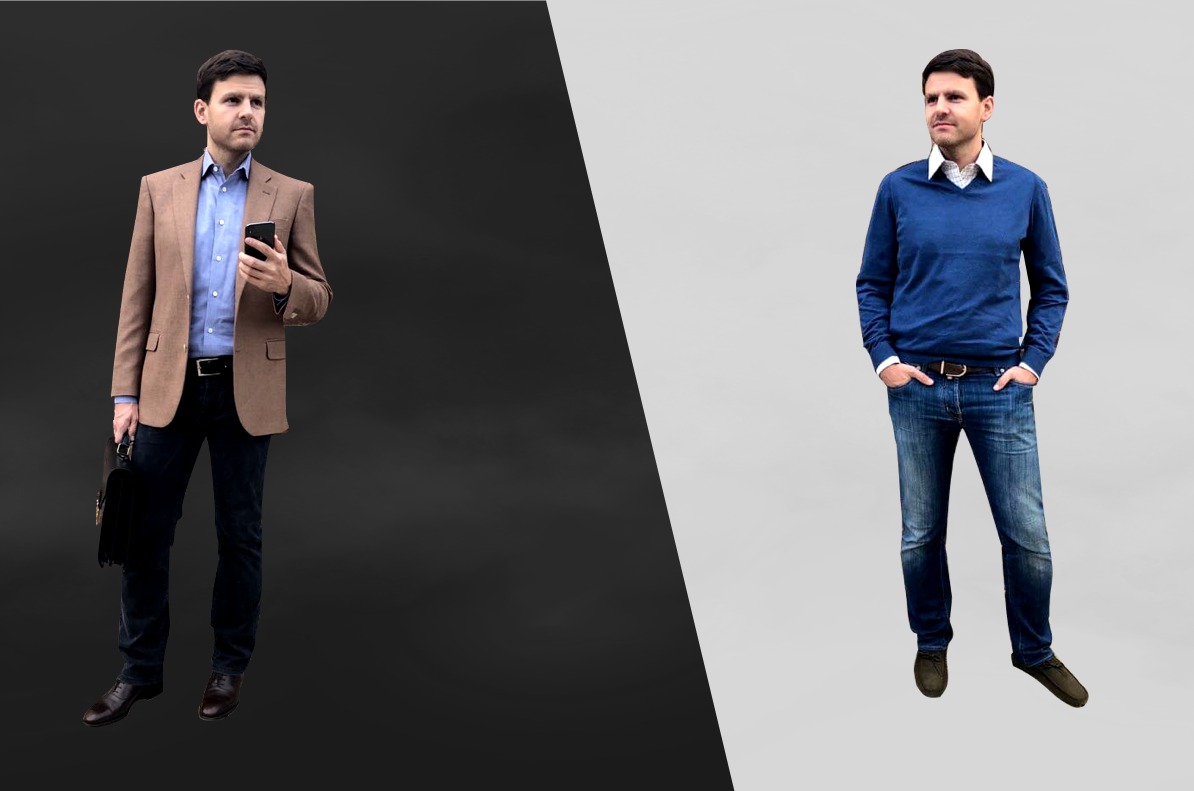
Seeing real outfits helps you understand the difference. Here are two sample wardrobes:
Smart Casual Example
- Navy blazer
- White silk blouse
- Dark skinny jeans
- Red ballet flats
- Statement necklace
- Patterned scarf
This outfit is perfect for a creative office or a dinner with friends. It feels relaxed but looks sharp.
Business Casual Example
- Gray structured blazer
- Light blue button-down shirt
- Black pencil skirt
- Black closed-toe pumps
- Silver watch
- Simple stud earrings
This outfit is ideal for a regular office day or a meeting. It looks professional and is comfortable for work.
Credit: theartefact.com
Data: What Do Women Prefer?
Surveys show that dress codes are changing. According to a report from the Society for Human Resource Management, over 60% of offices use business casual, while smart casual is growing in creative fields. Comfort is becoming more important, and women want clothes that let them move easily and show some personality.
Another study found that 55% of women feel more confident in smart casual outfits because they can add personal touches. However, 70% said they worry about being “too casual” at work. This shows why knowing the difference matters.
Non-obvious Insights For Beginners
- Fit matters more than price. Well-fitted clothes look more expensive and professional, even if bought at affordable stores. Many beginners focus on brands, but tailoring makes a bigger difference.
- Layering changes the outfit’s mood. Adding a blazer or cardigan instantly shifts smart casual toward business casual. Remove it, and the look feels more relaxed.
- The right bag signals professionalism. Structured bags, even in smart casual, make you look organized and trustworthy. Slouchy bags can feel too informal.
- Shoes can upgrade or downgrade your outfit. Smart sneakers are fine for creative offices, but swap them for pumps when meeting clients.
- Patterns can distract. In business casual, keep patterns small and simple. Large prints can feel unprofessional.

Credit: thedarkknot.com
Common Mistakes: How To Avoid Them
Many women struggle with these dress codes because of simple mistakes. Here’s how to avoid them:
- Ignoring company culture: Always check what others are wearing before experimenting.
- Choosing too casual shoes: Avoid running shoes or sandals unless the dress code allows.
- Over-accessorizing: Limit jewelry to one statement piece for smart casual.
- Mixing too many colors: Stick to two or three colors per outfit for a polished look.
- Wearing wrinkled clothes: Ironing makes any outfit look better.
Tips For Transitioning Between Dress Codes
Sometimes you need to move from business casual to smart casual during the day. Here are ways to do it smoothly:
- Bring a bold scarf or statement earrings to add after work.
- Swap pumps for loafers or ballet flats before going to dinner.
- Remove the blazer and add a denim jacket for a relaxed look.
- Change structured pants for dark jeans if the occasion allows.
- Add a fun handbag for the evening.
Dressing For Your Body Type
Dress codes work best when you adapt them to your shape. Here are tips for different body types:
- Hourglass: Use belts to highlight your waist. Choose fitted blazers.
- Pear shape: Wear A-line skirts and structured tops.
- Apple shape: Choose flowy blouses and straight-leg pants.
- Athletic: Try peplum tops or wrap dresses for curves.
Smart casual lets you experiment with shapes and cuts. Business casual often uses more structured pieces.
Smart Casual And Business Casual In Different Cultures
Dress codes change in different countries and workplaces. In the US and UK, business casual is common in offices. In creative industries (like design or advertising), smart casual is more popular. In Asian countries, business casual can be stricter—avoid sleeveless tops and bold colors.
Always research the local culture before choosing your outfit. If you travel for work, bring both smart casual and business casual pieces.
Sustainability And Dress Codes
Many women now care about sustainability in fashion. You can build smart casual and business casual wardrobes with eco-friendly fabrics like organic cotton, linen, and recycled materials. Buying fewer, quality pieces helps the environment and saves money.
Some companies now encourage employees to wear “smart sustainable” outfits. This means mixing eco-friendly fabrics with classic styles.
Making A Great Impression
Your outfit tells people about your personality and professionalism. When you dress well for the occasion, you build trust and respect. Smart casual lets you express yourself. Business casual helps you look reliable and focused.
Confidence comes from knowing you made the right choice. If you’re unsure, start with business casual and add a touch of smart casual when allowed.
Where To Shop For Smart Casual And Business Casual
Finding the right pieces can take time. Here are popular stores for women:
- Smart Casual: Zara, Mango, H&M, Anthropologie.
- Business Casual: Banana Republic, J.Crew, Ann Taylor, Nordstrom.
Look for stores with good return policies and check reviews for fit and fabric quality. You can also buy basics online from brands like Uniqlo or Everlane.
For more guidance, see Business of Fashion.
Frequently Asked Questions
What Is The Main Difference Between Smart Casual And Business Casual For Women?
The main difference is formality. Smart casual blends relaxed and stylish elements, allowing more personal expression. Business casual is more professional and uses neutral colors and classic cuts.
Can I Wear Jeans For Business Casual?
Most offices do not allow jeans for business casual. However, some modern workplaces accept dark, well-fitted jeans with a blazer. Always check your company’s dress code before wearing jeans.
Are Open-toed Shoes Allowed In Smart Casual And Business Casual?
Open-toed shoes are usually allowed in smart casual but not in business casual. For business casual, stick to closed-toe pumps or loafers for a professional look.
How Can I Transition From Business Casual To Smart Casual After Work?
Add bold accessories, swap structured pieces for relaxed ones, and change shoes. For example, replace pumps with loafers and add a patterned scarf.
What Should I Avoid When Dressing Smart Casual Or Business Casual?
Avoid clothes that are too casual (like ripped jeans, graphic tees, or sandals). In business casual, skip flashy colors and large patterns. Make sure your clothes fit well and are clean.
Choosing between smart casual and business casual gets easier with practice. Start with basics, learn your company’s culture, and add personal touches when possible. With the right outfits, you’ll feel confident and make a great impression every time.
