

Smart-Casual Clothes Ideas Men: Effortlessly Stylish Outfits
Smart-casual Clothes Ideas Men
Smart-casual is one of the most popular dress codes, but also one of the most confusing. For many men, it feels like a mix between formal and casual, but where does the line fall? Dressing smart-casual can help you look sharp, feel comfortable, and fit in almost anywhere—from work meetings to weekend dinners.
If you want to upgrade your wardrobe, impress colleagues, or just feel more confident, knowing how to style smart-casual outfits is essential.
This guide will show you how to put together smart-casual looks with ease. You’ll discover what pieces work best, how to mix them, and which mistakes to avoid. Whether you’re new to smart-casual or just want fresh ideas, you’ll find practical advice that helps you dress better every day.
What Is Smart-casual?
Smart-casual is a dress code that combines elements of both formal and casual styles. It’s more relaxed than traditional business wear but more polished than everyday casual clothing. The goal is to look neat, stylish, and comfortable without being too formal or too laid-back.
Some examples of smart-casual clothing:
- Blazers with jeans or chinos
- Button-down shirts (not always tucked in)
- Dress shoes or clean sneakers
- Dark denim without rips or distress
- Sweaters layered over shirts
Smart-casual is suitable for many occasions, such as office environments, dinner dates, family gatherings, and even some weddings. The main rule: always look tidy and put together.
Key Elements Of Smart-casual Style
Before you start building outfits, it’s important to understand the core pieces of smart-casual style. Not all clothes in your closet will work. Here are the most important items:
Shirts
A smart-casual shirt is usually a button-down, polo, or a dress shirt. Avoid graphic t-shirts or tank tops. Colors should be neutral or subtle. For example, white, light blue, navy, or soft patterns.
Pants
Chinos and dark jeans are the backbone of smart-casual. They’re more relaxed than dress pants but more polished than shorts or sweatpants. Make sure your pants fit well—not too tight, not too loose.
Shoes
Choose leather shoes, loafers, clean sneakers, or desert boots. Avoid sandals, flip-flops, and athletic sneakers. Shoes should always be clean and in good condition.
Jackets
A blazer or sport coat can instantly make any outfit look smarter. You can also use a light bomber jacket or a cardigan for a softer look.
Accessories
Keep accessories simple: a leather belt, watch, and maybe a subtle pocket square. Avoid flashy jewelry or oversized logos.
Building Smart-casual Outfits: Practical Ideas
Creating smart-casual outfits is about mixing the right pieces. Here are some outfit ideas for different situations:
1. Office Smart-casual
For work, you want to look professional but not stiff. Try this combination:
- Navy blazer
- White button-down shirt
- Khaki chinos
- Brown leather loafers
- Simple watch
This look is comfortable for long hours but still sharp enough for meetings.
2. Dinner Or Date Night
You don’t need a full suit, but you want to show effort. Try:
- Grey cardigan
- Light blue oxford shirt
- Black jeans
- Black Chelsea boots
This outfit feels relaxed and stylish. The cardigan adds warmth and a cozy touch.
3. Weekend Gathering
For a casual event, you can wear:
- Navy polo shirt
- Beige chinos
- White leather sneakers
- Casual belt
This look is easy to wear and perfect for family events or brunch.
4. Travel Smart-casual
Comfort is key, but you still want to look neat:
- Olive bomber jacket
- Striped t-shirt
- Dark jeans
- Brown desert boots
The bomber jacket is lightweight and stylish, while the boots are comfortable for walking.
5. Seasonal Variation
In cold weather, layer with a wool sweater over a shirt, add a scarf, and choose heavier fabrics. In warm weather, switch to lighter fabrics like linen shirts and chinos.
Choosing The Right Colors And Fabrics
Smart-casual is not just about the pieces—it’s about how you wear them. Colors and fabrics make a big difference.
Color Tips
- Stick to neutral colors: Navy, gray, white, beige, black.
- Add one accent color: Burgundy, green, or mustard.
- Avoid bright, neon colors.
Fabric Tips
- Choose cotton, wool, linen, and leather.
- Avoid shiny synthetic fabrics.
- In summer, go for lighter materials; in winter, heavier ones.
Wearing the right fabrics will keep you comfortable and help your outfit look polished.
Smart-casual Vs. Other Dress Codes
Sometimes, smart-casual is confused with other dress codes. Here’s a quick comparison:
| Dress Code | Formality | Typical Items |
|---|---|---|
| Smart-Casual | Medium | Blazers, chinos, button-downs, clean sneakers |
| Business Casual | Medium-High | Dress shirts, dress pants, loafers, blazers |
| Casual | Low | T-shirts, jeans, sneakers, hoodies |
| Formal | High | Suits, ties, dress shoes, cufflinks |
Smart-casual lets you blend comfort and style, while business casual is usually stricter, and formal is much more traditional.
Essential Smart-casual Wardrobe Pieces
Let’s break down the must-have items for a smart-casual wardrobe:
Blazers
A blazer is a classic smart-casual piece. Choose navy, gray, or beige. Avoid shiny fabrics or loud patterns.
Button-down Shirts
Long-sleeve button-downs in white, blue, or subtle stripes work well. Roll up sleeves for a more relaxed look.
Chinos
Chinos offer a perfect balance between formal and casual. Pick neutral colors for flexibility.
Dark Jeans
Jeans should be slim or straight fit, dark, and free from rips. Light wash jeans are more casual.
Polo Shirts
Polos are easy to dress up or down. Choose solid colors or subtle patterns.
Sweaters And Cardigans
Layering with sweaters or cardigans adds depth and warmth. Wool and cotton are best.
Shoes
Leather loafers, brogues, or clean sneakers make any outfit smarter. Avoid running shoes or sandals.
Accessories
A leather belt, metal watch, and simple sunglasses are all you need. Avoid anything too flashy.

Credit: nilds.gov.ng
How To Mix Smart-casual Elements
The secret to smart-casual is mixing formal and casual pieces. For example, pair a blazer with jeans, or a dress shirt with sneakers. Here are some combinations:
- Dress Shirt + Dark Jeans + Loafers
- Polo Shirt + Chinos + Clean Sneakers
- Sweater + Button-Down + Chinos
- Blazer + T-Shirt + Jeans
- Cardigan + Oxford Shirt + Chinos
Each combination gives you a different vibe—choose according to the event.
Common Mistakes In Smart-casual Outfits
Many men struggle with smart-casual because they make simple errors. Here are mistakes to avoid:
- Wearing athletic sneakers instead of dress or casual shoes.
- Choosing wrinkled or dirty clothes.
- Mixing too many bold colors.
- Wearing shorts when the event calls for pants.
- Ignoring fit—baggy or tight clothes look sloppy.
- Over-accessorizing.
Always check the event and location before deciding your outfit. Smart-casual can vary by culture and workplace.
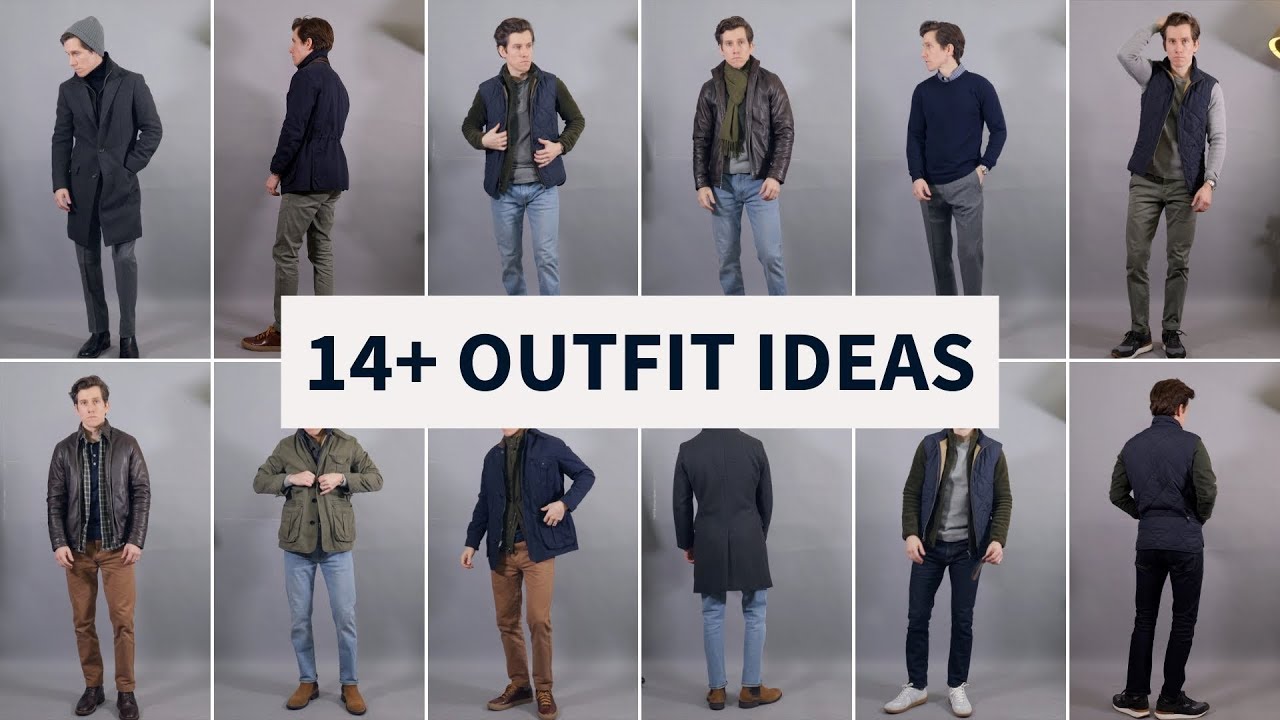
Credit: www.youtube.com
Smart-casual Outfits For Different Body Types
Smart-casual works for all body types, but you need to adjust for your shape.
Slim Build
- Choose fitted blazers and shirts.
- Avoid overly skinny jeans—straight fit is better.
- Layering adds structure.
Athletic Build
- Choose shirts that fit shoulders but aren’t tight on the waist.
- Chinos with stretch are comfortable.
- Avoid oversized jackets.
Larger Build
- Pick shirts with vertical stripes—they make you look taller.
- Structured blazers help frame your body.
- Avoid tight clothes and heavy layering.
Choosing the right fit makes a big difference in how smart-casual looks on you.
Smart-casual Clothes Ideas For Specific Events
Smart-casual is flexible, but each event has its own expectations.
Business Lunch
- Navy blazer
- Light blue shirt
- Gray chinos
- Brown loafers
Family Gathering
- Patterned sweater
- White t-shirt
- Dark jeans
- Casual sneakers
Art Gallery Or Museum Visit
- Black turtleneck
- Gray blazer
- Slim-fit jeans
- Chelsea boots
Outdoor Party
- Linen shirt
- Khaki chinos
- Canvas sneakers
Date Night
- Burgundy cardigan
- White oxford shirt
- Black jeans
- Leather boots
These ideas help you dress correctly for each occasion, while keeping your style comfortable.
Smart-casual Ideas For Different Seasons
Smart-casual is not just about clothes—it’s about adapting to weather.
| Season | Best Fabrics | Smart-Casual Outfit Example |
|---|---|---|
| Spring | Cotton, lightweight wool | Navy blazer, pastel shirt, beige chinos, loafers |
| Summer | Linen, breathable cotton | White linen shirt, light gray chinos, canvas sneakers |
| Autumn | Wool, heavier cotton | Brown sweater, denim shirt, dark jeans, desert boots |
| Winter | Wool, tweed, flannel | Gray wool coat, navy sweater, black chinos, leather boots |
Adjusting fabrics helps you stay comfortable and stylish all year.
How To Shop For Smart-casual Clothes
When shopping for smart-casual, look for quality and versatility. Here’s what matters:
Fit
Always choose clothes that fit well. Try items on before buying. Clothes should feel comfortable but not loose.
Fabric Quality
Higher quality fabrics last longer and look better. Cotton, wool, and linen are best.
Color Flexibility
Pick neutral colors that mix with other pieces. Avoid buying too many bold items.
Price Vs. Value
It’s better to own fewer quality pieces than many cheap ones. Good items last longer and look smarter.
Where To Shop
Look for stores that specialize in men’s smart-casual or business-casual. Many online shops offer style guides. For inspiration, check GQ Style.
Smart-casual Outfit Examples: Visual Inspiration
Sometimes, seeing outfits helps you plan your own. Here are three sample outfits:
Outfit 1: Day At The Office
- Navy blazer
- White button-down
- Gray chinos
- Brown loafers
- Leather watch
This look is professional but relaxed.
Outfit 2: Dinner With Friends
- Burgundy sweater
- Blue oxford shirt
- Black jeans
- Black Chelsea boots
The sweater adds warmth, while the boots keep it stylish.
Outfit 3: Weekend Casual
- Olive bomber jacket
- Striped t-shirt
- Dark jeans
- White sneakers
The jacket is light and comfortable, perfect for weekends.
Smart-casual Clothing Table: Budget Vs. Premium
Some men wonder if higher-priced items are worth it. Here’s a quick comparison:
| Item | Budget Option | Premium Option | Key Difference |
|---|---|---|---|
| Blazer | Polyester blend, $70 | Wool, $250 | Comfort, durability, fit |
| Button-Down Shirt | Cotton, $25 | Egyptian cotton, $90 | Softer fabric, crisp look |
| Chinos | Cotton, $40 | Stretch cotton, $120 | Better fit, lasts longer |
| Shoes | Synthetic, $35 | Leather, $150 | Comfort, appearance |
Premium items usually last longer and feel better but aren’t always necessary. Mix and match according to your budget.

Credit: igrs.itu.edu.tr
Non-obvious Insights For Smart-casual Success
Many beginners miss these important points:
- Layering is powerful: Adding a sweater or jacket can change the whole look and help you adjust to different temperatures. It also gives depth to your outfit.
- Personal grooming matters: Even the best outfit won’t look smart if your hair and facial hair aren’t tidy. Smart-casual is about the whole appearance, not just clothes.
- Shoes can make or break the outfit: Clean, stylish shoes are a must. Dirty or worn-out shoes ruin the effect.
- Subtle patterns are useful: Instead of bold prints, try thin stripes or micro-checks. They add style without being loud.
Smart-casual For Tall And Short Men
Height can change how clothes look. Here are some tips:
- Tall men: Avoid vertical stripes, which make you look taller. Horizontal patterns can balance your proportions.
- Short men: Choose pants with no breaks (where the pants sit just above the shoe), which lengthens your legs. Avoid long jackets.
Both groups benefit from fitted clothes and simple designs.
Smart-casual Clothing Maintenance
Smart-casual clothes need care to stay sharp.
- Wash with care: Follow label instructions. Wool and linen need gentle washing.
- Iron shirts and pants: Wrinkles look messy.
- Store properly: Hang blazers and shirts. Fold sweaters and pants.
- Clean shoes regularly: Leather shoes need polish; sneakers need cleaning.
Taking care of your clothes helps them last longer and always look fresh.
How To Transition From Casual To Smart-casual
If you usually dress casual, making the move to smart-casual can feel strange. Start small:
- Swap graphic t-shirts for polos or button-downs.
- Replace jeans with chinos.
- Add a blazer or cardigan to your outfit.
- Upgrade sneakers to loafers or clean white shoes.
Over time, you’ll feel more comfortable and confident in smart-casual.
Smart-casual For Different Age Groups
Smart-casual works for every age, but styles may differ.
- Young men: Slim-fit jeans, trendy sneakers, bomber jackets.
- Middle-aged men: Chinos, loafers, classic blazers.
- Older men: Wool sweaters, structured jackets, comfortable shoes.
Everyone can wear smart-casual; just adjust the pieces for your age and comfort.
Smart-casual And Cultural Differences
Smart-casual expectations can change by country or city. In some places, jeans are not considered smart-casual. In others, sneakers are fine. Always check local standards or ask for advice.
Frequently Asked Questions
What Is The Difference Between Smart-casual And Business Casual?
Smart-casual is more relaxed than business casual. You can wear clean sneakers, jeans, and polo shirts in smart-casual, while business casual usually requires dress pants, formal shoes, and button-down shirts. Smart-casual lets you be more creative and comfortable.
Can I Wear Sneakers In Smart-casual Outfits?
Yes, as long as they are clean and simple. White leather sneakers or minimalist designs work best. Avoid athletic or running shoes, which are too casual.
How Should Smart-casual Clothes Fit?
Fit is crucial. Clothes should not be too tight or too loose. Shirts should sit comfortably on your shoulders, pants should fit your waist, and jackets should not hang off your body. Well-fitting clothes look smarter and feel better.
Is Smart-casual Suitable For Weddings Or Formal Events?
Sometimes, but it depends on the event. For informal weddings or parties, smart-casual is perfect. For formal events, you may need a suit and tie. Always check the invitation or ask the host if you’re unsure.
What Accessories Work With Smart-casual?
Simple accessories are best. A leather belt, classic watch, and subtle pocket square can complete the look. Avoid anything flashy or oversized, like large chains or bright hats.
Smart-casual is a flexible, stylish way to dress for many occasions. By understanding the key pieces, mixing elements, and avoiding common mistakes, you can build a wardrobe that feels comfortable, looks polished, and fits almost any event. If you pay attention to fit, fabric, and color, your smart-casual outfits will help you stand out in a good way.
With these ideas and tips, you’re ready to create your own smart-casual style.
