

Should You Wear Gym Gloves? Pros, Cons, and Expert Tips
Should You Wear Gym Gloves
Walking into a gym, you often notice people wearing different gear. Some wear weightlifting belts, others have knee sleeves, and many slip on gym gloves before touching a dumbbell. Maybe you’ve wondered: should you wear gym gloves? Is it a must, a trend, or just a personal habit? Choosing whether or not to wear gym gloves isn’t as simple as it looks. It depends on your goals, your comfort, and sometimes, on hidden factors most beginners overlook.
This article will help you understand everything about gym gloves. You’ll find out who needs them, what they help with, possible downsides, and how to choose if they fit your training style. We’ll also clear up myths and answer common questions so you can feel confident about your own choice.
What Are Gym Gloves?
Gym gloves are special gloves made for fitness and weightlifting. They usually cover the palm and fingers, sometimes with open backs or fingerless designs. The main idea is to protect your hands and improve your grip while training.
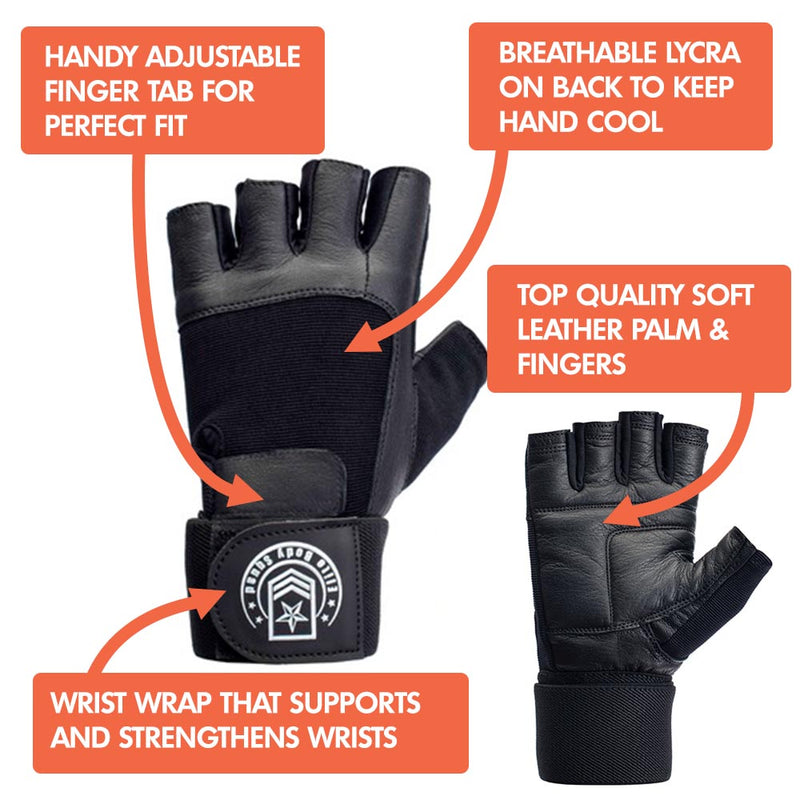
Most gym gloves are made from synthetic leather, neoprene, or cotton blends. Some have extra padding, wrist wraps, or grip material. Unlike regular gloves, gym gloves are designed to handle sweat, friction, and heavy loads.
The Main Reasons People Wear Gym Gloves
1. Protecting The Hands
The most obvious reason for wearing gym gloves is to protect your skin. Lifting weights, especially metal bars, can cause blisters, calluses, or even cuts on your palms and fingers. Gloves act as a soft barrier, reducing direct friction.
2. Improving Grip
Sweaty hands can be slippery, especially when holding heavy dumbbells or barbells. Gym gloves often use materials that give better grip on equipment. This can help you lift more safely and with more control.
3. Wrist Support
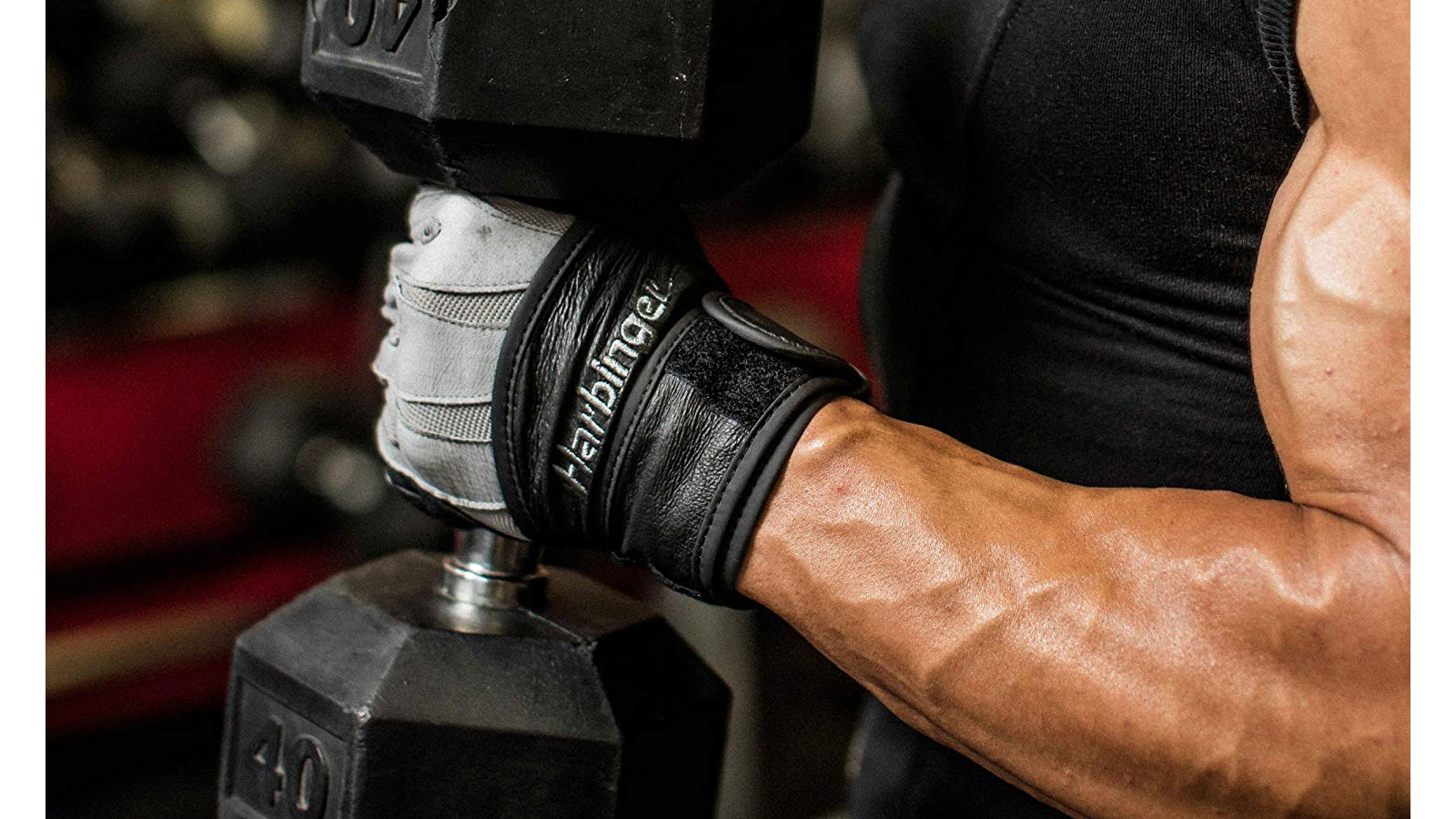
Some gym gloves come with built-in wrist wraps. These wraps help stabilize your wrist during pushing or pulling exercises, like bench press or deadlifts. People with weak wrists or a history of wrist pain often find this feature useful.
4. Comfort And Confidence
For many, gloves simply make the workout feel more comfortable. They may reduce the fear of dropping weights, or give a psychological boost by feeling more “equipped” for the workout.
5. Hygiene
Gyms can be full of germs and bacteria, especially on shared equipment. Wearing gloves creates a barrier between your skin and equipment, helping reduce the risk of picking up germs.
Arguments Against Wearing Gym Gloves
While gloves have their fans, many lifters avoid them. There are reasons why some experts suggest going without gloves:
1. Weaker Grip Strength Development
Using gloves can sometimes reduce the need for your hands to grip tightly. Over time, this may slow down your natural grip strength improvement. For anyone wanting a strong handshake or improved forearm strength, this is something to consider.
2. Less “feel” Of The Bar
Gloves add a layer between your skin and the equipment. This can make it harder to “feel” the bar, which may affect technique, especially in exercises like deadlifts or pull-ups. Some athletes say this disconnect leads to worse form or less control.
3. Glove Slippage And Fit Issues
Not all gloves fit well. Some may slip on sweaty hands or bunch up uncomfortably. Poorly made gloves can cause new blisters or distraction during workouts.
4. Heat And Sweating
Wearing gloves can make your hands hot and sweaty, especially during long or intense sessions. This can be uncomfortable and may even increase the risk of blisters if sweat collects inside the glove.
5. Dependence On Gloves
Some people become so used to gloves that they struggle to lift without them. This can be a problem if you forget your gloves or if you need to perform in a competition where gloves are not allowed.
Who Should Consider Wearing Gym Gloves?
Not everyone needs gym gloves, but some people will benefit more than others. Here are the groups who might want to use them:
- Beginners: New lifters often get blisters and calluses quickly. Gloves can help protect their hands as they build up tolerance.
- People with Sensitive Skin: If your skin blisters or tears easily, gloves offer a helpful barrier.
- Those Who Sweat a Lot: If your hands get very sweaty, gloves can help keep your grip strong and safe.
- Anyone with Wrist Pain: Gloves with wrist support may help you keep training without pain.
- People Sharing Equipment: If you are worried about germs in public gyms, gloves are a simple way to add hygiene.
- Anyone Recovering from Hand Injuries: Gloves can protect healing skin or scars during your return to training.
Who Might Be Better Off Without Gloves?
On the other hand, some people do better without gloves:
- Experienced Lifters: Many advanced lifters prefer to feel the bar directly for better control and technique.
- Those Training Grip Strength: If your goal is to build a strong grip, training without gloves forces your hands to get stronger.
- People Doing Olympic Lifts: Clean and jerk or snatch movements often require precise hand placement and feel, which gloves can reduce.
- Powerlifters: In most competitions, gloves are not allowed. Training without them is best for realism.
- Anyone Who Finds Gloves Uncomfortable: If gloves distract you or cause more problems than they solve, it’s fine to skip them.
Types Of Gym Gloves
Not all gym gloves are the same. Depending on your needs, you might choose a different style:
| Type | Main Features | Best For |
|---|---|---|
| Full-finger gloves | Covers all fingers, more protection | Outdoor workouts, maximum skin protection |
| Fingerless gloves | Covers palm and lower fingers, open tips | General gym use, better finger movement |
| Gloves with wrist wraps | Extra support around wrist area | People with wrist pain or lifting heavy |
| Minimal grip pads | Small pads for just the palm | Quick use, easy to carry, some grip |
Choosing the right style often comes down to your main concern: protection, grip, wrist support, or flexibility.
How Do Gym Gloves Affect Performance?
You might be surprised how much something as simple as gloves can change your workout. Let’s break it down:
Grip Strength And Endurance
Research shows that grip is a limiting factor in many pulling exercises like pull-ups and deadlifts. Gloves can help you hold on longer by reducing slipping, especially if your hands sweat. But, using gloves all the time may mean your natural grip strength improves more slowly.
Lifting Heavier Weights
Some people find they can lift more with gloves, especially if grip is their main limit. For example, if your hands slip on the bar before your muscles are tired, gloves can help you keep going.
Technique And Control
In some exercises, feeling the bar directly helps with balance and form. For example, in Olympic lifts, a thin grip is key, and gloves can make it harder to adjust your hands quickly.
Fatigue
Wearing gloves can reduce hand pain and calluses, letting you train longer. But for some, the extra layer makes their hands sweat more, leading to discomfort and even more fatigue in long sessions.
Real Data: Do Gym Gloves Prevent Injuries?
Many people wear gym gloves hoping to avoid injuries, especially blisters and calluses. Let’s look at the facts:
- Blisters and calluses: Gloves do reduce friction, so you’re less likely to get blisters, especially as a beginner. However, with heavy or long sessions, even with gloves, some callusing is normal.
- Wrist injuries: Gloves with wrist wraps can help stabilize the joint, especially for those with weak wrists.
- Dropping weights: By improving grip, gloves may lower the chance of dropping a dumbbell or barbell due to sweaty hands.
- Bacterial infections: While gloves form a barrier, if they are not cleaned often, they can also collect bacteria and even lead to skin problems.
A study published in the Journal of Strength and Conditioning Research found that using gloves reduced the number of skin injuries during high-repetition training, but did not fully eliminate them. Another study noted that gloves could help maintain grip in humid or sweaty conditions.
Comparing Gym Gloves To Other Grip Aids
Gym gloves are not the only way to improve grip or hand comfort. Let’s see how they compare to other options:
| Grip Aid | Pros | Cons |
|---|---|---|
| Gym gloves | Protects skin, improves grip, some wrist support | May reduce grip strength gains, can be hot |
| Chalk | Dries sweat, maximum grip, no extra layer | Messy, banned in some gyms, no skin protection |
| Lifting straps | Takes weight off grip, good for heavy lifts | Not allowed in all exercises, no skin protection |
| Grip pads | Small, portable, protects palm | Limited protection, may shift during use |
If your goal is pure grip strength, chalk is often best. For skin protection, gloves or pads win. Straps are for very heavy lifts, but don’t protect the skin.
How To Choose The Best Gym Gloves For You
If you decide to try gym gloves, it’s important to pick the right pair. Here’s what to consider:
1. Material
Look for gloves made of durable, breathable material. Synthetic leather and neoprene offer good grip and last long. Avoid cheap cotton gloves—they wear out fast and lose grip when wet.
2. Padding
More padding means more comfort, but too much can weaken your grip or make it hard to feel the bar. Choose moderate padding for general use. Minimal padding is better for experienced lifters.
3. Fit
A glove should be snug but not tight. Loose gloves can slip; tight ones can cut off circulation. Try different sizes if possible, or check reviews before buying online.
4. Wrist Support
If you have wrist pain or lift very heavy, look for gloves with built-in wrist wraps. For most people, simple gloves without wraps are enough.
5. Ease Of Cleaning
Gloves collect sweat and bacteria. Choose gloves you can wash easily to keep them fresh and safe.
6. Price
Don’t buy the cheapest gloves—they may fall apart quickly. But, you don’t need the most expensive either. Mid-range gloves from trusted brands often offer the best value.
7. Gender And Sizing
Some gloves are “one size fits all,” but hands differ by gender and size. Look for gloves made for your hand shape for the best comfort.
Credit: www.photonics.ipb.ac.rs
Common Mistakes Beginners Make With Gym Gloves
Wearing gym gloves sounds simple, but many people make mistakes that reduce the benefits:
- Never washing gloves: Dirty gloves can smell and spread bacteria. Wash them regularly.
- Choosing the wrong size: Loose gloves slip, tight ones hurt. Always check fit before buying.
- Using gloves for every exercise: Gloves are most useful for heavy lifts or high-friction moves. For stretching or light warm-ups, skip them.
- Ignoring signs of wear: Worn-out gloves lose grip and protection. Replace them if they get holes or lose padding.
- Relying only on gloves for wrist pain: If you have pain, also check your form or see a professional. Gloves can help, but are not a cure.
Myths And Misunderstandings About Gym Gloves
Let’s clear up some myths that often confuse gym-goers:
- “Gloves are only for beginners”: Many advanced lifters use gloves, especially for high-rep sets or long sessions.
- “Gloves make you weak”: Gloves don’t make you weaker, but using them all the time can slow down your grip strength gains.
- “All gloves are the same”: The material, fit, and features can make a big difference in comfort and performance.
- “Gloves protect you from all germs”: Gloves are a barrier, but they can also collect bacteria. Clean them often.
- “You must wear gloves to avoid calluses”: Gloves help, but heavy lifting will almost always create some callusing over time.
Real-life Stories: Why Some Lifters Swear By Gym Gloves
Many people in the gym world have strong feelings about gloves, both for and against. Here are a few real examples:
- Maria, a new lifter, started with gloves after her first week left her with sore, blistered palms. She found gloves let her finish her workouts without pain, and over time, she started using them only for the toughest lifts.
- James, an experienced powerlifter, avoids gloves. He says they make it harder to feel the bar and that his grip strength improved faster without them.
- Amit, a gym regular with eczema, uses gloves to protect his skin from sweat and friction. Without gloves, his skin cracks and bleeds, making it hard to train.
- Lisa, a personal trainer, recommends gloves to clients who are worried about hygiene or who sweat a lot, but she teaches advanced lifters to go without gloves for better grip development.
These stories show that there’s no single answer—what works for one person might not be right for another.
Non-obvious Insights Most Beginners Miss
- Glove Thickness Can Change Your Grip: Thicker gloves increase the bar’s diameter in your hand. This can make gripping harder, especially for people with small hands. If you struggle to hold onto bars, try thinner gloves or grip pads instead of thick ones.
- Hand Care Still Matters: Even with gloves, your hands need care. Moisturize your skin, and use a pumice stone on calluses. Gloves reduce friction, but rough skin and calluses still develop over time.
- Gloves Can Hide Poor Technique: Sometimes, pain in your hands is a sign of bad form or too much weight. Gloves may mask this pain, letting you continue with poor technique. Always check your form if you feel discomfort, even with gloves.
- Gloves Don’t Fix All Wrist Issues: If you have wrist pain, gloves with wraps help, but you may also need to adjust your grip, stretch your wrists, or seek professional advice.
- Switching Between Gloves and Bare Hands Feels Different: If you train with gloves and then switch to bare hands, the bar will feel different. If you plan to compete or train without gloves sometimes, practice both ways.

Credit: www.menshealth.com
How To Transition: With Or Without Gloves?
If you’re new to the gym, start with gloves if your hands are sensitive or you want extra grip. As you get stronger, try some sessions without gloves to build grip strength. This balanced approach lets you enjoy comfort while developing your hands naturally.
If you’re an advanced lifter and want to try gloves, use them for high-rep sets or when your hands are tired. For heavy singles or technique work, go bare-handed to keep your feel for the bar.
Hygiene: Keeping Your Gloves Clean
Gloves get sweaty and dirty, which can cause skin problems or bad smells. Follow these tips:
- Wash your gloves after every few workouts. Check if they are machine washable.
- Dry gloves completely before storing them. Damp gloves can grow bacteria.
- Use hand sanitizer before and after workouts for extra safety.
- Keep a spare pair if you train often, so you always have a clean set.
Environmental Impact: Are Gym Gloves Eco-friendly?
Most gym gloves are made from synthetic materials like neoprene and artificial leather. These materials last long but are not biodegradable. If you want to reduce your environmental impact, look for:
- Gloves made from recycled or natural materials.
- Brands that offer recycling programs for old gloves.
- Durable gloves that last longer, reducing waste.
While gym gloves are a small item, every bit helps if you care about the environment.
What The Experts Say
Fitness professionals have different opinions about gloves. Some trainers recommend them for beginners or those with skin issues. Others say that for best grip strength, you should train bare-handed. The right choice depends on your personal needs and comfort.
According to the American Council on Exercise, gloves can help reduce the risk of blisters and increase comfort, but they may also limit grip development for advanced lifters. For more on this, check out the ACE Fitness article.
Frequently Asked Questions
Should I Wear Gym Gloves For All Exercises?
No, you don’t need to wear gym gloves for every exercise. Gloves are most useful for heavy lifts, pulling exercises, or any moves that cause friction on your hands. For stretching, warm-ups, or cardio machines, gloves are not necessary.
Will Wearing Gym Gloves Stop Me From Getting Calluses?
Gloves reduce friction, so you’ll get fewer or smaller calluses. But some callusing is normal if you lift heavy weights often, even with gloves. Proper hand care helps keep your skin healthy.
Can Gym Gloves Help With Wrist Pain?
Some gym gloves come with wrist wraps that support the joint. This can help reduce wrist pain, especially in pressing movements. But gloves are not a cure for injuries—always check your form and consult a professional if pain continues.
How Often Should I Wash My Gym Gloves?
You should wash your gloves after every few workouts, or sooner if they smell or feel dirty. Clean gloves help prevent skin problems and keep your hands healthy.
Are Gym Gloves Allowed In Weightlifting Competitions?
Most powerlifting and Olympic lifting competitions do not allow gloves, except for special medical reasons. If you plan to compete, practice without gloves so you are ready for competition rules.
Final Thoughts
So, should you wear gym gloves? The answer depends on your needs. If you want to protect your skin, improve your grip, or keep your hands clean, gloves can be a smart choice. They’re especially helpful for beginners, people with sensitive skin, or those who sweat a lot.
But if your goal is to build maximum grip strength, or if you do advanced lifts that need high bar feel, you might prefer to go without gloves.
Don’t be afraid to try both options. Switch between gloves and bare hands, and see what feels best for you. Remember, comfort, safety, and progress are the real goals. With the right information, you can make a choice that helps you lift better, longer, and with more confidence.
Credit: www.t3.com
