

Should You Wear Gym Gloves? Benefits, Drawbacks, and Tips
Should You Wear Gym Gloves
Stepping into a gym, you might notice many lifters wearing gloves while others prefer bare hands. This simple accessory often sparks debate: should you wear gym gloves, or are they just a fashion statement? The answer isn’t as straightforward as it seems. Your choice can affect your workout performance, hand health, and even your confidence in the gym.
Gym gloves are more than just pieces of fabric covering your palms. They protect, provide grip, and sometimes offer a mental boost. But they’re not for everyone, and wearing them can have both benefits and drawbacks. In this guide, you’ll learn the real reasons people wear gym gloves, who should consider them, and how to decide for yourself.
We’ll also dig into common myths, compare different glove types, and answer questions people rarely ask.
The Role Of Gym Gloves In Workouts
Gym gloves do more than keep your hands clean. Their main job is to help you grip equipment, reduce friction, and protect your skin from blisters and calluses. If you lift weights, use pull-up bars, or do bodyweight exercises, your hands take a lot of punishment.
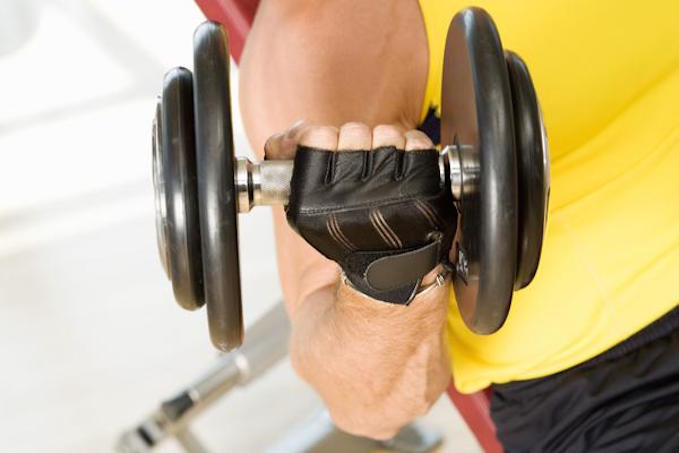
Gym gloves form a barrier between your skin and the rough surface of bars or dumbbells.
Grip strength is a key part of many exercises. If your hands slip, you risk dropping weights or losing control. For some, gloves improve confidence, letting them focus on the lift instead of worrying about losing their grip. Others feel gloves reduce their connection to the bar, making it harder to lift heavy weights.
There’s also a psychological angle. Wearing gloves can make you feel more prepared and serious. It’s like putting on a uniform before a game. For beginners, gloves can reduce anxiety about pain or rough hands, making it easier to stick with a routine.
Main Benefits Of Wearing Gym Gloves
Choosing to wear gym gloves brings several advantages. Here’s what you can expect:
- Hand Protection: Gloves act as a shield, preventing blisters, cuts, and calluses. If you have sensitive skin or work in a job where your hands need to look presentable, gloves can be a lifesaver.
- Improved Grip: Many gloves use materials that increase friction with metal bars. This means less slipping, especially during sweaty workouts or with heavier weights.
- Wrist Support: Some gym gloves come with built-in wrist wraps. These offer extra stability, especially useful for pressing or overhead movements.
- Better Hygiene: Gym equipment can be dirty. Gloves create a barrier against bacteria and viruses, reducing your exposure to germs.
- Confidence Boost: If you worry about your grip failing or your hands hurting, gloves can help you focus on your form and effort instead.
- Reduced Fatigue: By improving grip and comfort, gloves may let you perform a few extra reps, especially during long workouts.
Non-obvious insight: Many people don’t realize that gloves can help prevent torn calluses during high-repetition bar work, like CrossFit or gymnastics. Also, some gloves are designed to help people with hand injuries or arthritis, making it possible to continue training safely.
Credit: caliberstrong.com
Drawbacks And Limitations Of Gym Gloves
While gym gloves offer many benefits, they are not perfect. Here are the main reasons some people avoid them:
- Reduced “Bar Feel”: Gloves can dull your sense of touch. For serious lifters, direct skin contact helps with grip control and lifting technique.
- Grip Strength Limitation: Over-reliance on gloves may prevent your grip from getting stronger. Your hands and forearms don’t work as hard, slowing progress.
- Sweat Build-up: Some gloves trap moisture, leading to sweaty, uncomfortable hands. This can actually make slipping worse if the gloves are low quality.
- Fit Issues: Ill-fitting gloves can bunch up, causing pinching or blisters in new spots. Getting the right size and style is important.
- Extra Maintenance: Gloves need regular washing. Dirty or worn-out gloves can smell bad and harbor bacteria.
- Not Allowed in Some Sports: Competitive powerlifting and Olympic lifting often require bare hands, so gloves are not always an option.
Non-obvious insight: Certain exercises, like kettlebell swings, can be more dangerous with gloves if the glove gets caught or slips. Also, gloves can mask minor technique errors—if you always wear gloves, you might not notice you’re gripping the bar incorrectly.
Types Of Gym Gloves: Which Fits Your Needs?
Not all gym gloves are the same. They vary in material, coverage, and support. Here’s a breakdown of the main types you’ll find:
Full-fingered Gloves
These cover your entire hand and fingers, like cycling gloves. Best for maximum protection and hygiene, but they can feel bulky and limit dexterity.
Half-finger (fingerless) Gloves
The most common gym glove style. These cover your palm and part of your fingers, leaving fingertips free for better sensation and control. Good balance between protection and “bar feel. ”
Padded Grip Gloves
These have extra padding on the palm. They’re great for heavy lifting and long sessions but may feel thick for some users.
Wrist Support Gloves
These come with built-in wrist wraps or straps. Useful for people who need extra wrist stability during pressing movements.
Minimalist/grip Pads
These are small pads or strips that only cover the palm. They provide basic protection without the bulk of a full glove. Popular for CrossFit and bodyweight training.
Specialty Gloves
Some gloves are designed for people with medical needs (like arthritis) or for specific sports (rowing, climbing). These often use unique materials or designs.
Here’s a simple comparison to help you understand the differences:
| Type | Main Benefit | Best For | Main Drawback |
|---|---|---|---|
| Full-Fingered | Maximum protection | Hygiene, outdoor workouts | Bulky, hot |
| Half-Finger | Balanced grip & protection | Most gym users | Less hygiene |
| Padded Grip | Extra comfort | Heavy lifting | Thick, less “feel” |
| Wrist Support | Stabilize wrist | Presses, injuries | Can restrict movement |
| Minimalist/Grip Pads | Lightweight | Pull-ups, bodyweight | Less protection |

Credit: www.menshealth.com
Who Should Consider Wearing Gym Gloves?
Not everyone needs gloves, but some people benefit more than others. You should consider wearing gym gloves if:
- You’re new to lifting and want to avoid hand pain or blisters
- Your job requires smooth hands (healthcare, beauty, office work)
- You have a history of hand injuries or joint pain
- You sweat a lot, making grip difficult
- You train at high volume (many reps or sets)
- You’re recovering from an injury and need extra support
If you fall into one or more of these groups, gloves can help you train safely and consistently. But even if you’re an experienced lifter, gloves might be useful for certain days—like long “pull” workouts, or when hands are already sore.
When Should You Avoid Gym Gloves?
Sometimes, it’s better to skip gloves:
- When you want to develop maximum grip strength
- If you compete in sports that ban gloves
- During exercises where glove material might catch or slip (like kettlebell swings)
- If you have skin allergies to common glove materials (latex, synthetic fibers)
- When your form depends on feeling the bar directly
A smart approach: use gloves when you need protection or comfort, but train without them sometimes to build real grip strength and bar control.
How Gym Gloves Compare To Other Grip Aids
Gloves are not the only way to improve grip. You might see people use chalk, lifting straps, or liquid grip. Each tool has its pros and cons.
Here’s a comparison to help you decide:
| Grip Aid | Best For | Advantages | Disadvantages |
|---|---|---|---|
| Gym Gloves | General gym use, hand protection | Protects skin, some wrist support | Reduces bar feel, sweaty hands |
| Chalk | Heavy lifting, pulling movements | Improves grip, no bulk | Messy, not allowed in all gyms |
| Lifting Straps | Max weight deadlifts, pulling exercises | Takes grip out of equation | Can weaken natural grip over time |
| Liquid Grip | Gyms banning chalk, sweaty hands | Dries quickly, less mess | Can be expensive, not reusable |
Many advanced lifters use a mix of these tools, depending on their goals. For example, using chalk on heavy lifts but gloves for high-rep work.
How To Choose The Right Gym Gloves
If you decide gloves are for you, picking the right pair is important. Here’s what to look for:
- Fit: Gloves should be snug but not tight. Loose gloves slip; tight gloves restrict movement.
- Material: Leather is durable but more expensive. Synthetic materials are lighter and often machine washable.
- Padding: Extra padding can help with heavy weights but may reduce bar feel.
- Breathability: Mesh panels or vented designs keep hands cooler.
- Wrist Support: Look for built-in wraps if you need extra stability.
- Closure: Velcro straps allow for easy adjustment.
- Purpose: Choose gloves based on your main activities—lifting, bodyweight, rowing, etc.
Non-obvious tip: Try gloves on at the end of your workout, when your hands are slightly swollen. This helps you pick a size that’s comfortable during use, not just on the shelf.
Common Mistakes When Using Gym Gloves
It’s easy to misuse gym gloves and miss out on their benefits. Watch out for these mistakes:
- Never washing gloves: Sweat and bacteria build up quickly. Wash gloves often—most synthetic gloves are machine washable.
- Ignoring fit: If gloves bunch up or pinch, they can cause more harm than good.
- Wearing gloves for every exercise: Overusing gloves can slow grip strength gains. Use them when you need protection, not all the time.
- Choosing style over function: Fancy designs don’t always mean better performance. Focus on comfort and fit.
- Not replacing worn gloves: Old gloves lose grip and protection. Replace them when they’re worn out.
Real-world Examples: Who Uses Gym Gloves And Why
To understand the decision better, let’s look at real examples:
- Beginner lifters: Many start with gloves to prevent pain and build confidence. Over time, some stop using them as their hands adapt.
- Office professionals: People who need soft hands for typing or meetings often wear gloves to avoid rough skin.
- CrossFit athletes: Some use minimalist pads or tape to prevent torn calluses during high-rep bar work.
- Bodybuilders: Many use padded gloves for comfort during long sessions, especially on pulling or pressing days.
- Powerlifters: Most train without gloves to maximize grip strength, except when recovering from hand injuries.
These cases show that the “right” answer depends on your sport, body, and goals.
Are Gym Gloves Necessary For Beginners?
If you’re just starting out, you might wonder if gloves are a must-have. The truth: they’re optional, but useful. Beginners often grip equipment too tightly, leading to blisters and soreness. Gloves can reduce this pain and make workouts more enjoyable. They can also help you train longer before hand fatigue sets in.
However, it’s important not to rely on gloves forever. As your hands get stronger and tougher, try to mix in some bare-handed training. This helps your grip keep up with your overall strength.
The Science: Do Gym Gloves Improve Performance?
Research on gym gloves is limited, but some studies offer insight. One study found that wearing gloves with wrist support improved comfort and reduced the risk of blisters during high-repetition lifting. However, another study suggested that gloves can slightly reduce the amount of force your hands can apply to a bar—meaning you might not be able to lift as heavy as with bare hands.
Interestingly, most performance differences are small. The biggest impact is on comfort and injury prevention, not on how much weight you can lift. If you train for general fitness, gloves are unlikely to hold you back. For competitive lifting, even small differences matter, so bare hands are preferred.
For more on grip aids and their effects, see this Wikipedia page on weight training.
Frequently Asked Questions
Do Gym Gloves Help Prevent Calluses?
Yes, gym gloves reduce friction and protect your palms, which helps prevent calluses. However, they may not eliminate calluses entirely, especially during heavy or high-rep training. Some people develop calluses even with gloves, but they’re usually less severe.
Are Gloves Better Than Chalk For Grip?
Gloves and chalk serve different purposes. Gloves protect your skin and offer moderate grip help. Chalk dries sweat and increases friction, giving a stronger grip but no skin protection. Many lifters use both, depending on the exercise and environment.
How Often Should I Wash My Gym Gloves?
Ideally, wash your gym gloves after every few workouts. Sweat, bacteria, and dirt build up quickly. Most synthetic gloves are machine washable; leather gloves need special care. Clean gloves last longer and smell better.
Can I Use Gym Gloves For Pull-ups?
Yes, gym gloves can help with pull-ups, especially if you get blisters or your hands slip. Minimalist grip pads are also popular for pull-ups, as they protect your skin without reducing “bar feel” as much as full gloves.
Will Wearing Gloves Weaken My Grip?
If you always wear gloves, your grip strength may develop more slowly. That’s because gloves take some of the work off your hands and forearms. To build strong grip, train bare-handed sometimes, or add grip-specific exercises to your routine.
Final Thoughts
Deciding whether to wear gym gloves depends on your goals, comfort, and training style. They offer real protection, improve grip for many people, and boost confidence—especially for beginners or those with sensitive hands. But gloves can also limit grip strength gains and reduce your connection to the equipment. The best approach is flexible: use gloves when you need them, but don’t rely on them for every workout.
Try different glove types, adjust based on your activities, and listen to your body. Whether you choose gloves, chalk, or bare hands, the most important thing is consistent, safe training. Ultimately, the right choice is the one that helps you stick with your routine and enjoy your time in the gym.

Credit: www.feninfra.org.br
